Middle Dural House: A series of minimalist, sculptural pavilions that hug the contours of the land

Project exemplifies how contemporary Australian architecture can weave ecology, craftsmanship, and cultural lineage into a self-sufficient, enduring family home

December 5, 2025

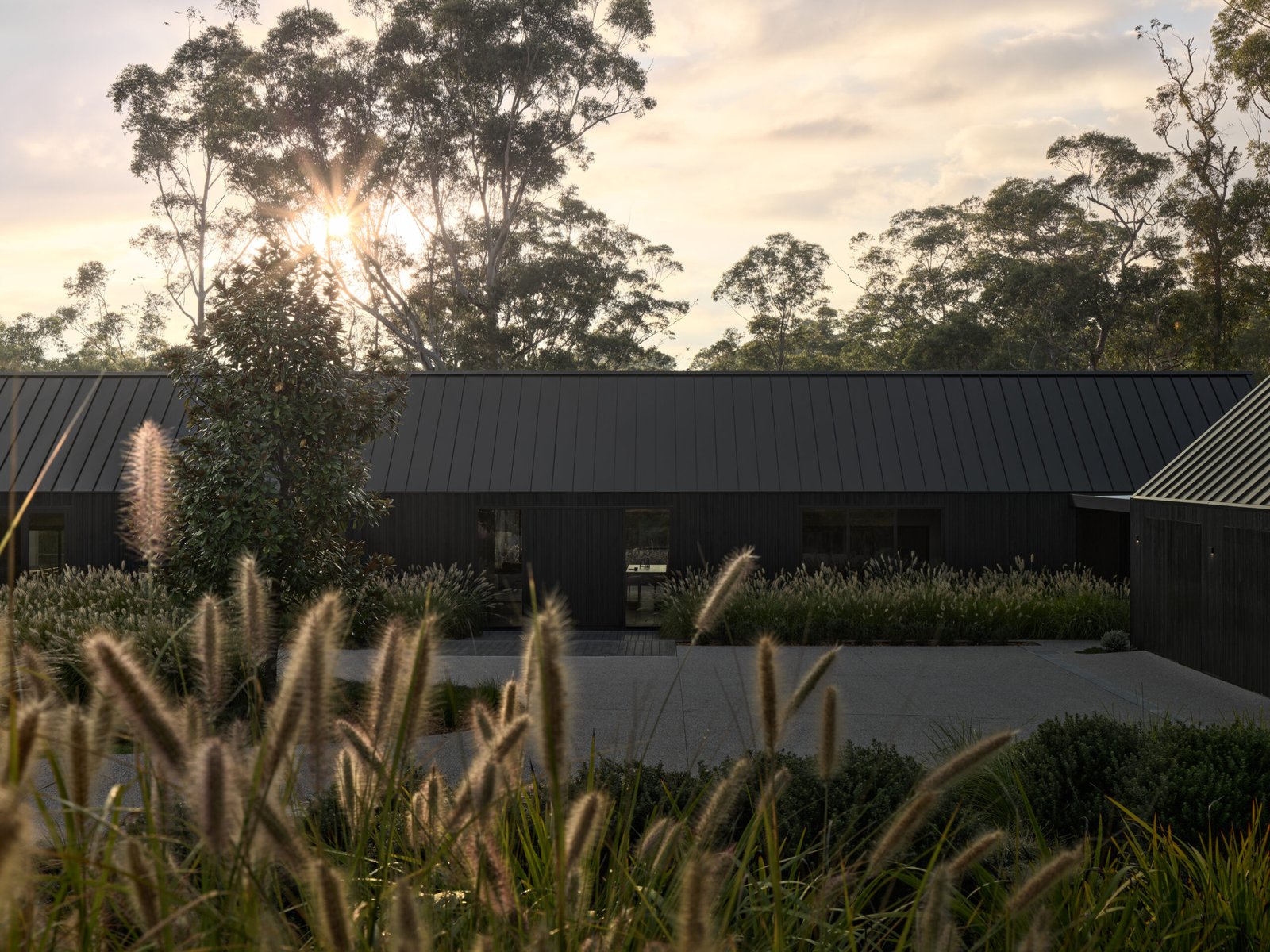
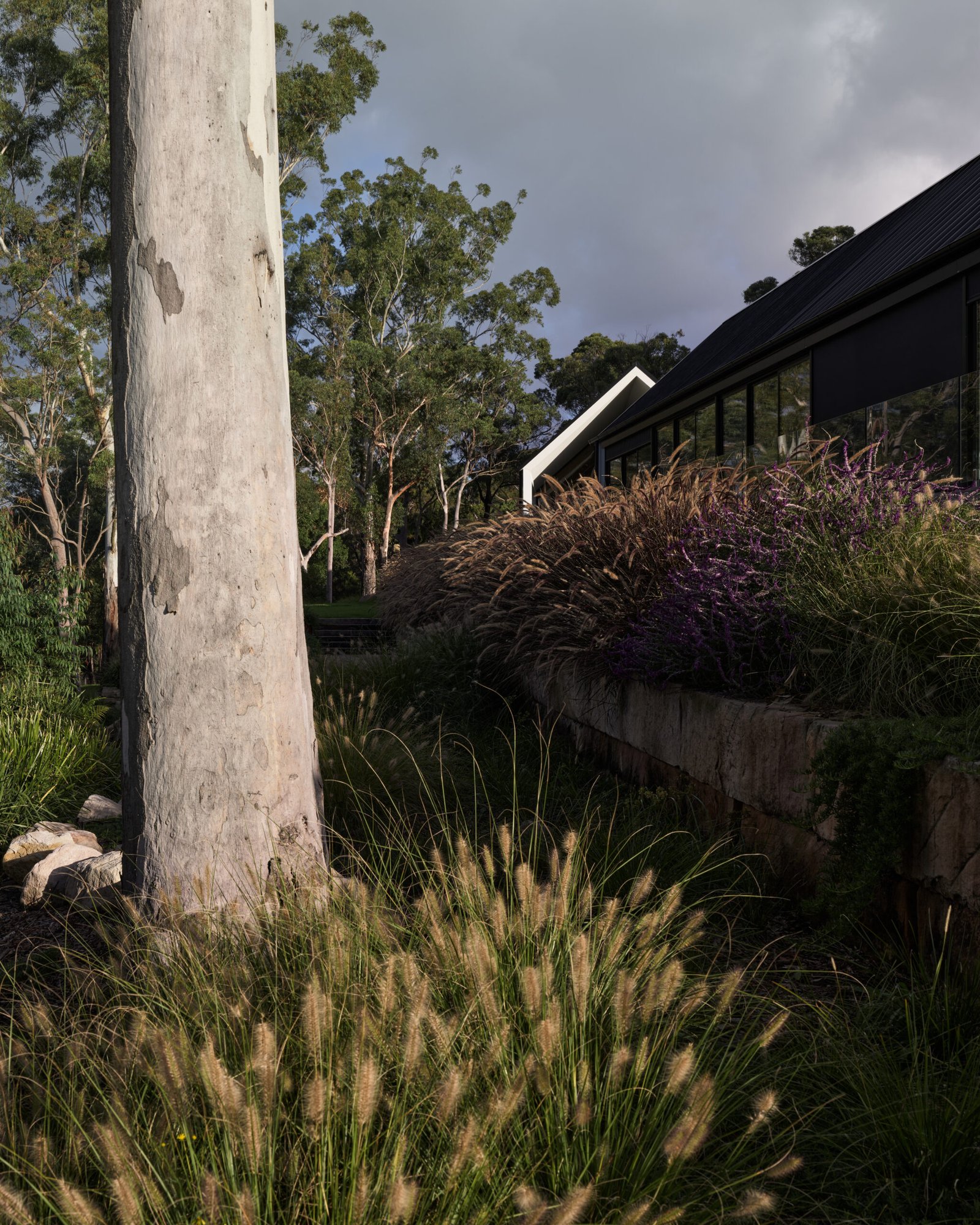
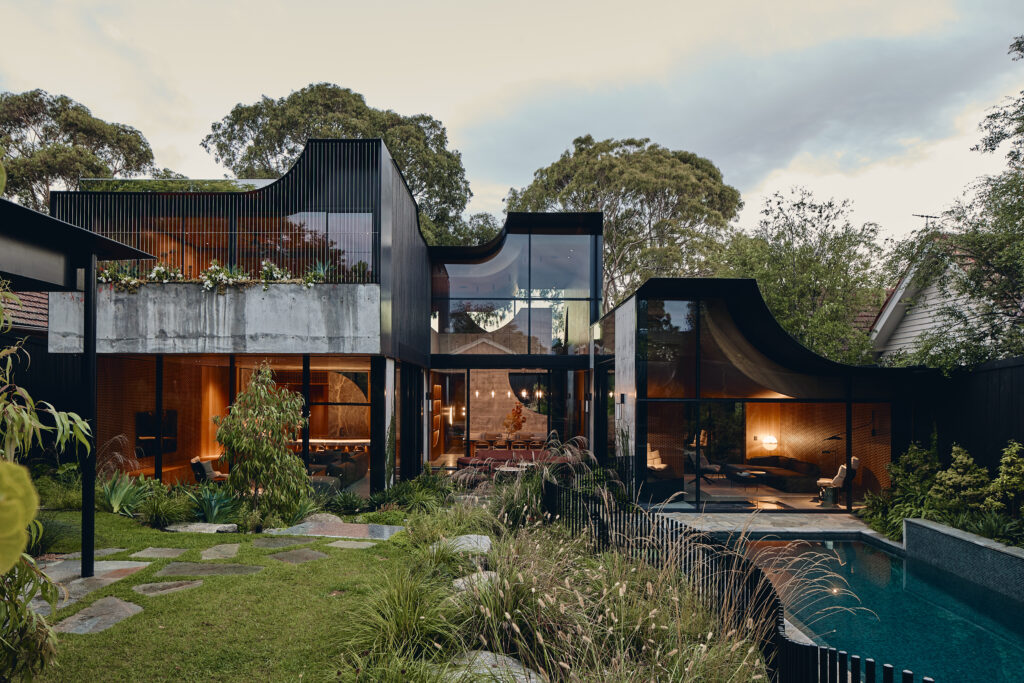
Middle Dural House by Andrew Donaldson Architecture & Design (ADAD) is a rural residence outside Sydney that reimagines barn archetypes as sleek minimalism, realized through sustainable cross-laminated timber (CLT). The project embodies design excellence, ecological stewardship, and European craft lineage, expressed in a sequence of sculptural pavilions embedded in the landscape.

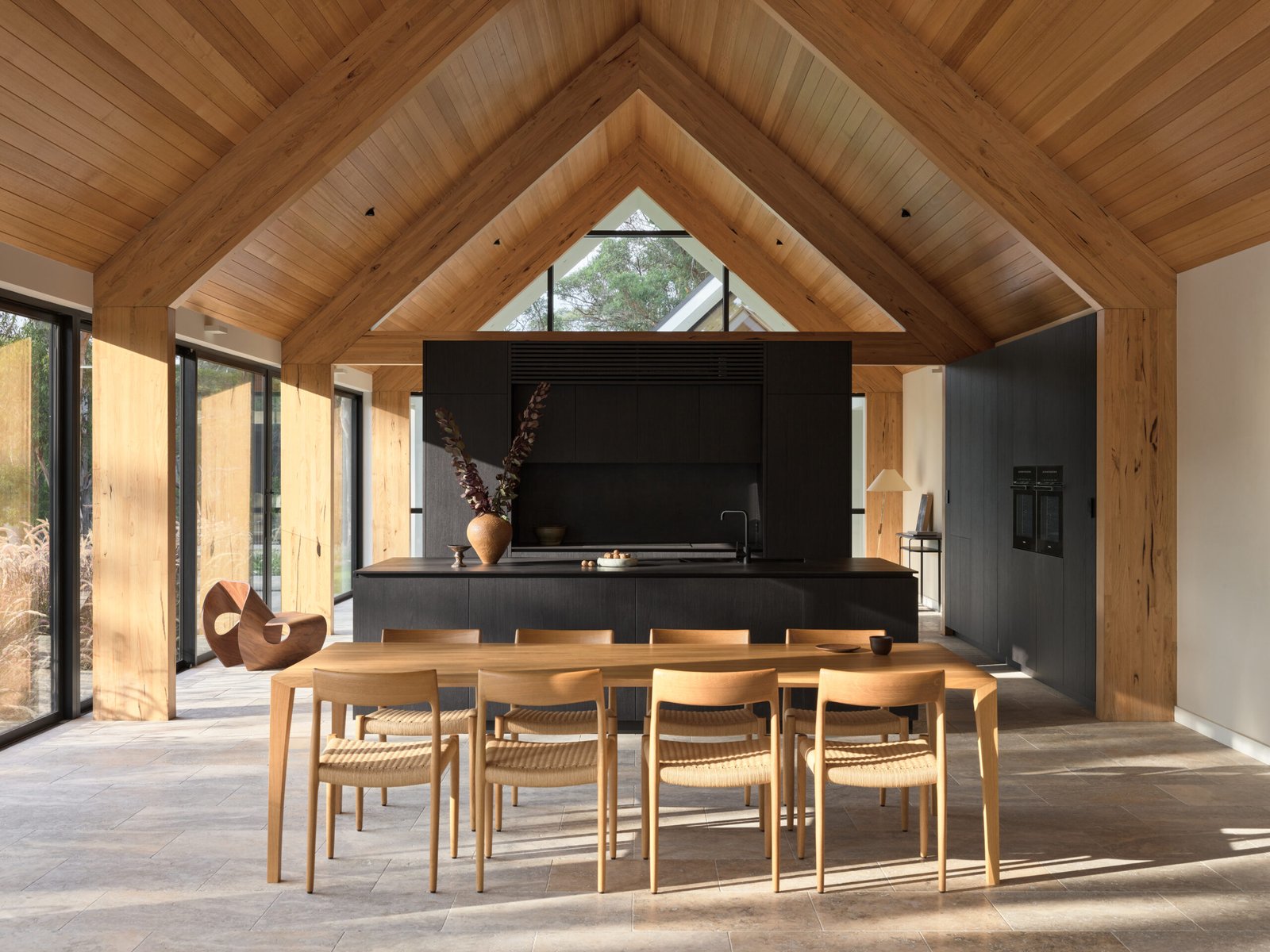
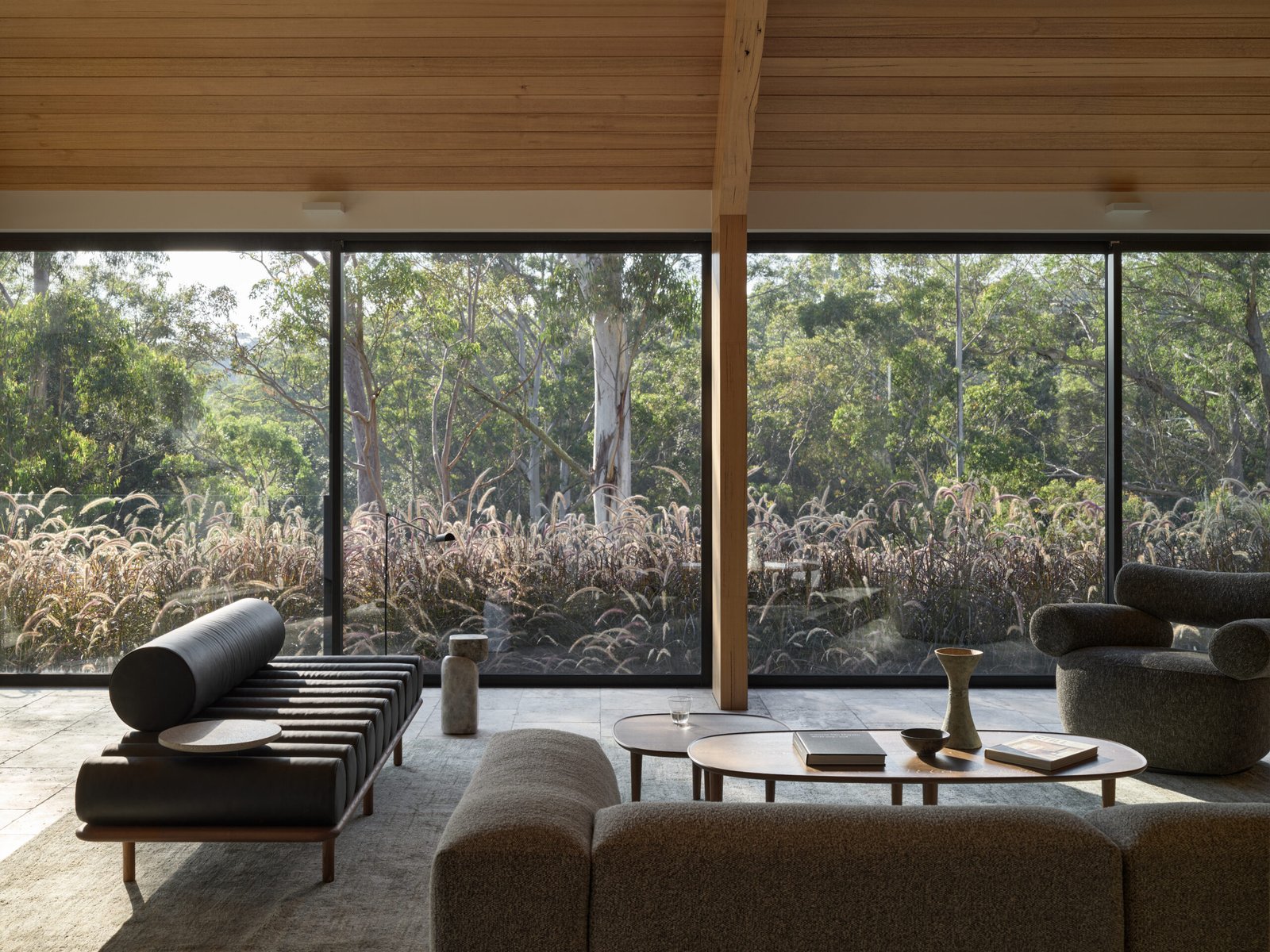
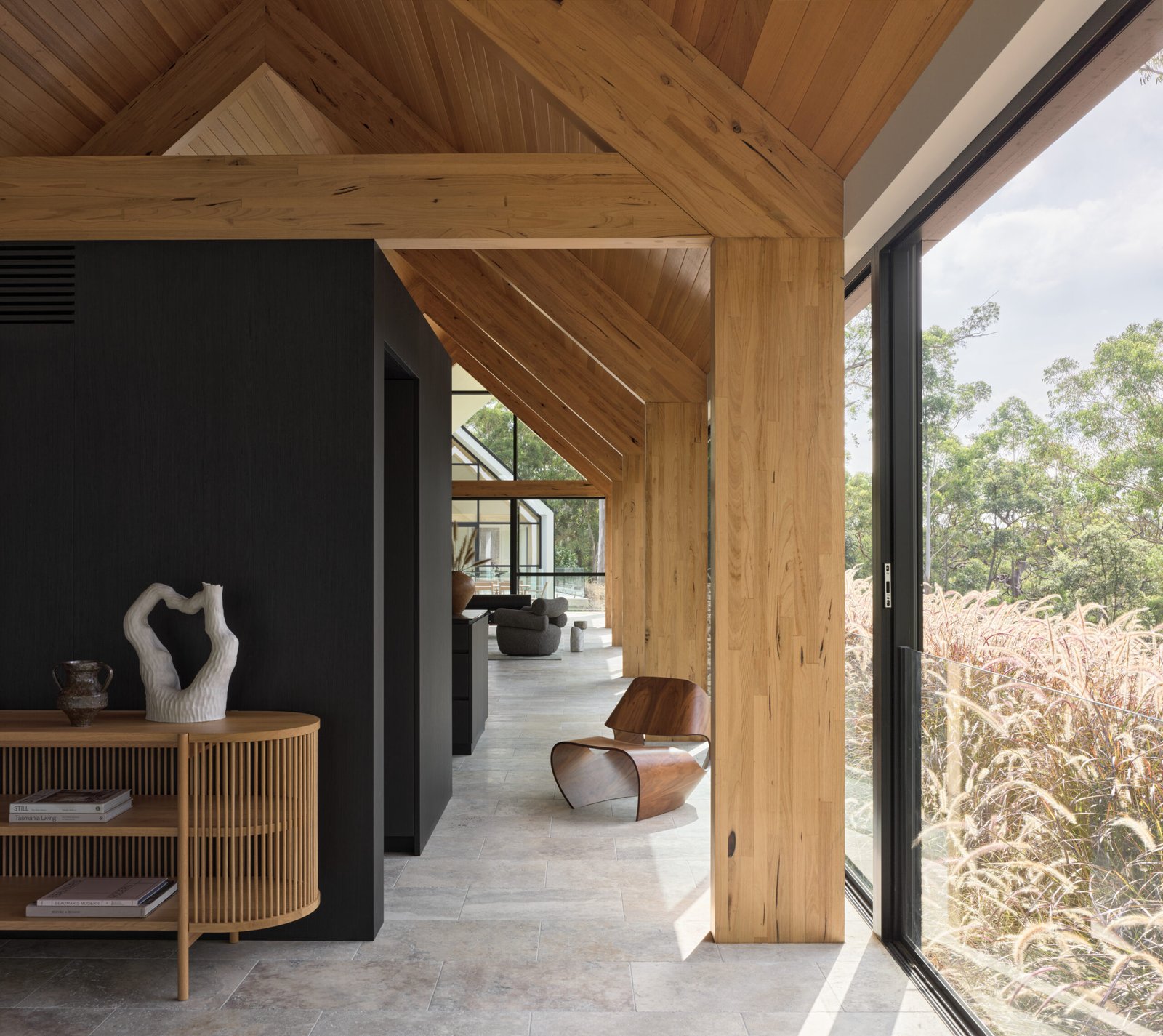
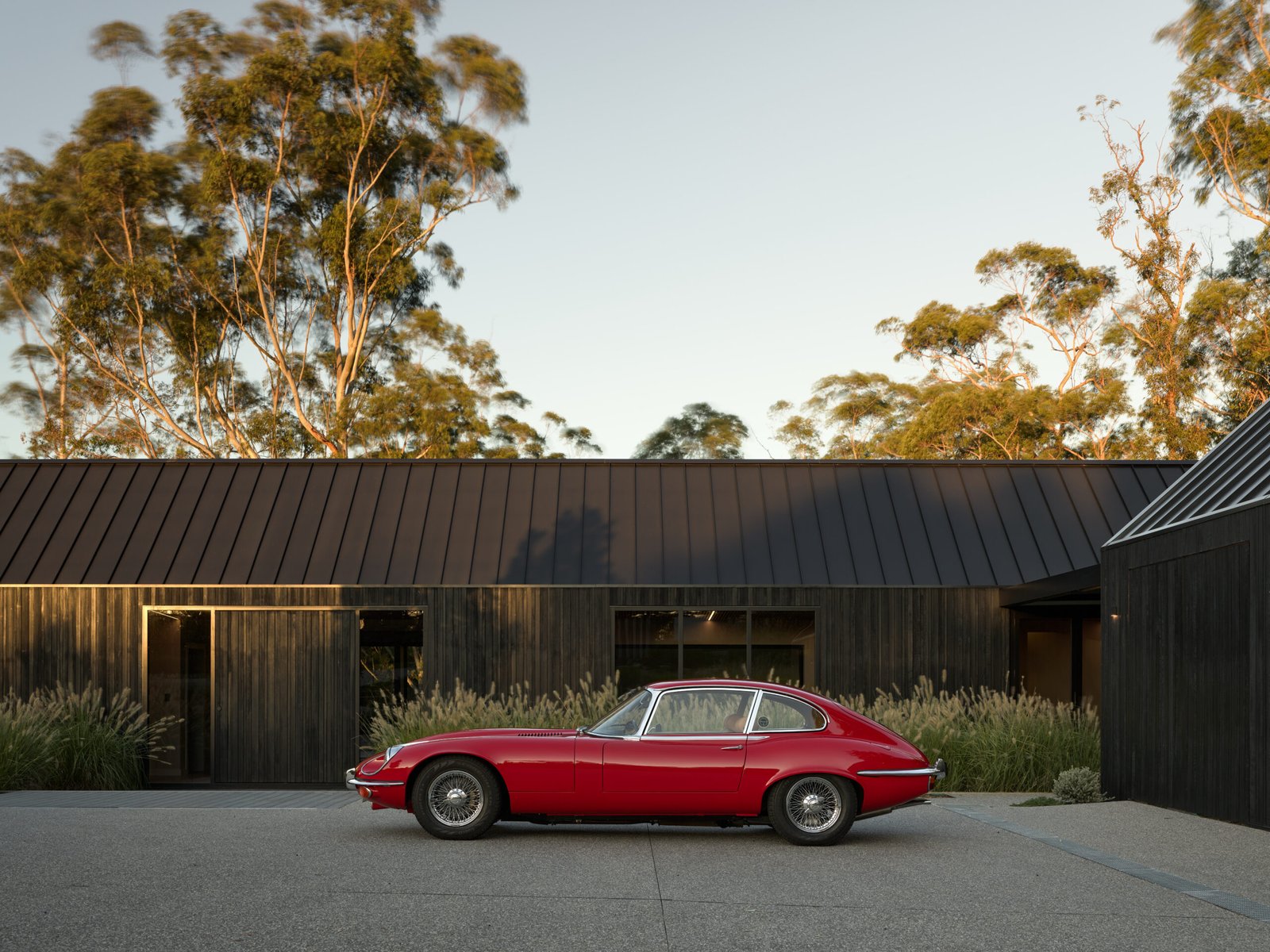
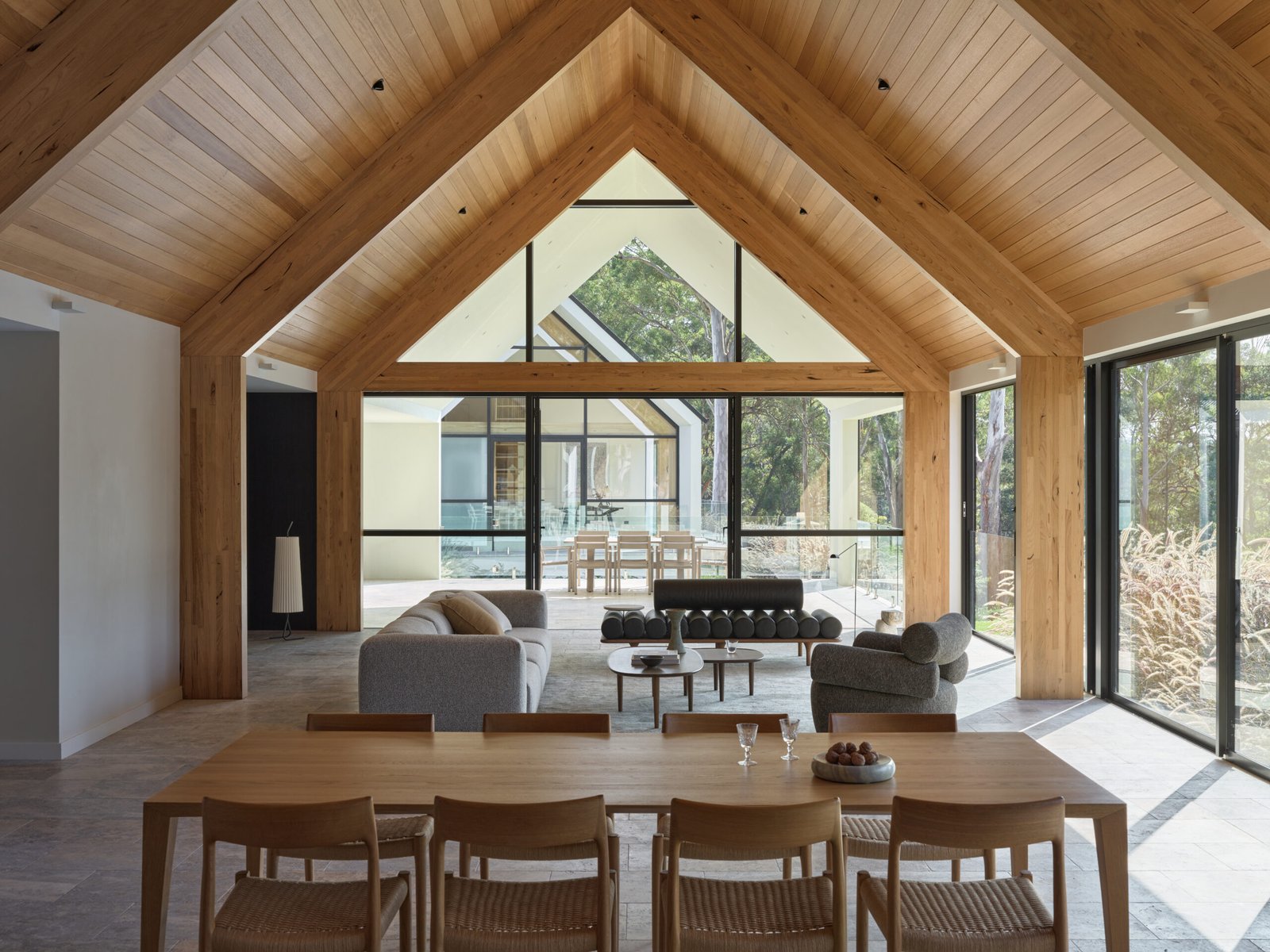
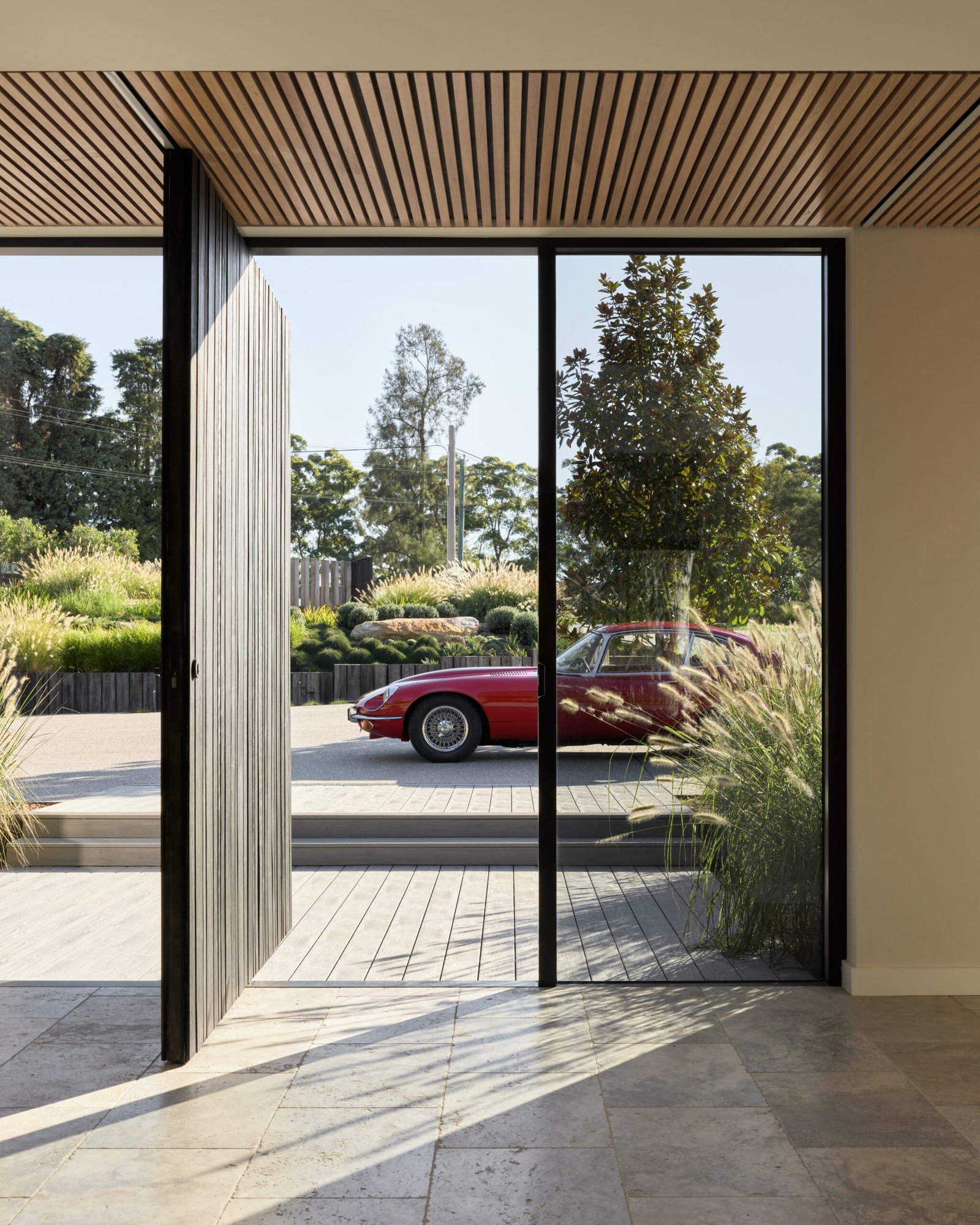
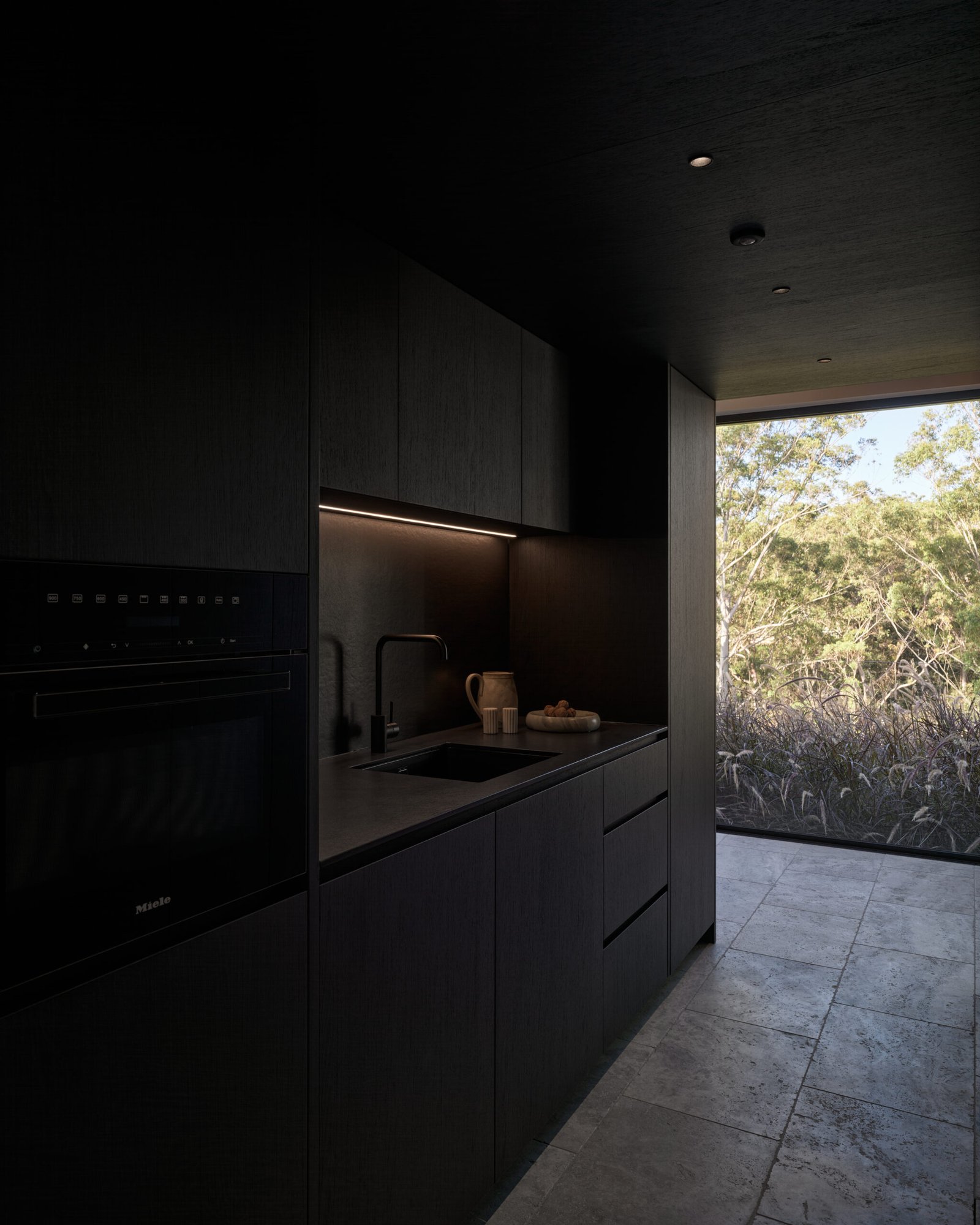
Materially, the house favors a palette of durability and tactility: shou sugi ban charred ironbark and black steel form a robust exterior, while inside, Victorian Ash CLT portals, Tasmanian Oak ceilings, and bespoke timber joinery bring warmth and craft. Travertine floors and hydronically heated concrete slabs enrich the interior experience, complemented by high-performance glazing. Off-grid systems – solar generation, rainwater harvesting, and on-site treatment – ensure sustainable autonomy.

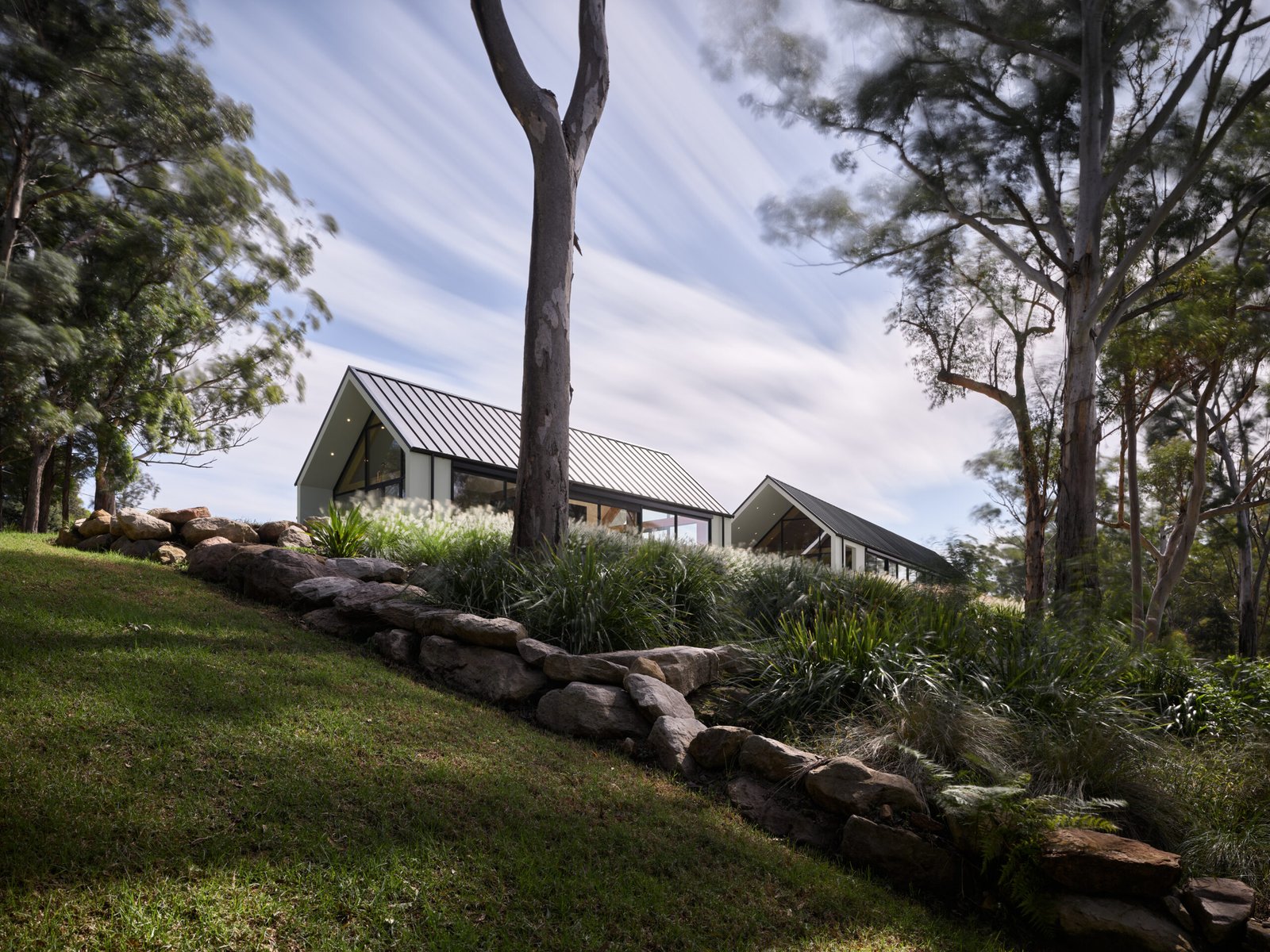
The architectural approach centers on siting the home along key natural contours, allowing its forms to either slip past or launch freely toward spectacular views. Inspired by the client’s vision of peaked barn-like structures, the design echoes his European roots and generational craftsmanship in timber construction.

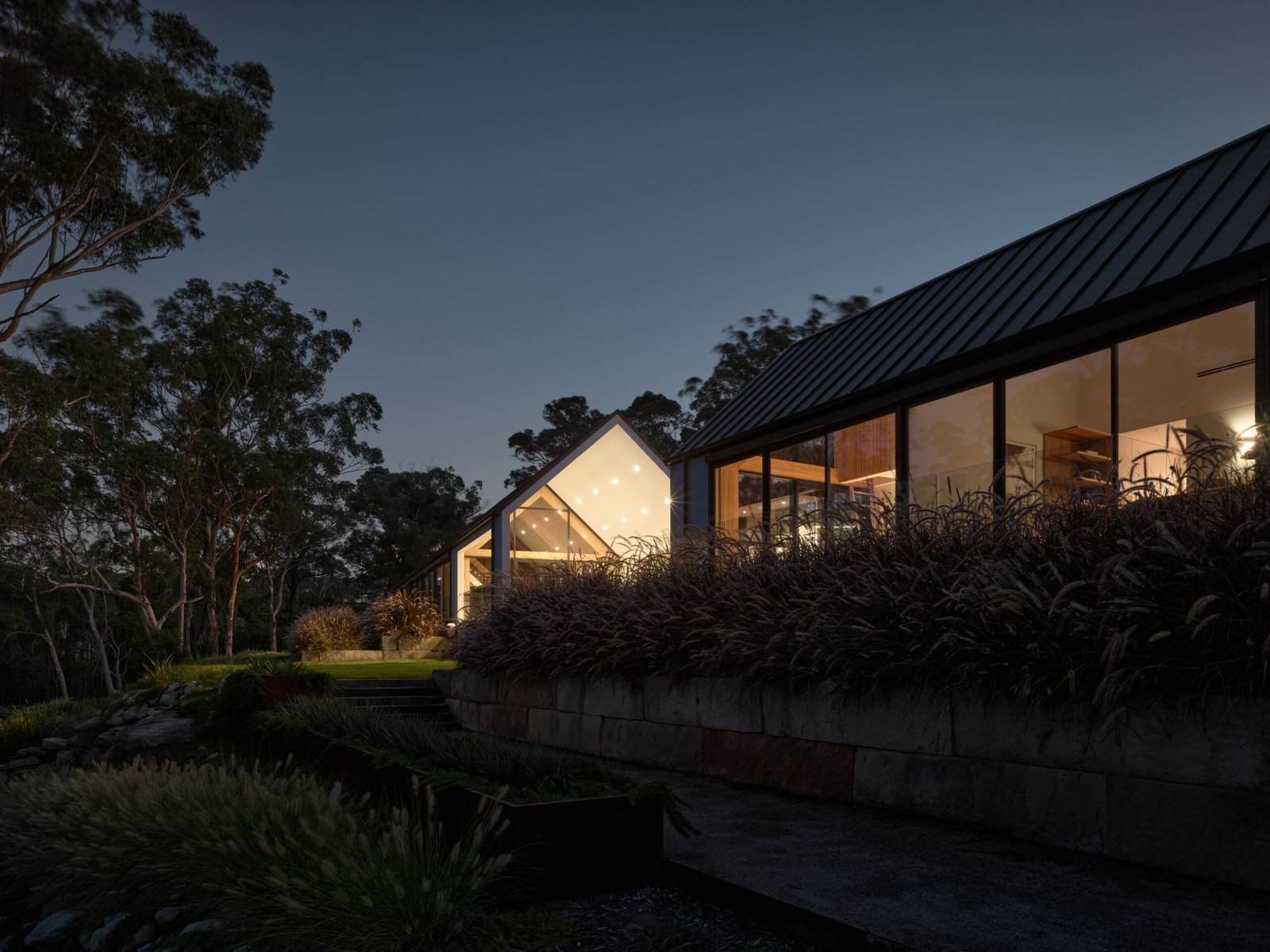
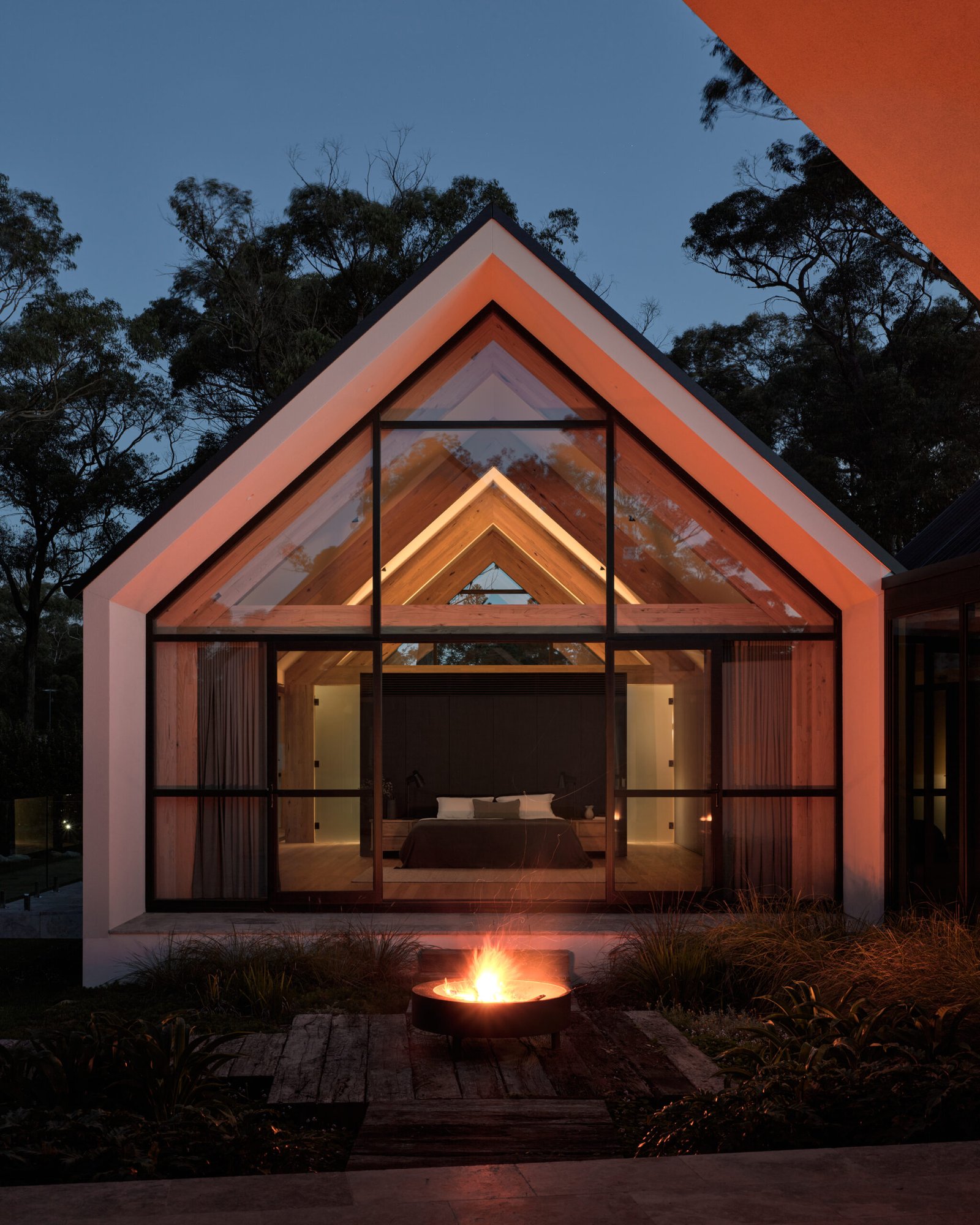
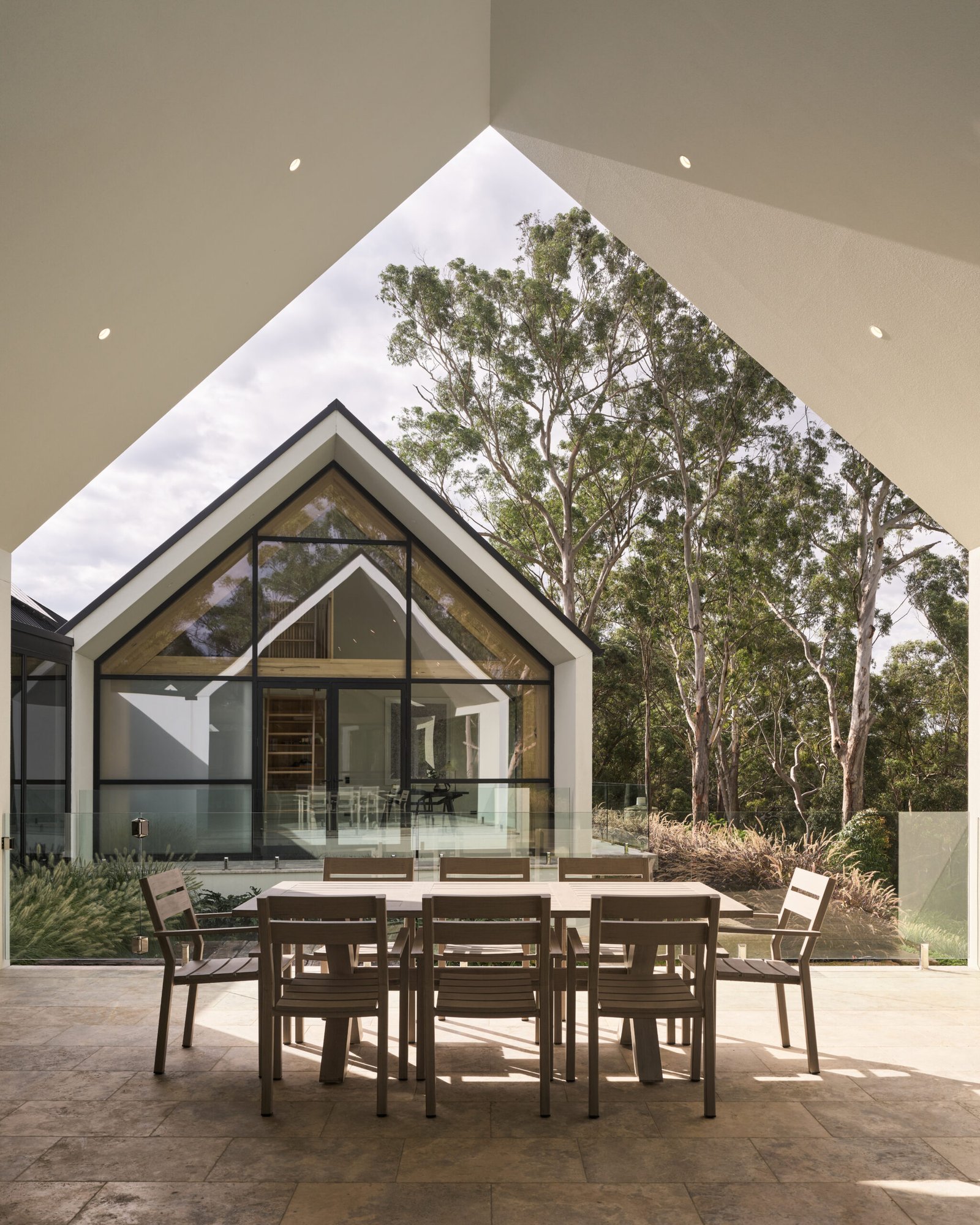
The strategy began with mapping axial pathways along the land’s natural flow, inscribing internal glass-lined walkways that follow gentle arcs. Functional wings are distributed across the site, including public entertaining and living areas, a master retreat, children’s and guest wing, a cabana and pool house, and a dedicated workshop. These are connected via courtyards, a fire pit, a contemporary pool as billabong, vegetable gardens, and the extensive natural landscape.

The design follows natural contours, inscribing glass-lined walkways that connect wings like a necklace across the escarpment. Courtyards, a billabong-like pool, and firepit gatherings extend the architecture outward, framing dramatic views while nurturing intimate family life. Crafted for a master builder and his son, the house is both deeply personal and environmentally experimental, with staged CLT construction refining each pavilion over time.

The house is a deeply personal series of spaces, crafted for and by a master craftsman and repeat client, for himself and his young son. Its zoned ‘necklace’ layout allows for intimate family moments, while seamlessly integrating expansive entertaining spaces, at once showcasing his construction expertise to visitors, home schooling his son as a duo, or celebrating with the community.

The design is a layered response to a complex brief, accommodating both the client’s requirement for a staged build, experiments in the initial pavilion to optimize in latter pavilions, while anticipating changing father son needs over the 5-year construction journey. A charred timber and glass spine protects and links the 6 pavilions on the key 138m contour, where circulation transverses the site line itself each short peaked for with open northern and southern courtyard ends, forming endless spatial combinations.

Sustainability is embedded in the material selection and energy systems: a Victorian Ash CLT structure experiment built in stages, recycled hardwood finishes, passive solar heating, cross ventilation, double glazing, and a 10.5kW solar system, Rainwater harvesting (100,000L) and on-site wastewater treatment further contribute to its off-grid capability.

The highest quality recycled materiality – Victorian Ash portals, Tasmanian Oak, Venetian plaster, and shou sugi ban timber – reinforces the continuum of distant past and possible futures. The use of natural materials and abundant light fosters a calming, restorative atmosphere, enhancing daily living through sensory engagement. Passive environmental design ensures thermal comfort year-round, promoting a self-sustaining lifestyle where the architecture responds naturally to climate.

Anchored low within its escarpment setting, and quietly resisting the ostentation of surrounding suburban mansions, the home demonstrates resilience, innovation, and poetic restraint. It exemplifies how contemporary Australian architecture can weave ecology, craftsmanship, and cultural lineage into a self-sufficient, enduring family home. All in all, the project highlights best-practice sustainability, integrating passive design, regenerative thinking, and long-term material stewardship into a handcrafted, self-sufficient architectural response.


Read next

Type To Search

Images © Barton Taylor Photography