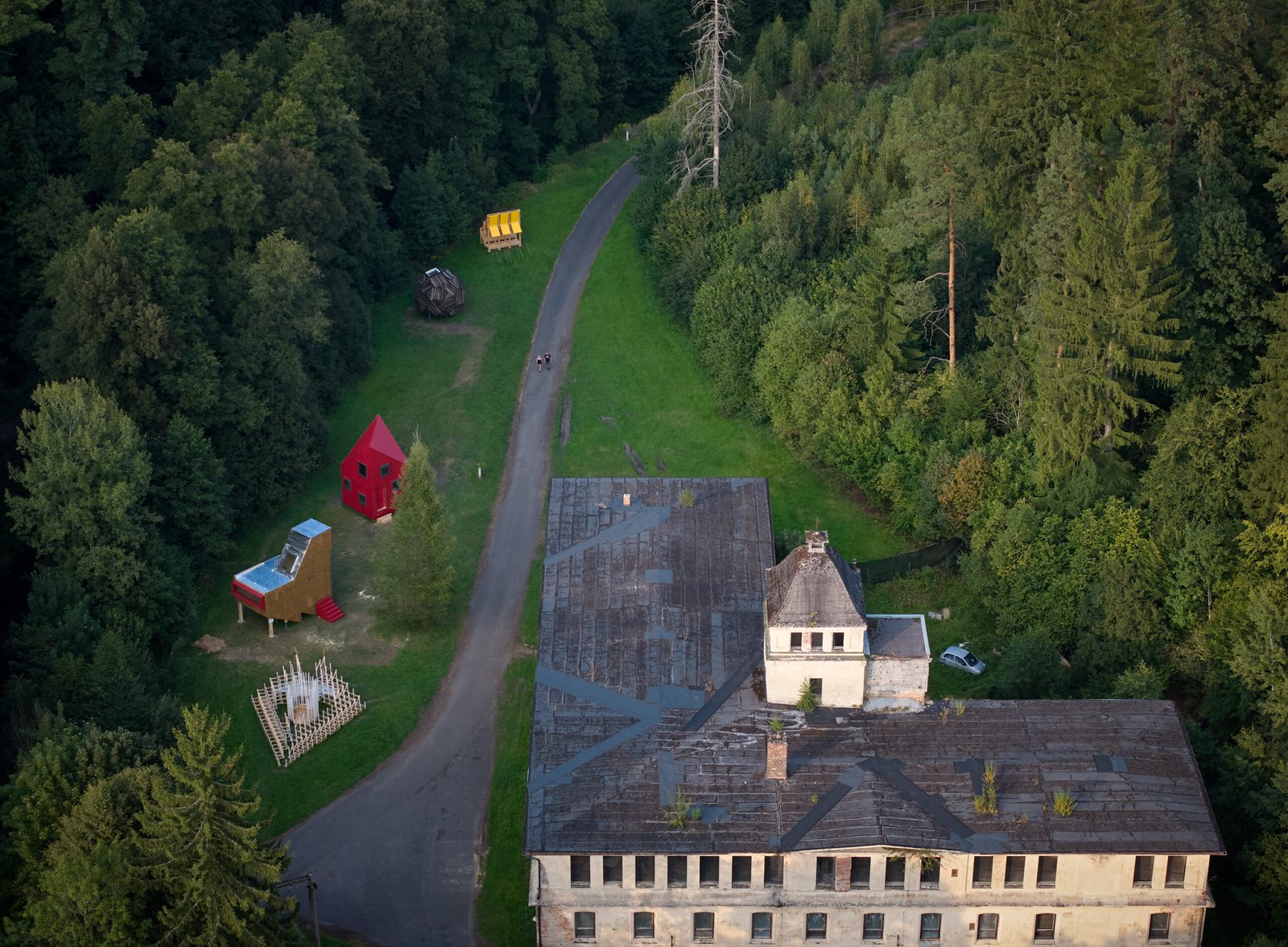
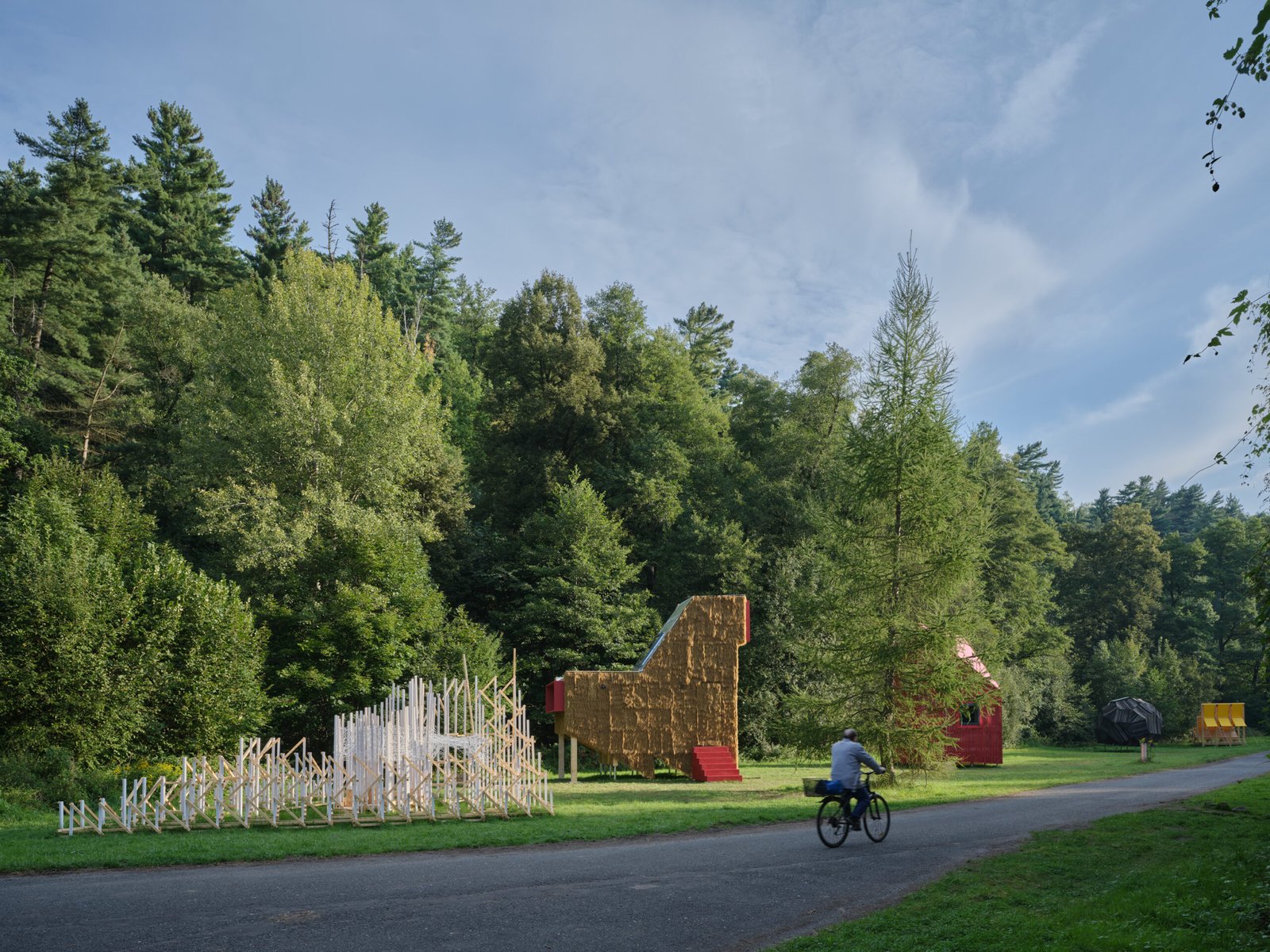
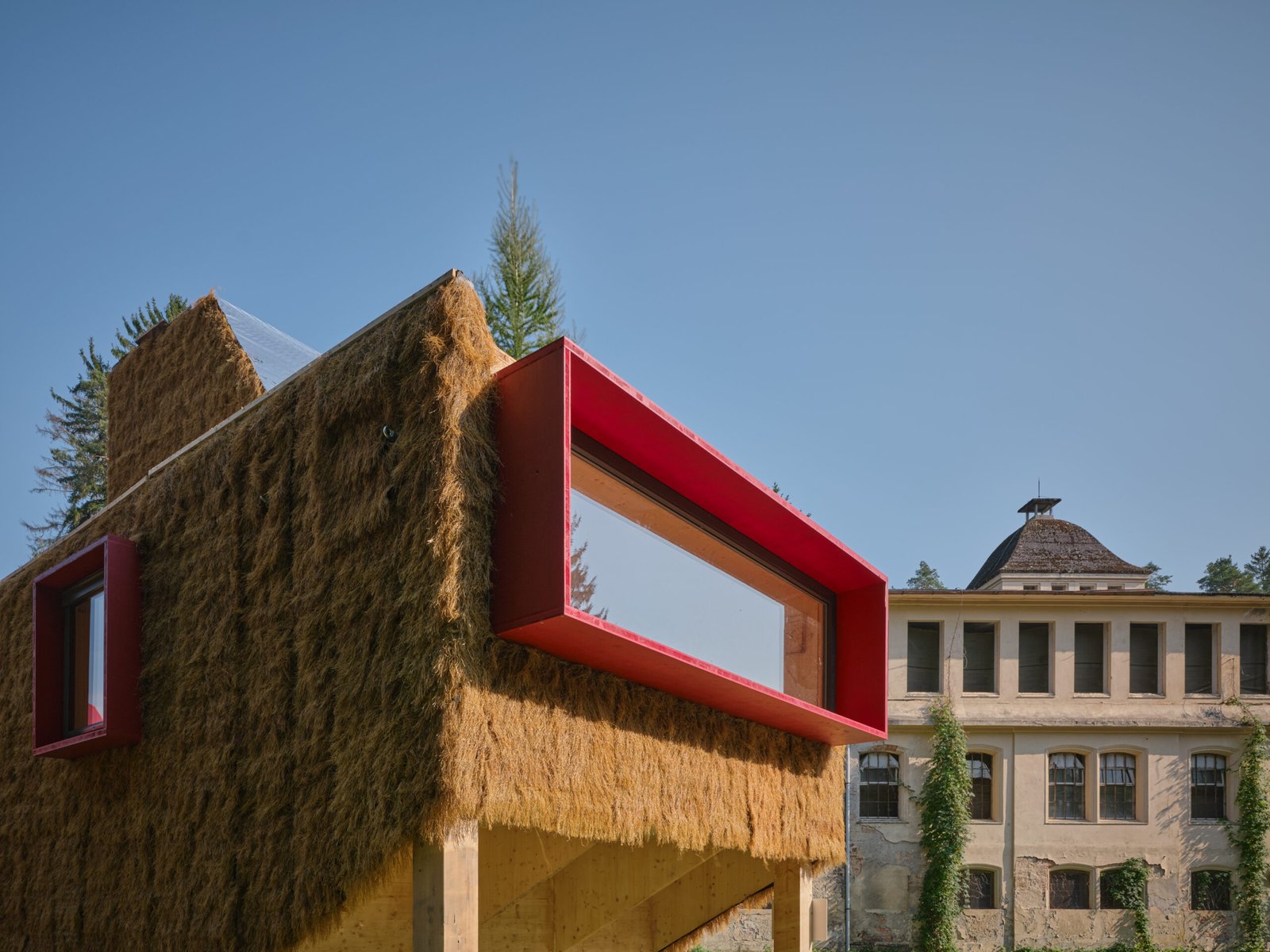
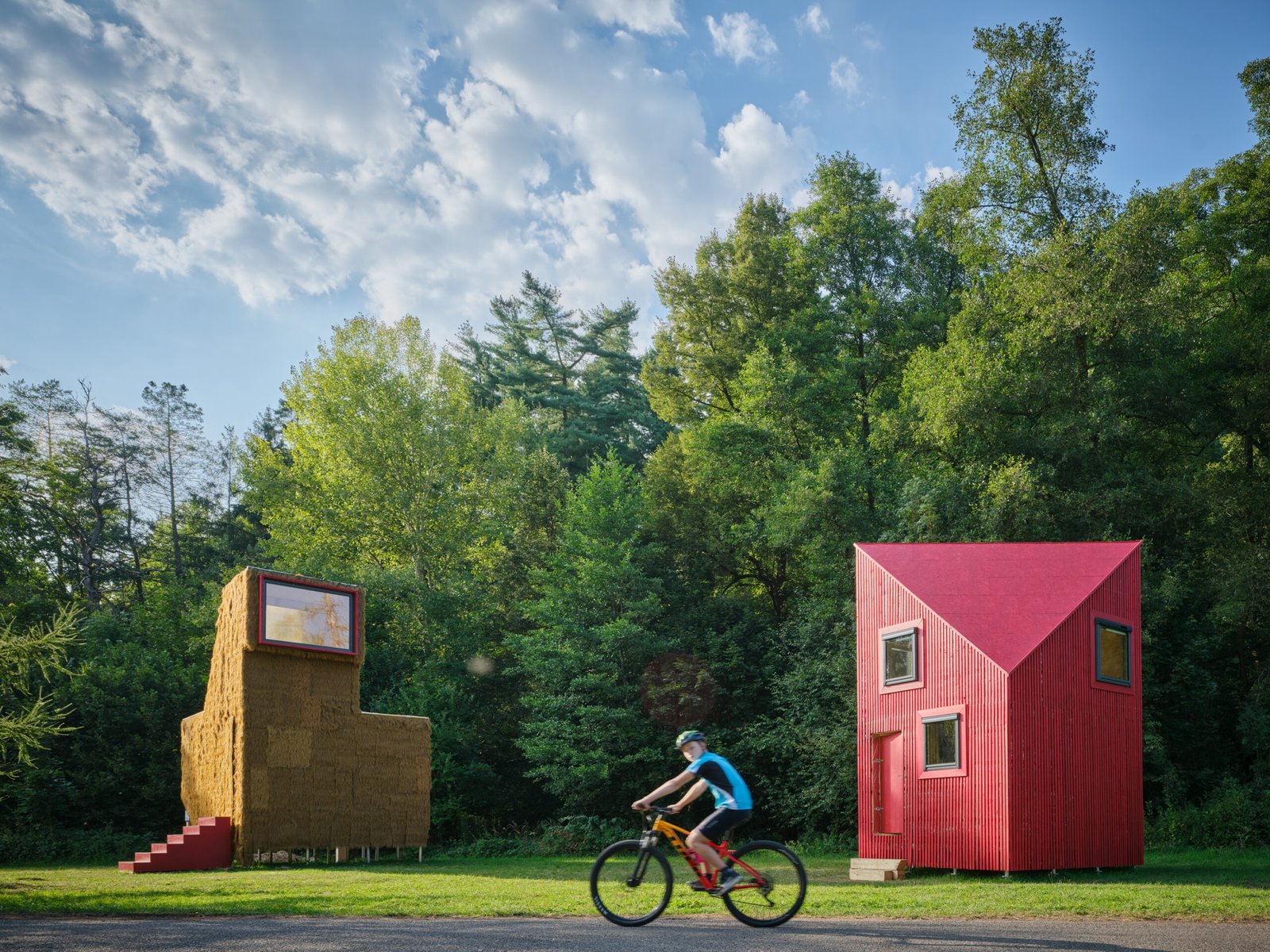
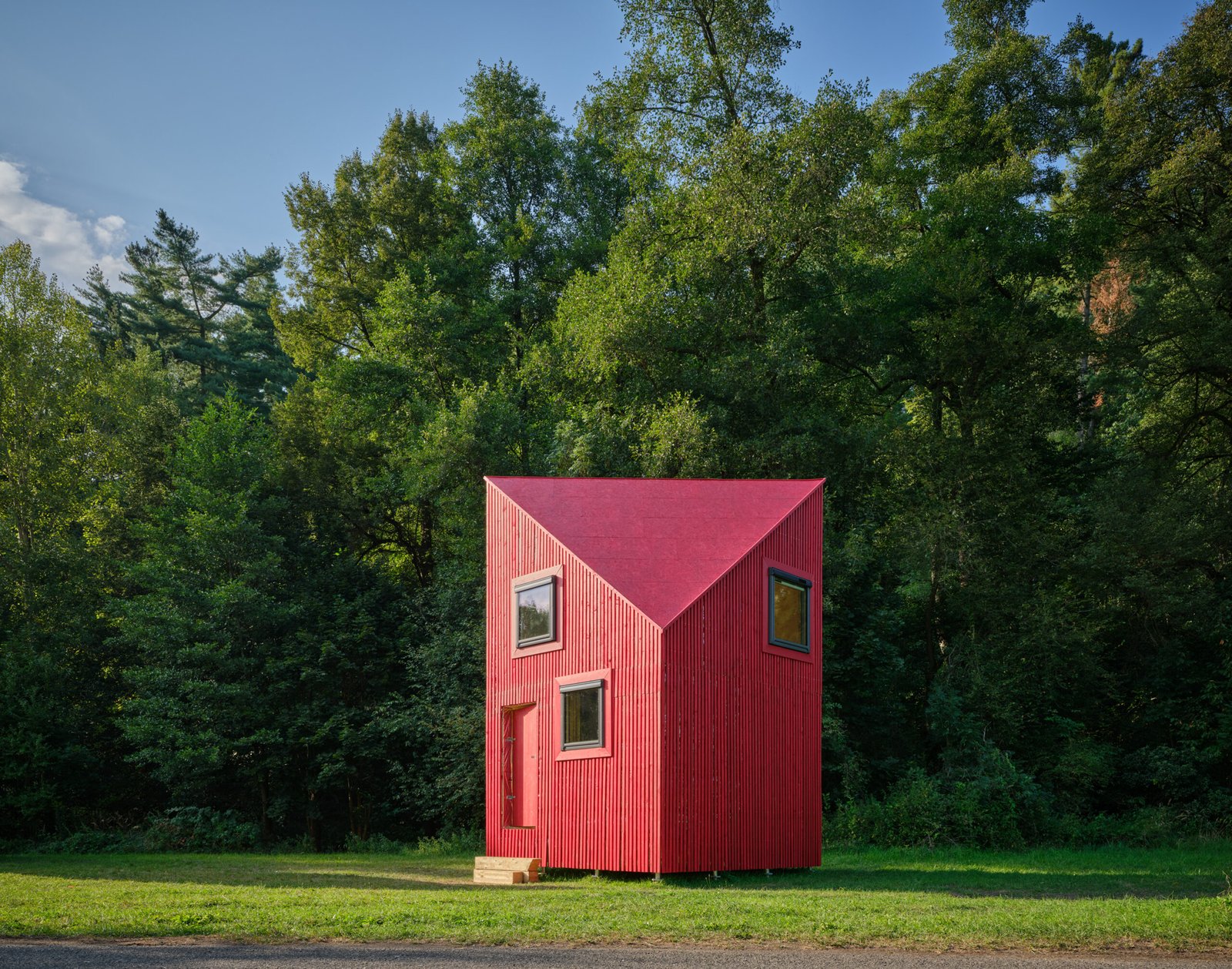
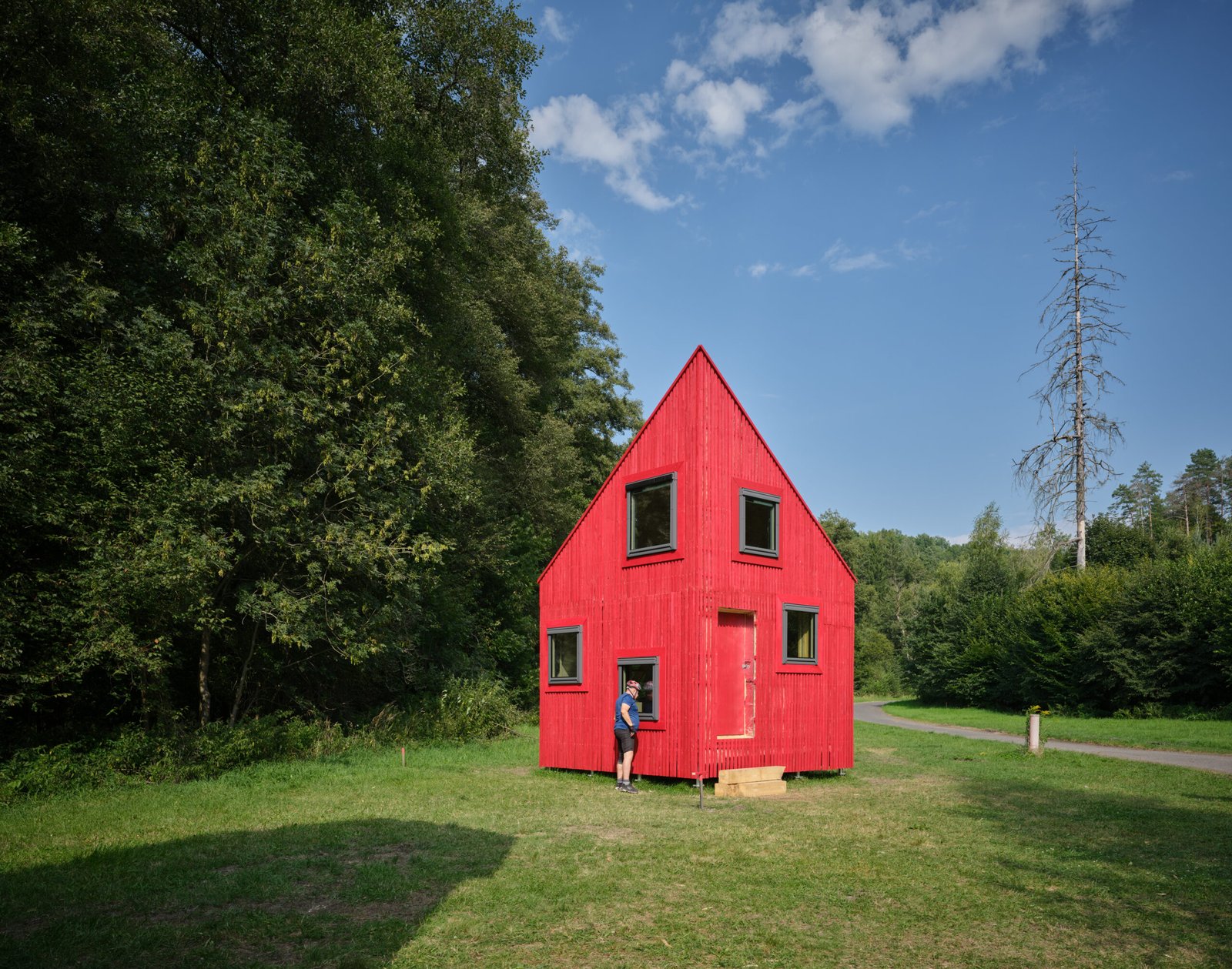
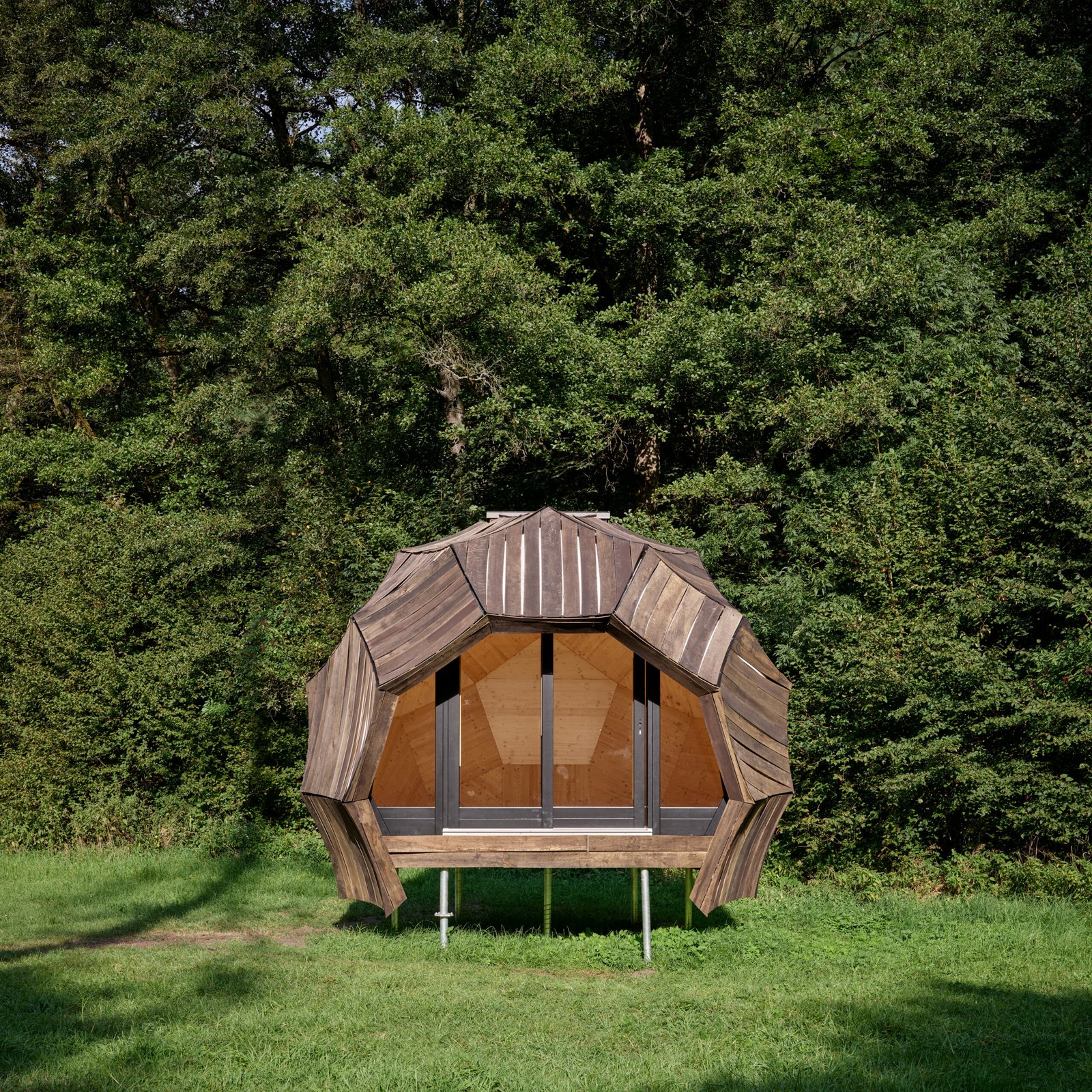
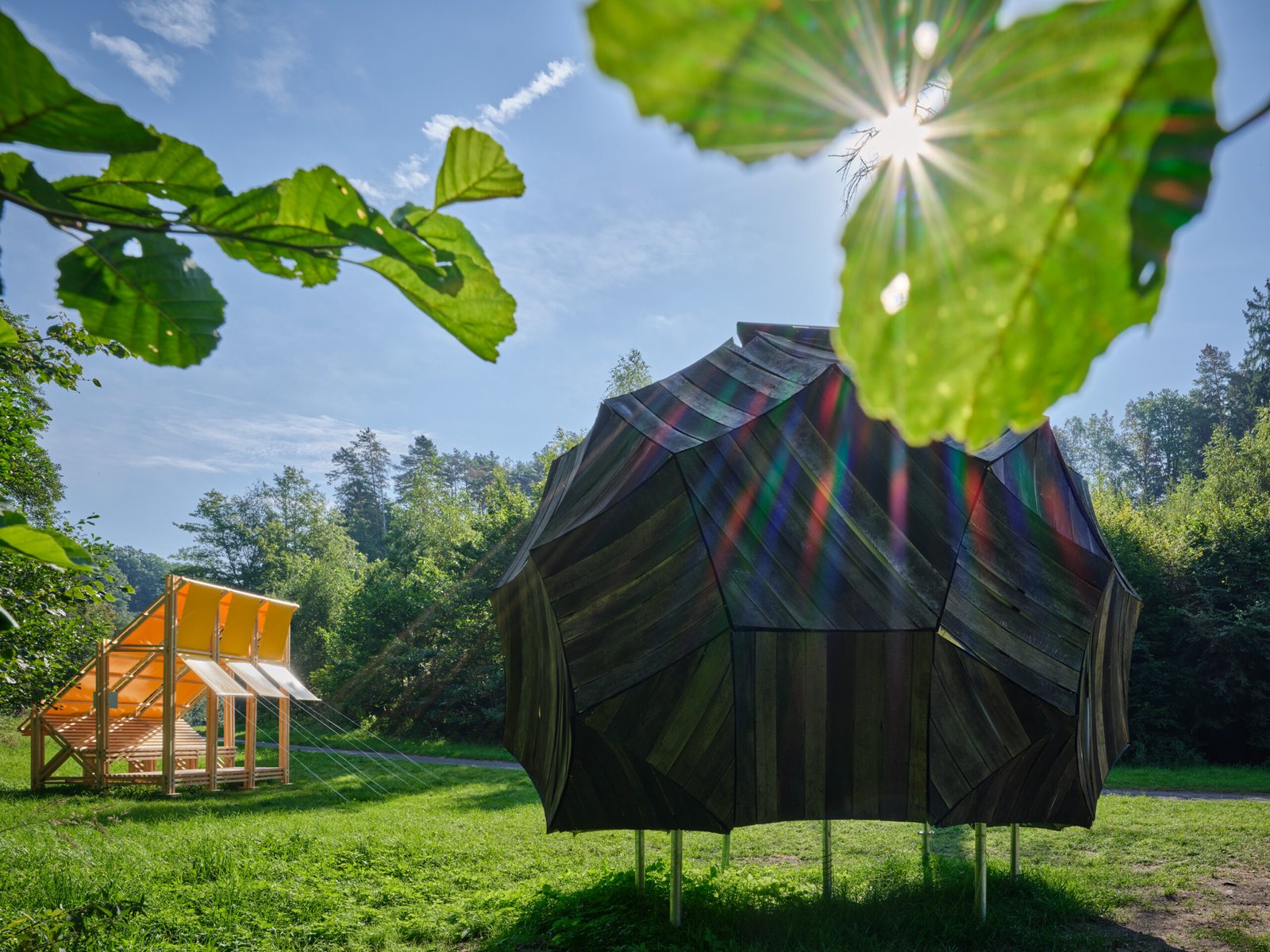
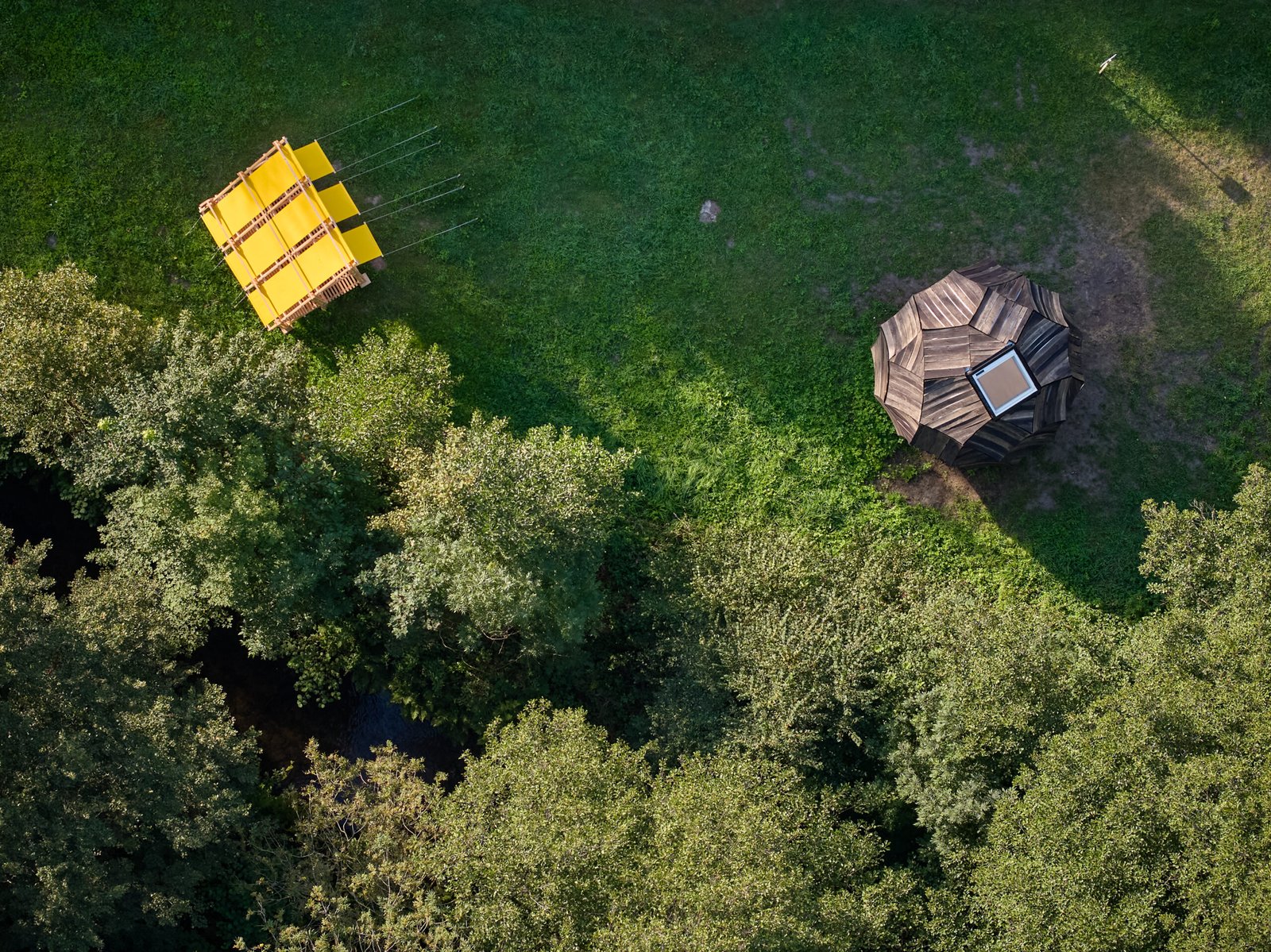
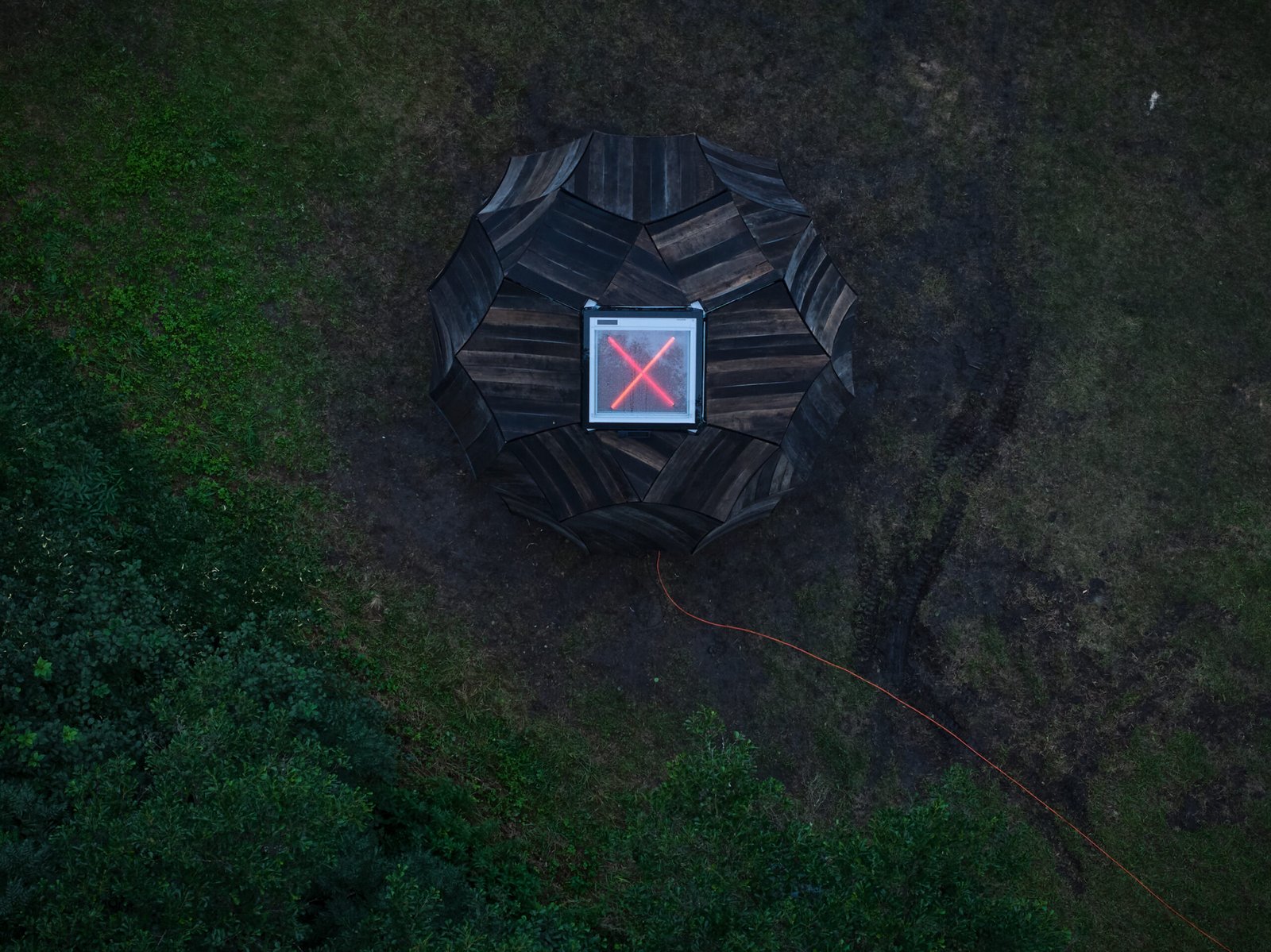
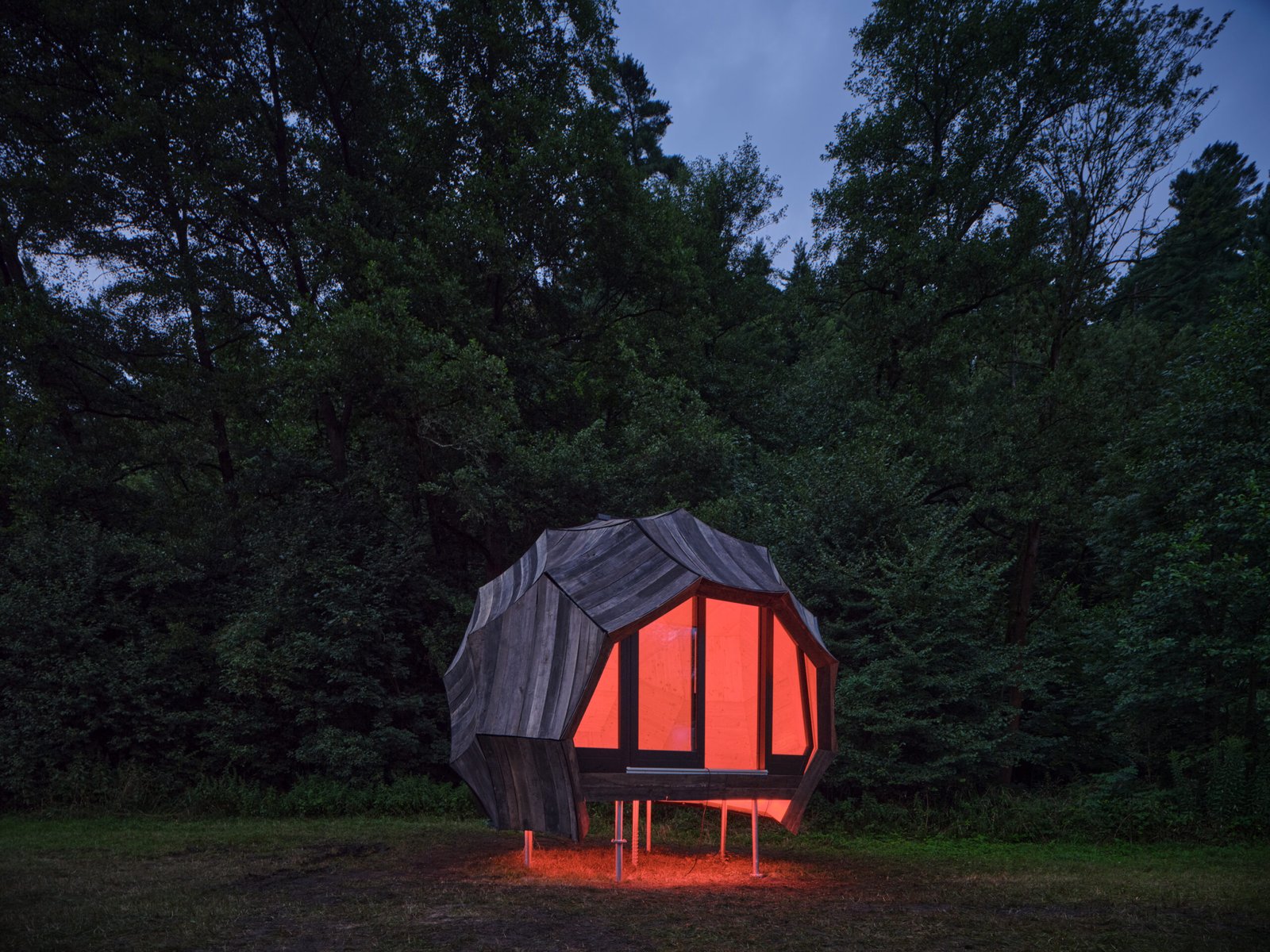
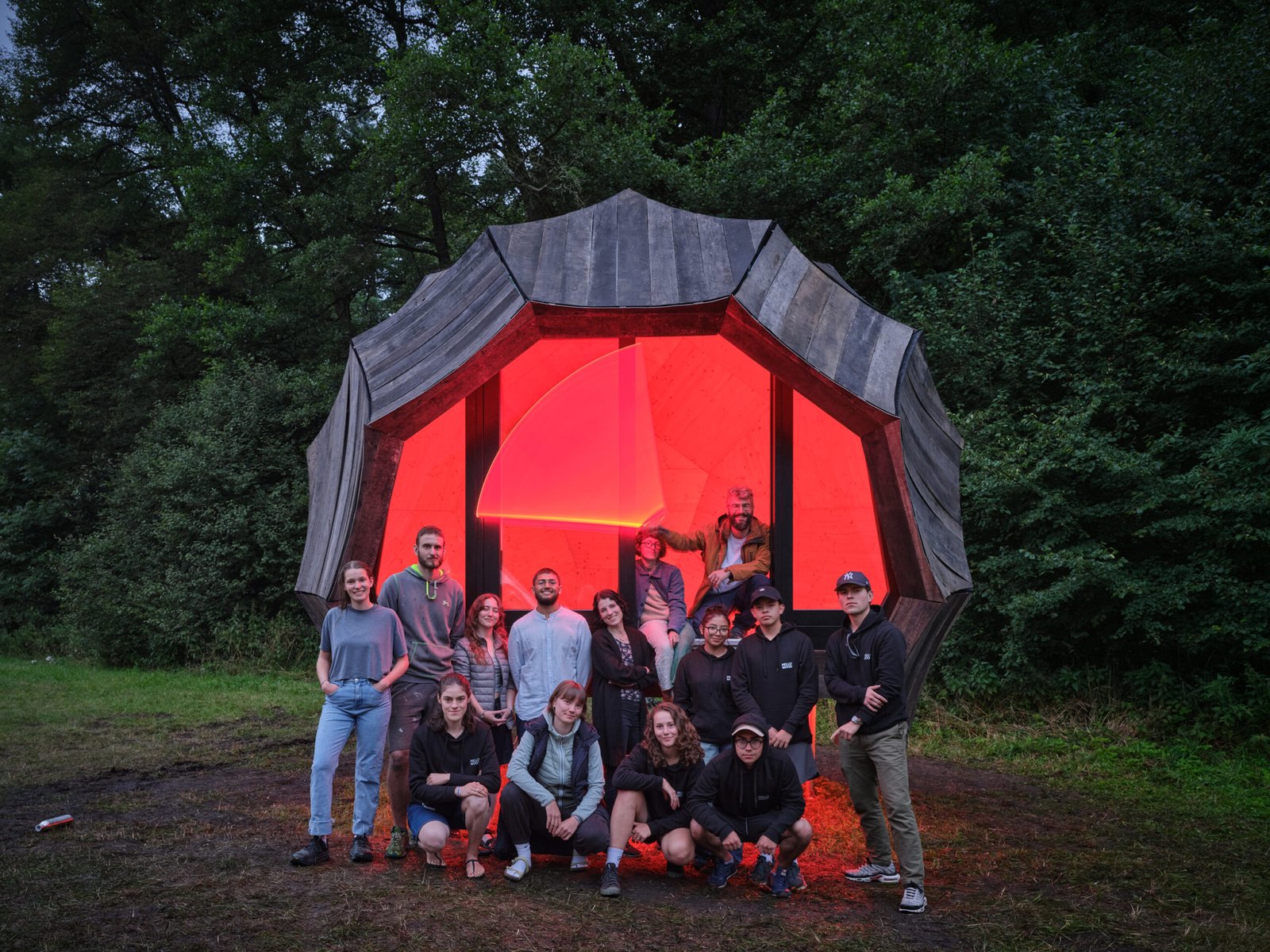
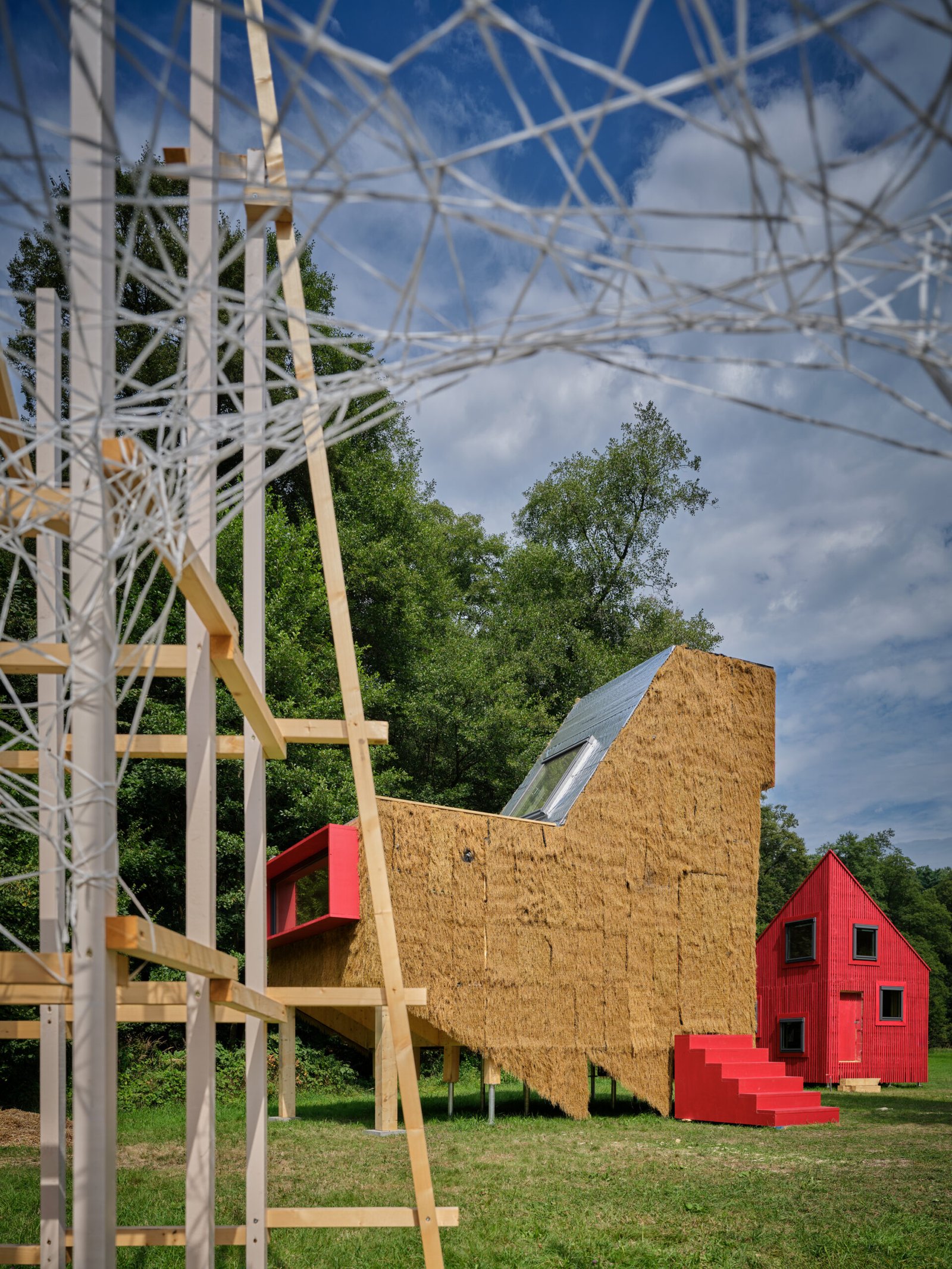
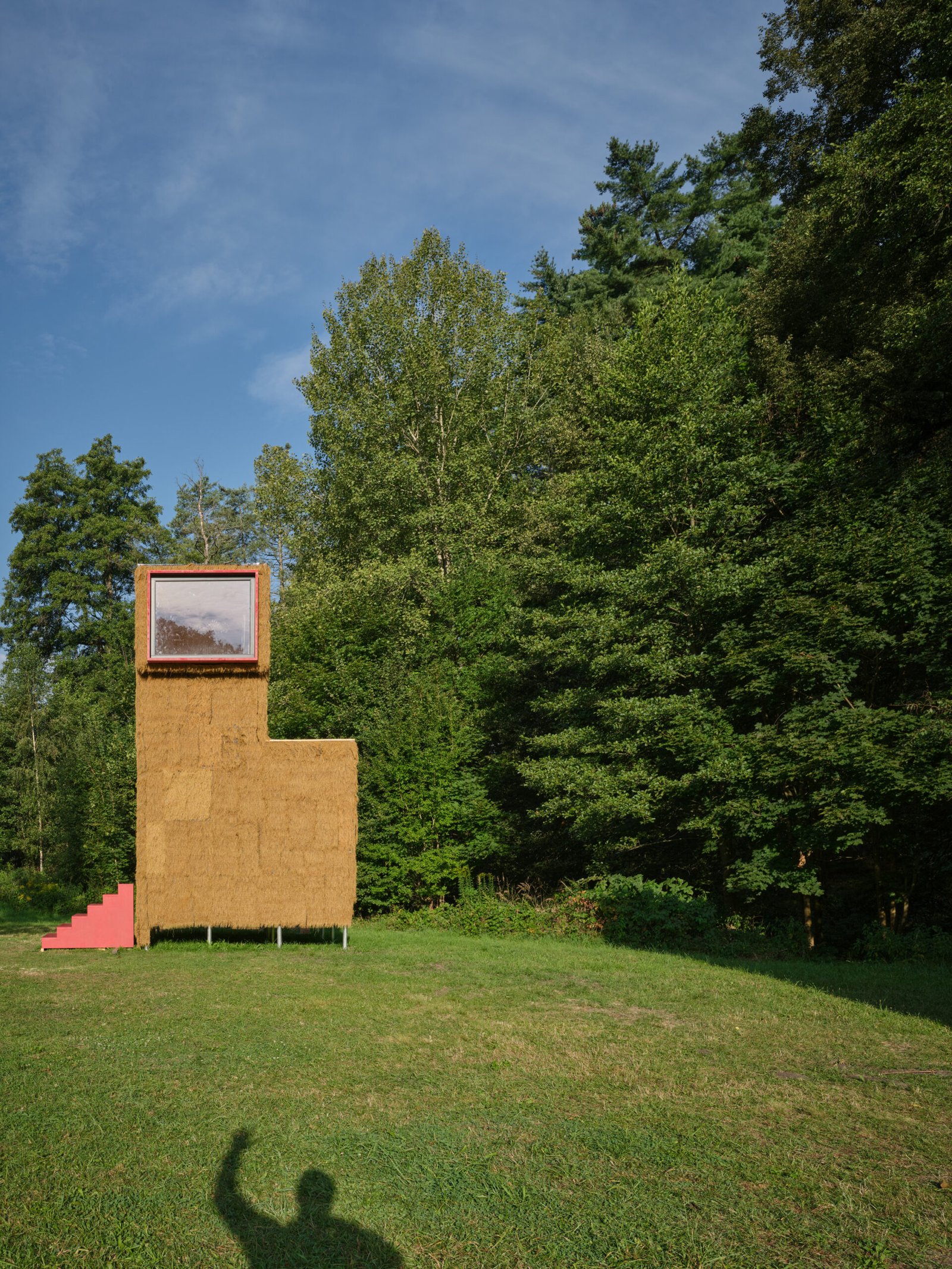
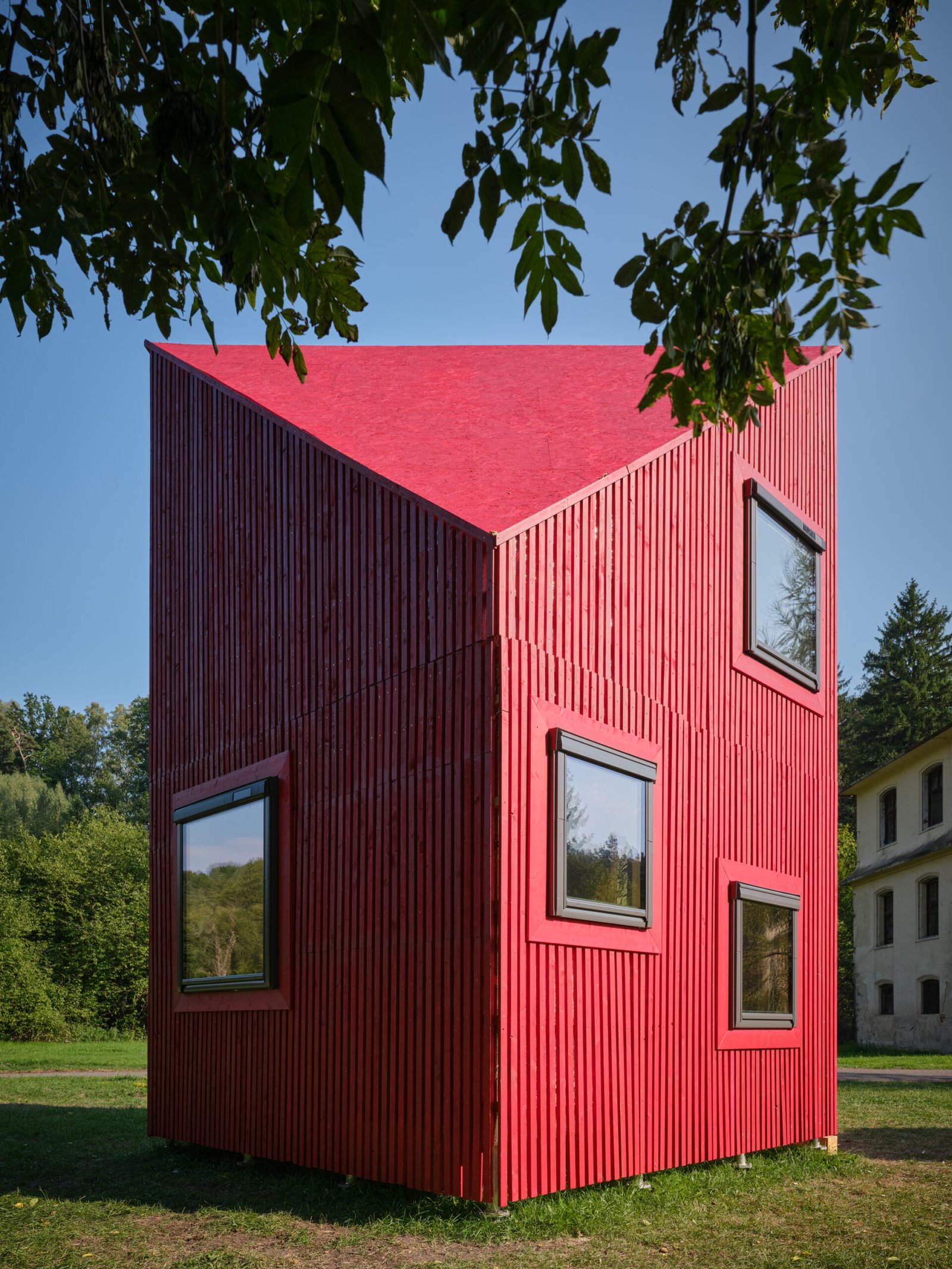
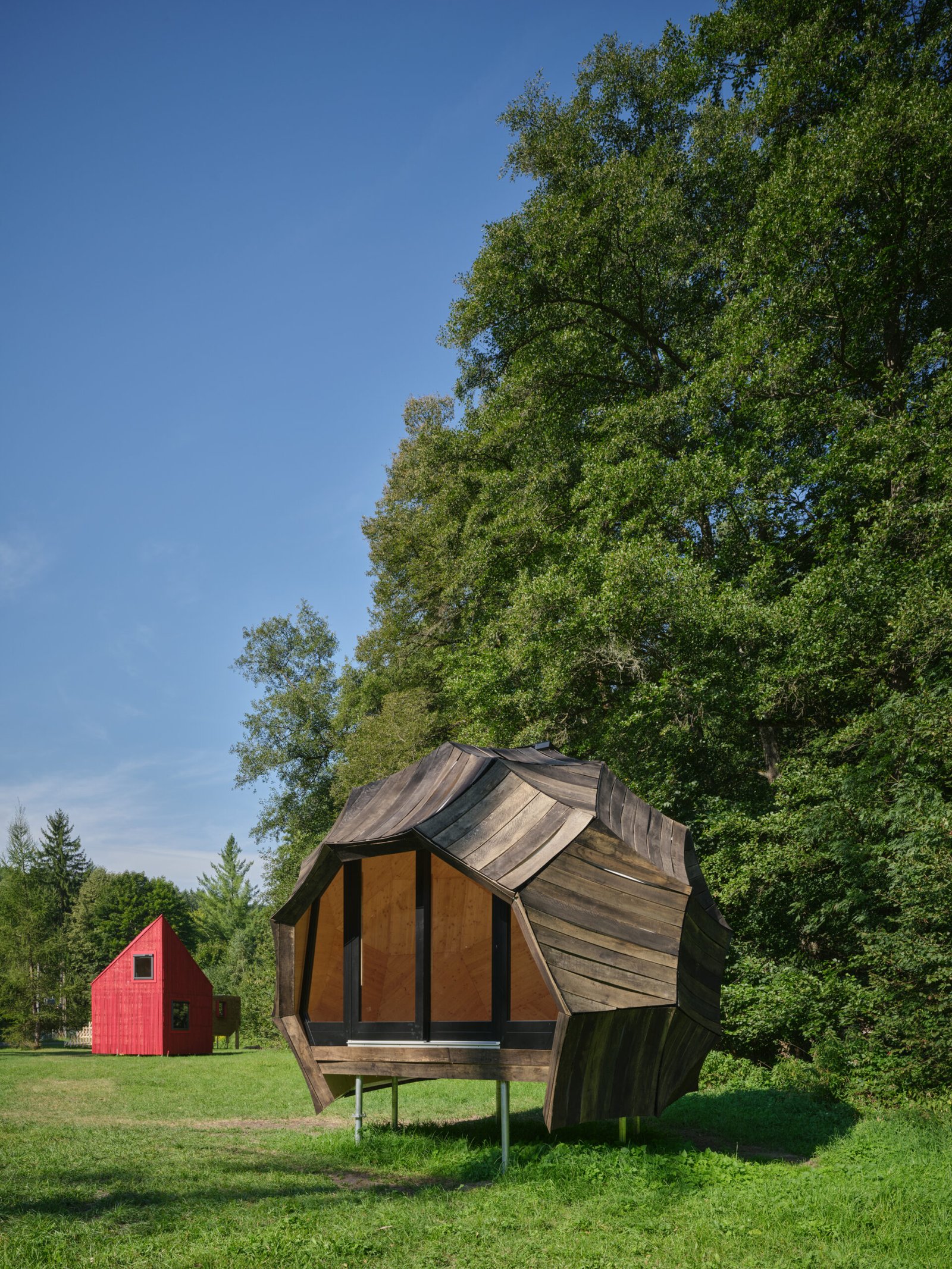
Cabin Fever is an international summer school and festival launched by the Hungarian architecture studio Hello Wood, known for its design-build approach and community-focused, sustainable projects. Since its founding in 2010, Hello Wood has become a global platform merging hands-on education with socially engaged architecture. The 2025 edition, powered by VELUX, explored how light and space shape human experience – placing presence, intimacy, and connection at the center of architecture. This dialogue with VELUX reflects a shared conviction: that the future of building lies in responsibility – in creating spaces with care, with awareness, and with light – offering meaningful alternatives in an overstimulated world.
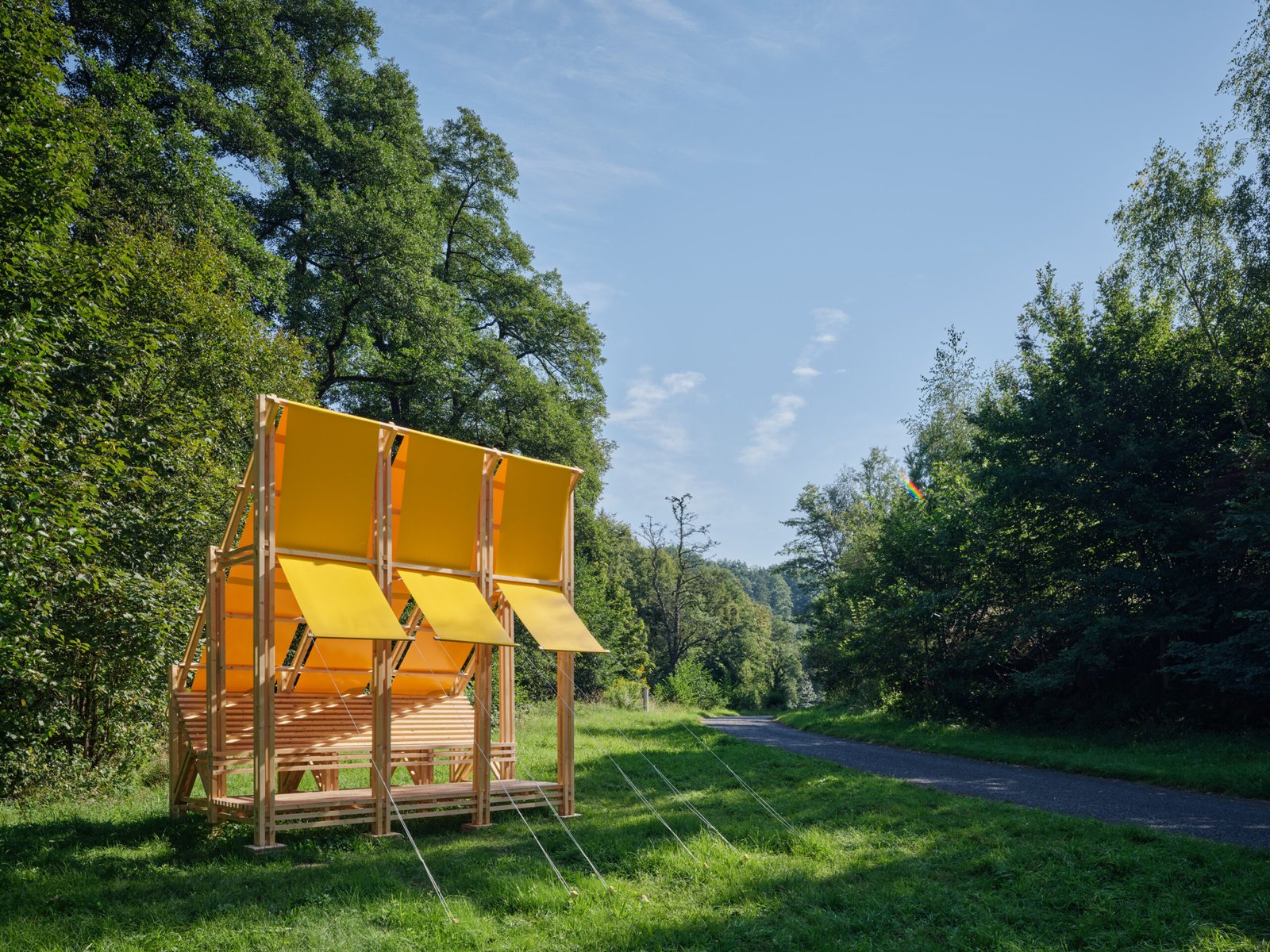
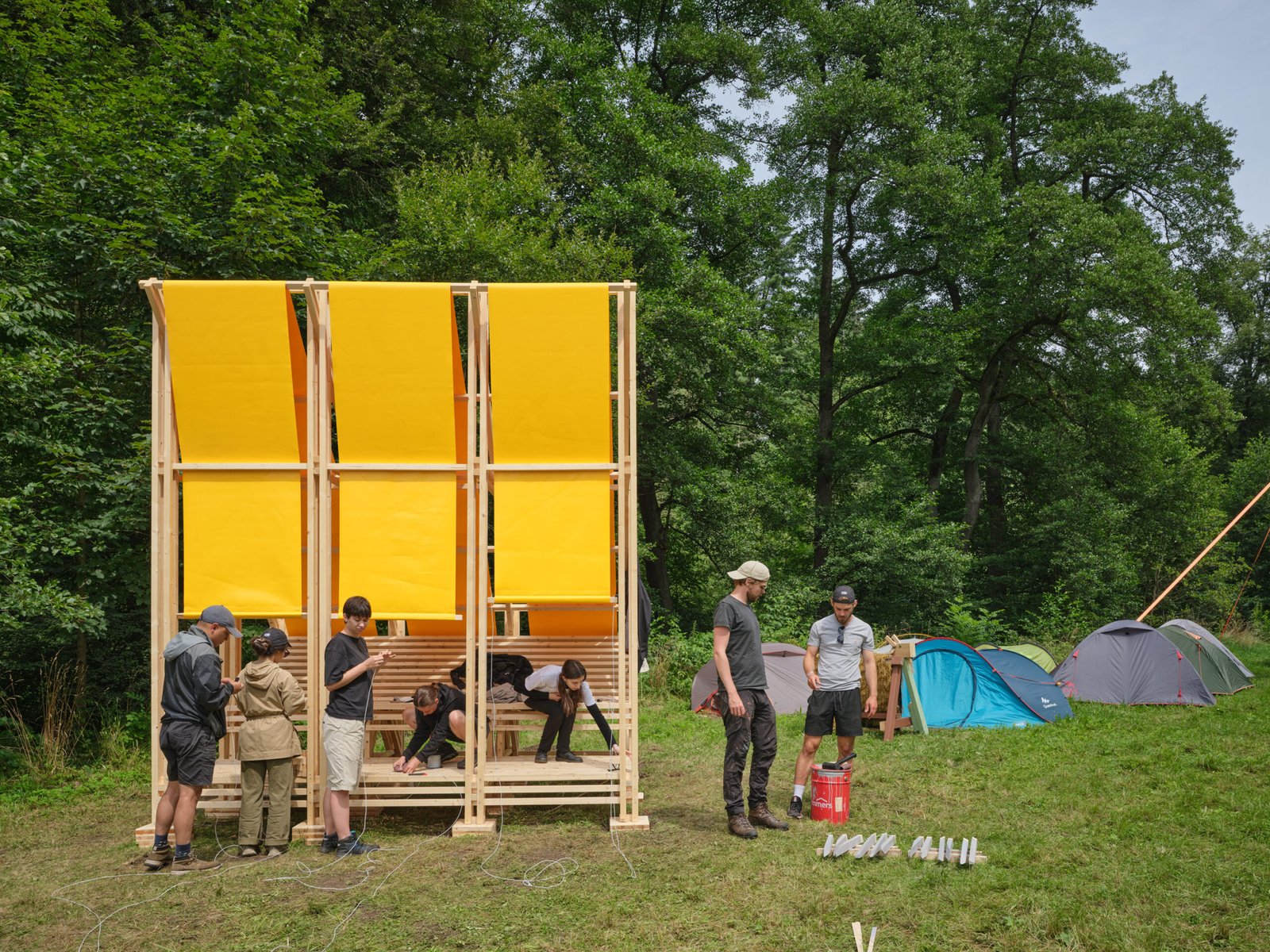
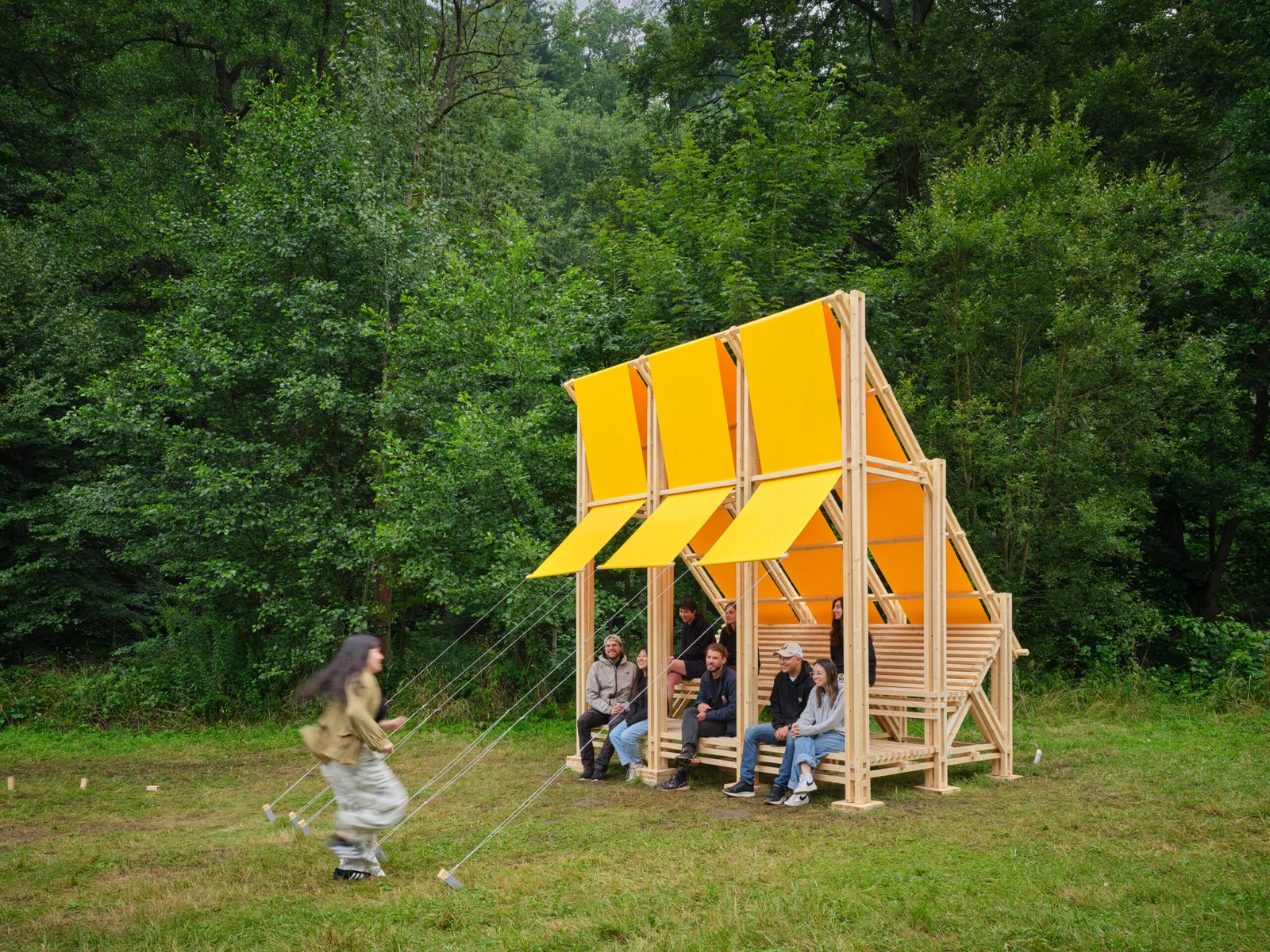
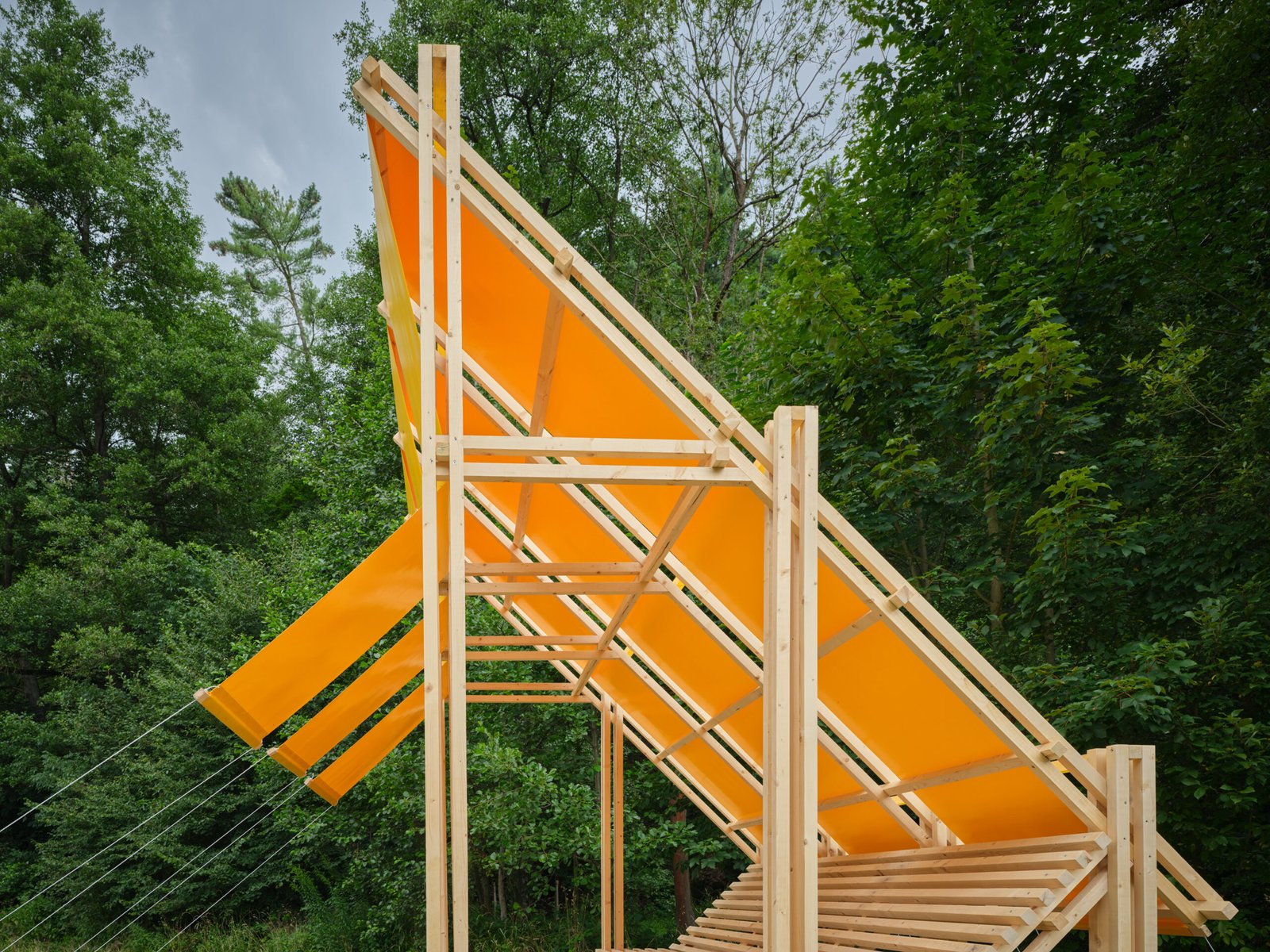
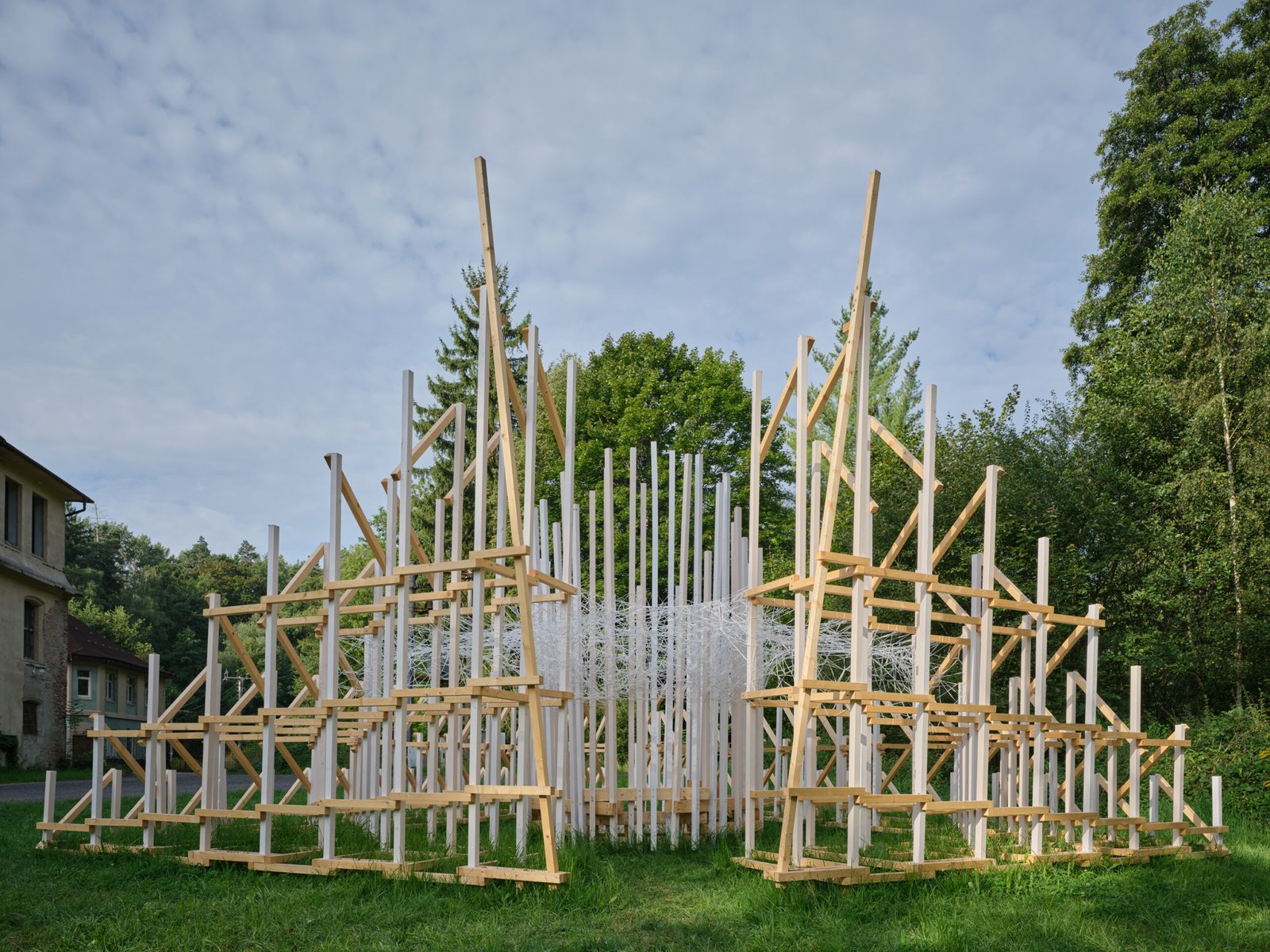
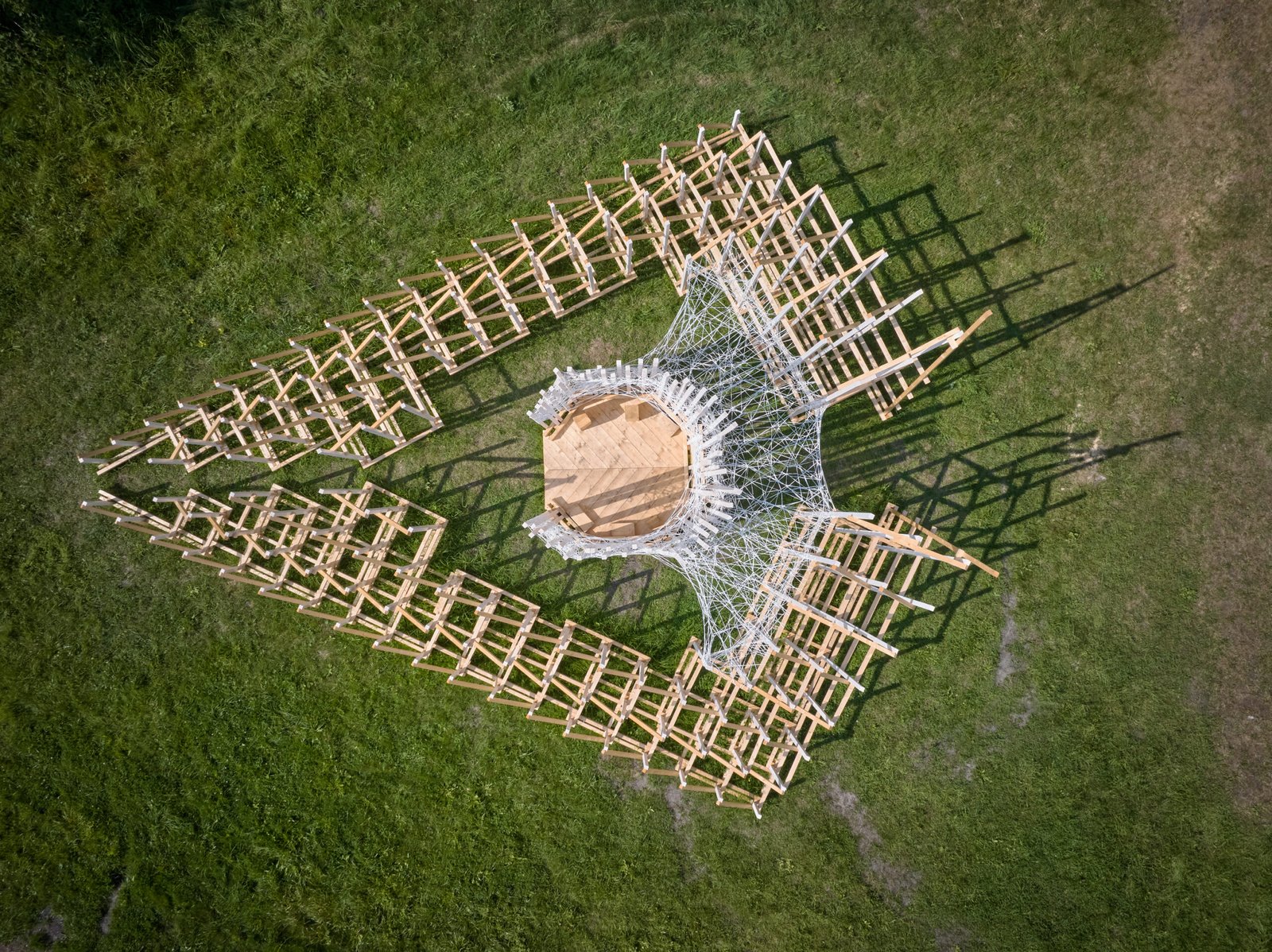
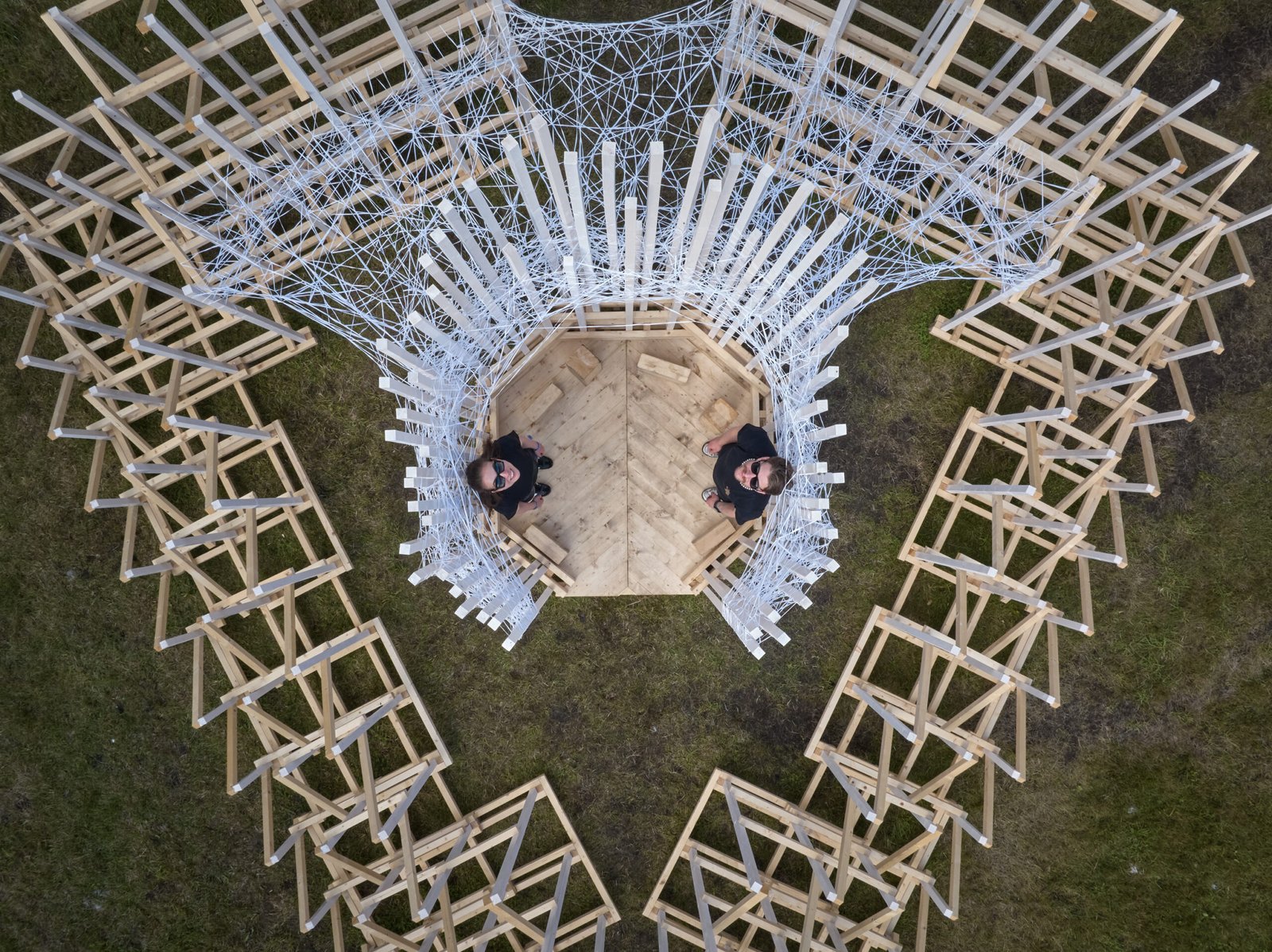
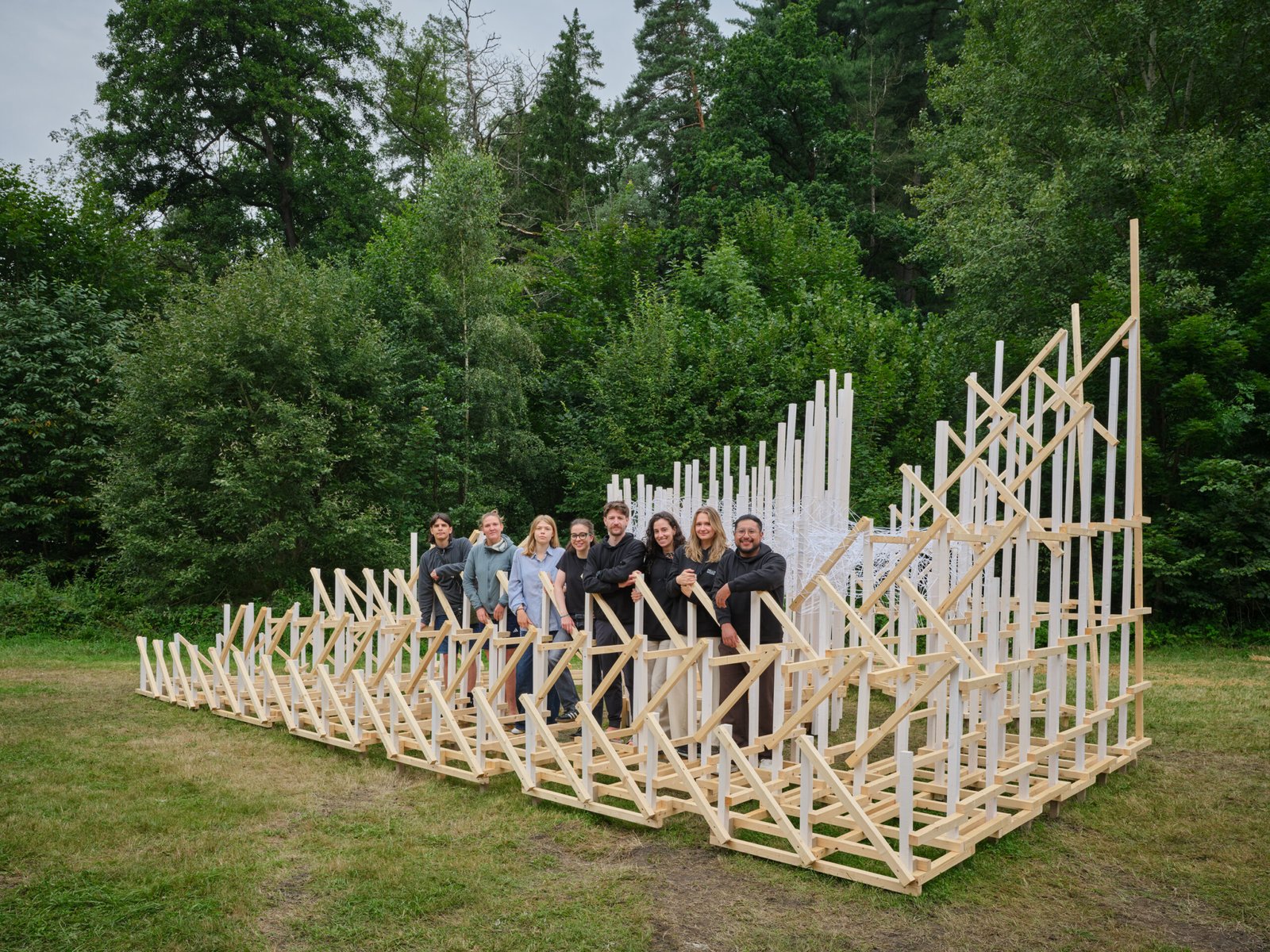
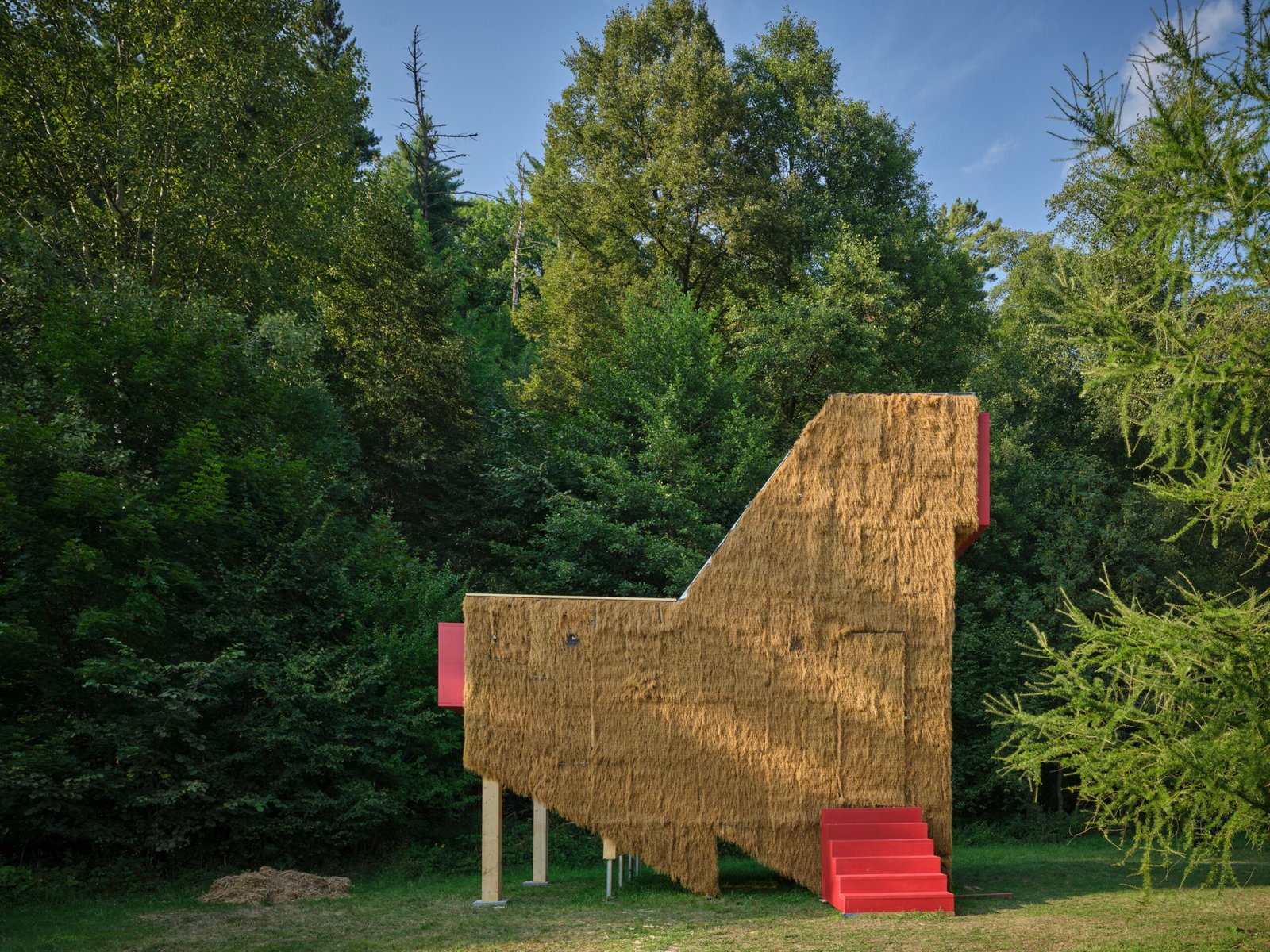
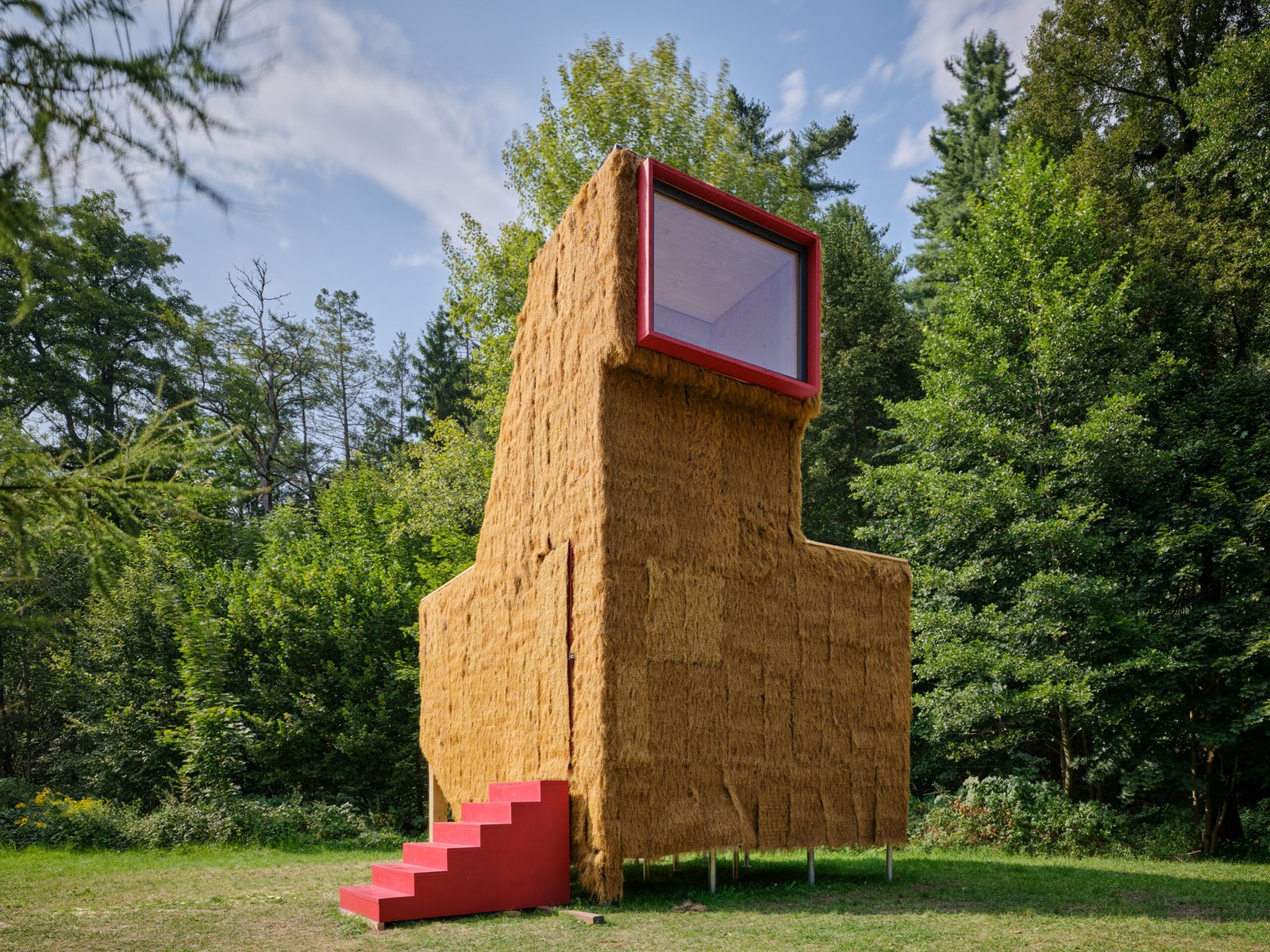
From July 23 – 31, 2025, the festival took place in Česká Kamenice, Czech Republic, on the grounds of a former textile factory and wartime labor camp – a place that embodies both the weight of memory and the potential for transformation. Under the theme ‘Quality Time – Connection to Each Other’, participants were invited to explore how design can strengthen our relationships with each other and with the places we inhabit. Students and emerging designers from around the globe worked alongside acclaimed studios such as Arthur Mamou-Mani (UK), Geoffrey Eberle / Entropic (ES), Mjölk architekti (CZ), and Hello Wood (HU) to design and build cabins and temporary installations. Three winning proposals from an international open call for installations were also realized on site.
How Hello Wood arrived in Česká Kamenice
Hello Wood’s journey to Česká Kamenice began in Csóromfölde, a nearly abandoned rural site in Hungary. Once the grounds of a noble estate, the village was emptied during World War II and left to decay. Through their three-year-long Project Village programme, Hello Wood brought together students, professors, and architectural studios from around the world to explore how design and building could breathe new life into depopulated rural areas.
After similar international programmes in Argentina and San Francisco, the studio sought a new European location where their model could continue to evolve a place that could host not only physical structures, but also conversations about the deeper role of architecture in society. This vision found a natural ally in VELUX, whose architectural philosophy, centered on the interplay of space, light, and lived experience, and on architecture as a socially engaged practice.
Through a network of Czech architects previously involved in Project Village, particularly Mjölk architekti, who played a key role in building local connections, Hello Wood was introduced to Česká Kamenice. The town’s layered history, natural beauty, and local ambition for revitalization made it the ideal setting for this shared mission.
An open call for architects brought in new collaborators, united under a shared vision: a three-year programme in which Hello Wood returns each summer with an international team of students and professionals to co-create not just buildings, but lasting relationships between architecture, people, and the environment. This is not just a festival or a workshop – it is a growing ecosystem, rooted in cooperation, learning, and the belief that architecture can be a powerful social act.