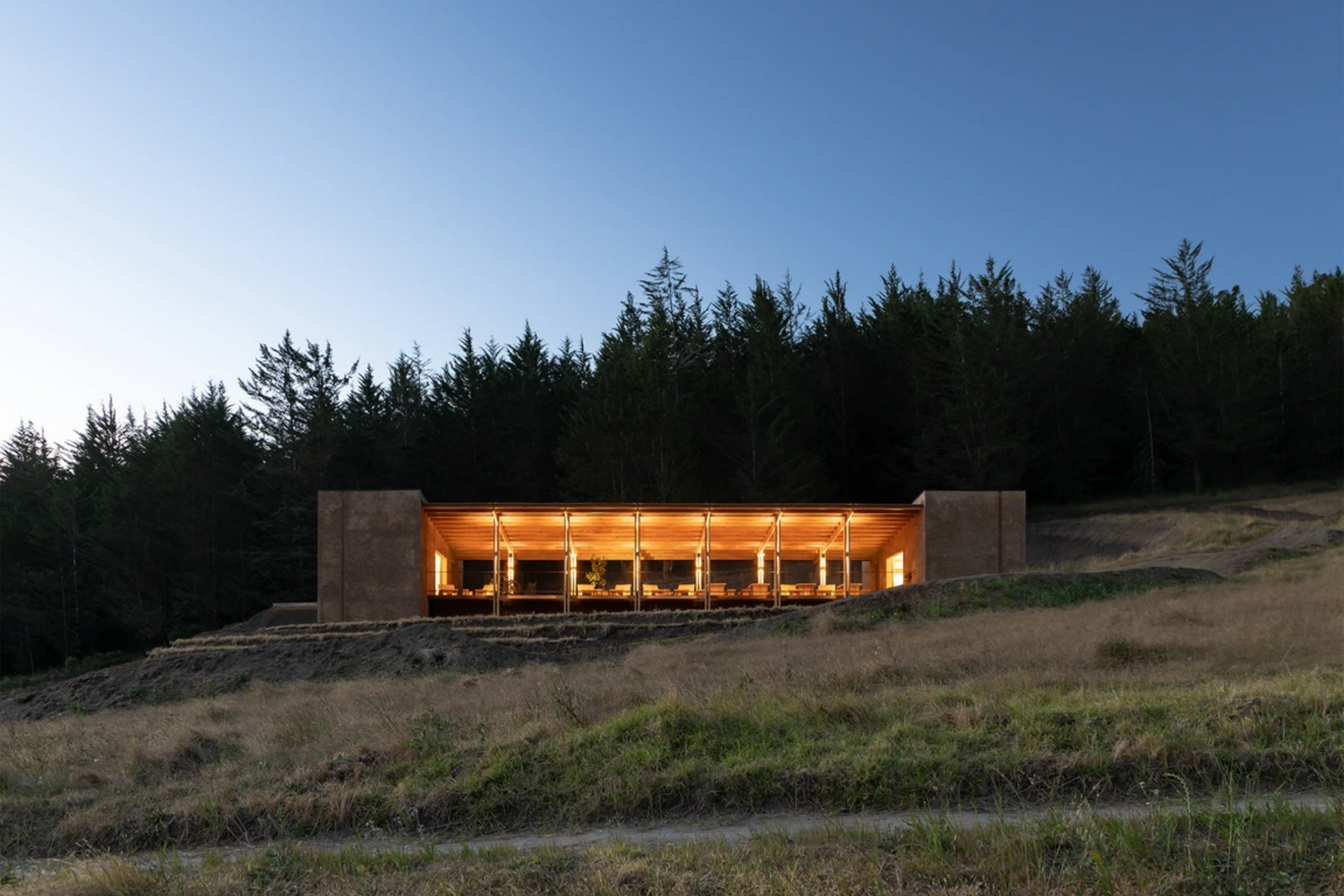
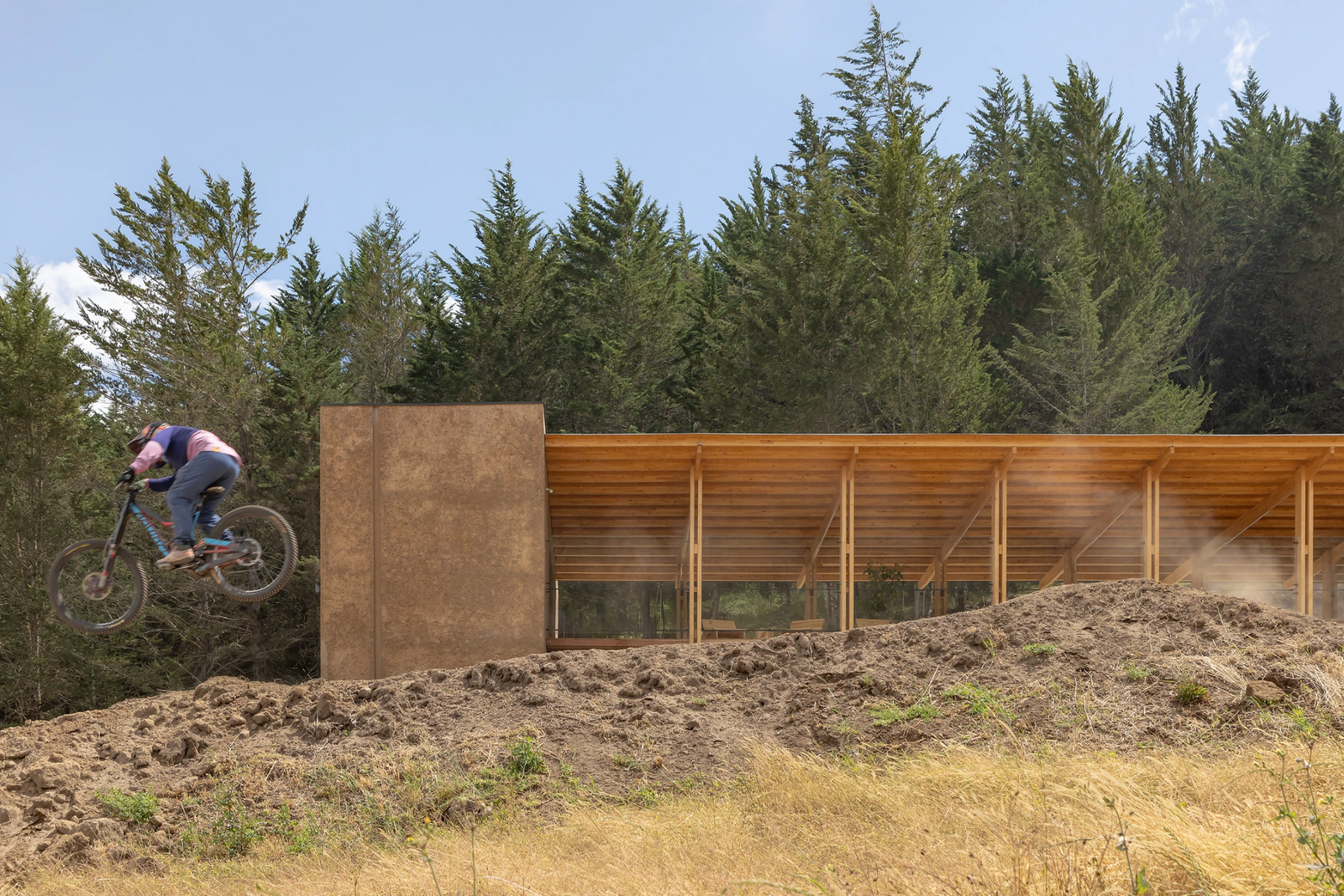
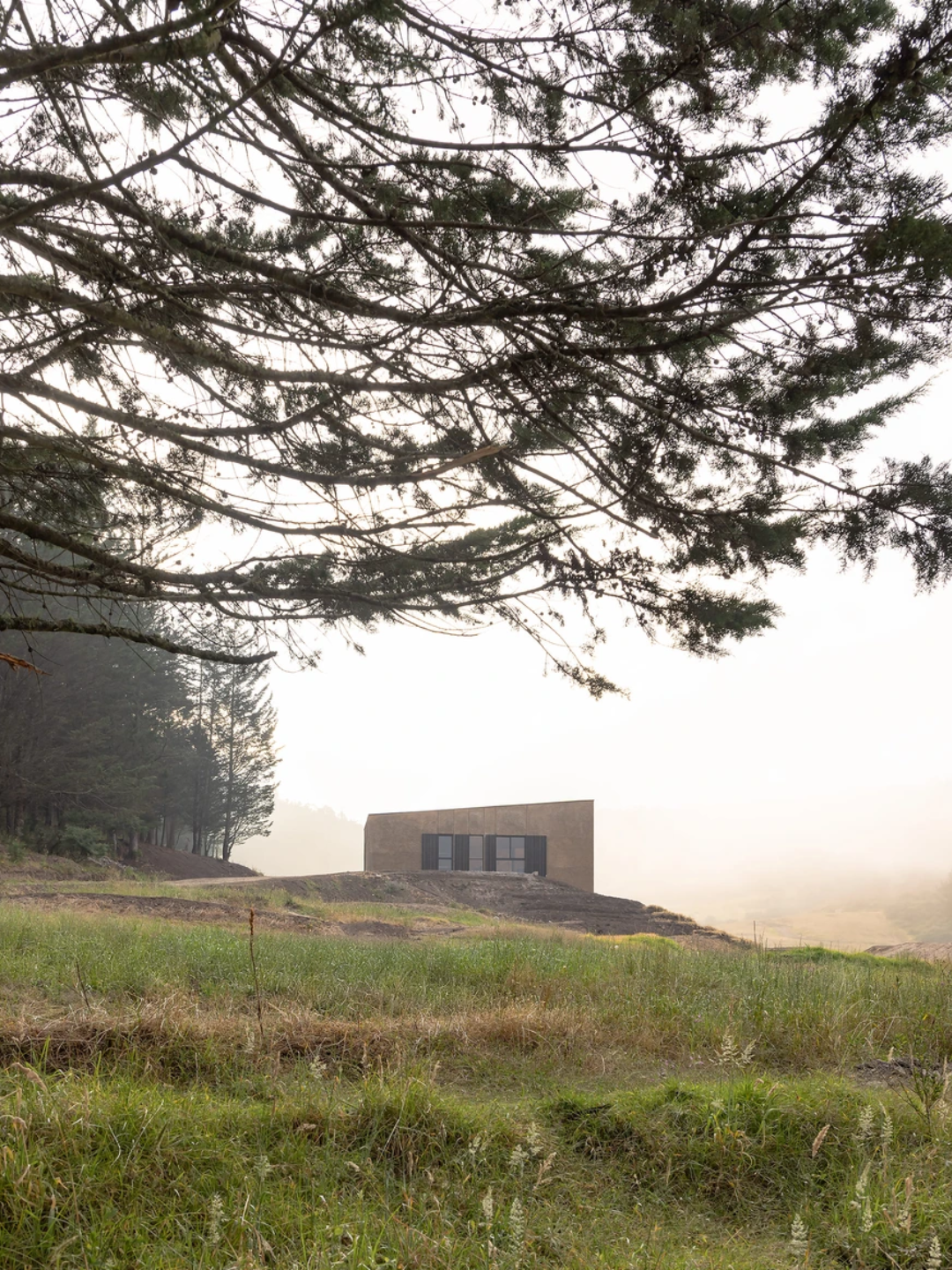
Local architecture practice Urlo Studio has based the design of a concrete-and-wood pavilion for cyclists on ancient Andean lookouts, embedding it in a sloped site outside of Quito, Ecuador. Located in Ascazubi, at the foot of the Pambamarca hill, this project merges seamlessly with the Andean landscape as a space of pause and contemplation for cyclists and visitors. Set within a hacienda surrounded by forests, ravines, seasonal crops, and trails that connect various downhill routes, the refuge emerges as a discreet, almost camouflaged presence that dialogues with both nature and human activity. The design does not seek to stand out but to belong and to echo the vast views and ancestral memory of the land, where the Pucarás still endure.
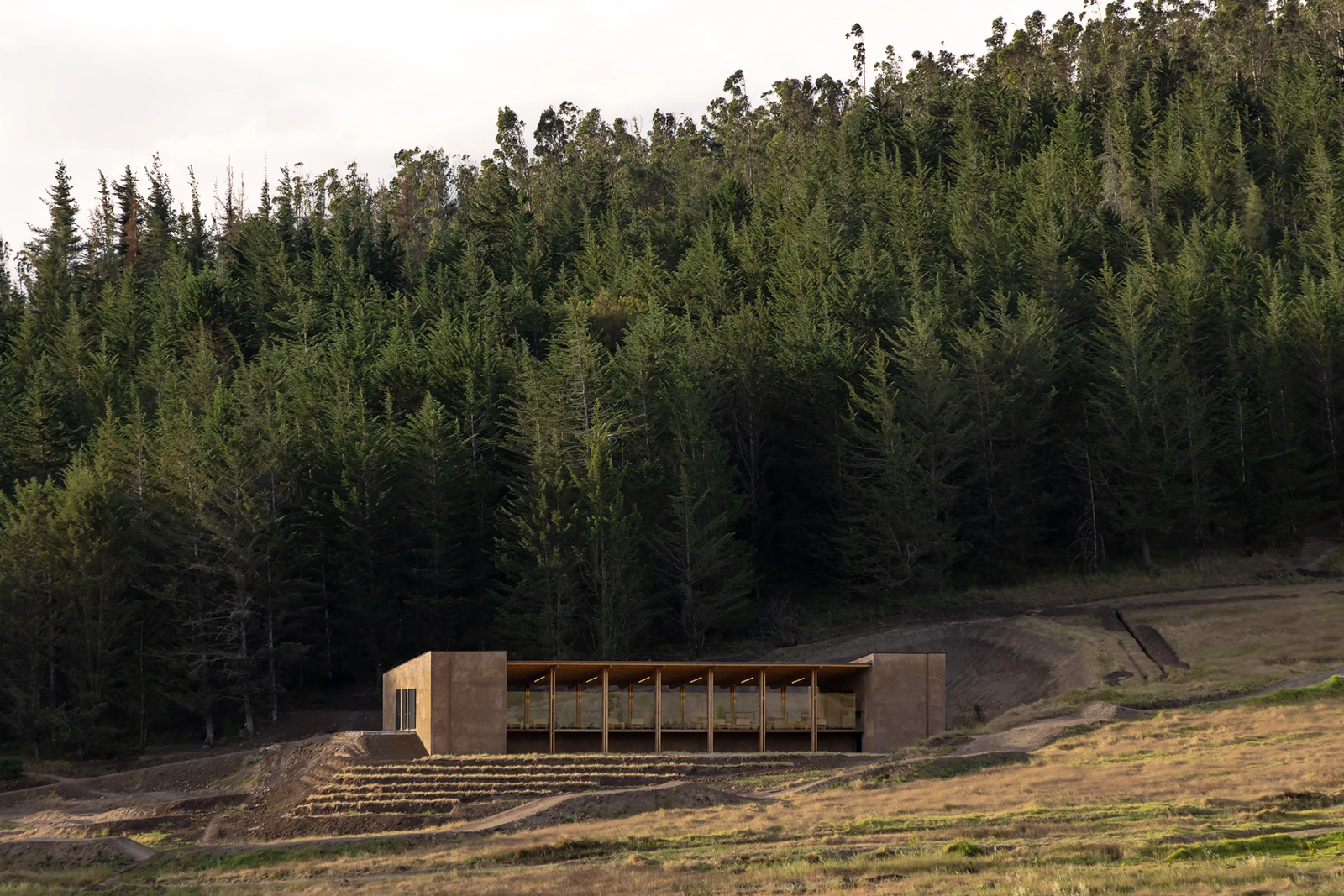
Pamba Bike Refuge is a 900-square-meter (9,675-square-foot) open-air shelter located on Pambamarca Hill in Ascázubi, Ecuador, designed to provide protection from the challenging Andean climate for visitors to the bike park. The pavilion is strategically situated between the terrain and forest, utilizing tinted concrete and a permeable wooden framework to harmonize with its environment, thereby integrating seamlessly into the landscape rather than dominating it. The distinctive concrete elements draw inspiration from the traditional architecture of the surrounding mountainous region.
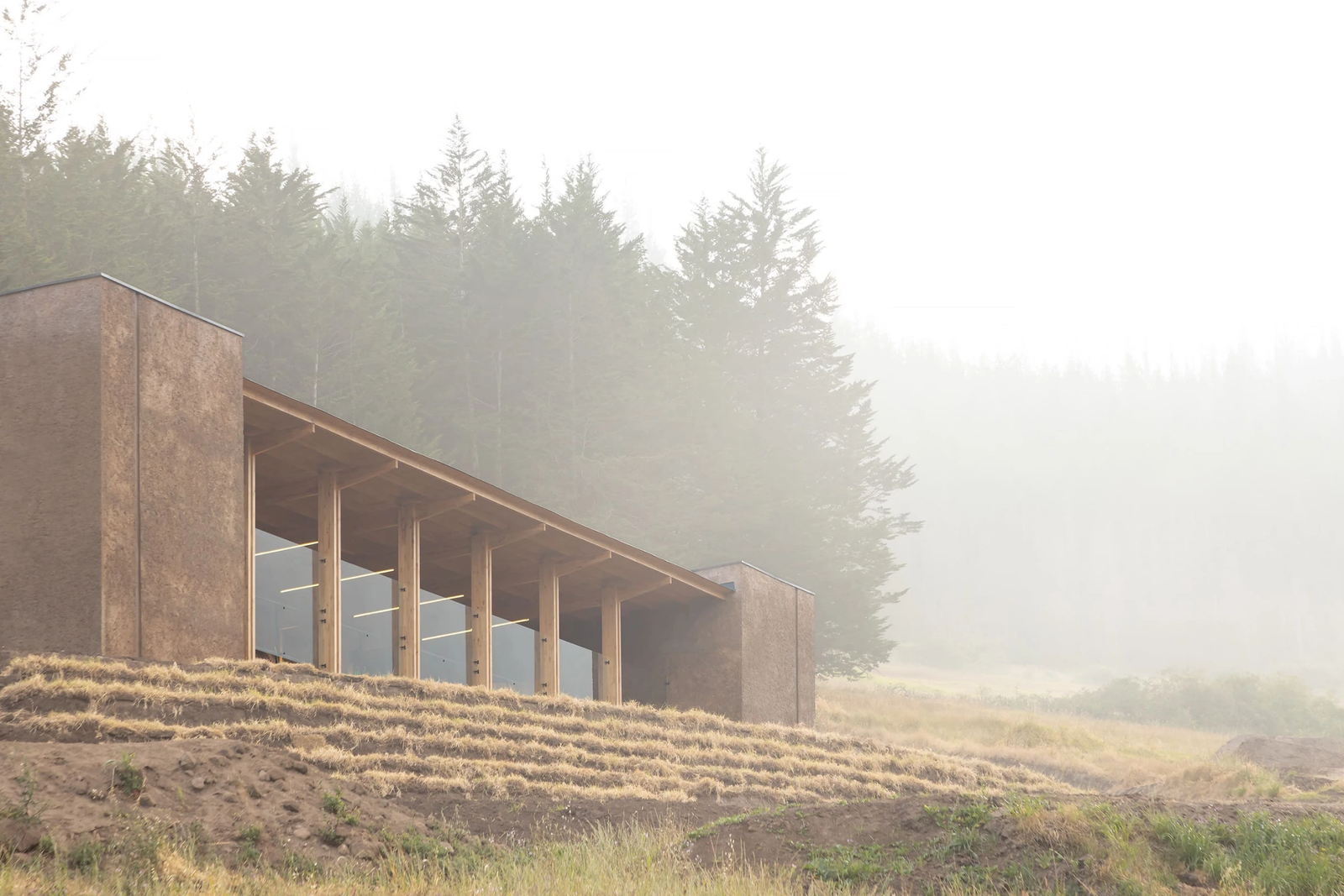
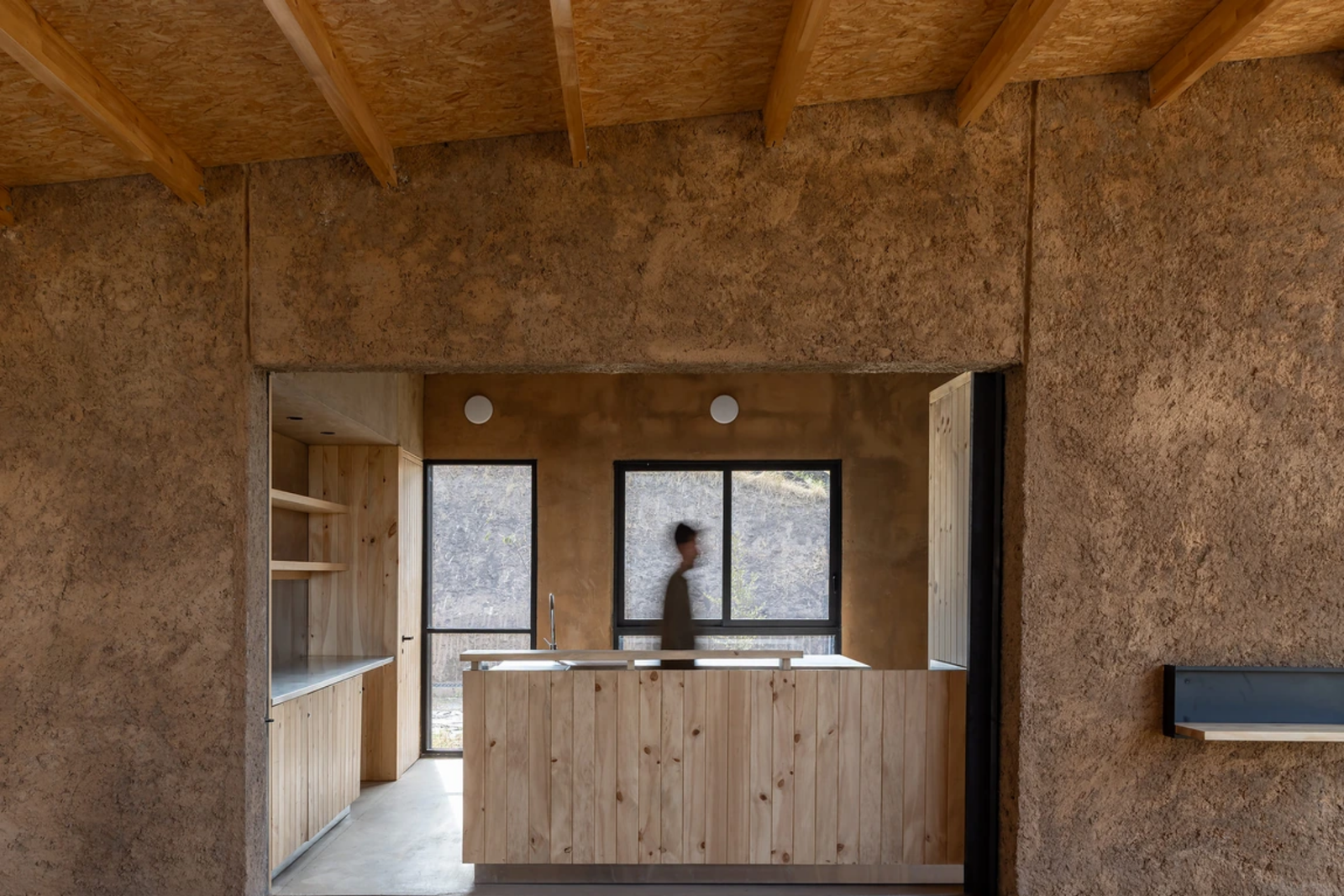
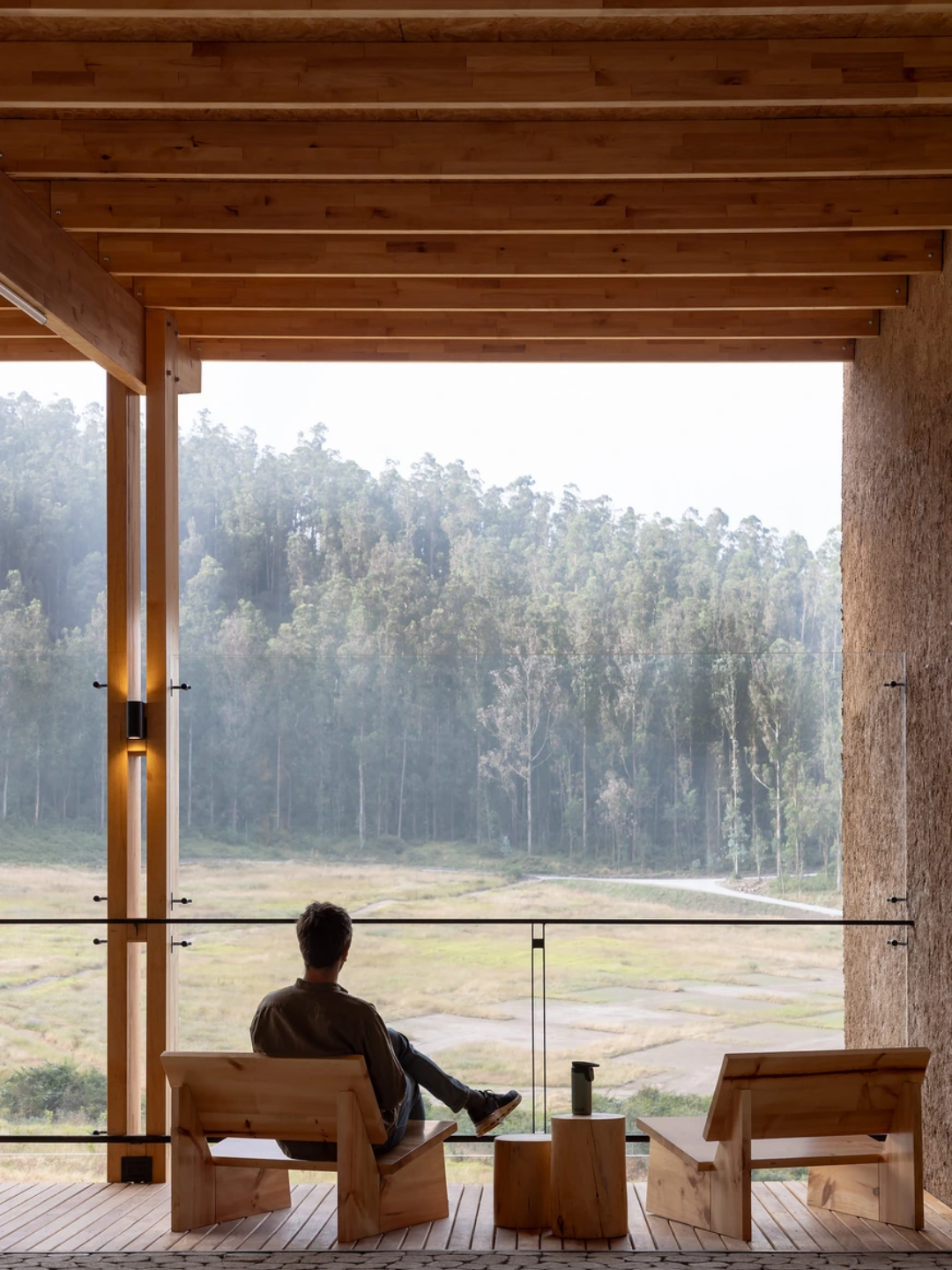
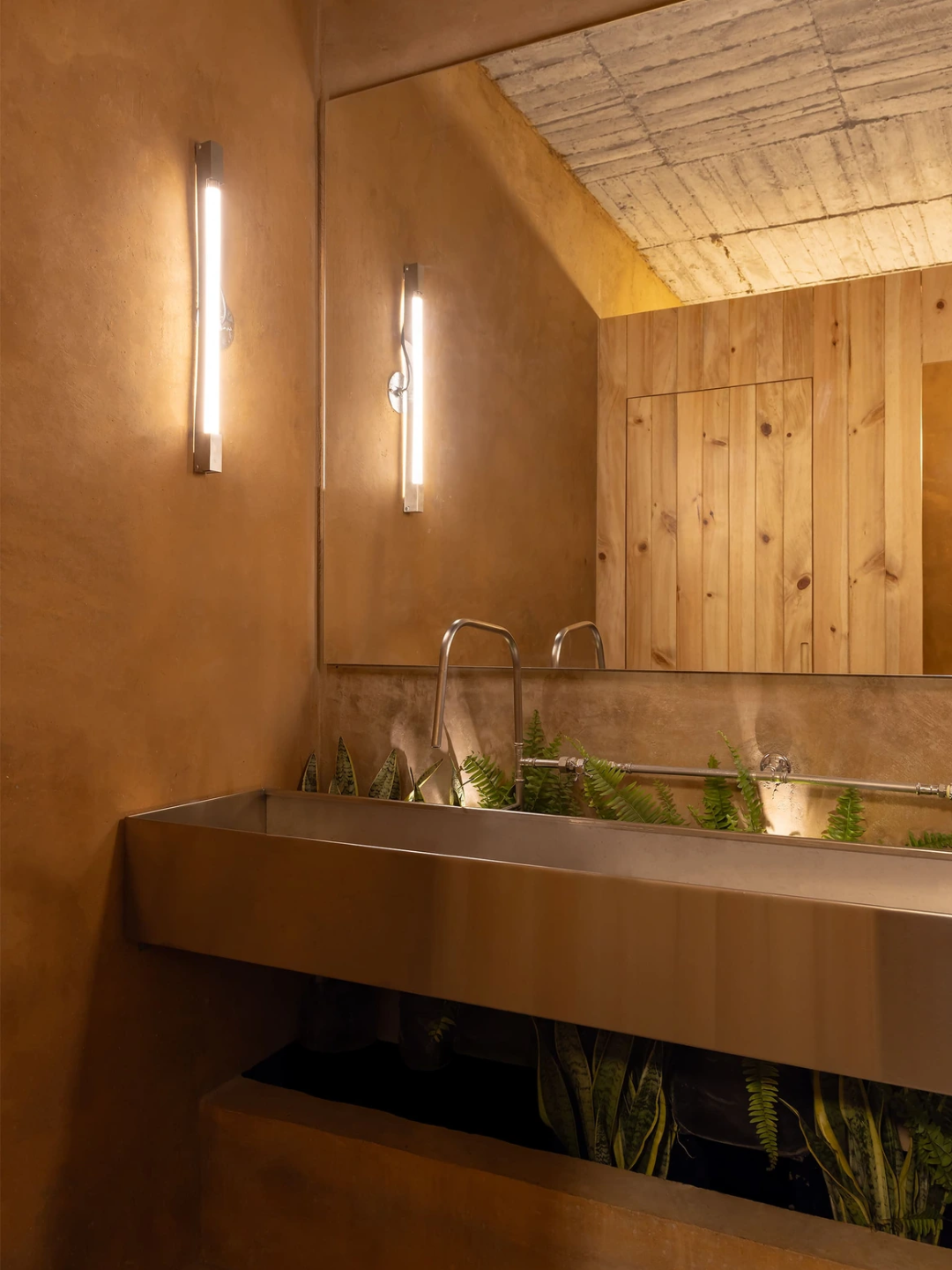
The design is defined by a simple volumetric composition: two solid concrete blocks rise from the earth to support a lightweight wooden structure. This creates an elevated, cantilevered platform that serves as a lookout that frames the surrounding landscape, forest, and movement of cyclists. The concrete volumes house the service areas, conceived as cavities carved into the terrain. Their earthy pigmentation reinforces the sense of grounding, while precise openings filter natural light and express a sober, introverted character.
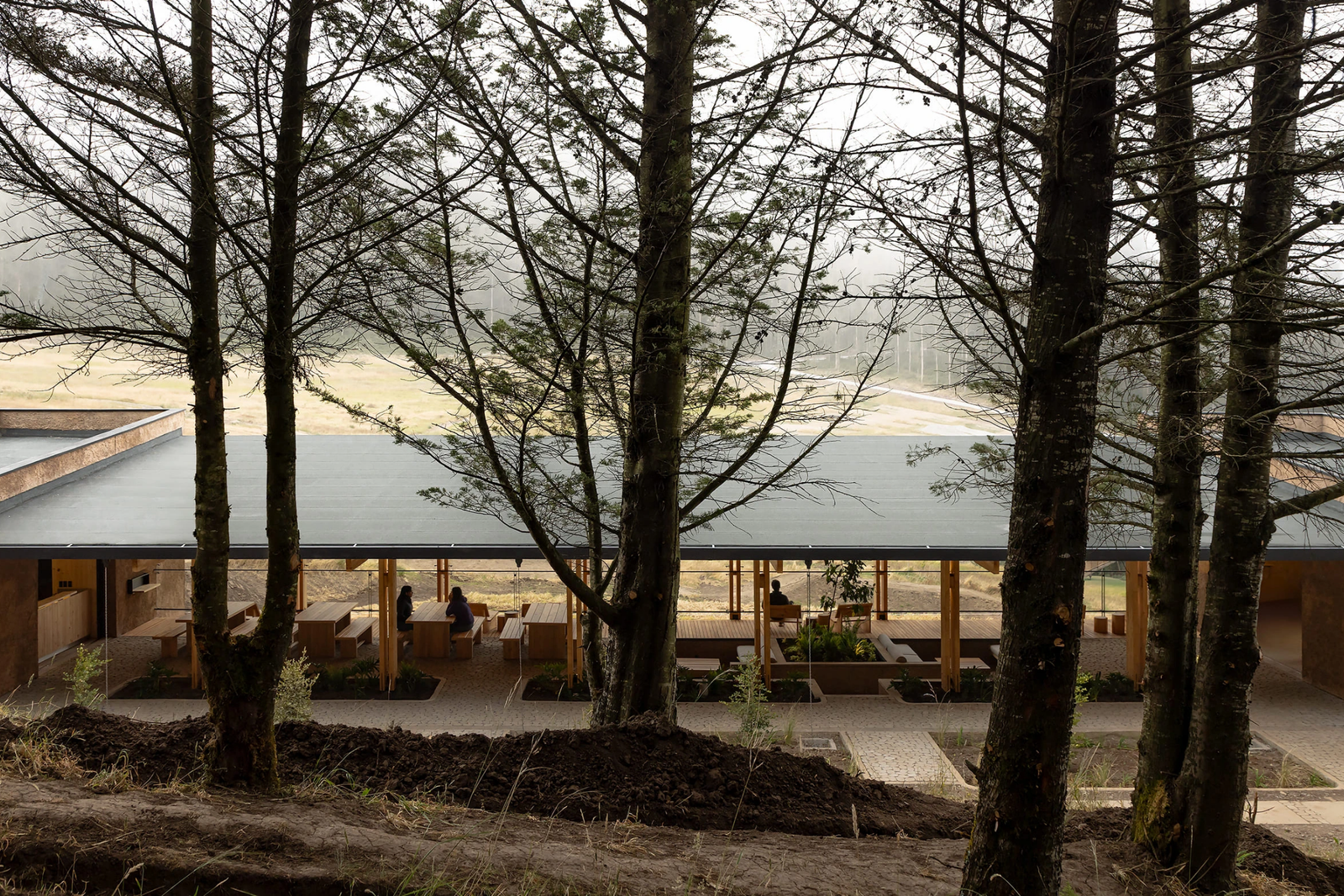
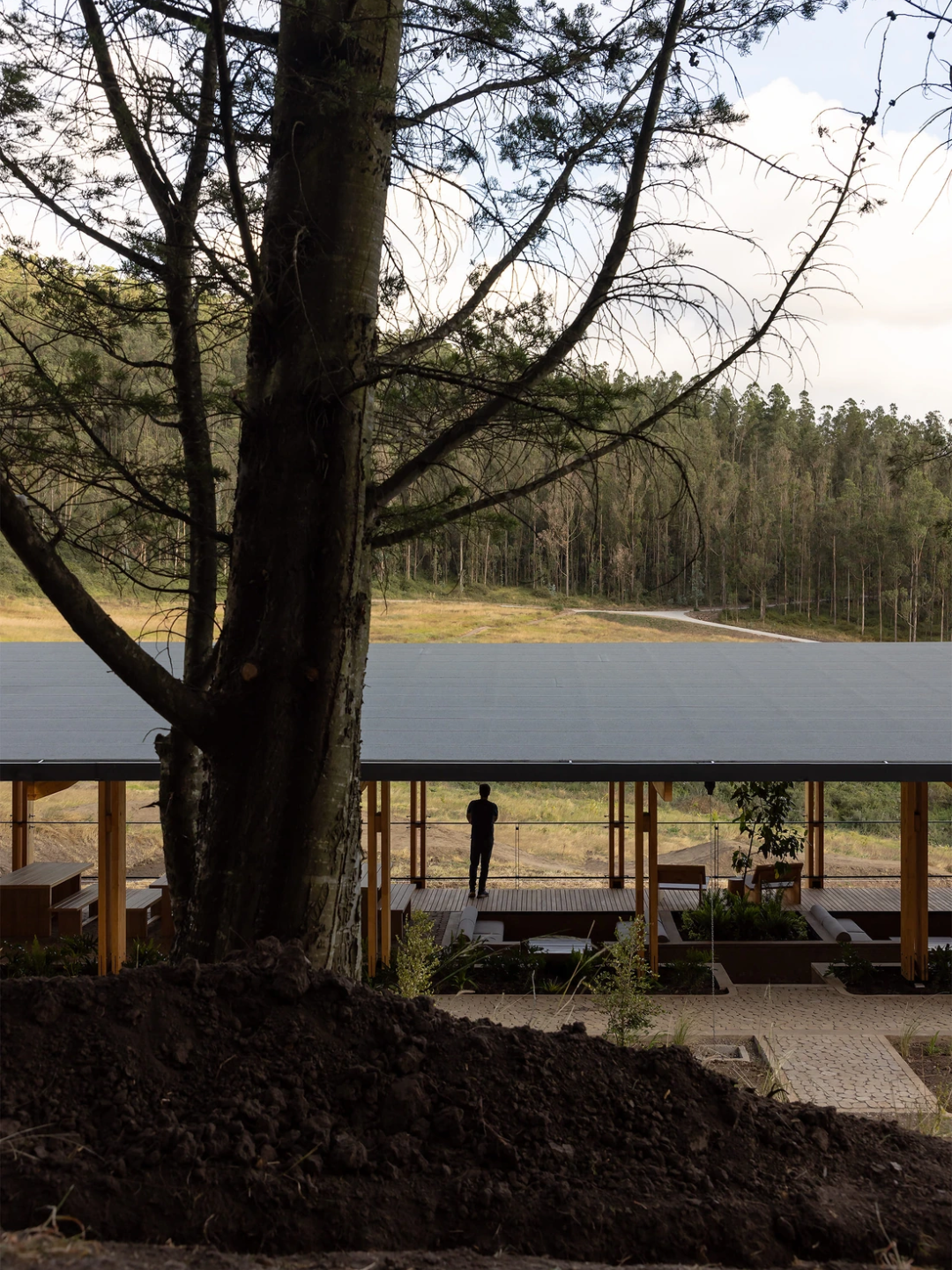
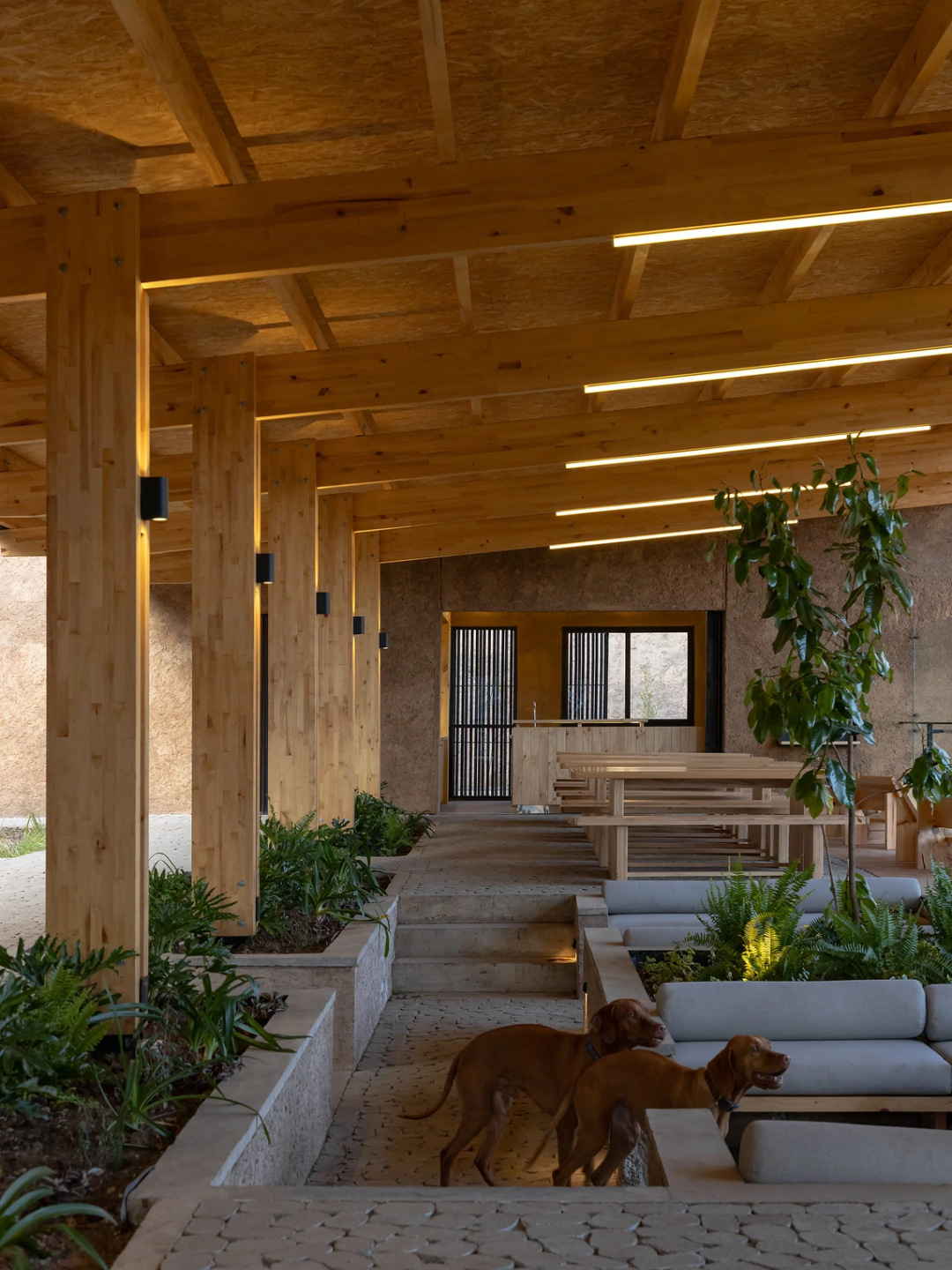
According to the architects, the solid volumes on each side are reminiscent of ancient pucarás – Andean stone structures that served as housing or lookout points. The dogtrot-like design provides views of the mountain behind and bike tracks in front. Concrete volumes at each end contain a reception area with a bike shop and a restaurant cafe, framing a central rest area with picnic tables, planters, and sunken seating.
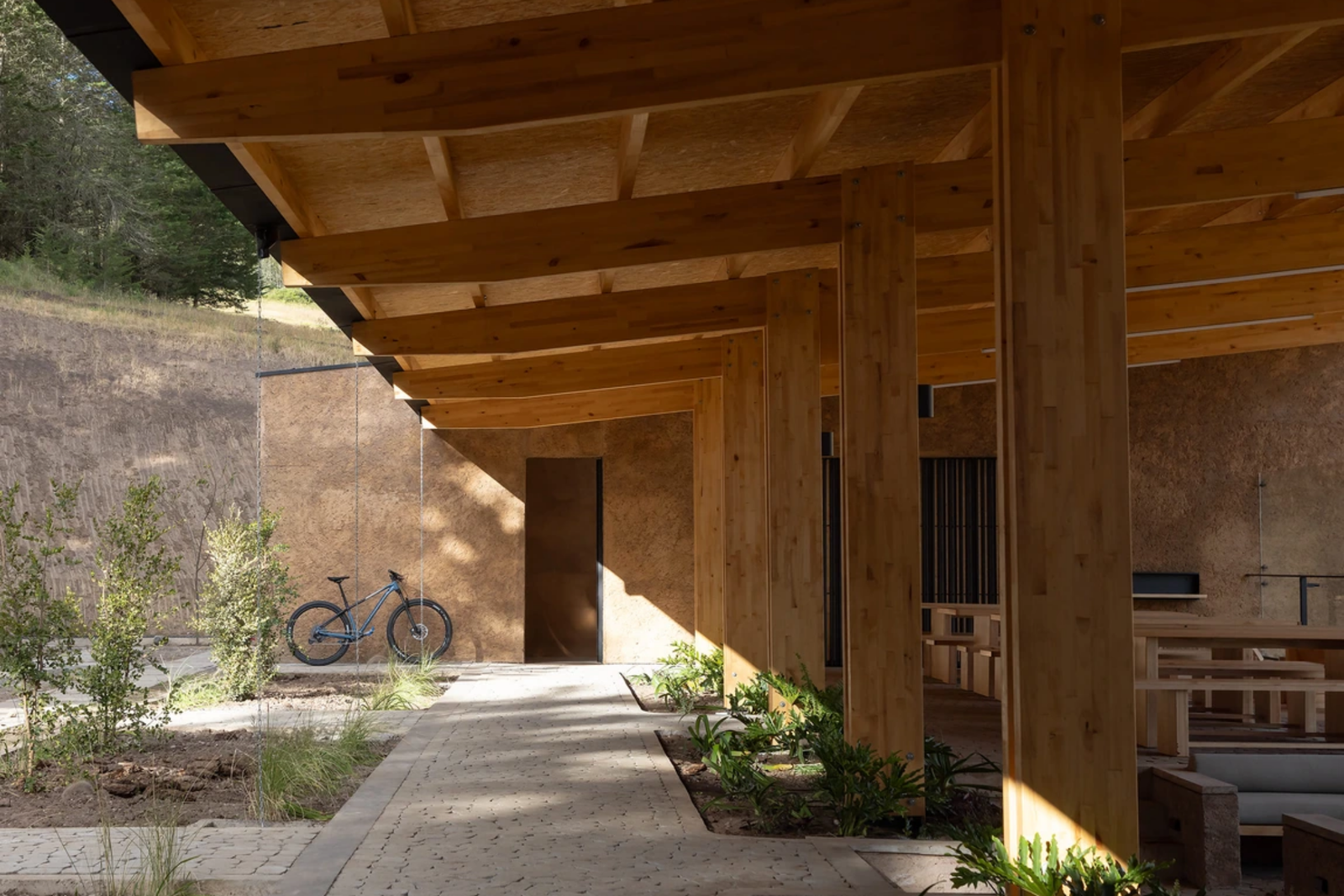
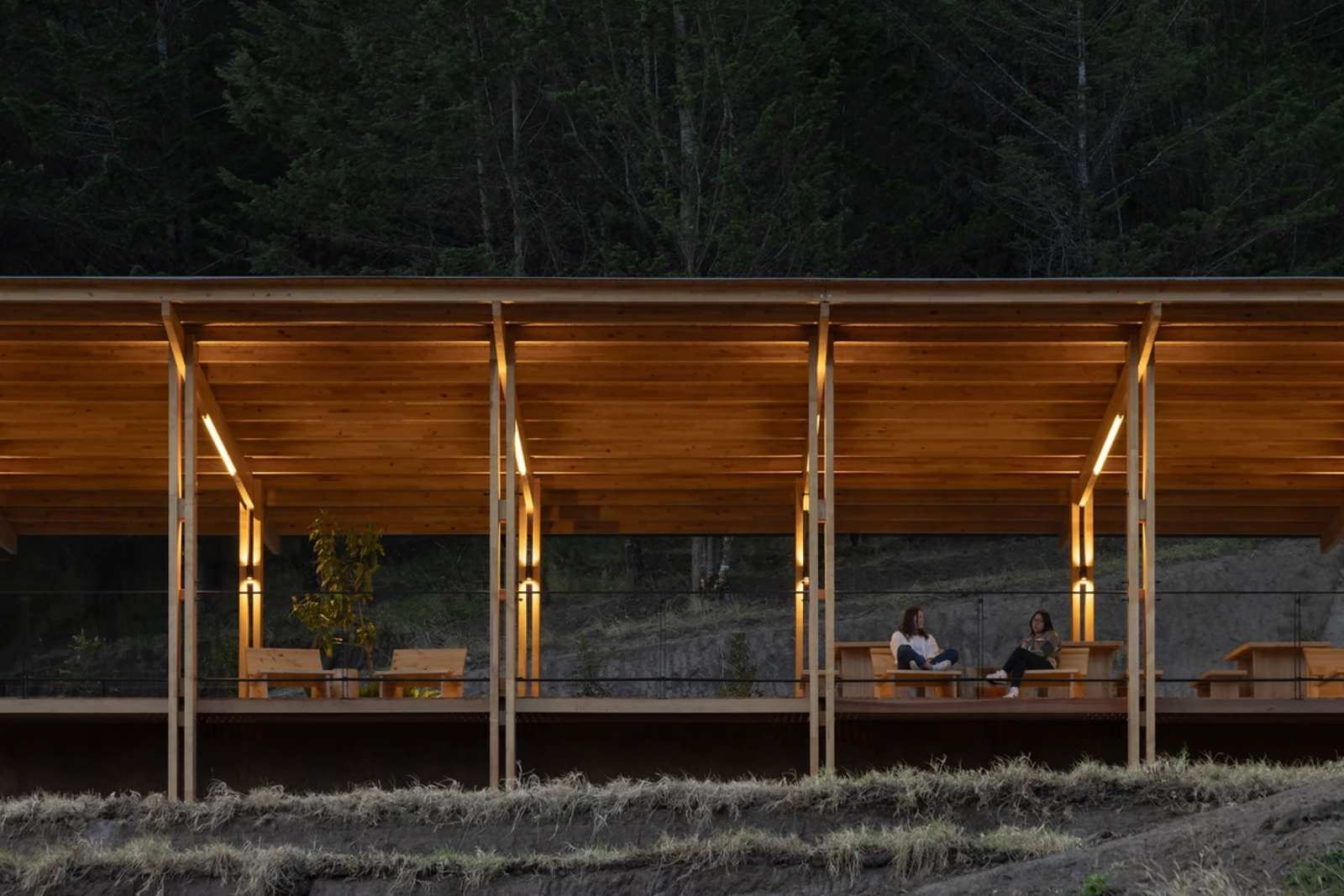
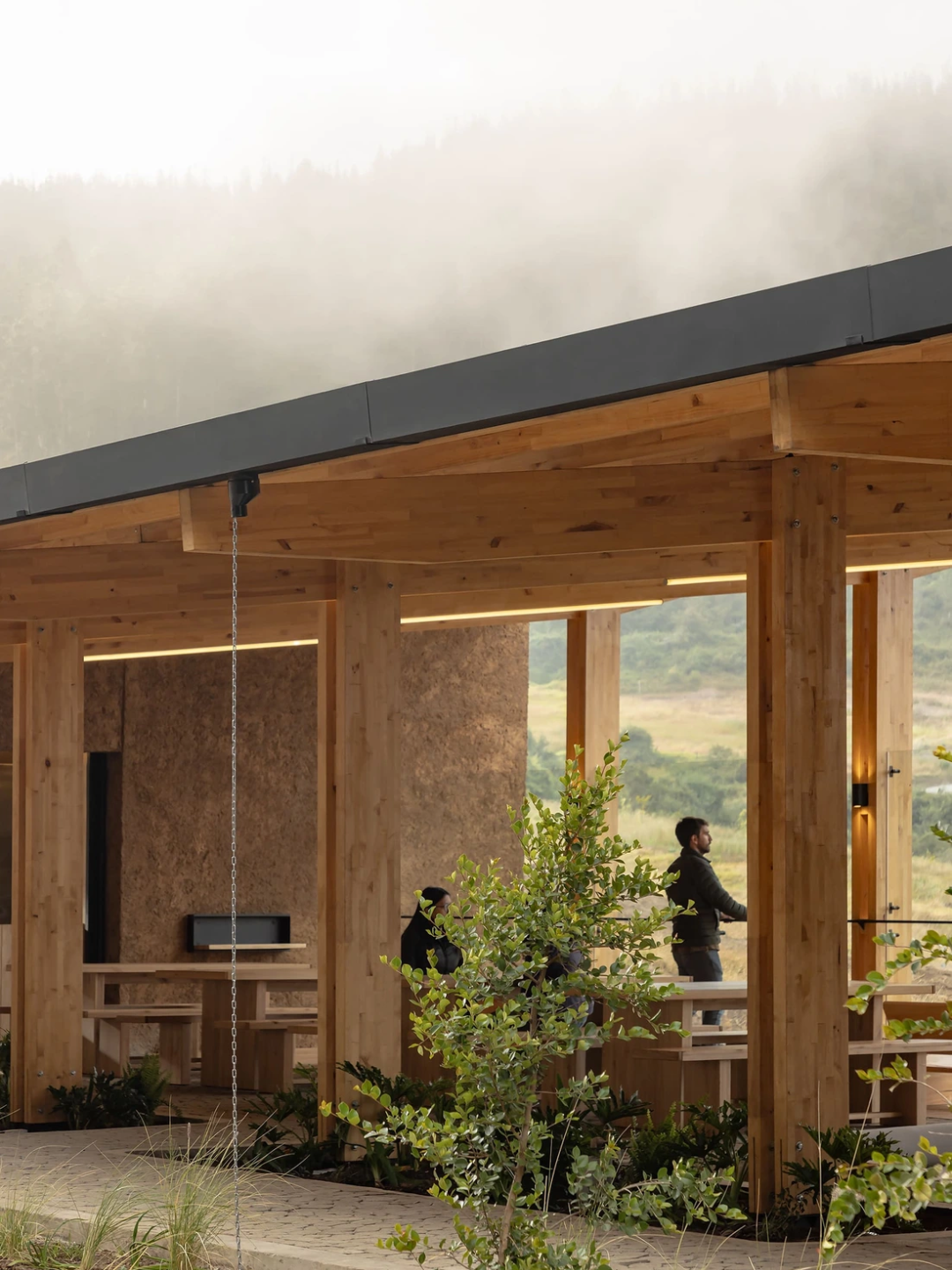
Between both modules, an open space hosts the dining and resting areas beneath the wooden structure that blends with the environment. Nature actively shapes the layout through planters, and subtle level changes define different uses, creating soft transitions between interior and exterior. The refuge rests lightly on the ground, offering a continuous experience where architecture and nature meet and where pause, view, and movement intertwine in a single gesture.
Mass-timber elements create the canopy, suspended between concrete supports, with paved paths leading to a rest area enclosed by a waist-high glass wall. Wooden beams form porticos, lending rhythm to the structure. The laminated-wood roof consists of six robust porticos supporting overhangs, merging inside and outside spaces. A nearly-invisible glass facade shields occupants from weather while preserving views of the landscape.