Turning agricultural waste into scalable timber alternatives

DesertBoard presents a compelling timber substitute for Middle East architects, designers and manufacturers facing material-sourcing challenges

October 14, 2026

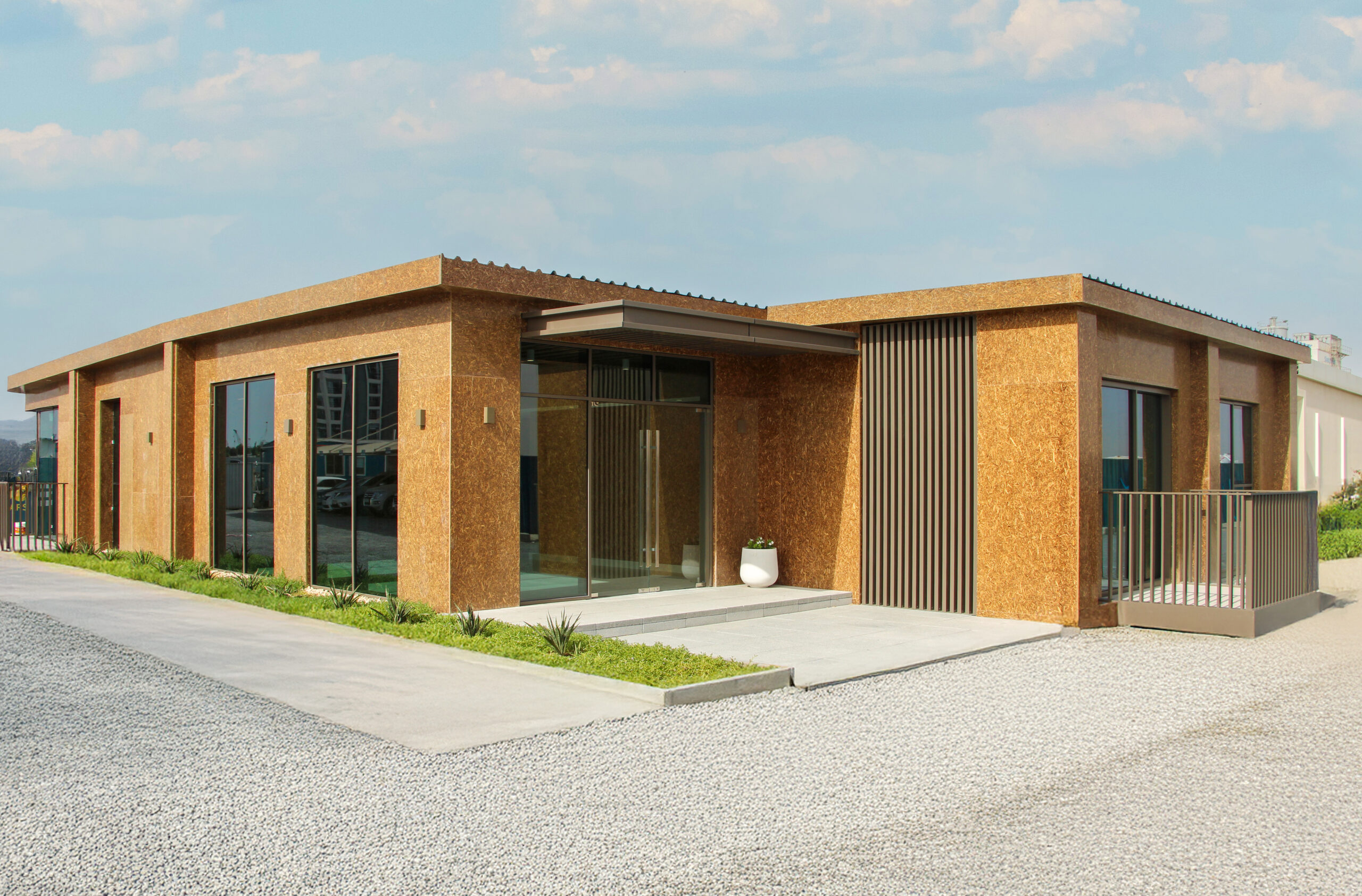
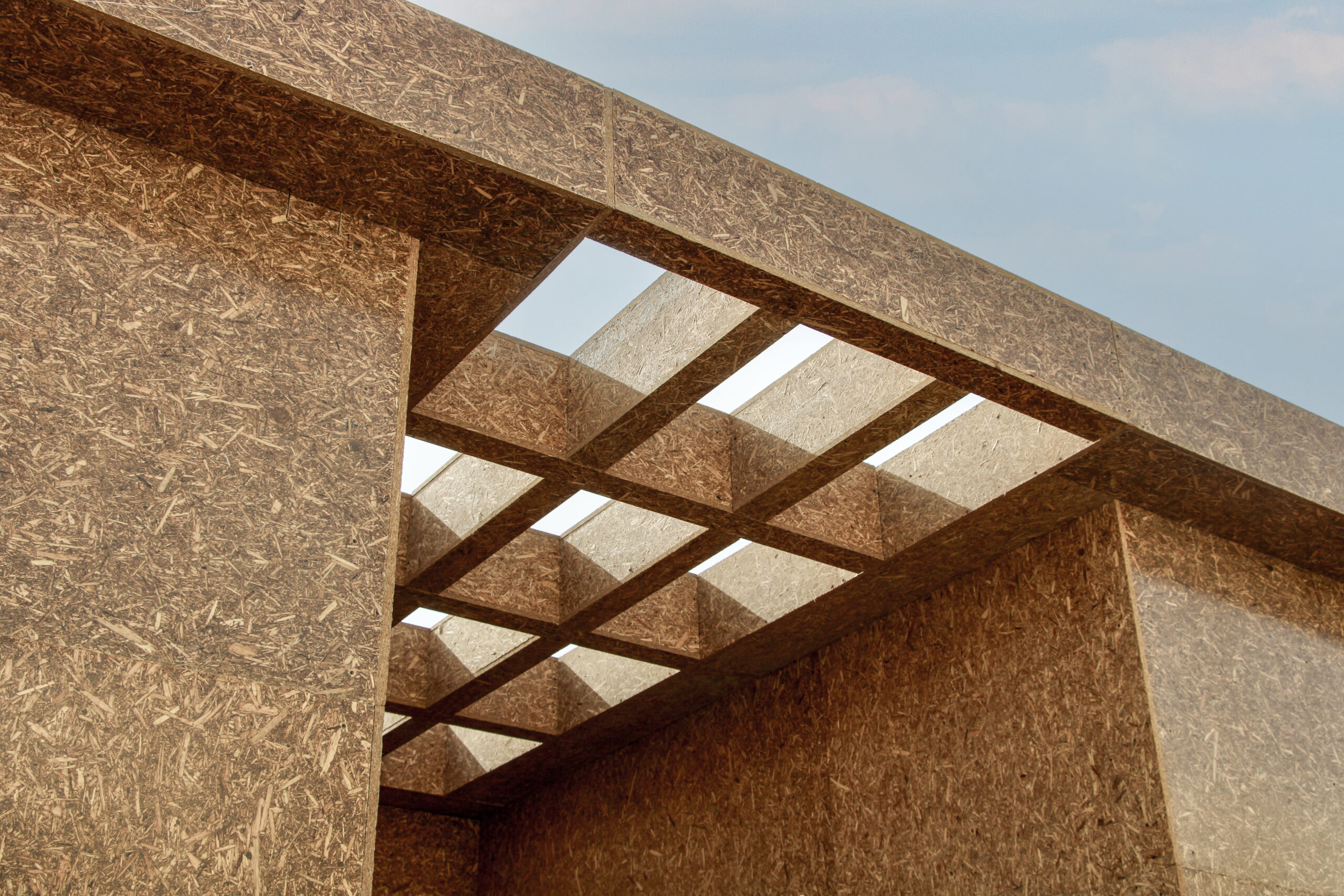
DesertBoard is a UAE-based manufacturer producing Palm Strand Board (PSB®), an engineered wood alternative made from date palm fronds. Each year, the company upcycles around 165,000 tonnes of palm waste into construction-grade boards, turning a widely available byproduct into a high-performance material at an industrial scale. Kamal Farah, Director, DesertBoard, talks us through the different processes that are involved in creating what is widely recognized as the world’s first engineered board made entirely from palm biomass

Can you describe the factory setup in Abu Dhabi and the main stages of production from incoming palm material through to the finished board?
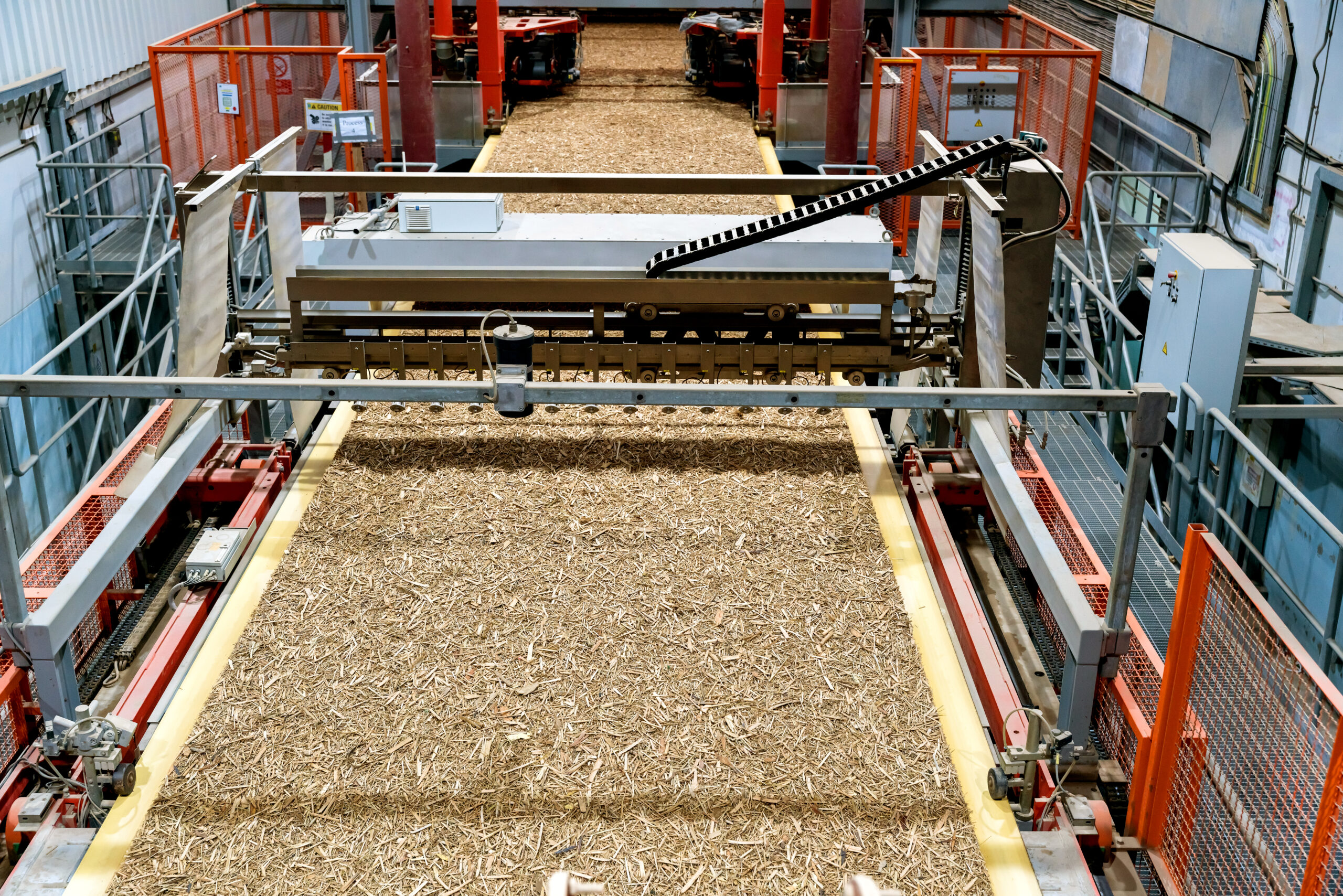
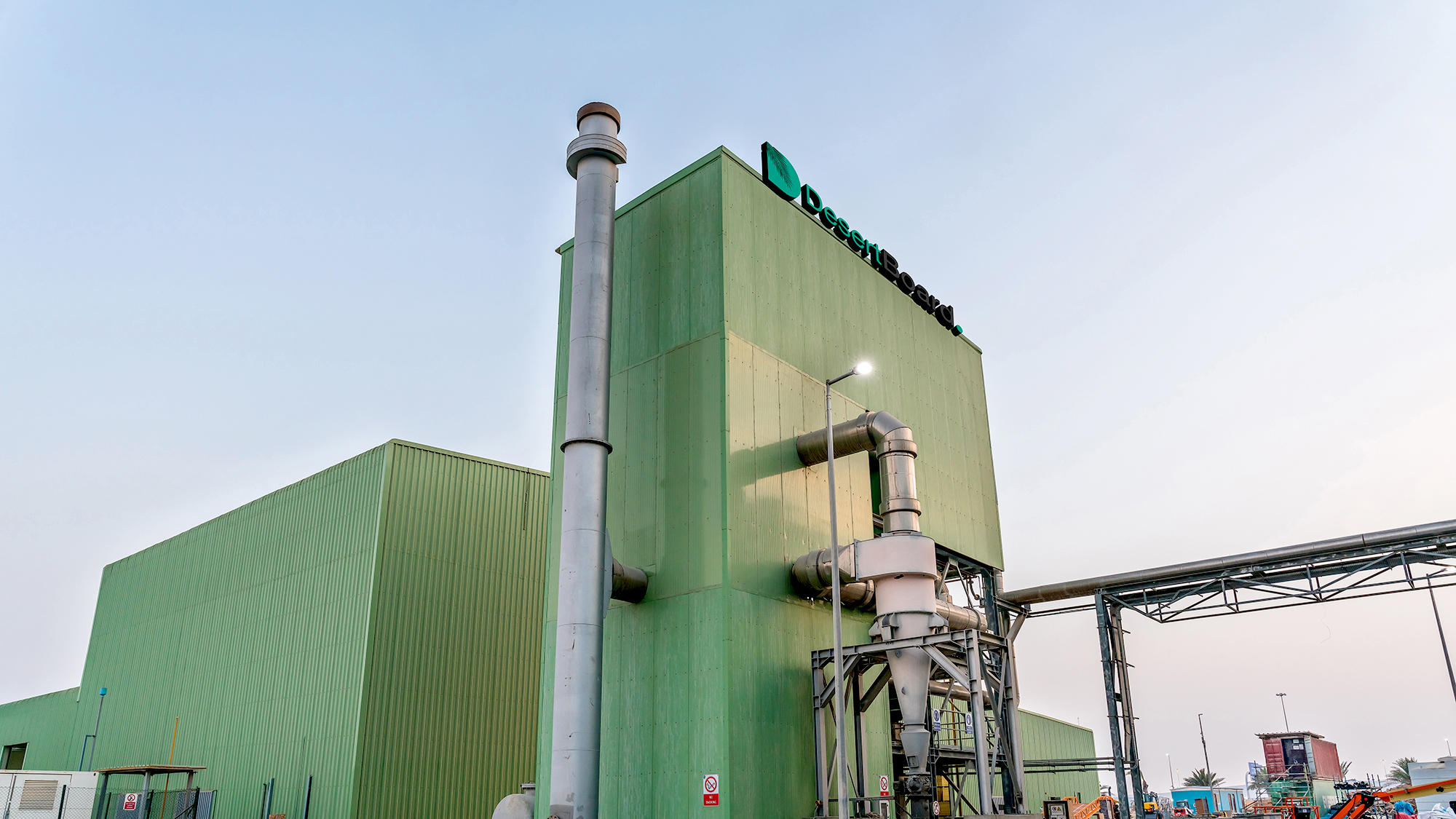
DesertBoard’s factory is designed as an integrated production facility, with the manufacturing process arranged as a continuous flow from the receipt and preparation of pruned date palm fronds through to board production, finishing, quality inspection and dispatch. The production line incorporates material screening, cleaning, size reduction, drying, resin blending, forming, pressing, cutting to size, curing and sanding, supported by in-process quality control and laboratory testing.

What preparation does the palm material require before it can enter the production line – for example drying, cleaning, shredding or grading?
Before the palm material enters the board-manufacturing stages, it undergoes several preparation steps to ensure it is clean, appropriately sized and at the required moisture level. These include Contaminant inspection – raw material is checked for plastics, metals, and other contaminants before being fed into the production line; Mechanical screening and classification of materials – the material is sifted to remove all inorganic matter and fine particles; and Shredding or chipping decision – the material can be sent to a shredding or a chipping station, depending on the type of material.

What are the key pieces of machinery used in the manufacturing process, and are any of them specially designed or adapted to work with palm-fronds material?
The manufacturing process employs a large variety of specialized state-of-the-art machines and material handling systems to convert the palm fronds into PSB® boards. Key equipment includes chipper, conveyor belt, chippers, flakers, dryer, forming station, continuous press, raw board handling equipment, and sanding line. All equipment is customized for this type of process.

How do you control the moisture content, density, thickness and consistency of the boards during production?
DesertBoard controls the properties of each product through defined process parameters, which are followed via production recipes and automatically controlled by PLCs, in addition to various quality tests and dimensional checks performed during production. We strictly comply with the EN300 standard. PSB® boards are maintained within a moisture-content range of 2% to 12%, tested in accordance with EN 322. Moisture behavior is also assessed in relation to temperature and relative humidity. To ensure stability before assembly, boards should be conditioned for a minimum of 48 hours in the intended operational environment.


Board density is controlled and verified in accordance with EN 323, with the mean density within an individual board maintained within a tolerance of ± 5%. Board thickness, width and length are verified in accordance with EN 324-1, while squareness and edge straightness are assessed in accordance with EN 324-2. Thickness tolerances are ±0.3 mm for sanded boards and ±0.8 mm for unsanded boards, with a ±3.0 mm tolerance for length and width. Edge straightness is controlled to 1.5 mm/m and squareness to 2.0 mm/m. Calibrated Vernier calipers are used for thickness measurements. Also during production, all dimensions of the PSB® board are controlled by state-of-the-art, highly precise equipment.

All products are verified through testing of bending strength and modulus of elasticity (EN 310), internal bond (EN 319), thickness swelling after 24-hour water immersion (EN 317) and, for applicable higher grades, internal bond strength following the boil test (EN 1087-1) to assess bond quality after severe moisture exposure. Quality is monitored throughout the entire production process. Tests are conducted from the arrival of raw materials, continuing throughout the production process, including finished product testing and quality control during packaging and dispatch. We have a state-of-the-art laboratory equipped with highly precise equipment that helps us guarantee the high-quality standards of our product.

Together, all these controls provide continuous monitoring of the board’s moisture, density, dimensional accuracy and mechanical performance, helping ensure consistent quality from production through to the finished PSB® board.

What is the current production capacity of the factory, and how much palm-tree material can it process in a typical day or month?
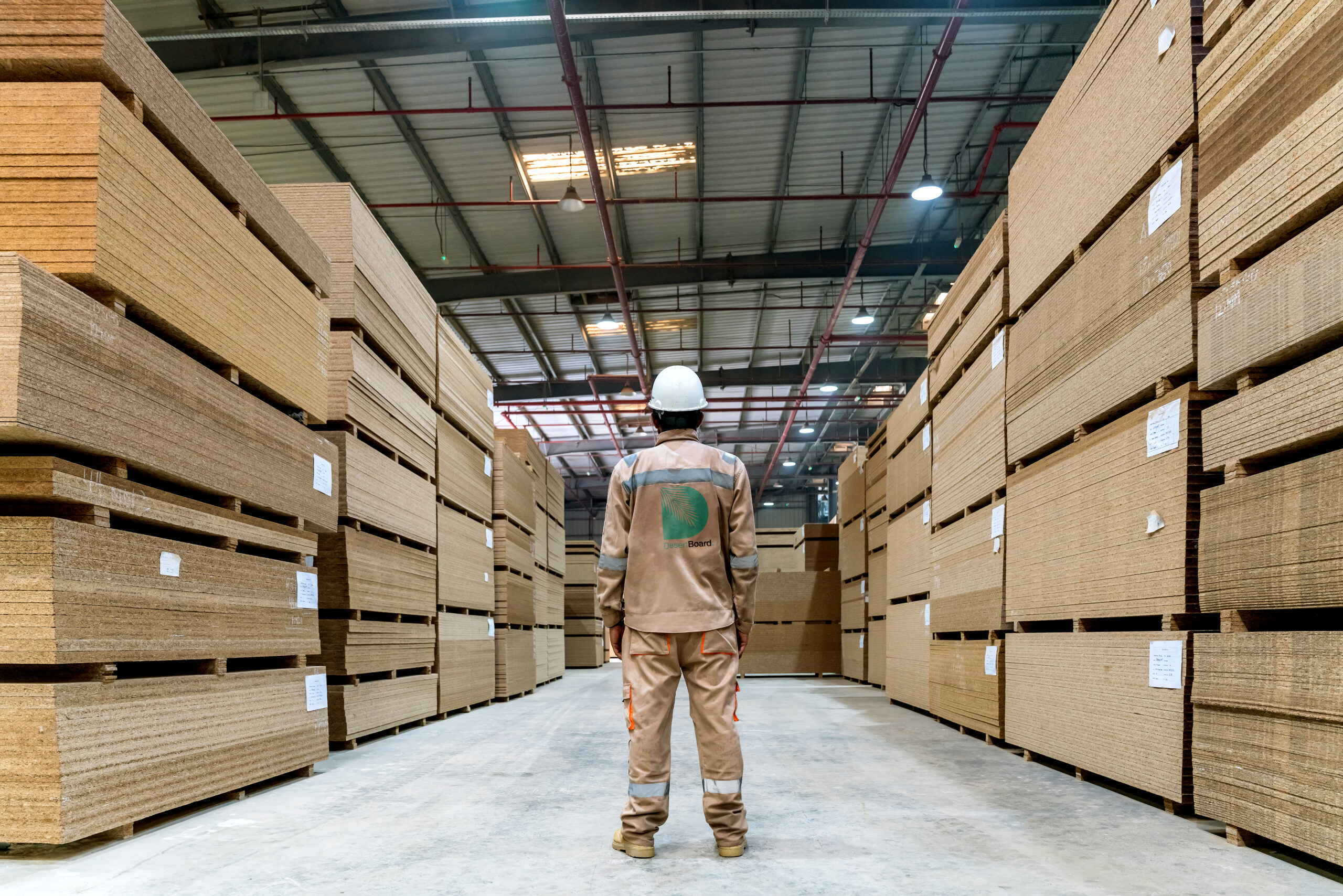
The DesertBoard factory has an approximate daily production capacity of 6,200 PSB® boards (based on the 18 mm product). On an annual basis, the facility has a production capacity equivalent to approximately 5,200 containers, with the output capable of providing sufficient material to fit out more than 200 Burj Khalifa Towers.

What have been the biggest production challenges in working with palm material compared with conventional wood fiber, and what changes have you made to the process as a result?Working with date-palm material requires tighter control of variability in size, moisture and contaminants compared with conventional wood fiber. DesertBoard addresses these challenges through a multi-stage preparation process involving visual inspection, chipping, screening, washing, metal detection, flaking and controlled drying, followed by further sieve analysis before blending and forming.

Additional in-process controls, including separate surface and core-layer handling and laboratory testing, help ensure consistent density, thickness, strength and overall board performance. In practice, the challenge is transforming farm waste, which is often discarded without proper management, into a valuable raw material for producing high-performance boards for a wide range of applications.

Read next

Type To Search

Image © DesertBoard