Center Parcs Nordborg Resort: Danish forest inspiration shapes unique timber architectural thread

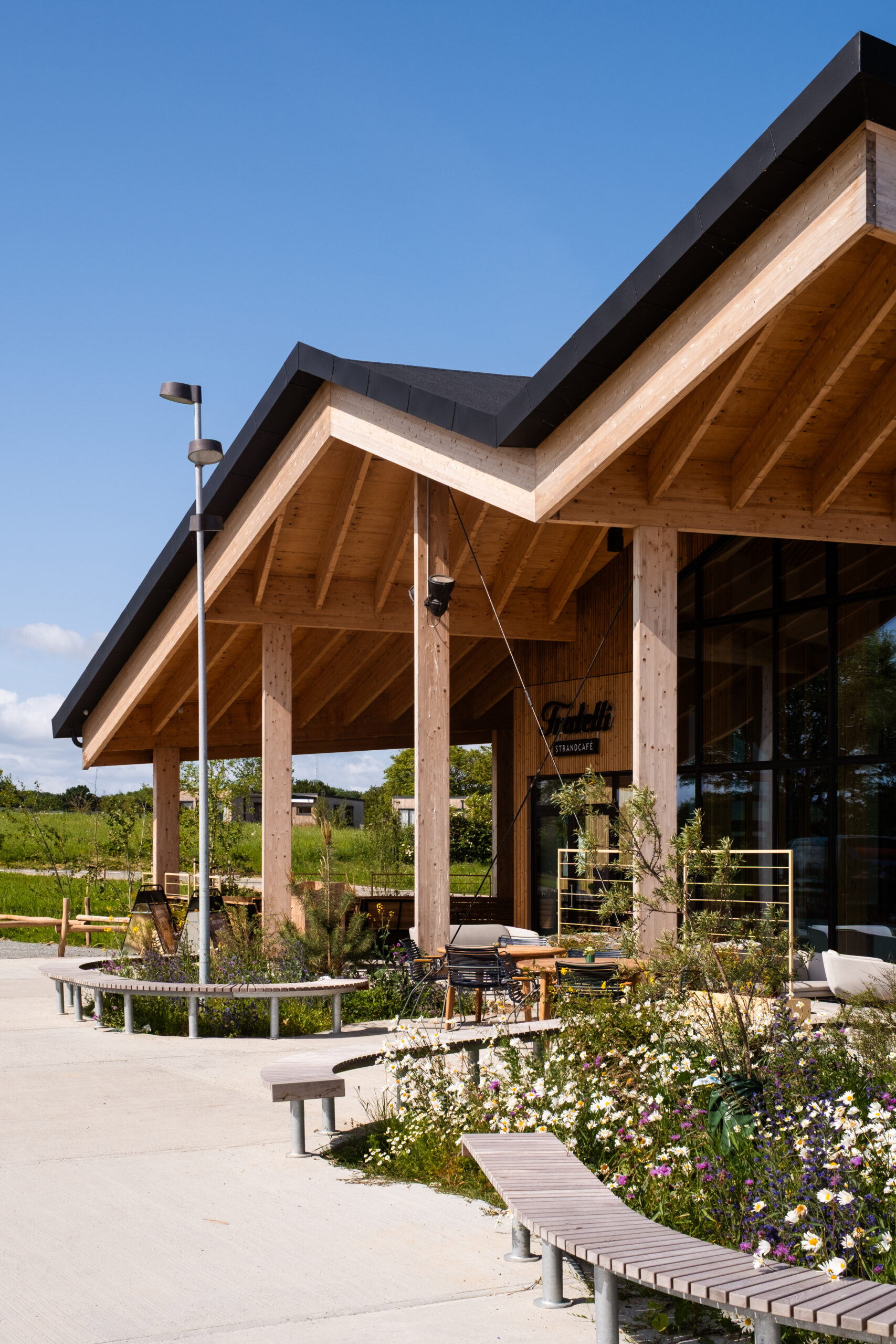
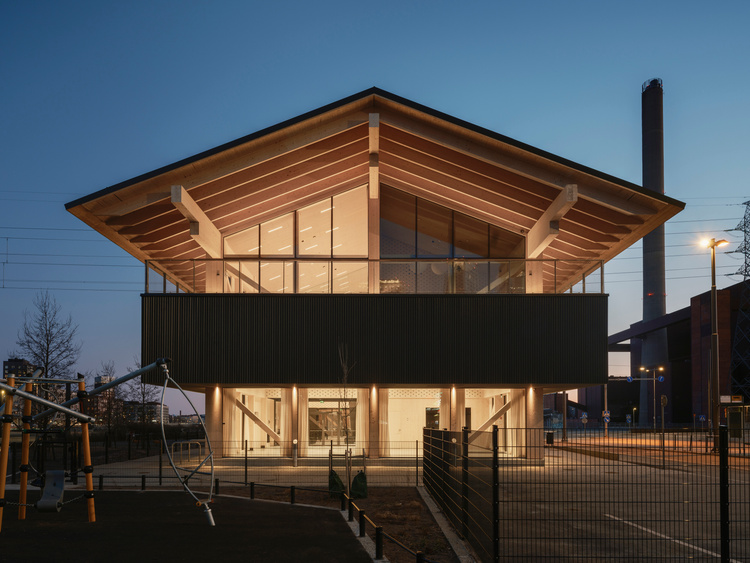
Timber construction, with its undulating, ‘folded’ roof runs as a common feature throughout the resort

March 27, 2026

A new holiday destination, on the island of Als, is a groundbreaking DGNB Gold certified resort, with striking nature and impressive architecture. The island of Als, especially the northern part, has fought for many years with recession and a dwindling population. Nevertheless, it is home to two large, internationally renowned companies, Danfoss and Linak. In an impressive attempt to turn the negative direction, the two companies have invested heavily in the area, and the latest great investment is a new holiday resort covering 190 acres of hilly, former farmland and existing forest, on the coast of the Baltic Sea.

They had high ambitions and wanted the new resort to be both environmentally friendly and architecturally unique, therefore they chose Center Parcs to both run the resort, and to be consultants in the development phase. Center Parcs has several resorts around Europe, with a dedicated to both nature and architecture, but this is their first Scandinavian destination.

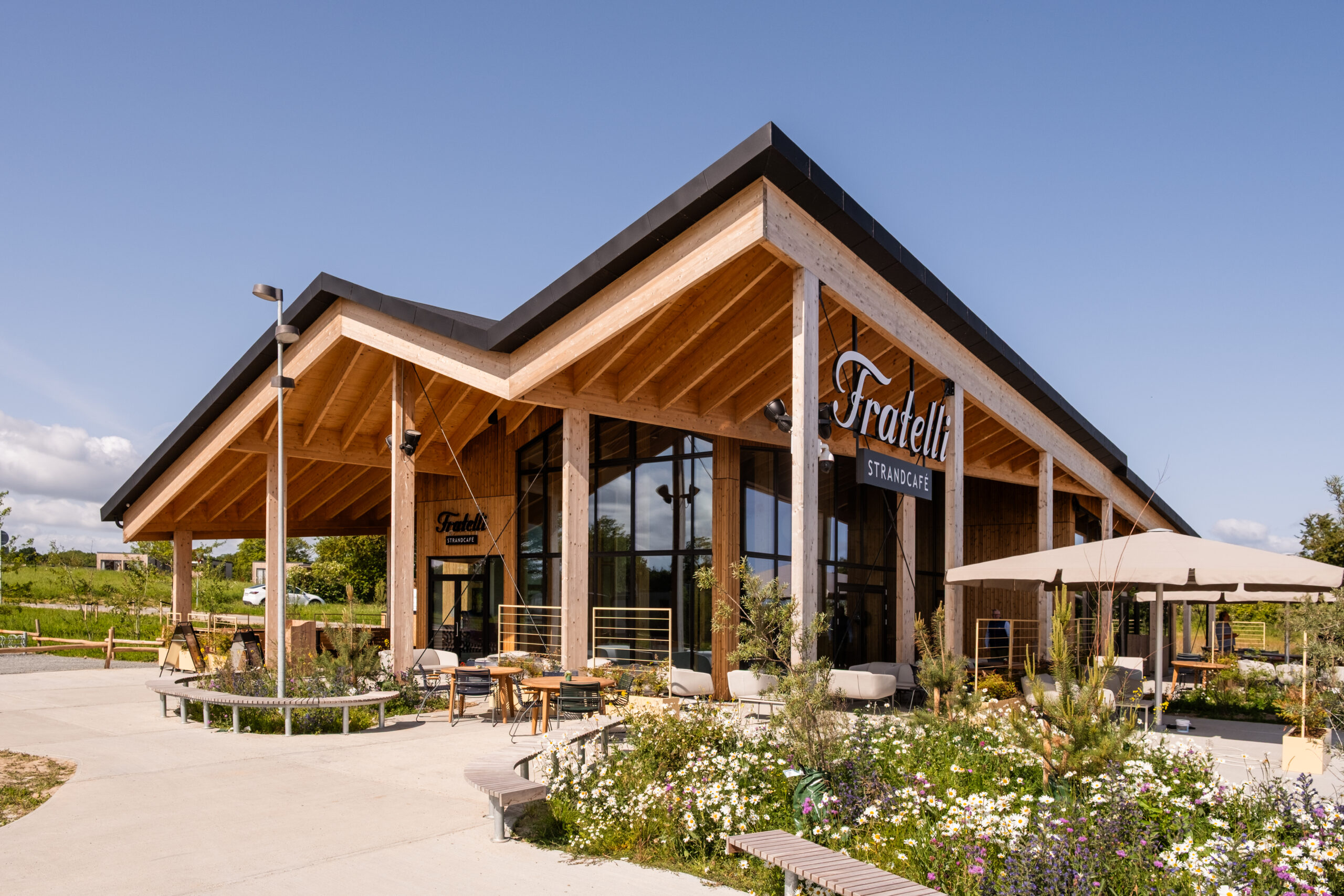
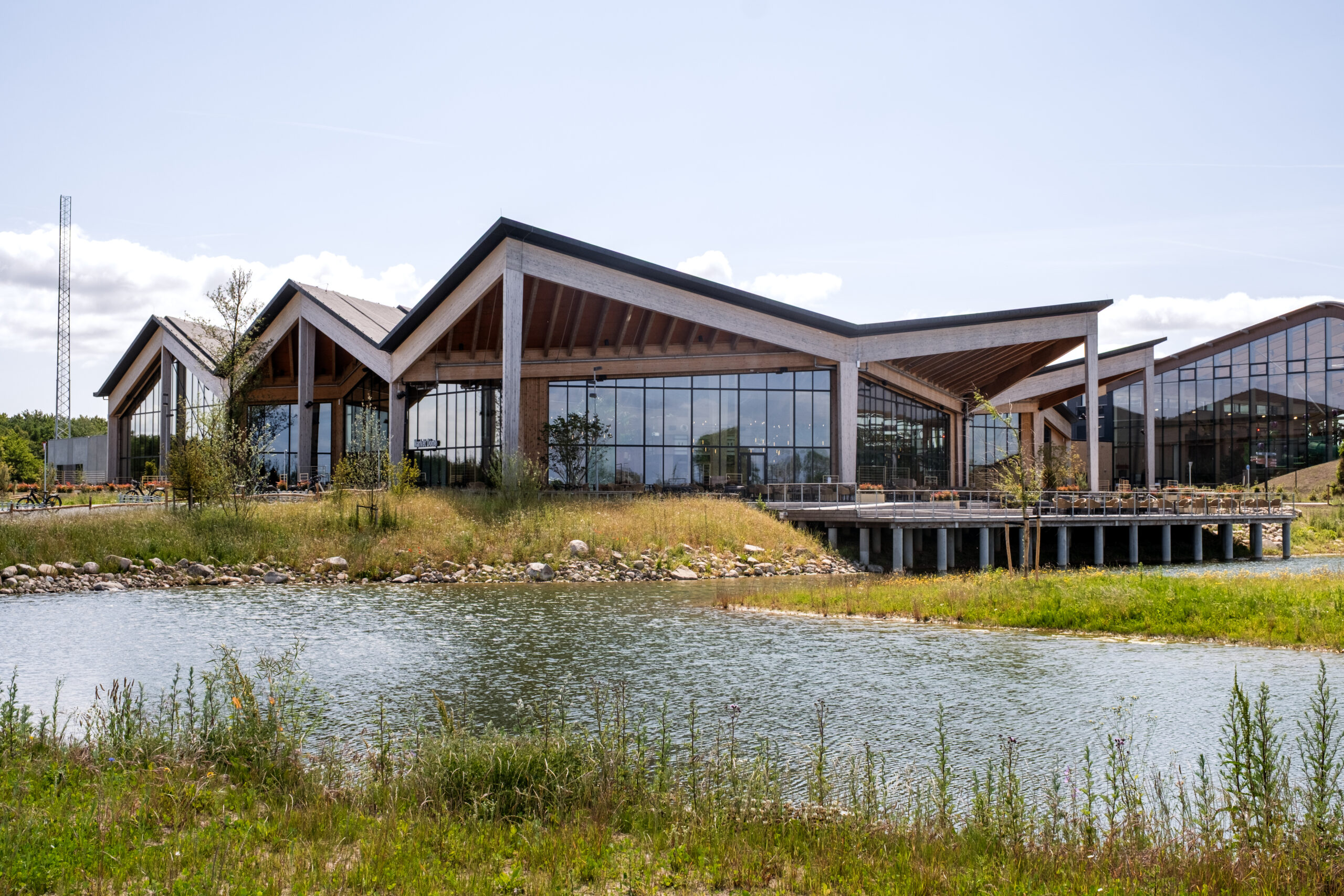
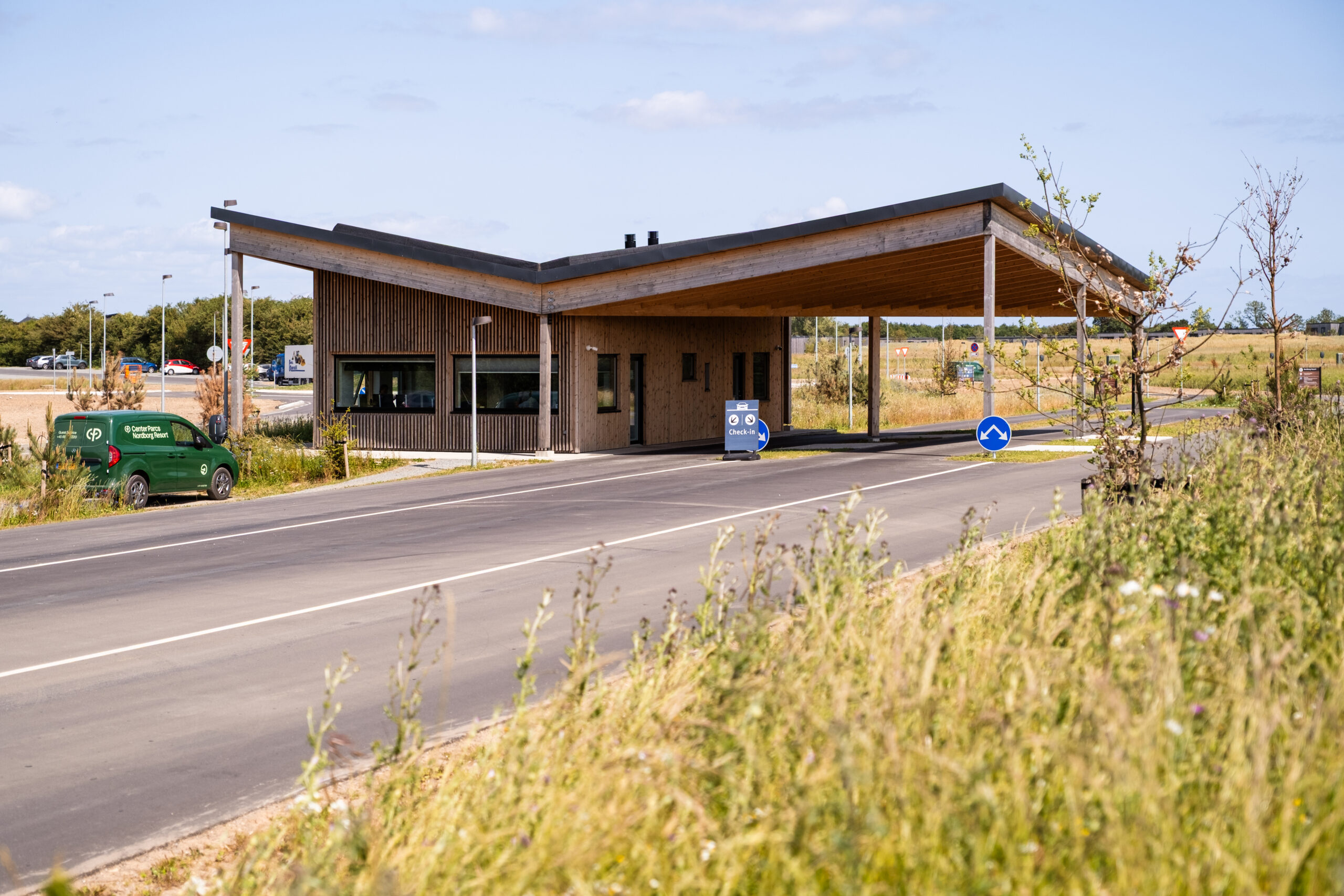
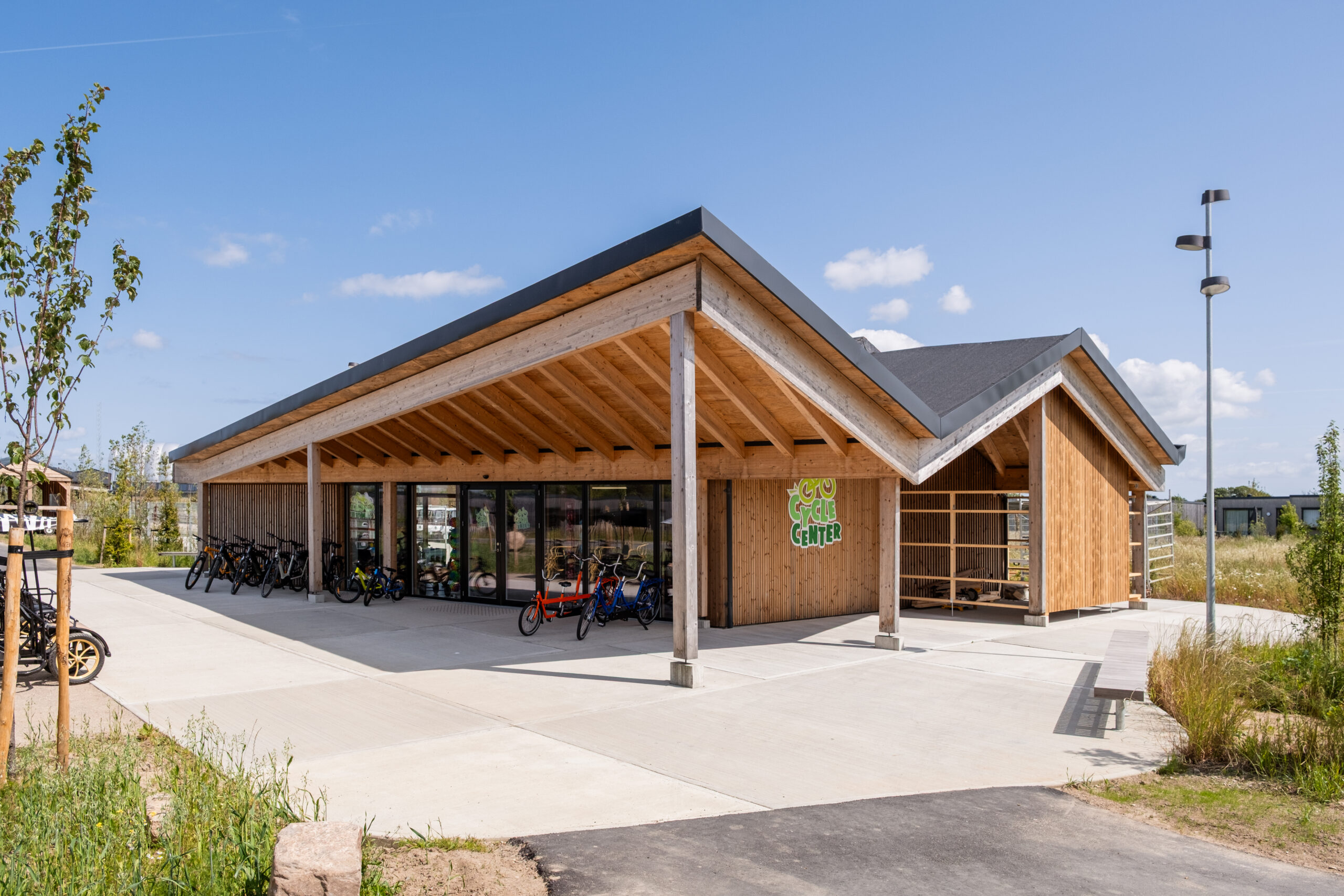
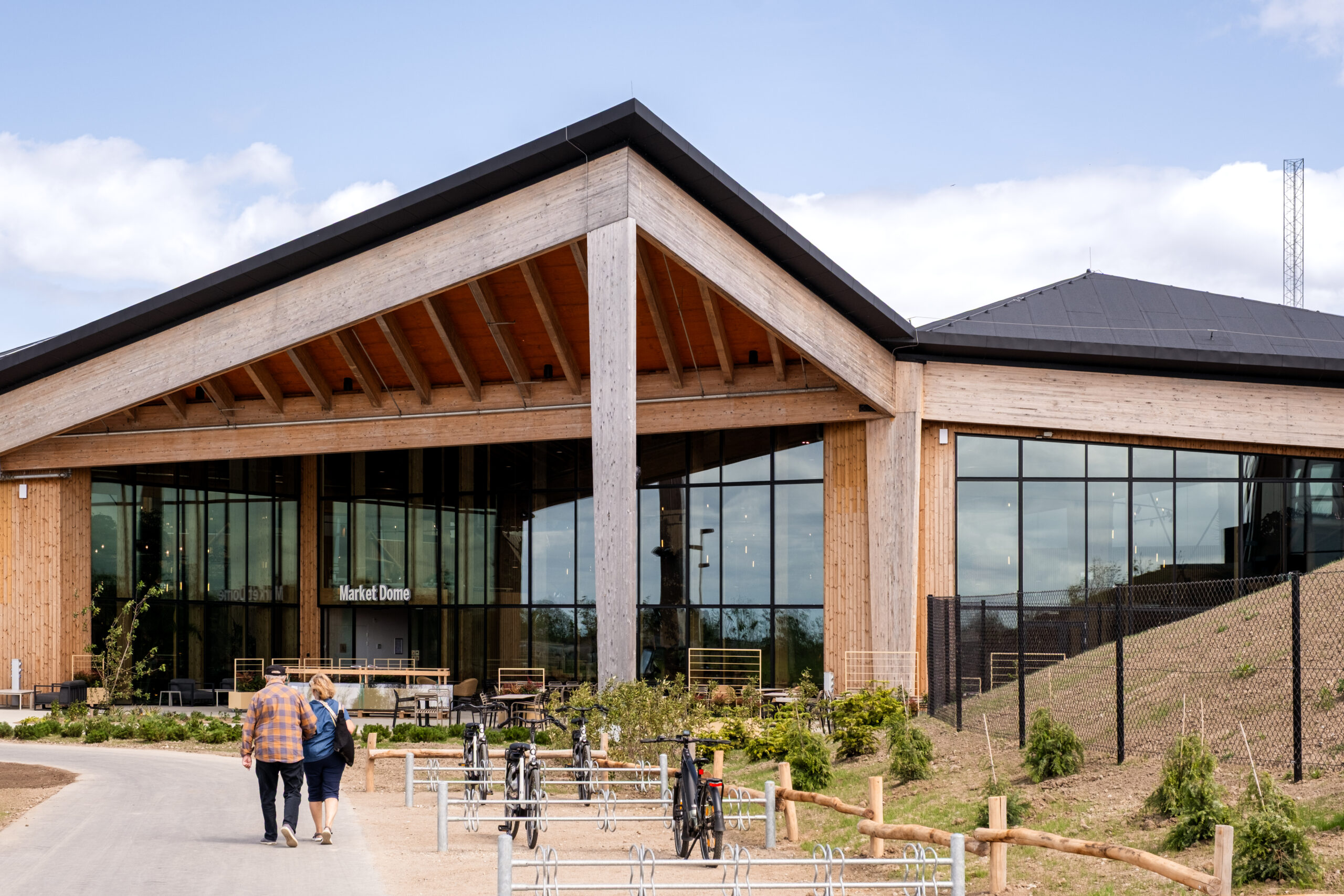
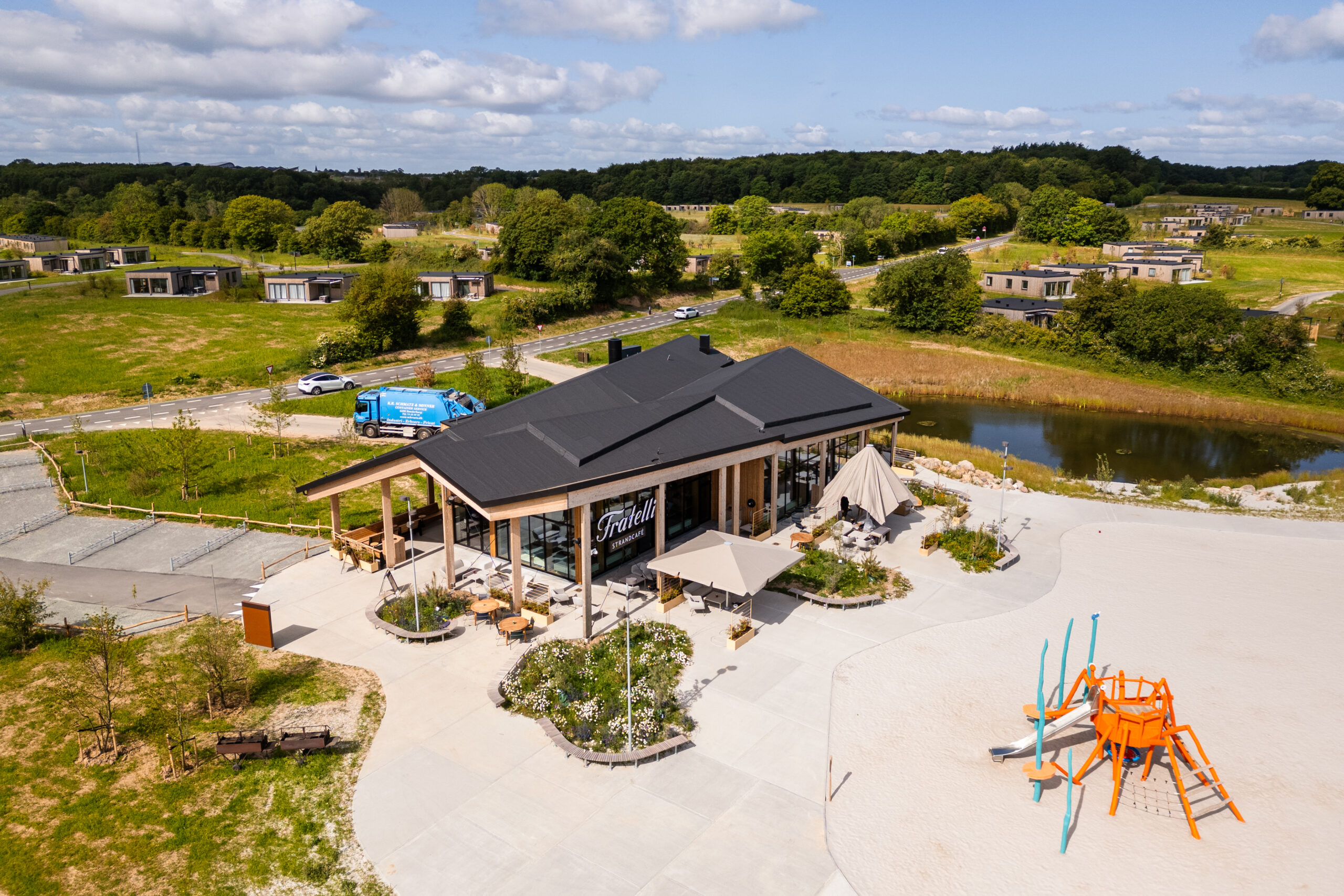
To fulfill the architectural ambition, they chose the local architectural firm ZENI arkitekter a/s, to design the center building (Market Dome), the Beach Café, the welcome building, the bicycle rental center, a visitor farm and a large pier, stretching out into the Baltic Sea. The holiday homes were designed by Horsens based VIVA Arkitekter ApS and the surrounding landscape by SLA. The water park, Aqua Mundo, is designed by the French firm, Art’Ur Architects, in collaboration with ZENI arkitekter a/s. The large Market Dome, located in the center of the resort on the highest point, with striking views, is the architectural center piece, that sets the tone for the rest of the resort buildings.

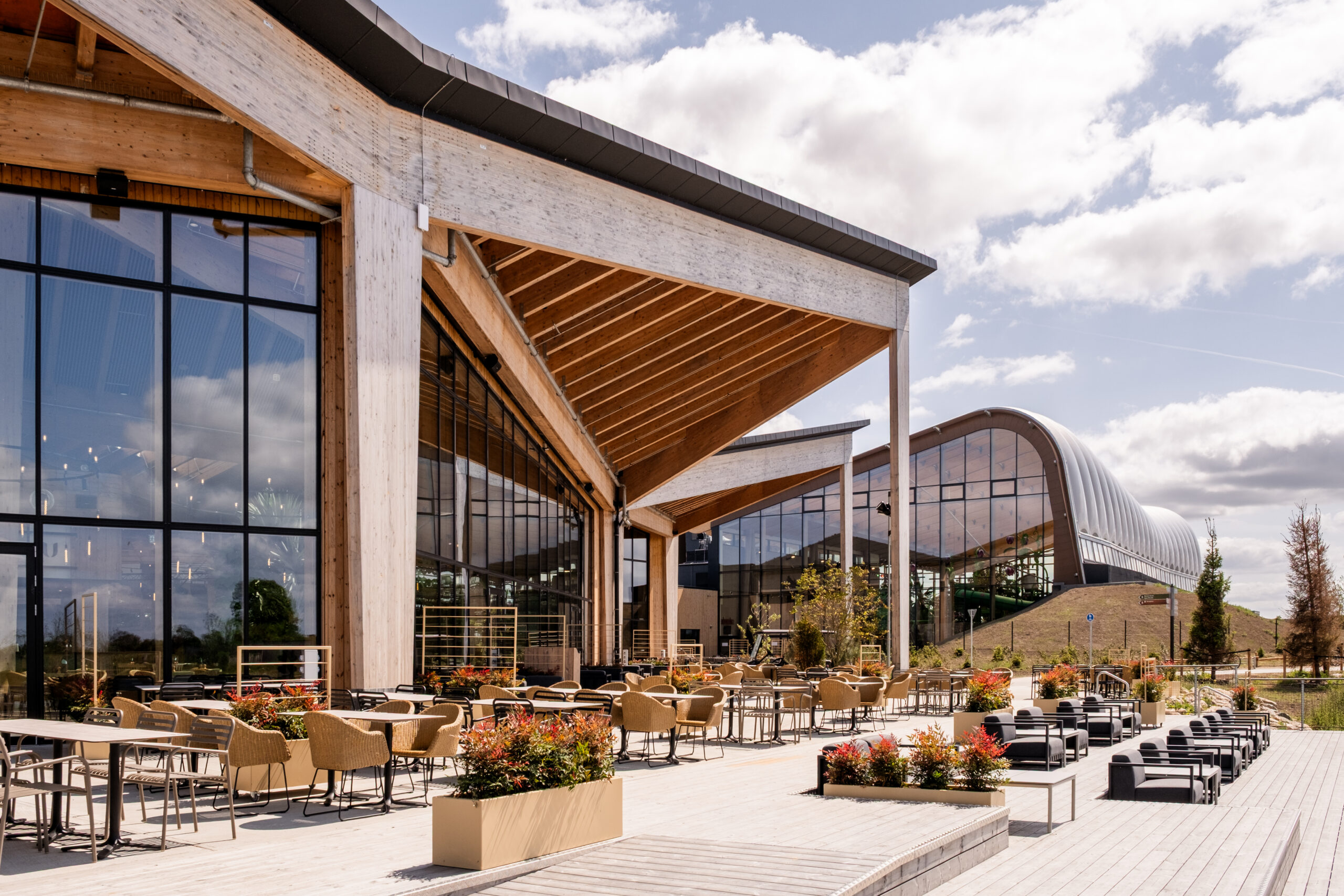
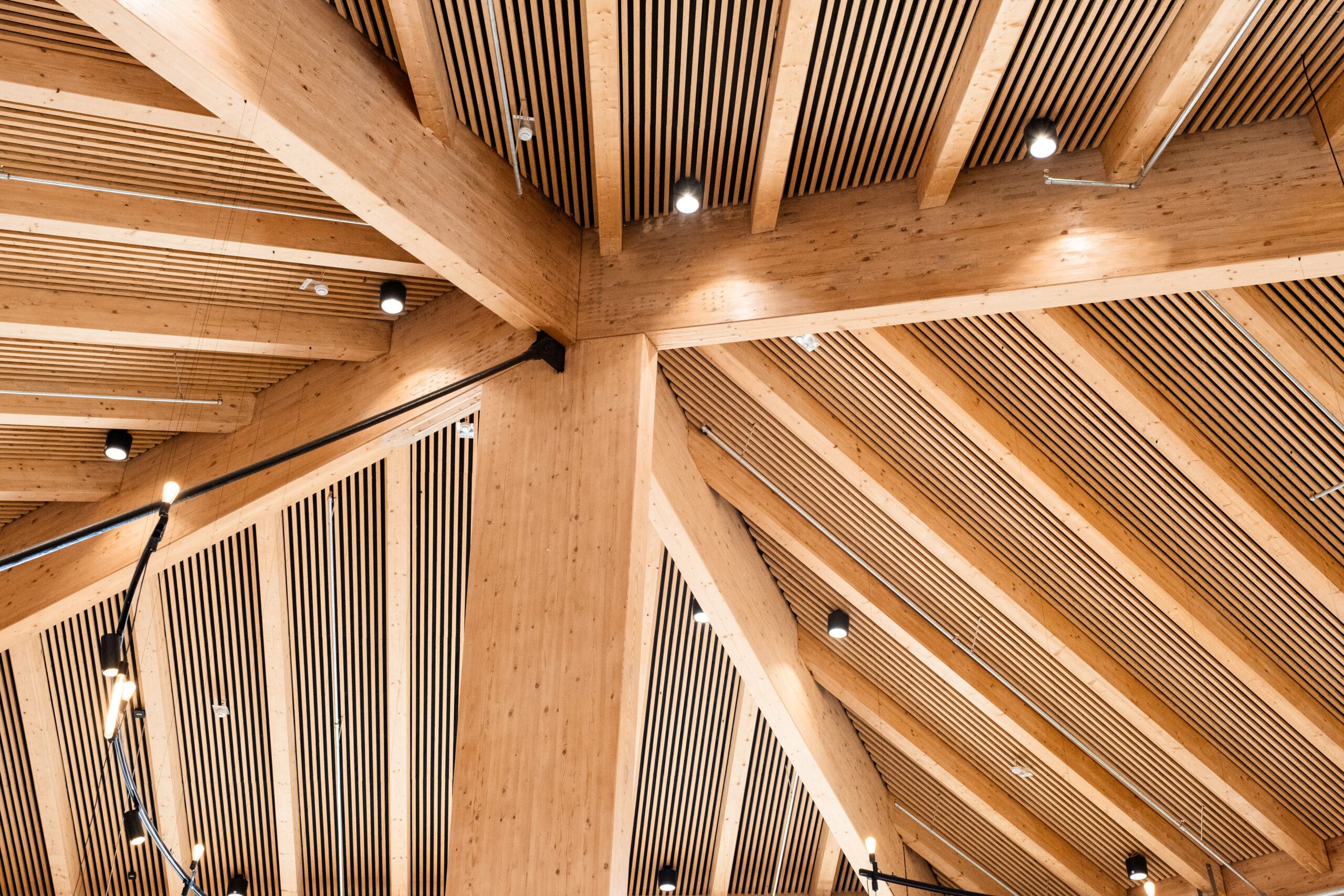
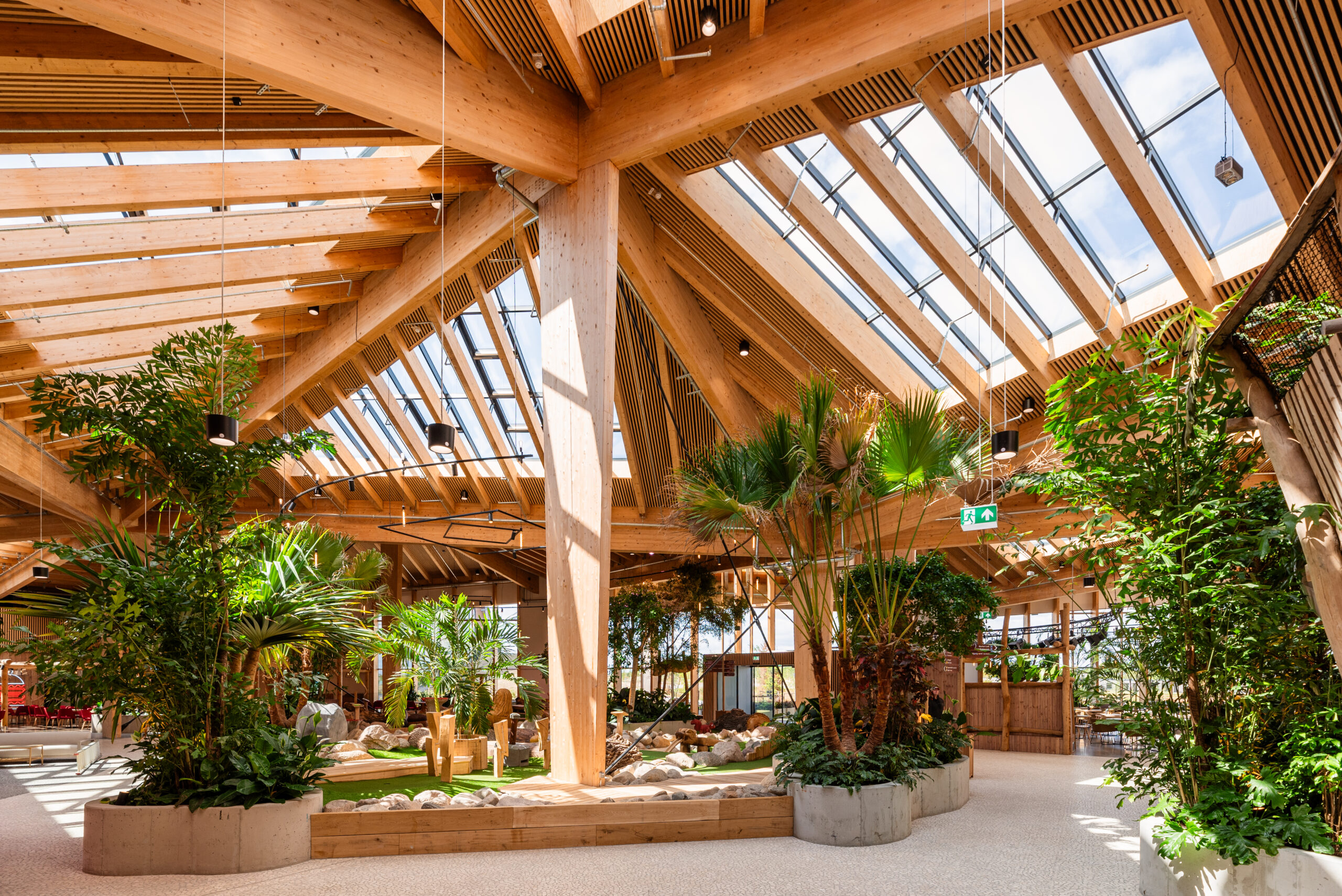
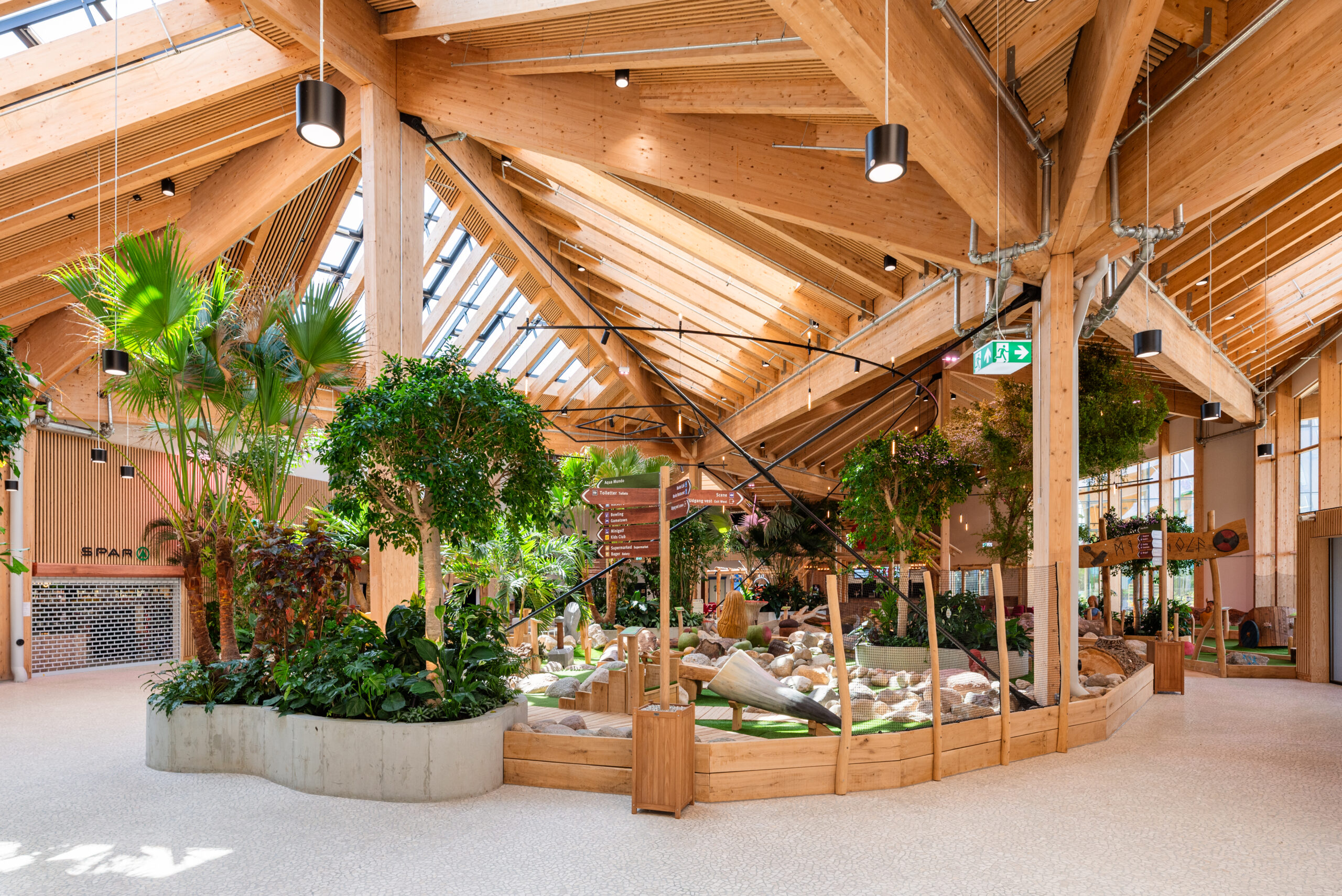
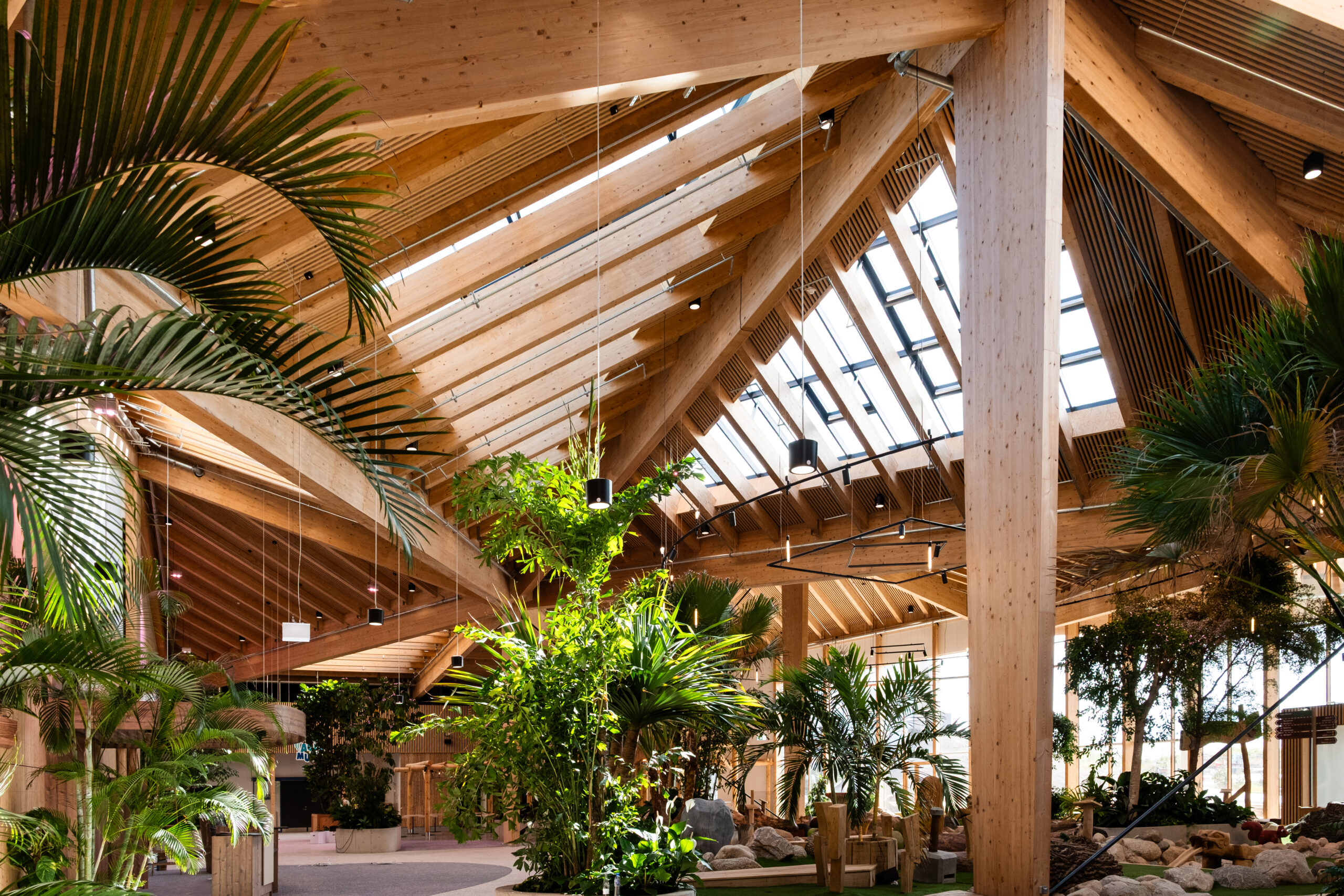
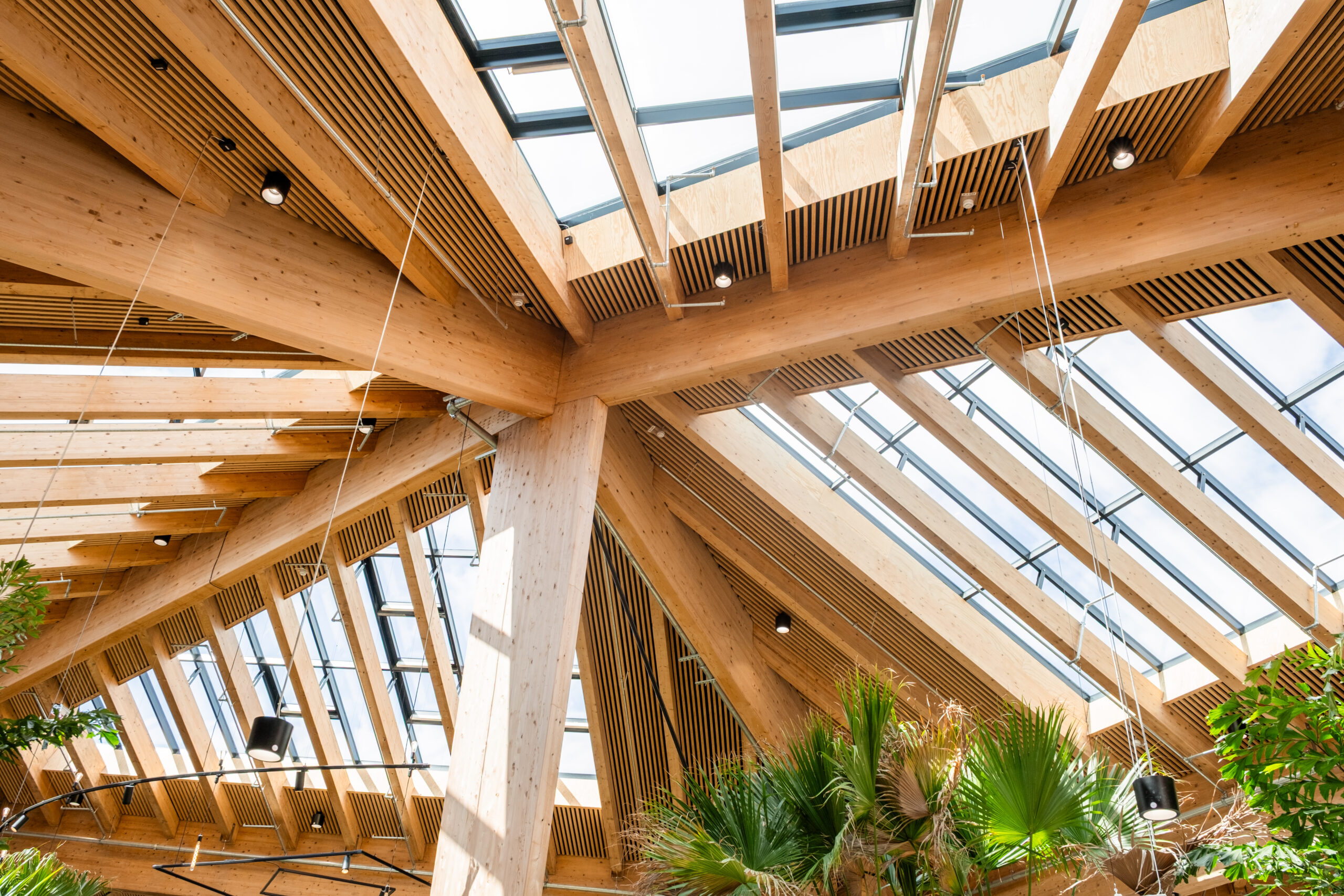
In the design, ZENI took inspiration in the surrounding nature, specifically the beech forests you find all along the Danish east coasts, as well as on Als. The large beech trees right next to the coastline have a special place in the hearts of the Danish, and the even play a prominent part in the countries national anthem. The architects wanted a stroll through the Market Dome to resemble a walk through a beech forest. Large wooden columns, like tree trunks, support an undulating wooden roof structure.

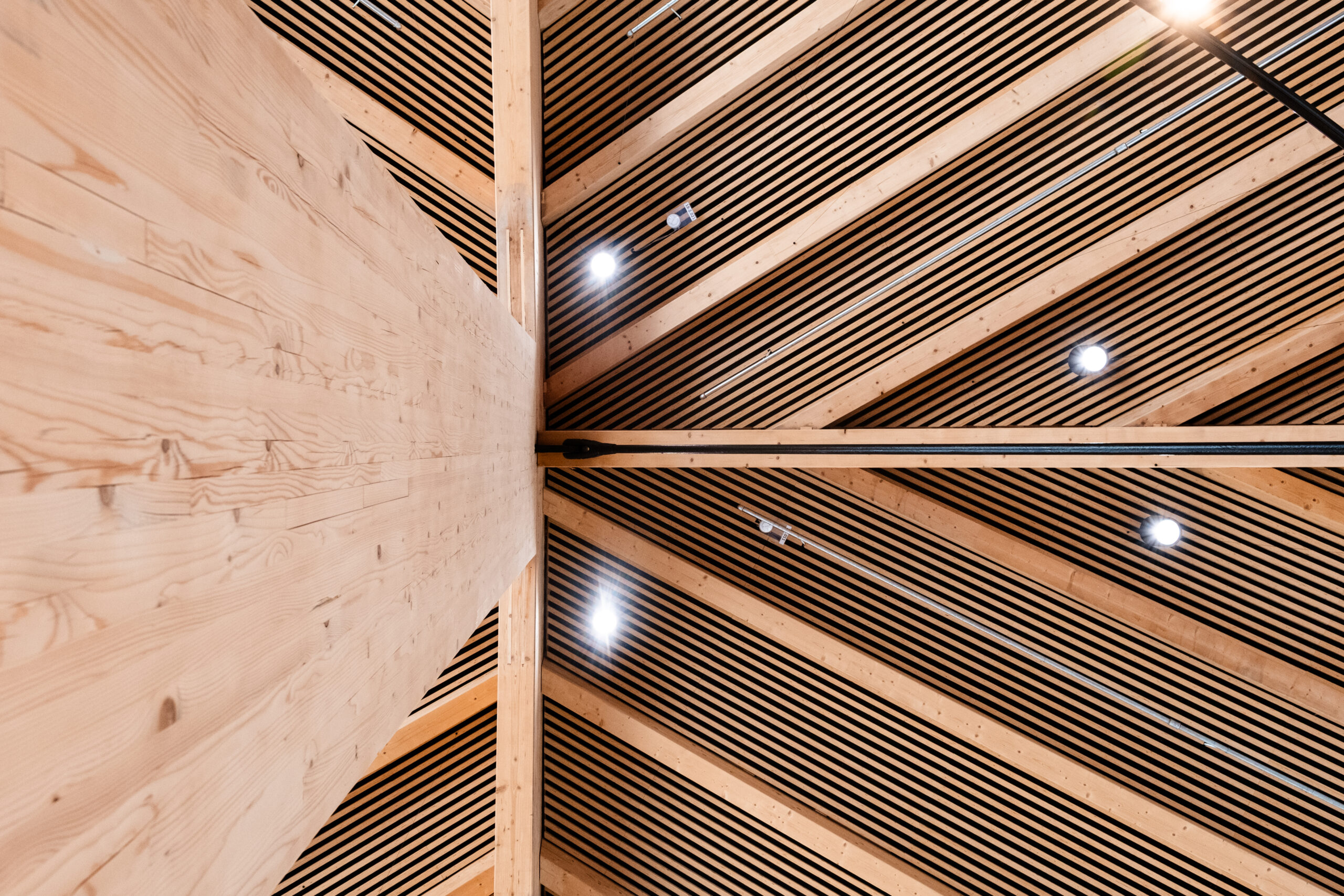
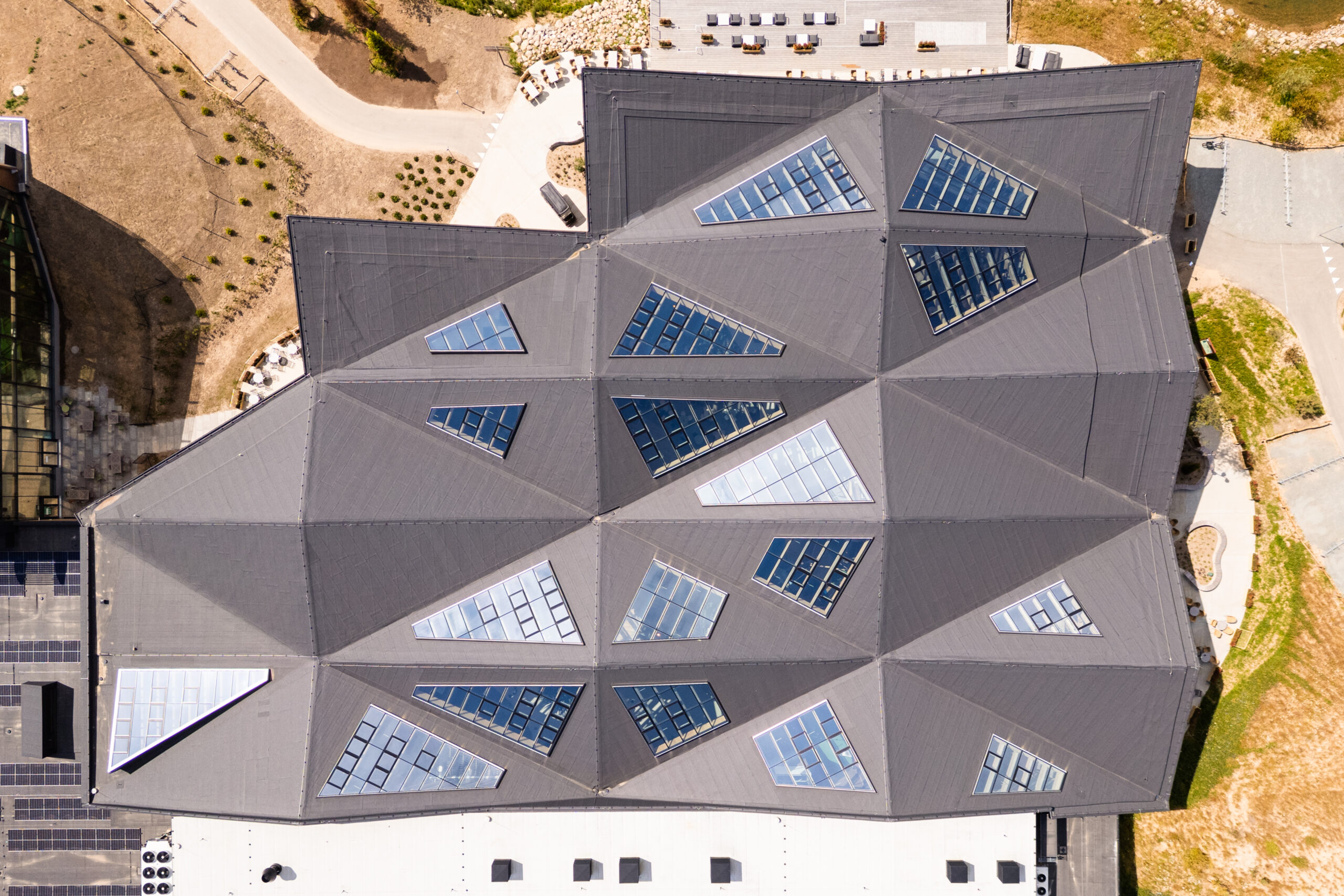
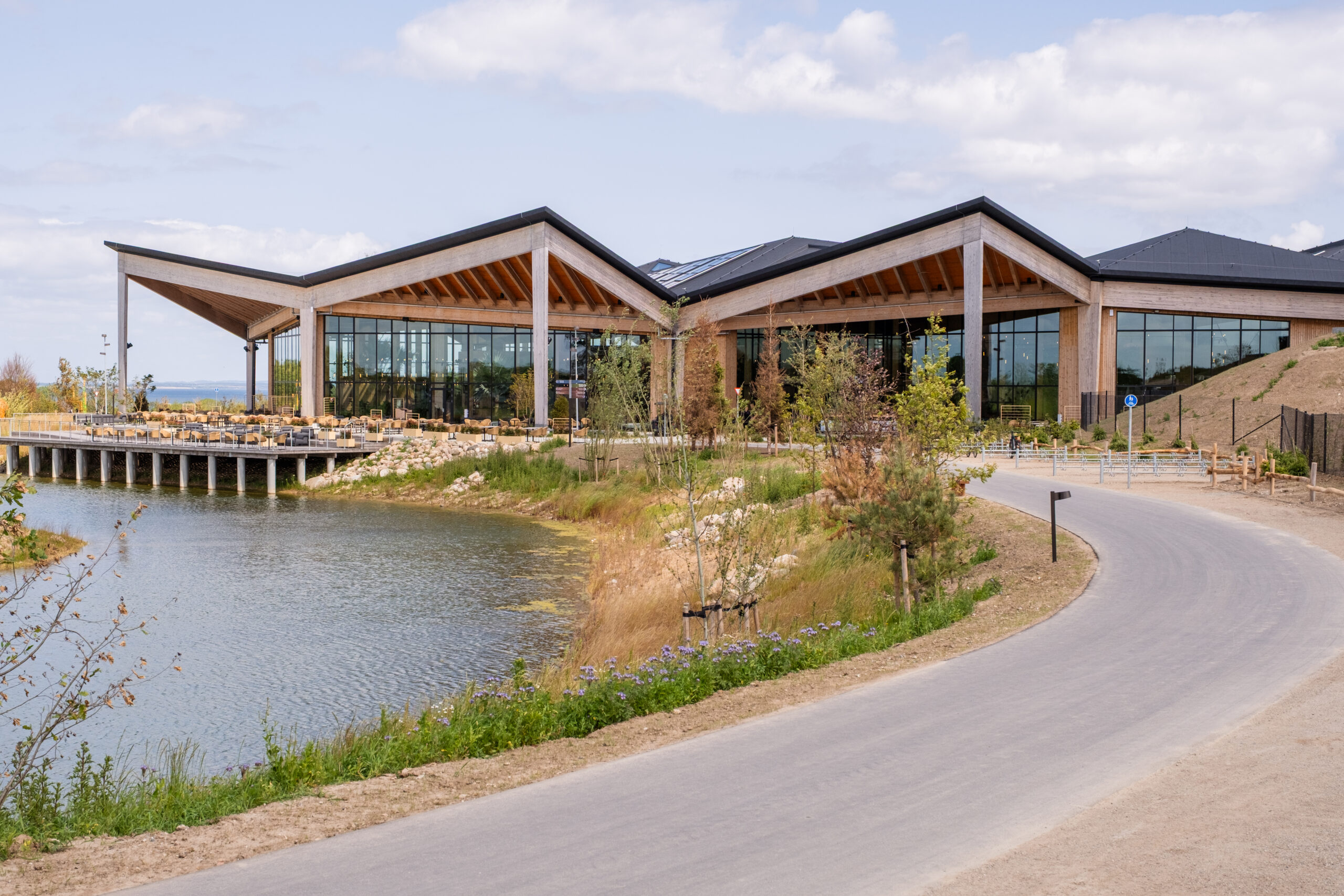
The roof structure is seemingly simple with a repeated grid of four columns with different heights, supporting a triangulated roof, but the visual effect is powerful and far from simple. When seen from above you can see that the structure is inspired by a folded piece of paper, and is sometimes referred to, as an ‘origami roof’. Large, unevenly distributed skylights let the daylight shine through in various ways, which underlines the feeling of walking under a forest canopy. Large, uninterrupted glass facades give a close relationship to the surrounding landscape and blur the lines between inside and outside.

The Market Dome houses two restaurants, a café, a large play area, a mini golf course, a small supermarket as well as a bowling alley and an arcade room. With all that activity under one roof, acoustics have played a significant role in the design. The undulating roof, with its many angled surfaces, is clad with effective acoustic absorbents, and so is every available wall space. Large planter beds with real and varied plants divide the large room into smaller areas, providing visual filters and peaceful corners to allow the many different activities to coexist.

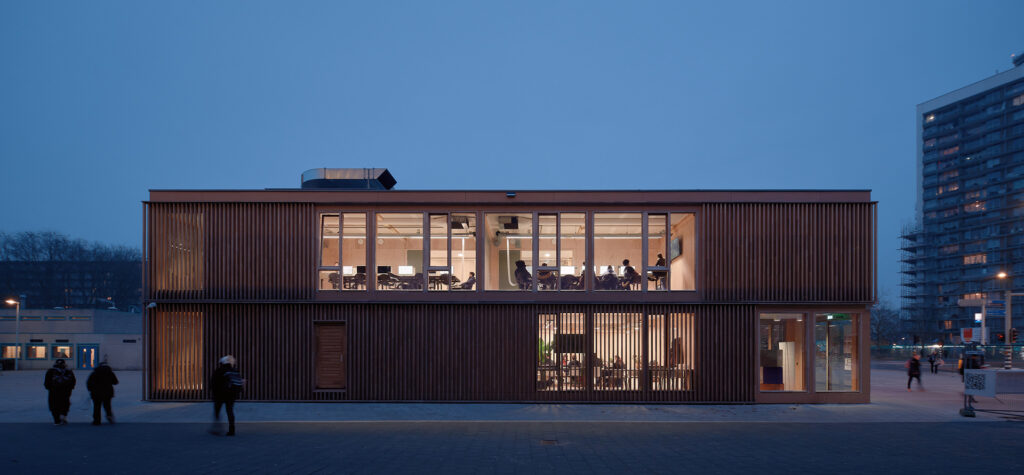
The wooden structure, with a triangulated roof runs as an architectural red thread through the rest of the resort buildings as a signature expression.

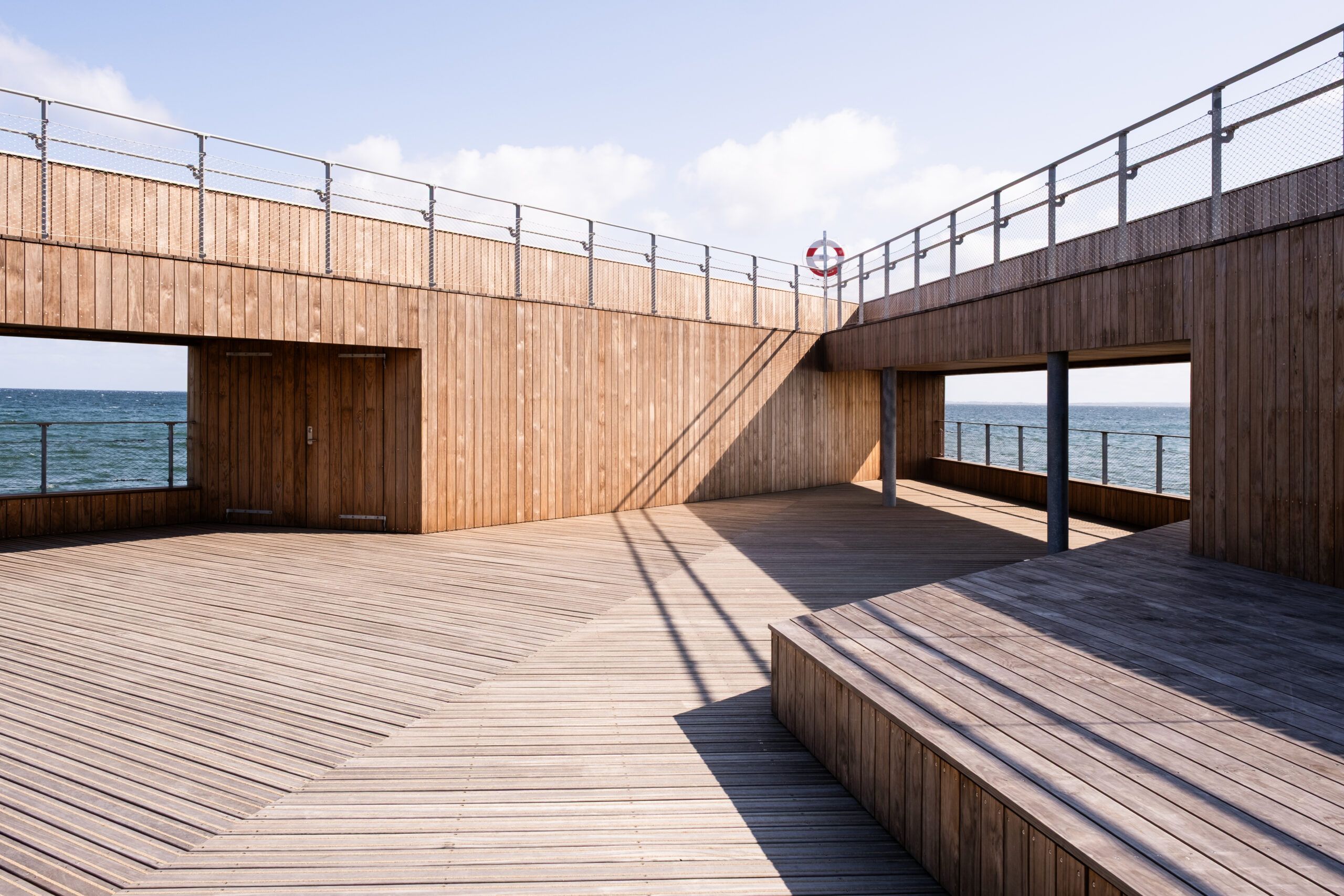
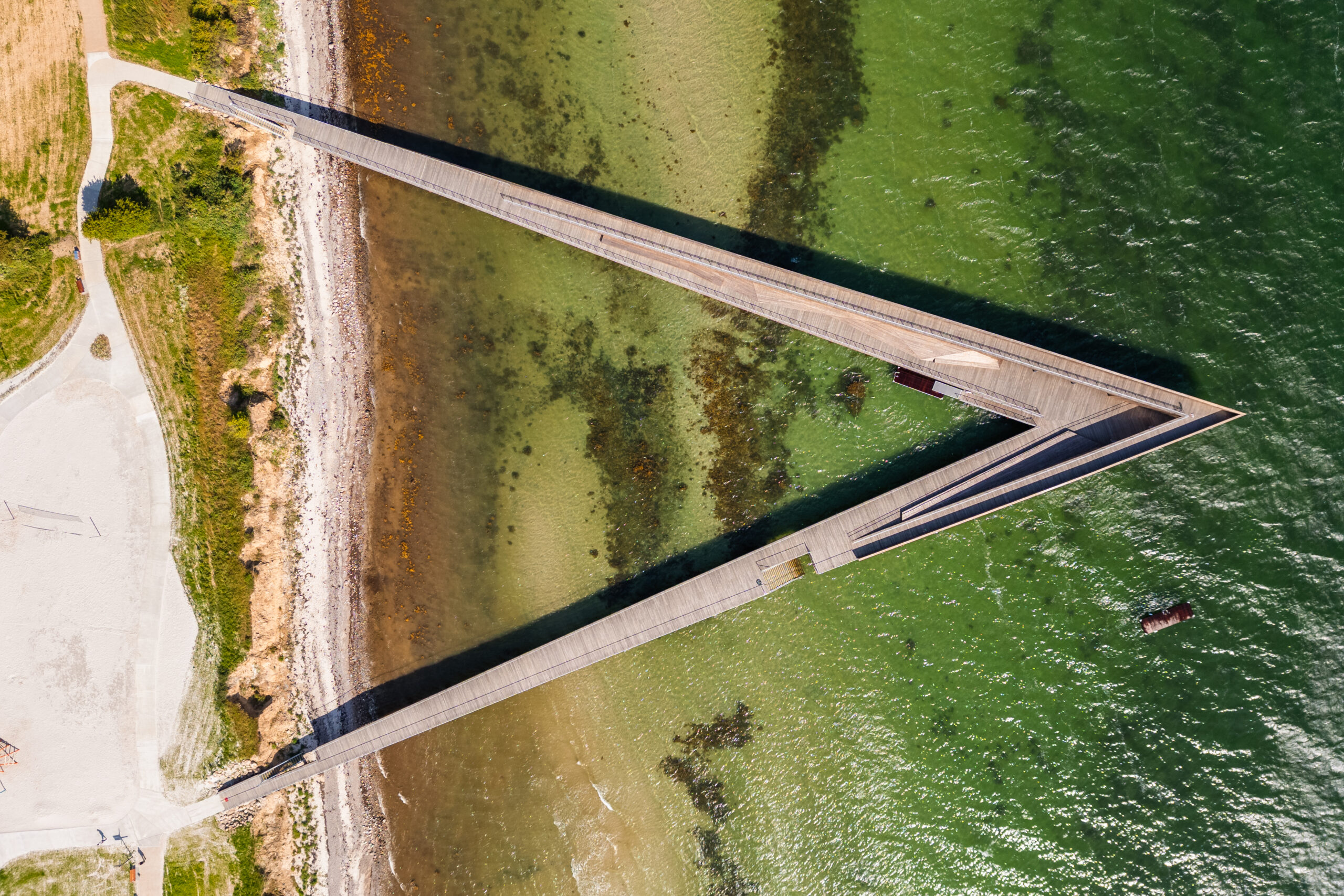
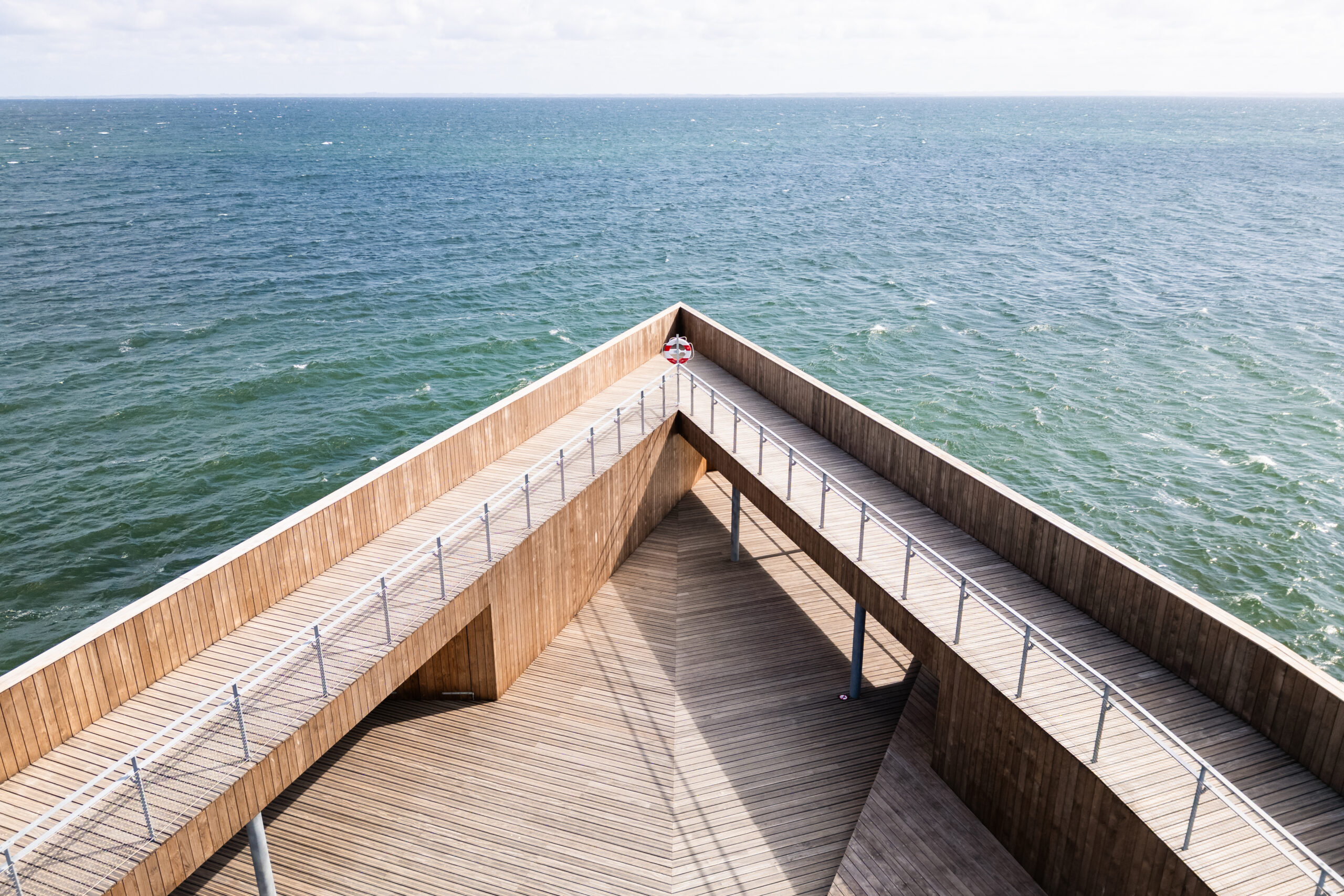
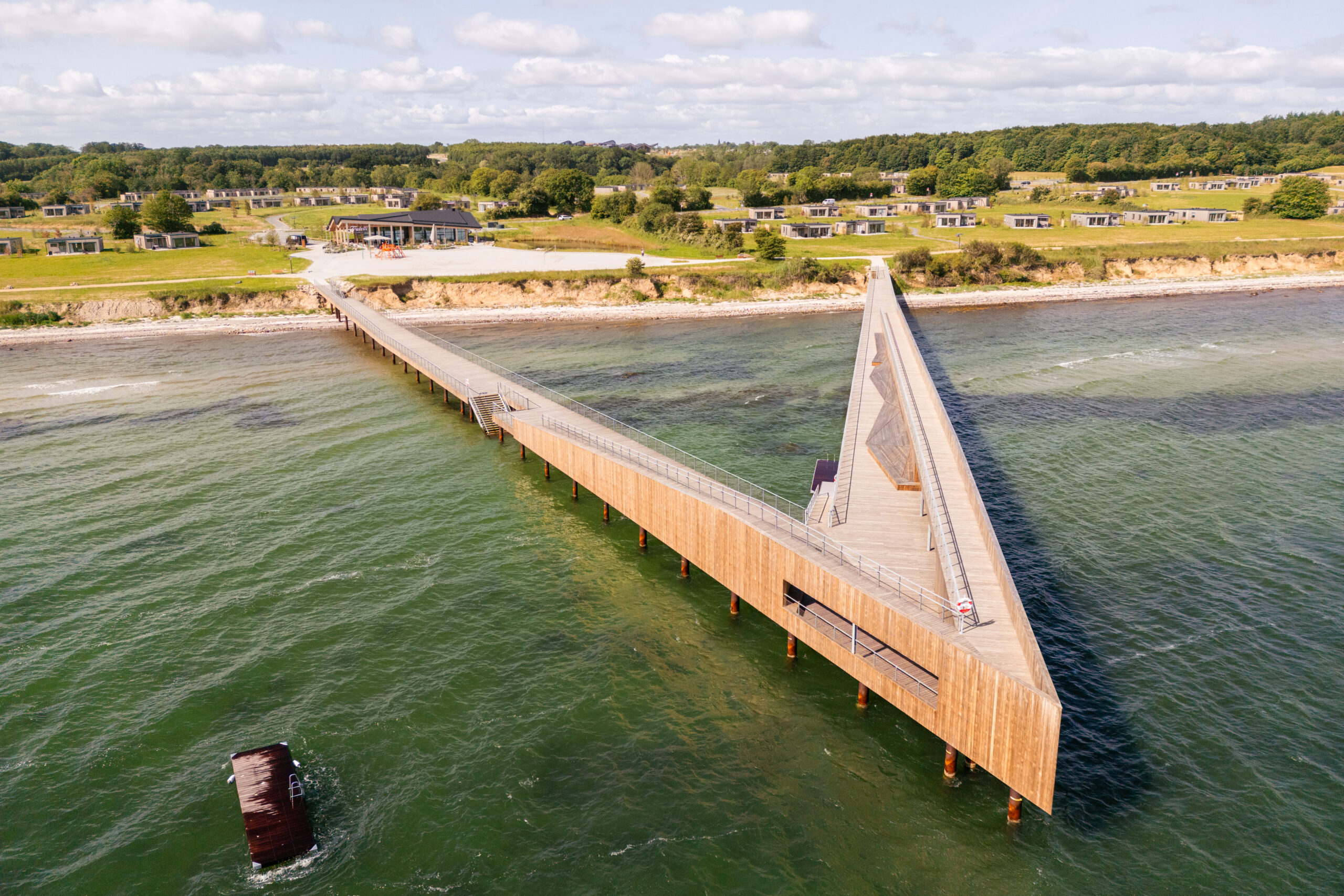
The only exception is the large pier, that stretches 140 meters out into the Baltic Sea, towards the neighboring island of Funen (Fyn). The Pier, with its triangular shape, is clearly inspired by the bow of a ship, allowing visitors to walk to the very end, and have a real “Titanic moment” (the “I’m the king of the world”, not the sinking part…). The pier, as well as the rest of the resort, is designed to be wheelchair accessible. It was a requirement from the start that the resort should receive a DGNB Gold certification, and with this successful ambition, Center Parcs Nordborg Resort is the first resort ever, to achieve this honor.

According to the architects, it was an ambition from the start of the project that the owners wanted to show that you can build an environmentally friendly, large-scale resort. The initial challenge the project ran into, when trying to achieve a DGNB certification, was that there didn’t exist a category for resorts, so one had to be tailor made. The most visible effect of the environmentally friendly approach is the vast use of timber constructions and wood cladding throughout the different resort buildings.

DGNB is a very holistic approach to sustainability and doesn’t just focus on CO2 emissions. That is why the successful ambition to achieve a DGNB Gold certification has influenced every aspect of the resort, and not just the buildings. The guests will find a very pedestrian and cyclist friendly resort, with paths that wind through the lush, diverse landscape with meadows, forests, open streams and lots of wildflowers. Accessibility has been a big focus point, and the entire resort is wheelchair friendly, even the long, sloping pier.

Besides the ambition to build environmentally friendly, there was another idea behind the use of the large timber constructions. The resort is located on the shores of the Baltic Sea. The lush beech forests along the Danish East coast are a special feature of the countries landscape, that has a special place in the hearts of the Danish people and even plays a prominent part in their national anthem. The timber construction, with its undulating, ‘folded’ roof runs as a common feature through the different resort buildings, giving them a clear, architectural relationship.


Read next

Type To Search

Images © ZENI arkitekter a_s