Malte Lundberg unveils ergonomic desk chair crafted entirely from wood
Chair aims to spark joy and curiosity, almost like a small character that keeps you company throughout the day
February 18, 2026
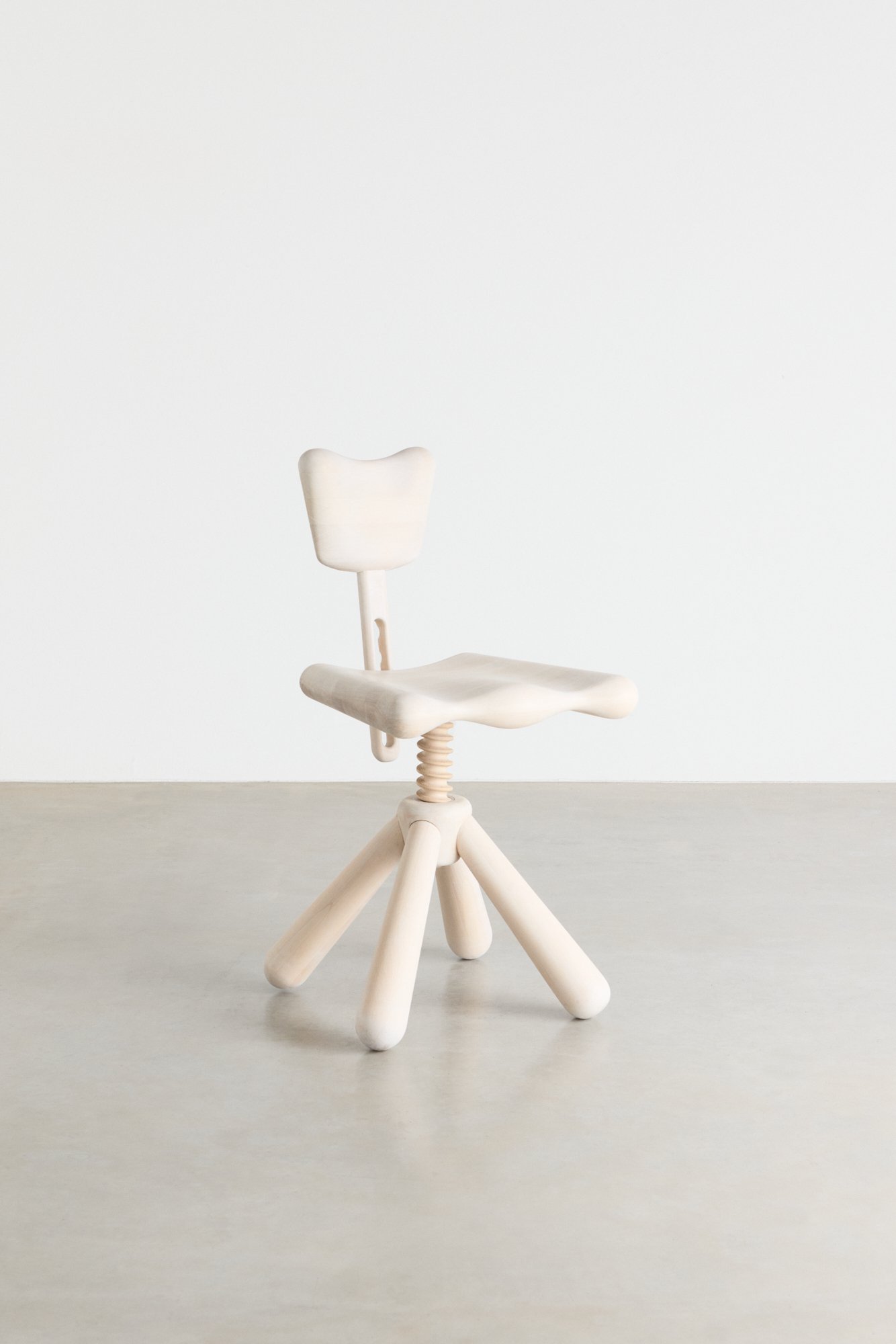
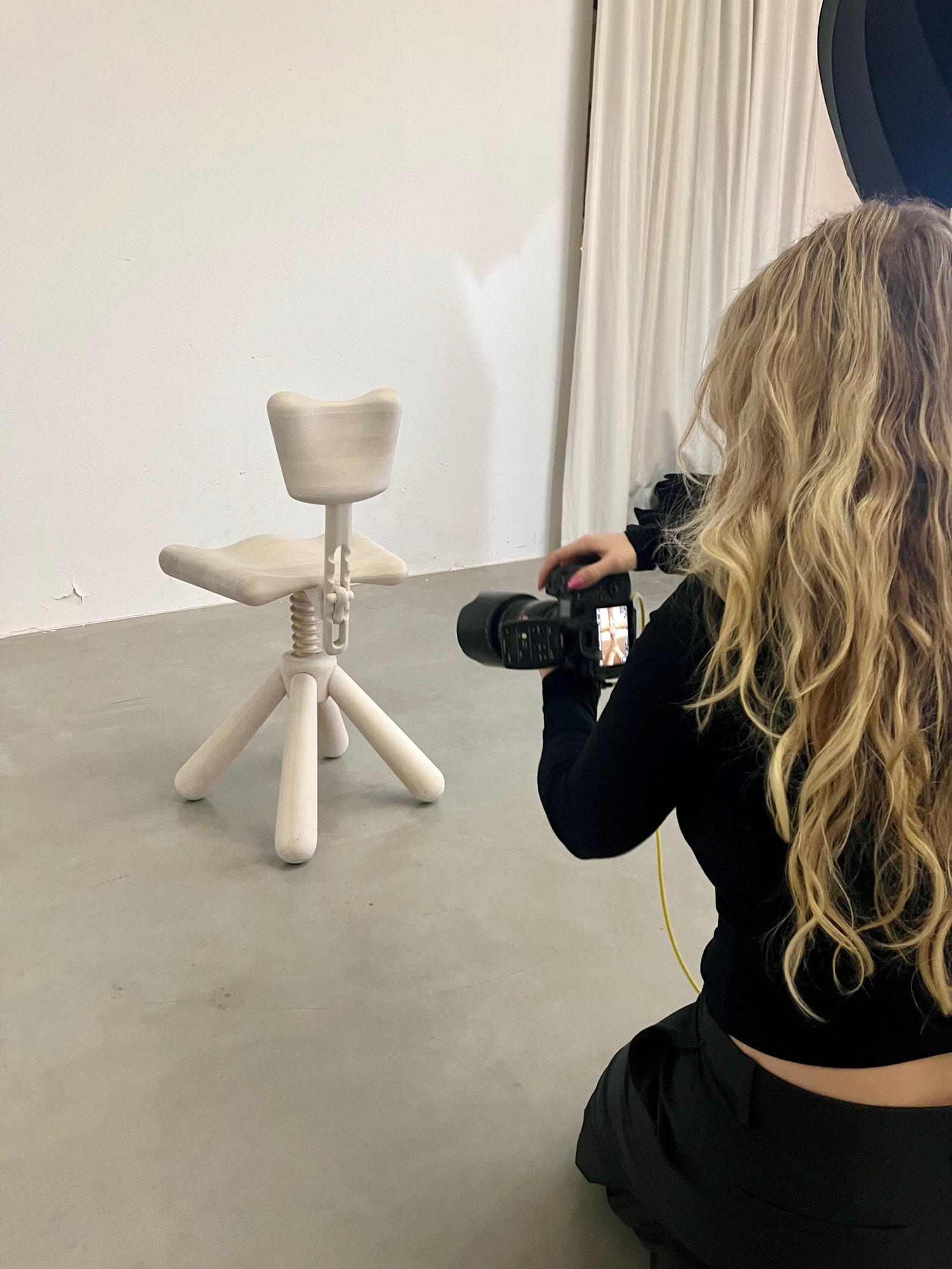
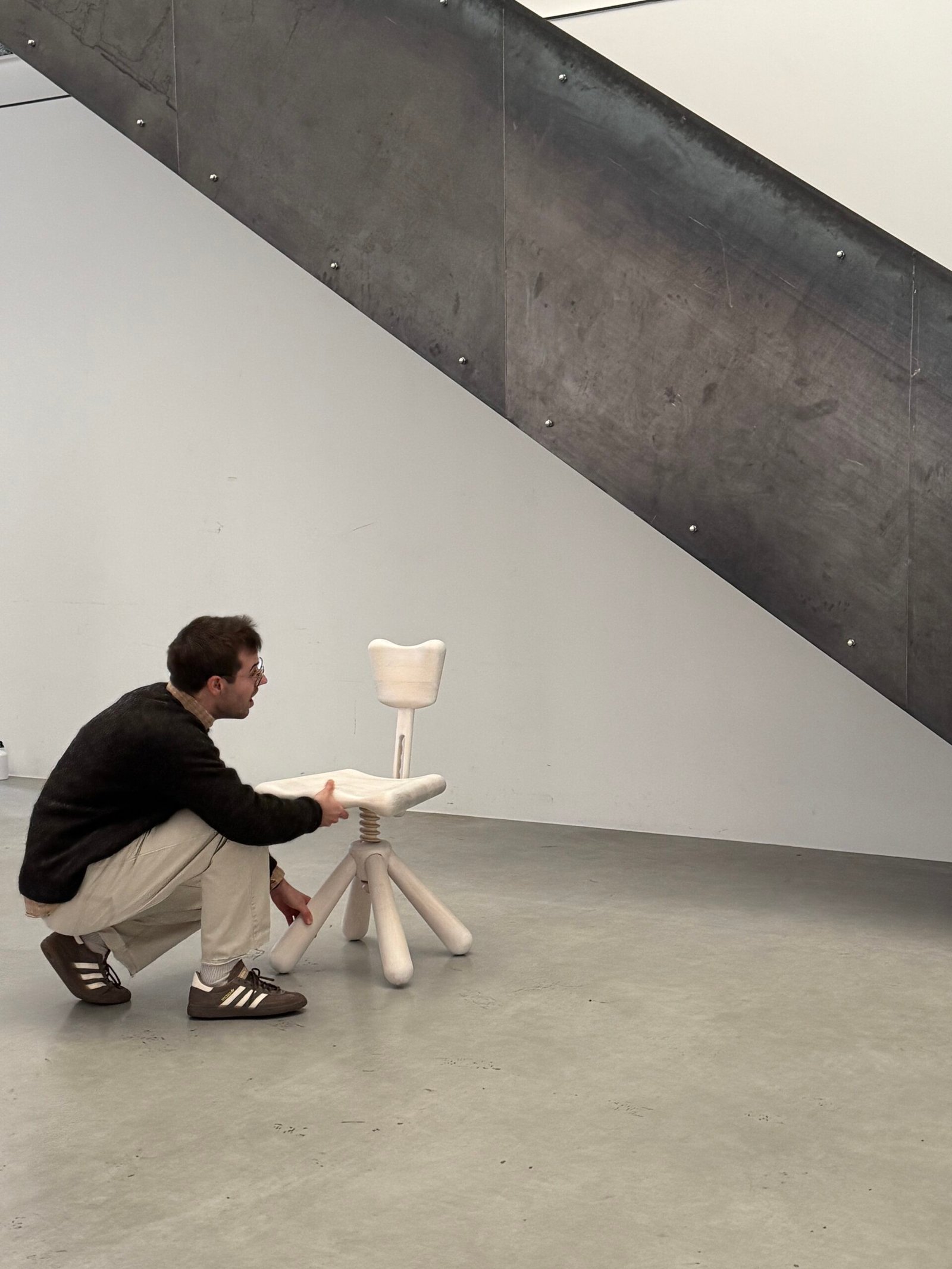
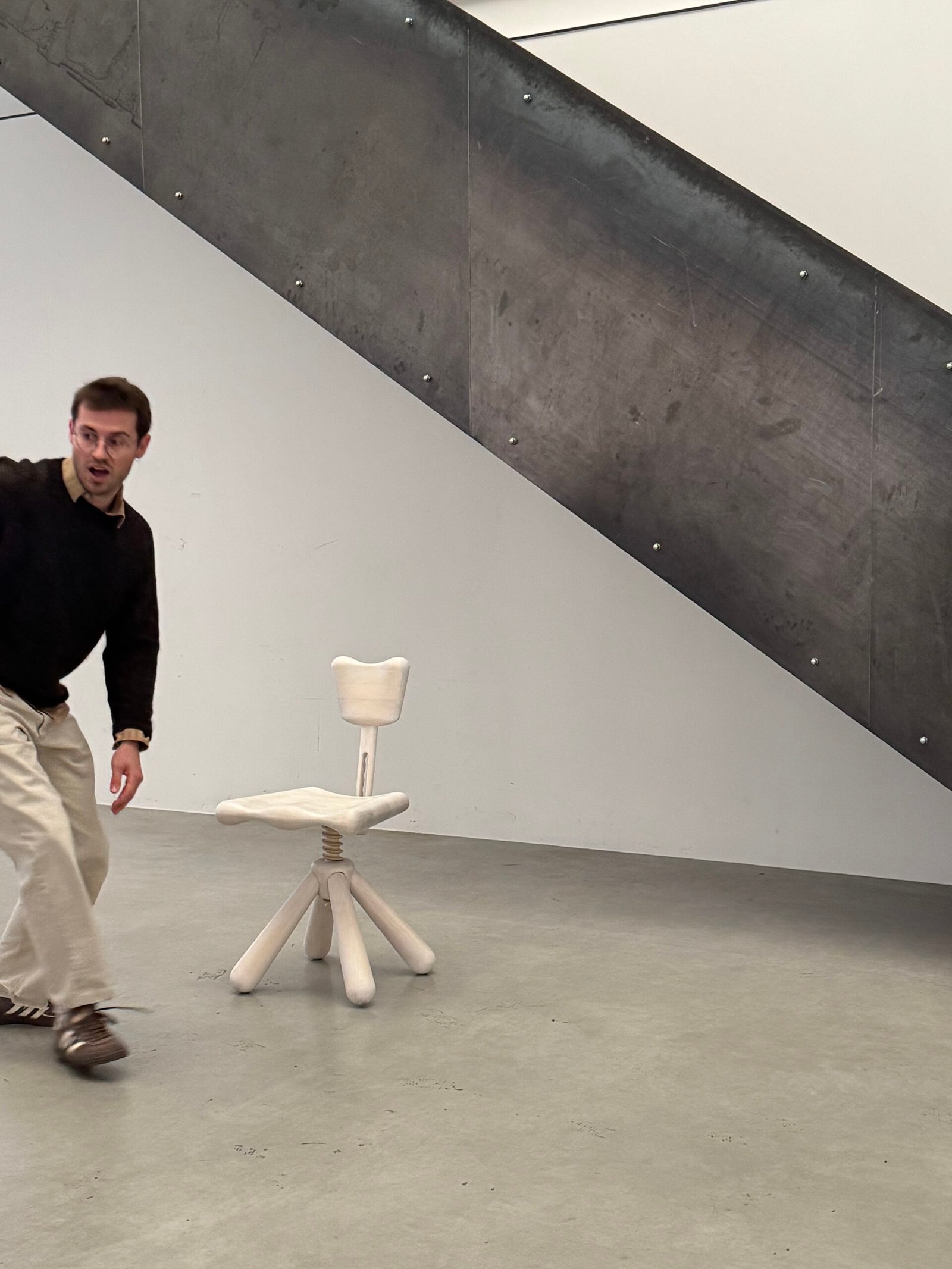
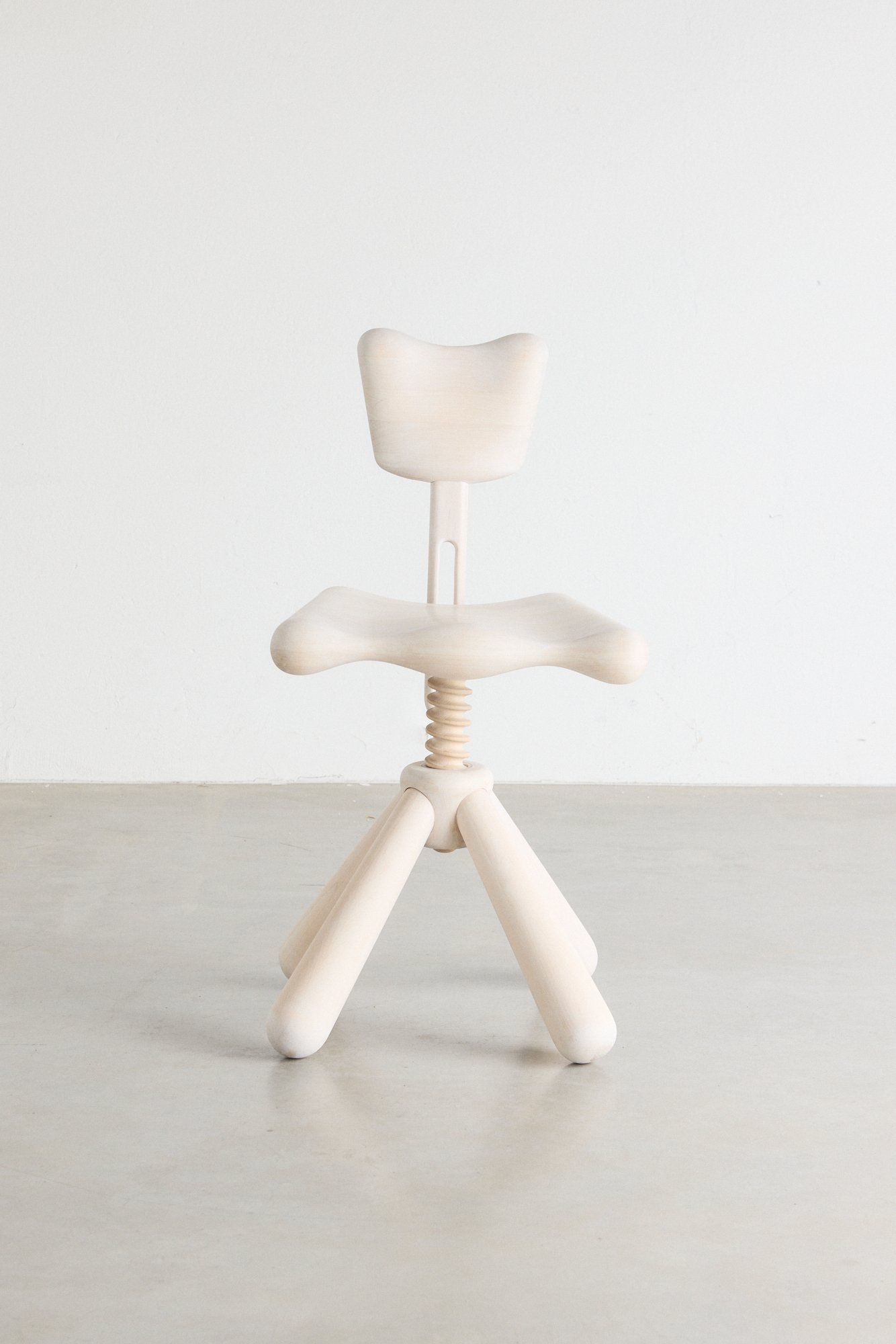
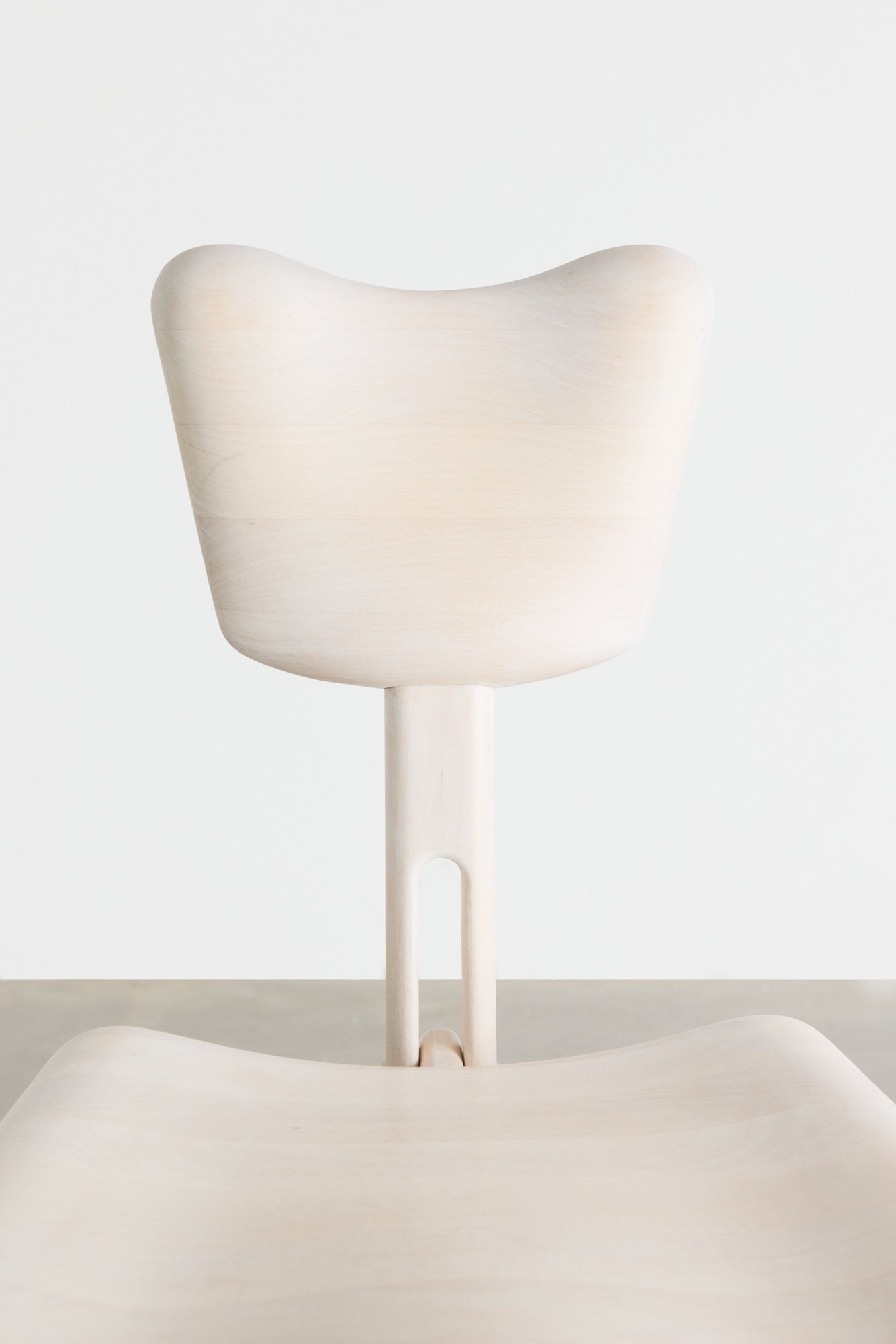
Silas is a chair that seeks to engage: it can stand by a desk, in a studio, or at a dining table – and still feel at home. The chair aims to spark joy and curiosity, almost like a small character that keeps you company throughout the day. Designed by Swedish designer Malte Lundberg as part of his studies at Stockholm’s Beckmans College of Design, its name is connected to the forest and wood; it also happens to be his middle name.
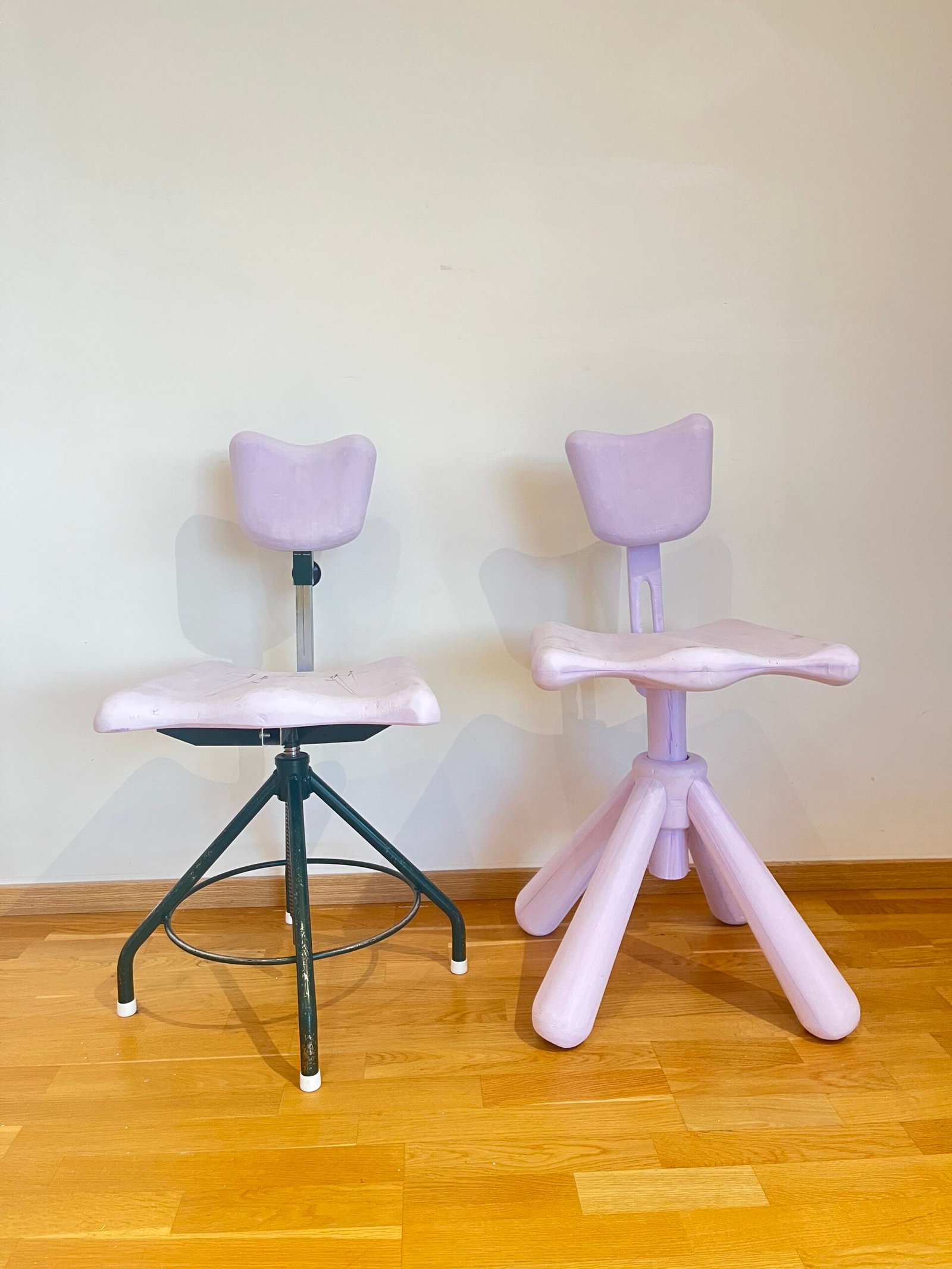
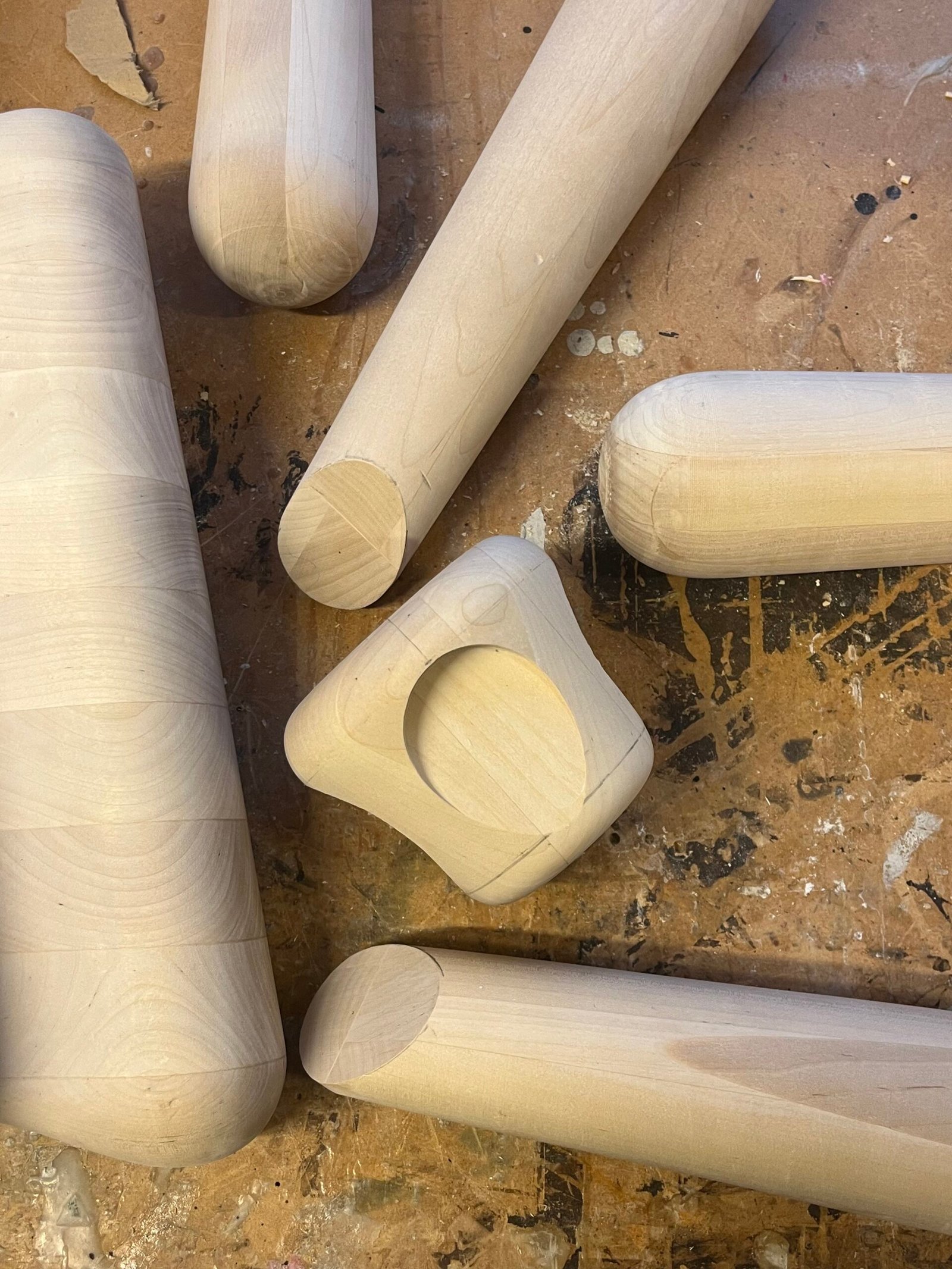
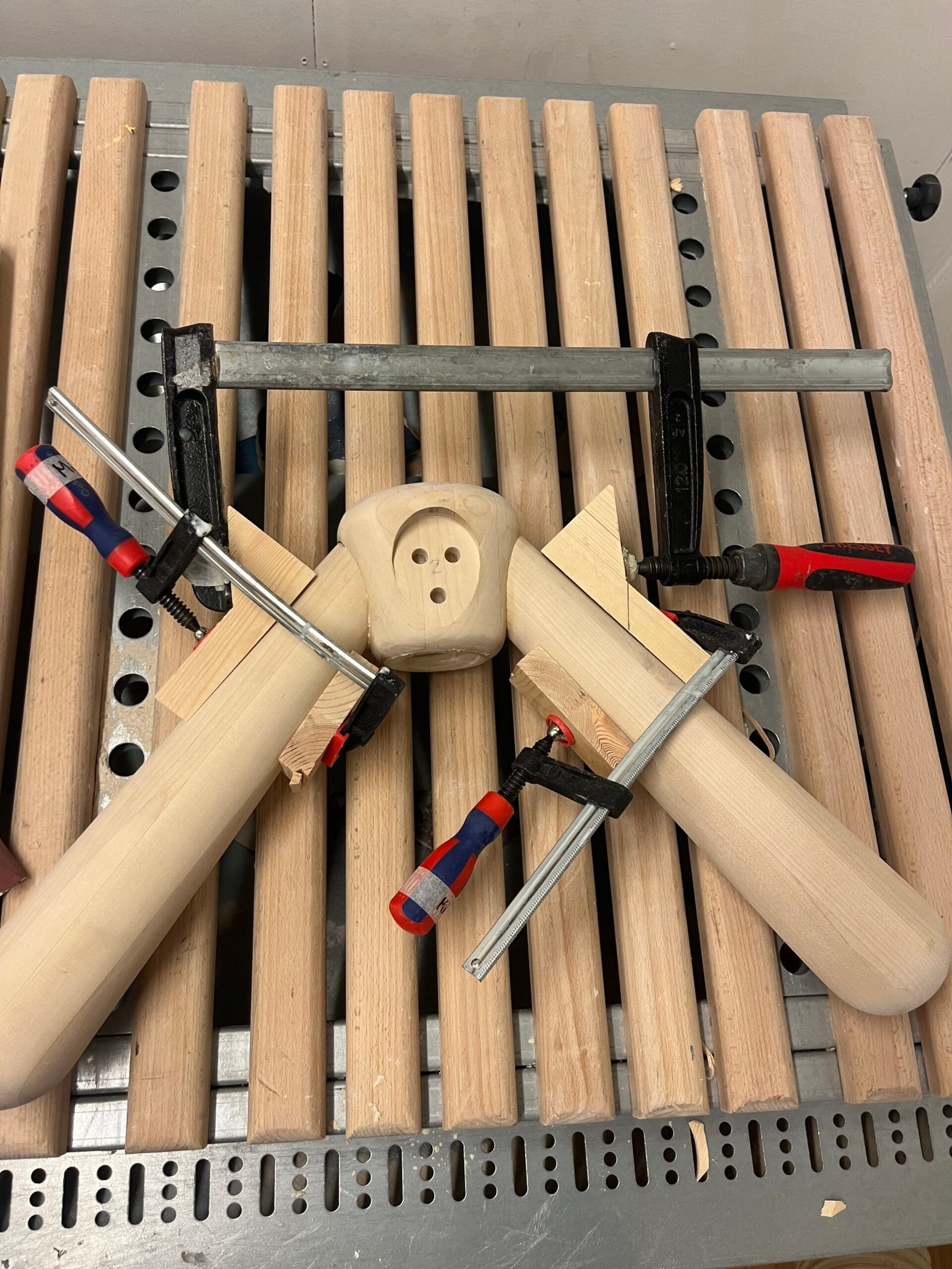
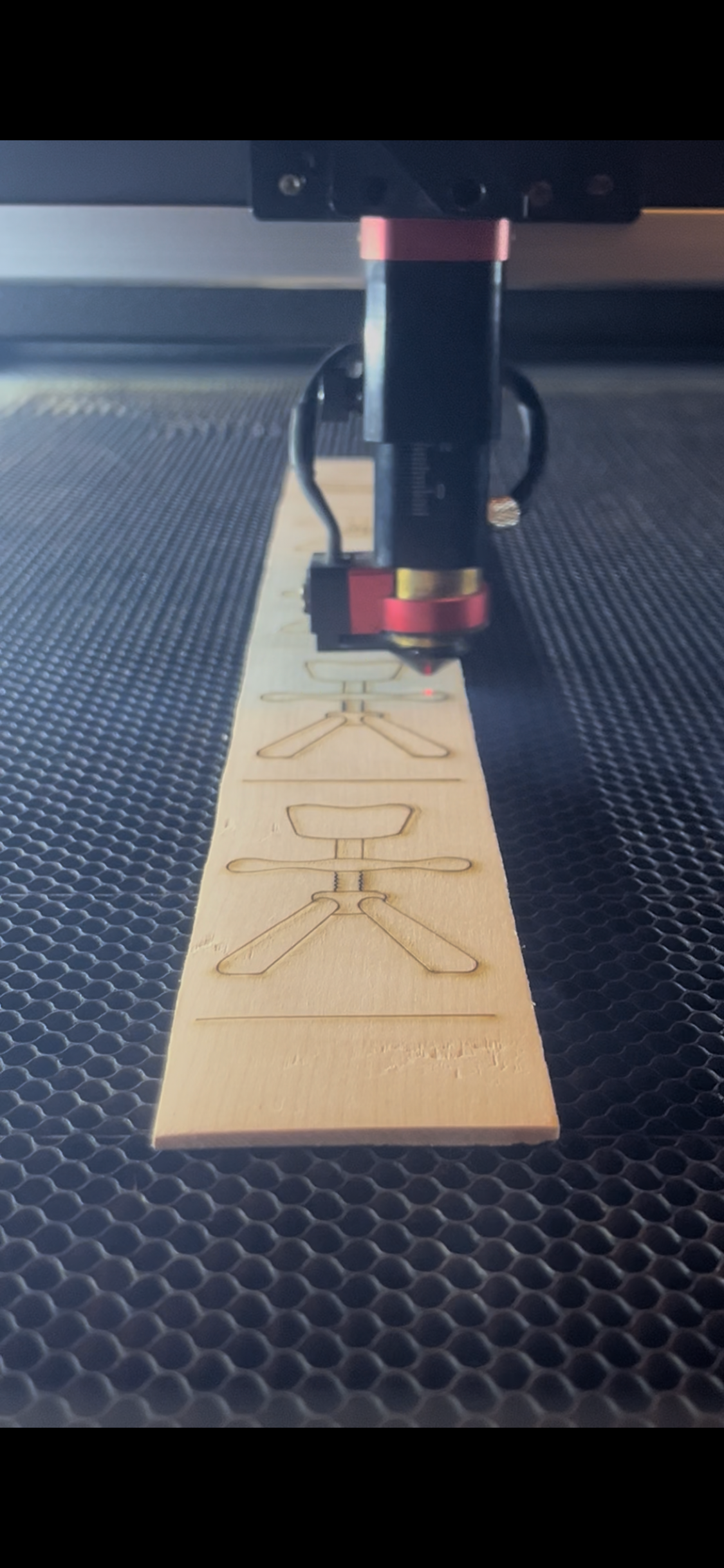
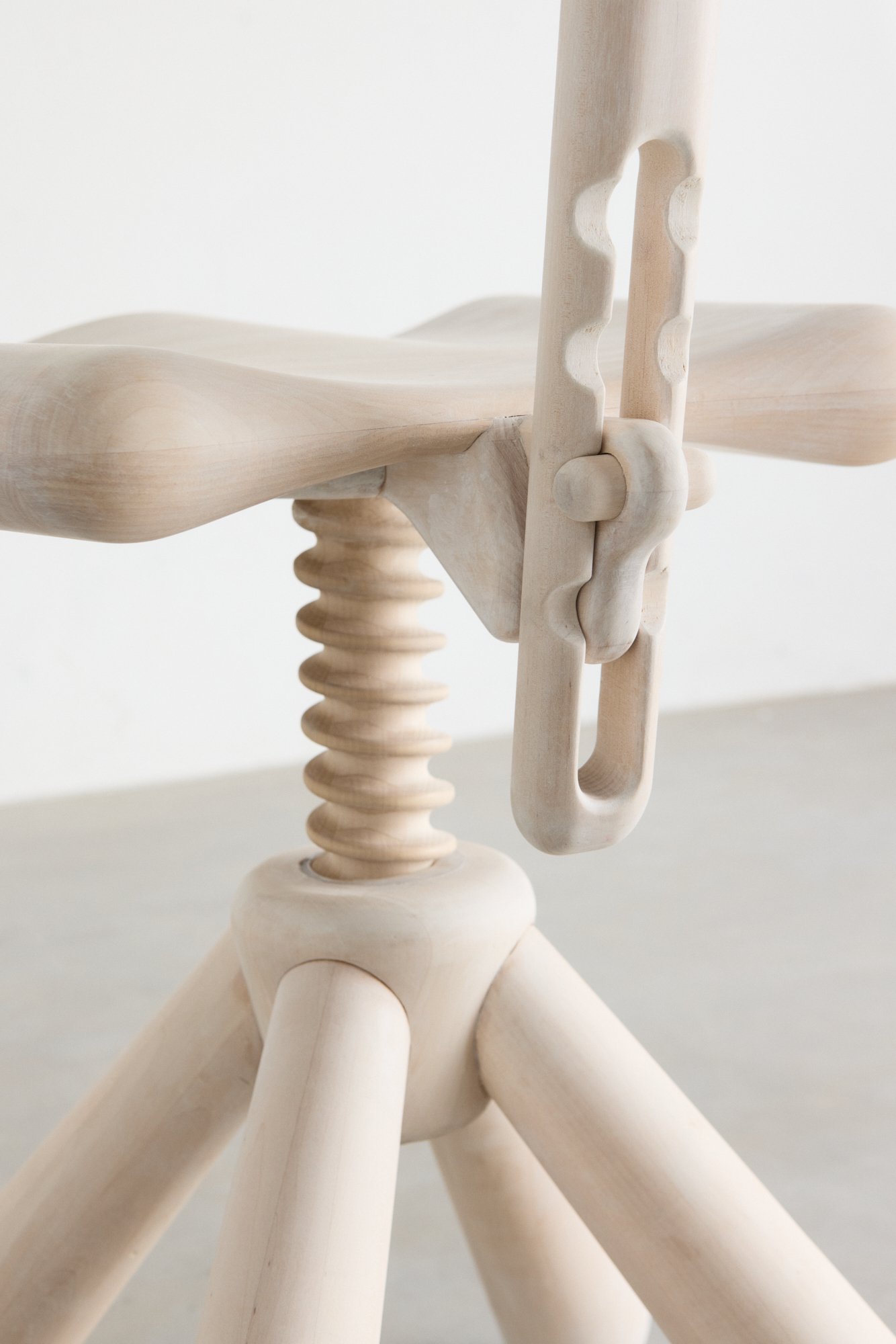
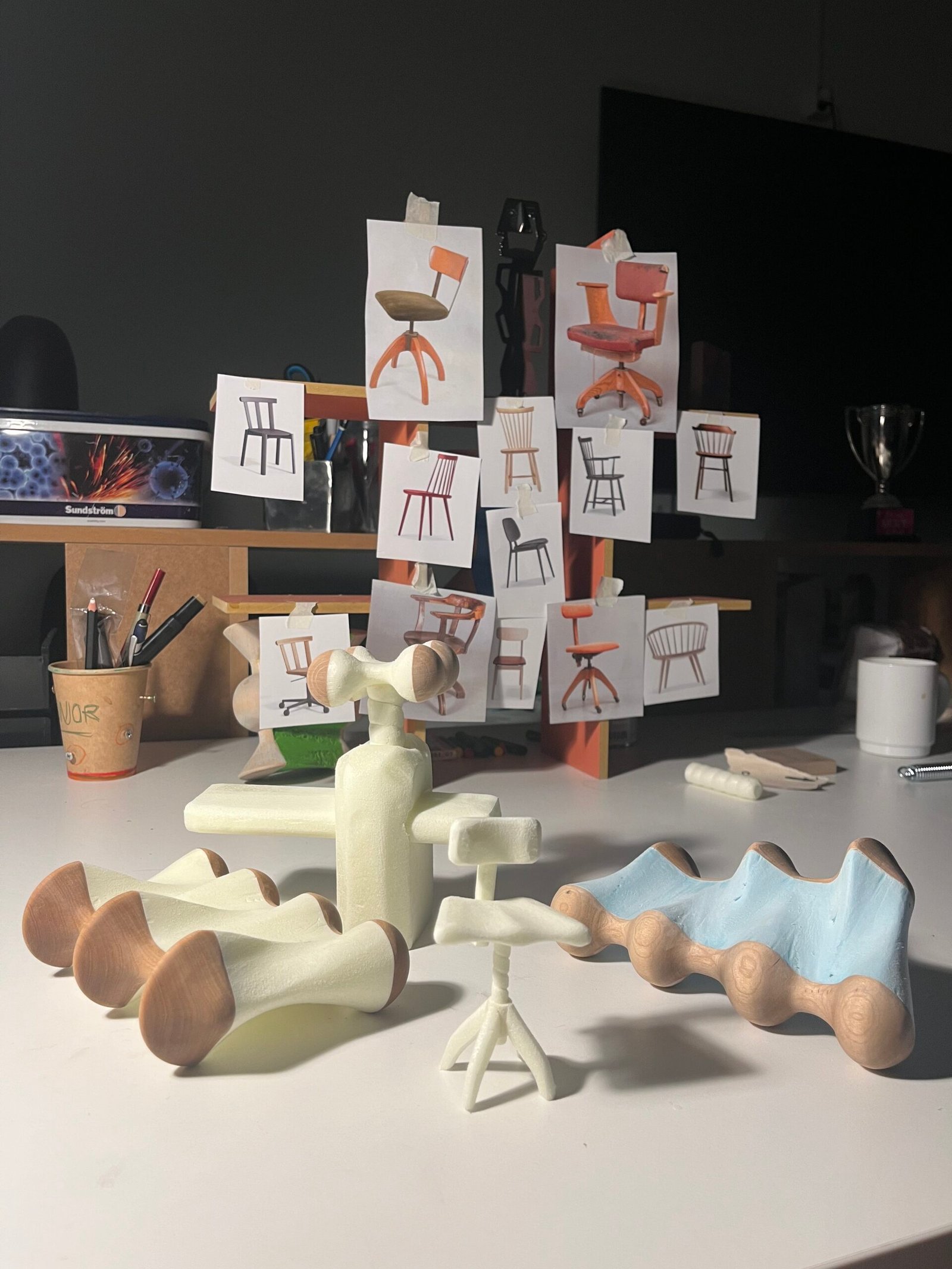
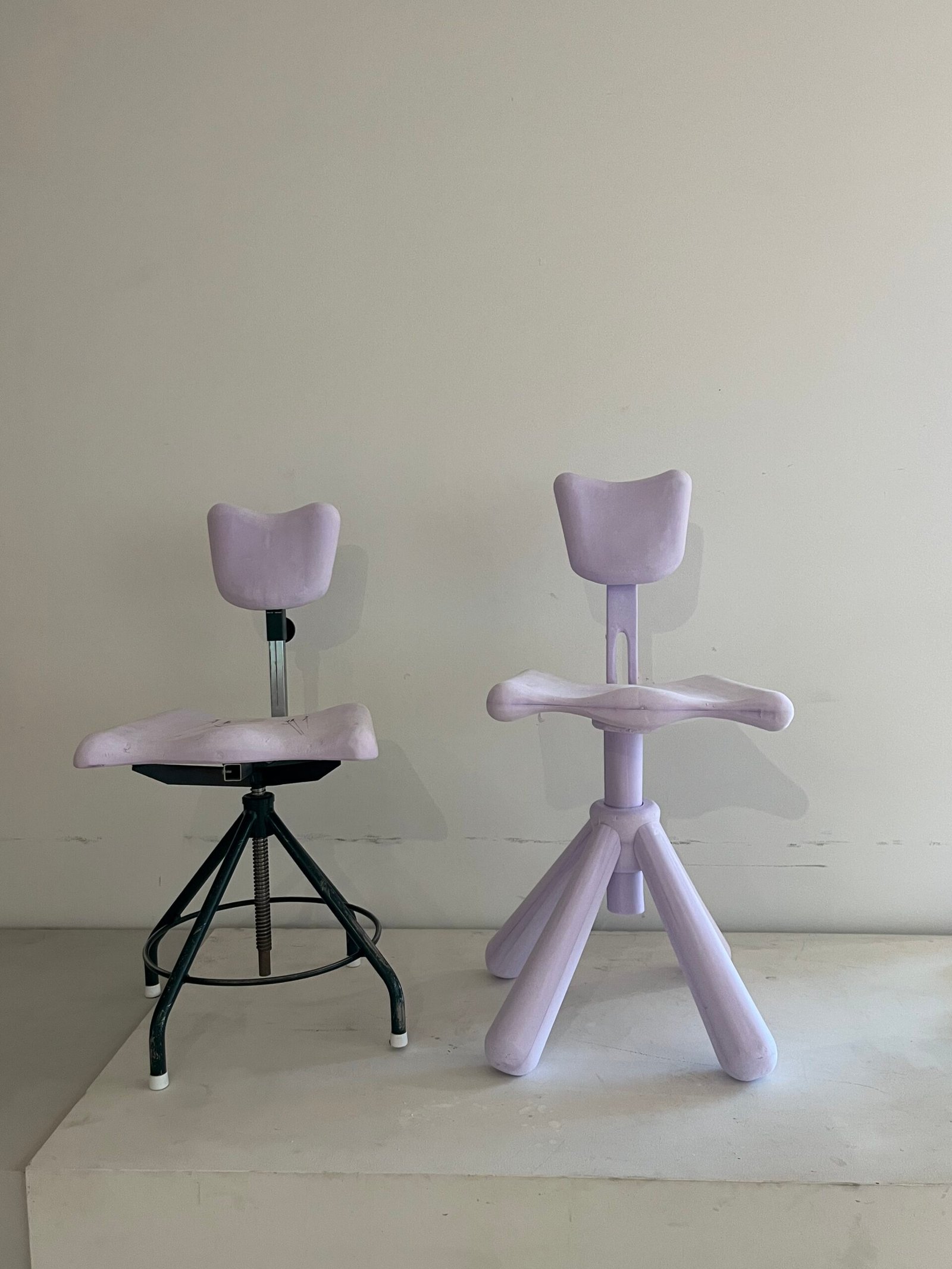
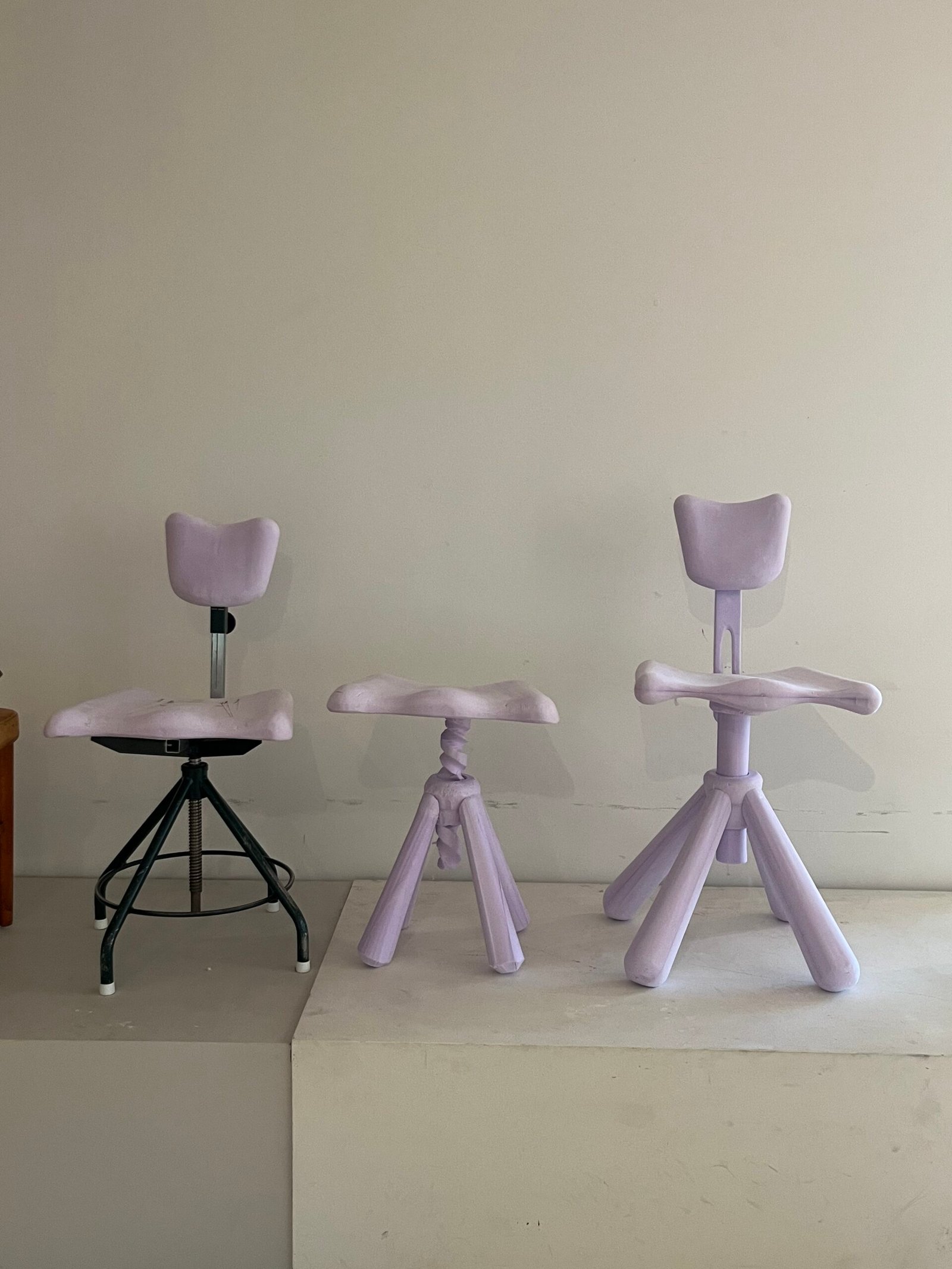
Presented at Stockholm Design Days, this ergonomic desk chair is crafted entirely from wood, including the large spiral screw mechanism used to adjust the seat height. Lundberg experimented with turned form studies and explored how mechanical details (usually made in metal) can be translated into wood. He worked at both large and small scales in order to find forms that are ergonomic yet sculptural.
Whilst most adjustable task chairs use metal and plastic for their various mechanical components, with Silas, Lundberg aimed to demonstrate that even these functions can be achieved using wood. According to Lundberg, he wanted to make an office chair for the home because he saw a trend where people don’t want to have really technical office chairs in a domestic context.
“I tried to make an all-wooden project and also integrate sculptural forms into what is typically quite a strict, technical category,” said Lundberg. “The project was developed in close dialogue with Stolab, a company with a strong Swedish furniture tradition and deep expertise in construction and production, which made it possible for us to manufacture Silas as intended.”
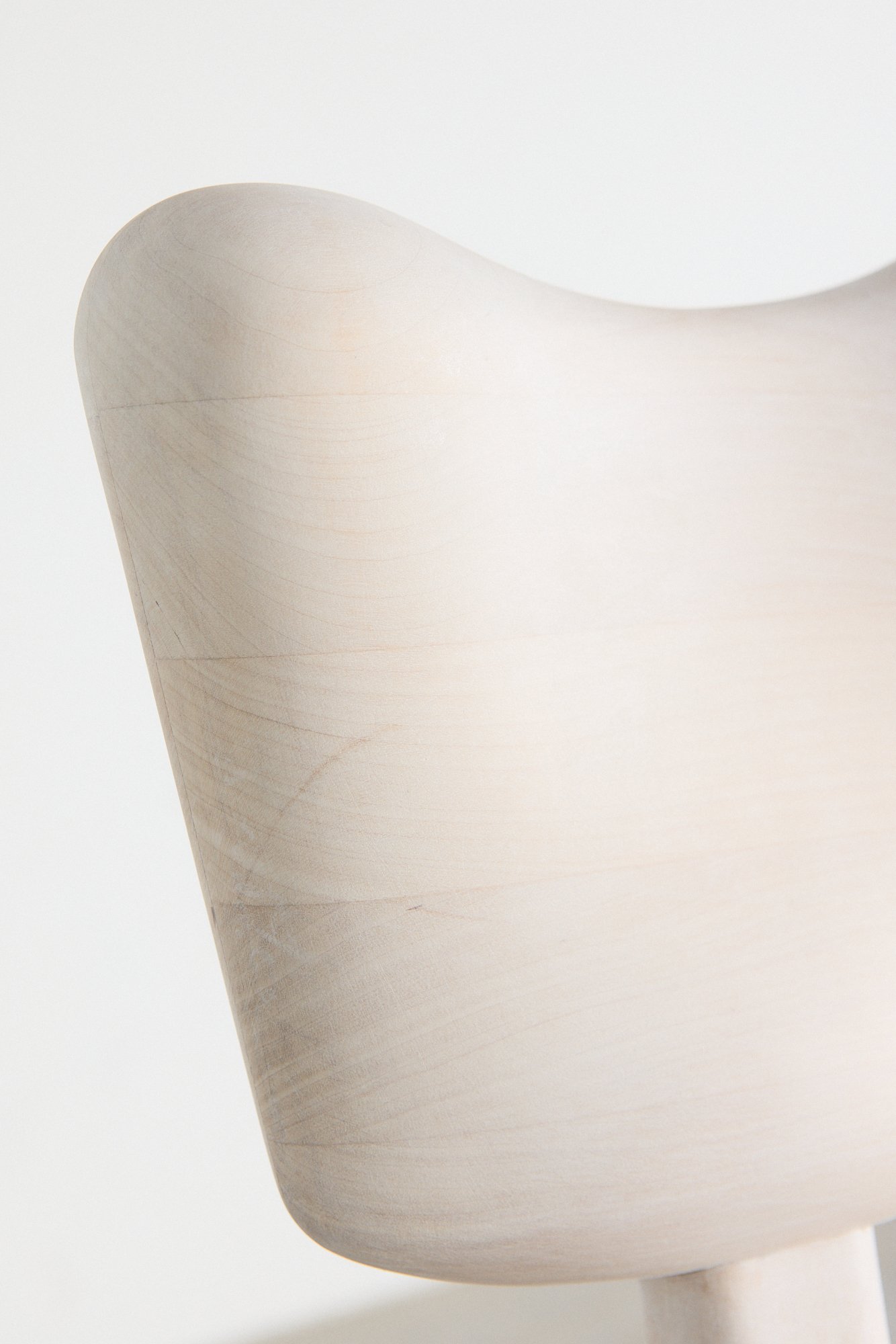
Featuring a gently curved seat and backrest, the entire chair is made from birch wood, chosen for its light color, which lends the piece a clean and simple aesthetic. Lundberg employed Stolab’s CNC mill to craft ergonomic and sculptural back and seat forms, offering comfort without requiring upholstery. According to Lundberg, the backrest was designed with a curved shape, so it presses on the muscles rather than the backbone.
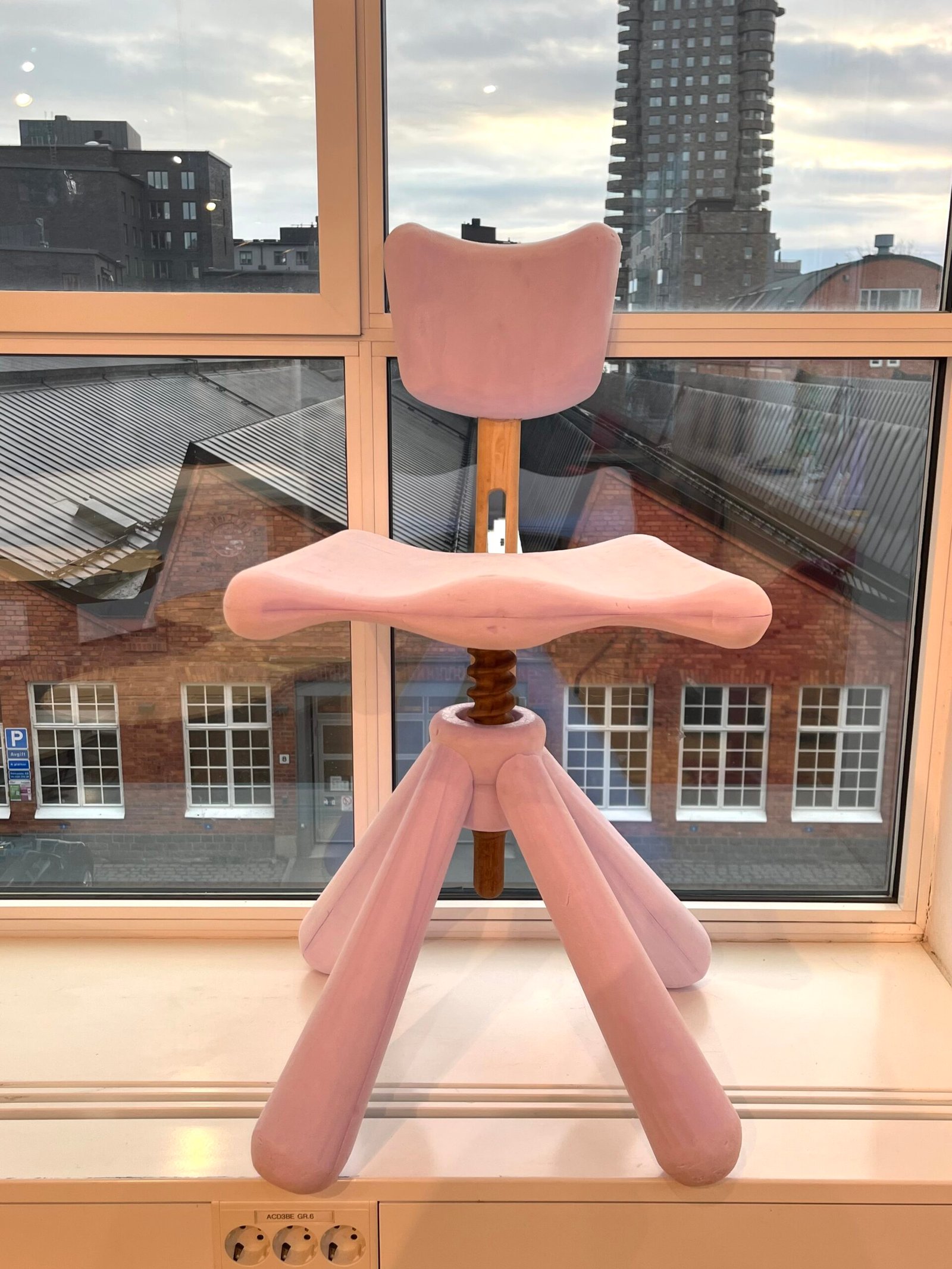
Crafting the giant screw mechanism that adjusts the seat height proved to be the most difficult aspect when working with timber. Given the high tooling costs, Owing to exorbitant tooling costs, Lundberg resorted to using a lathe to machine the bolt to millimeter precision, a task he described as ‘insanely hard’. The corresponding nut in the base of the chair was fabricated using 3D printing technology with plastic, serving as a proof of concept.
On show as part of Process, Material, Craft – an exhibition of student work from Stockholm’s three major design schools during Stockholm Design Days, the versatile chair can be used at a desk, in a studio or at a dining table as an alternative to more utilitarian options designed primarily for office environments.