The journey of a 17th-century shipwreck continues as a unique knitted dress
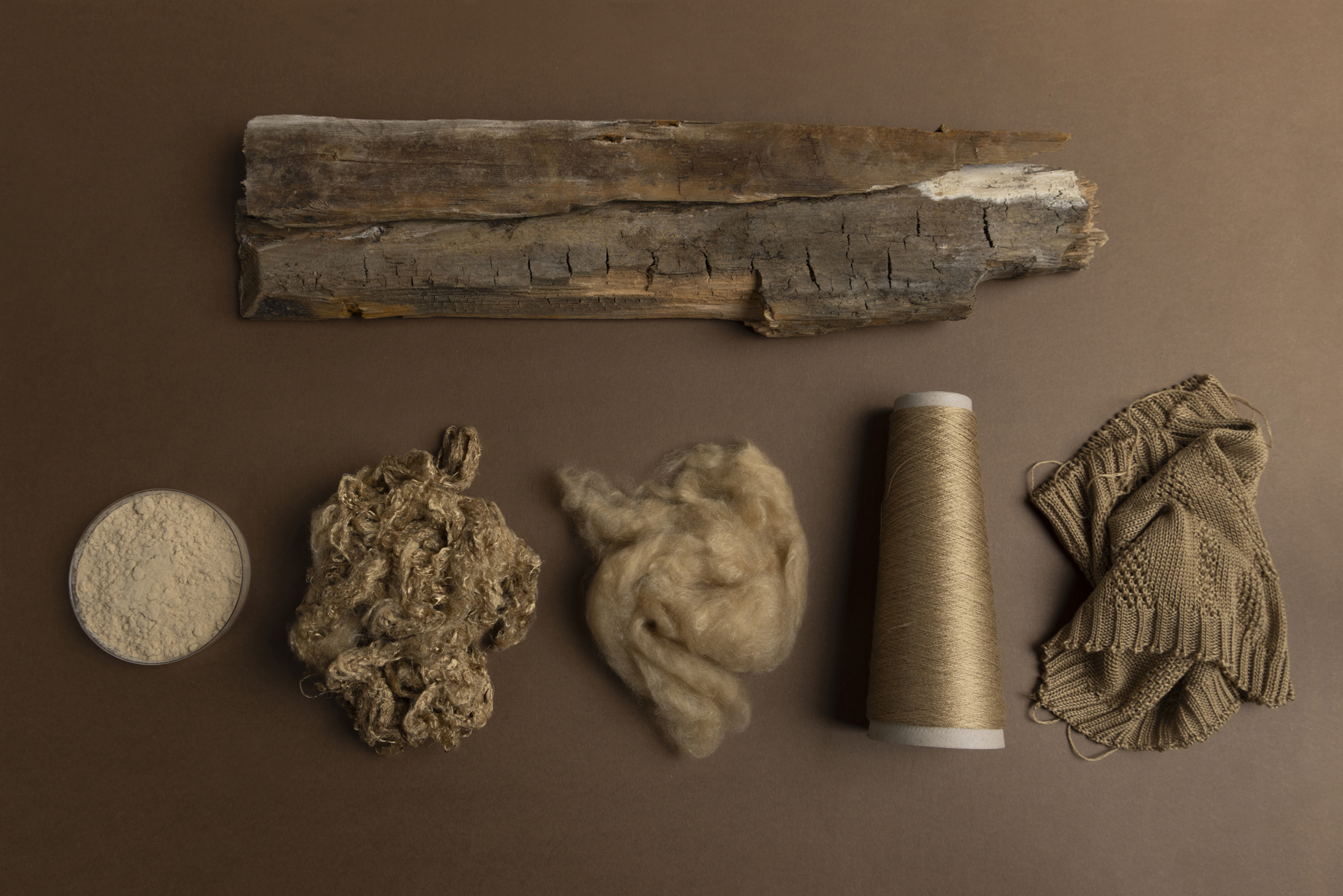
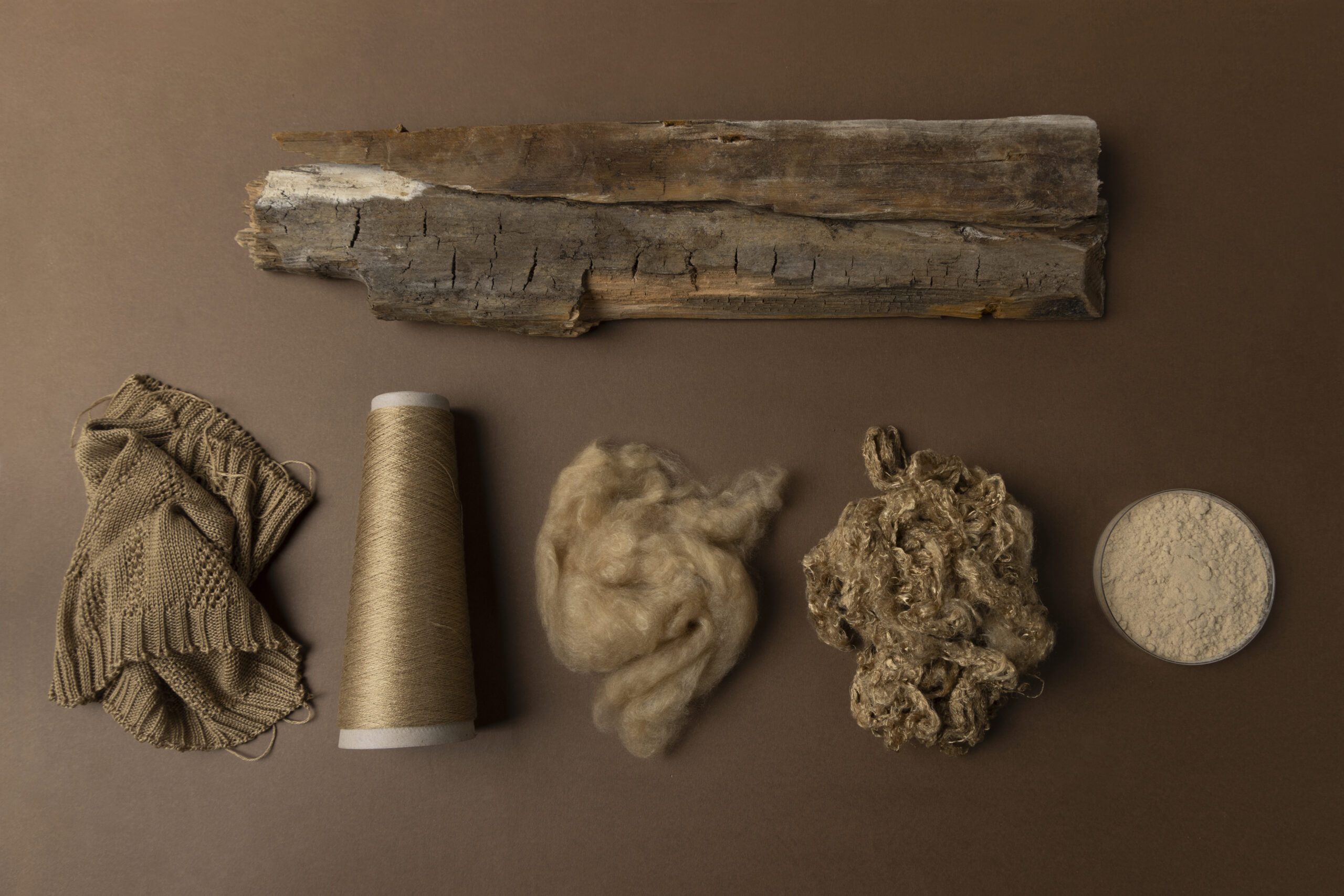
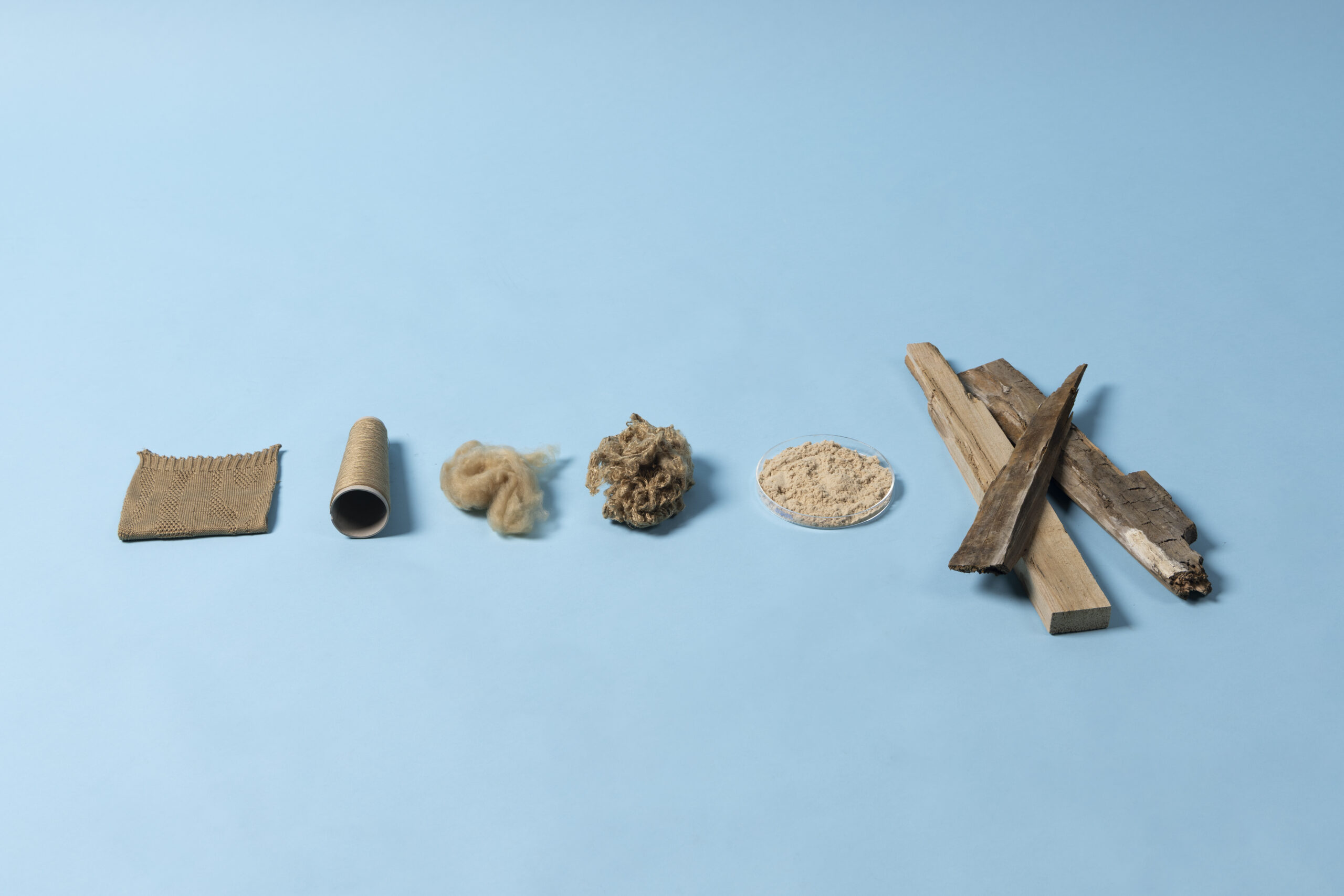
Wood pulp was transformed into fiber through the Ioncell® process, which was developed at Aalto University in partnership with Helsinki University
June 10, 2026
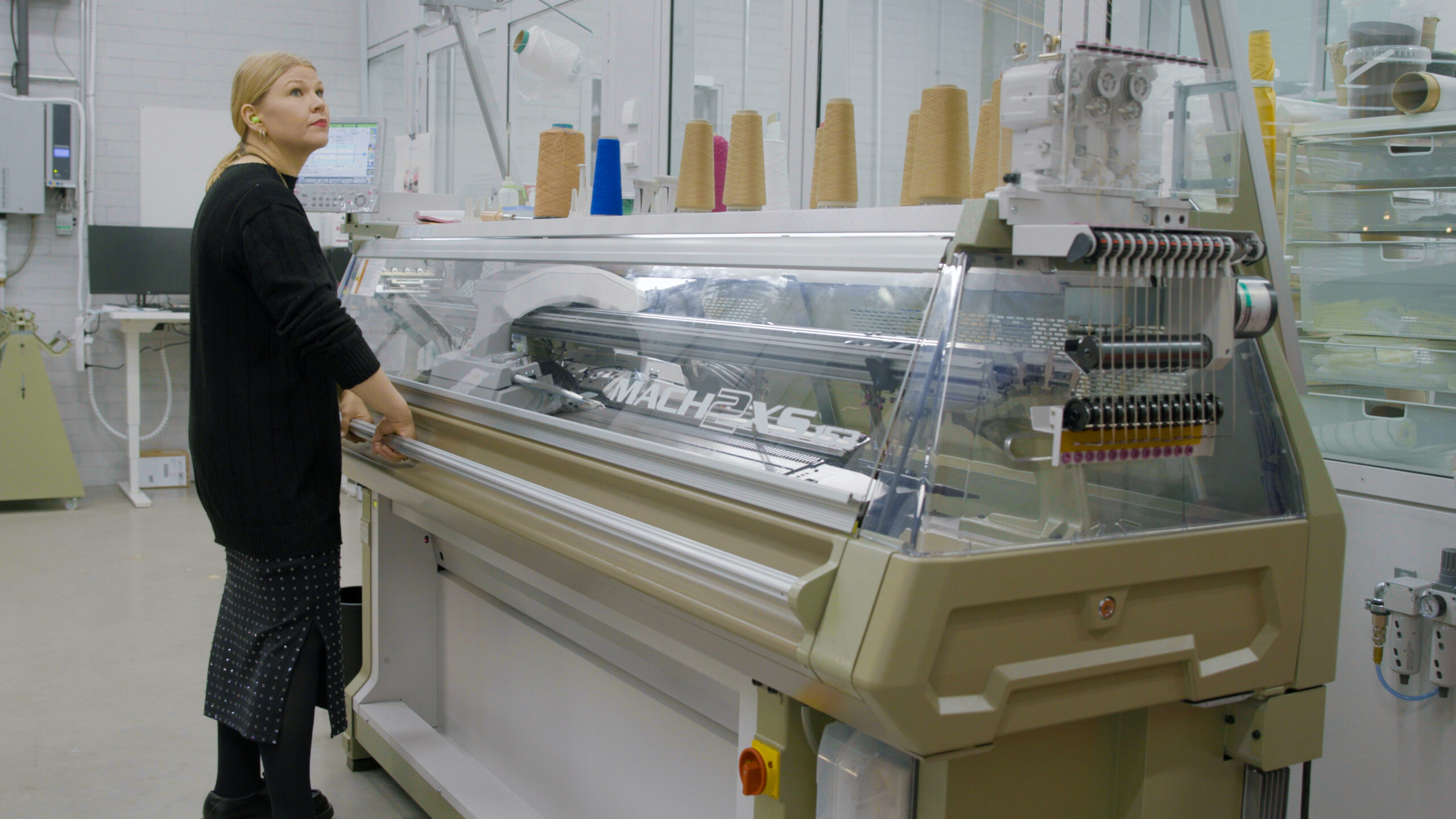
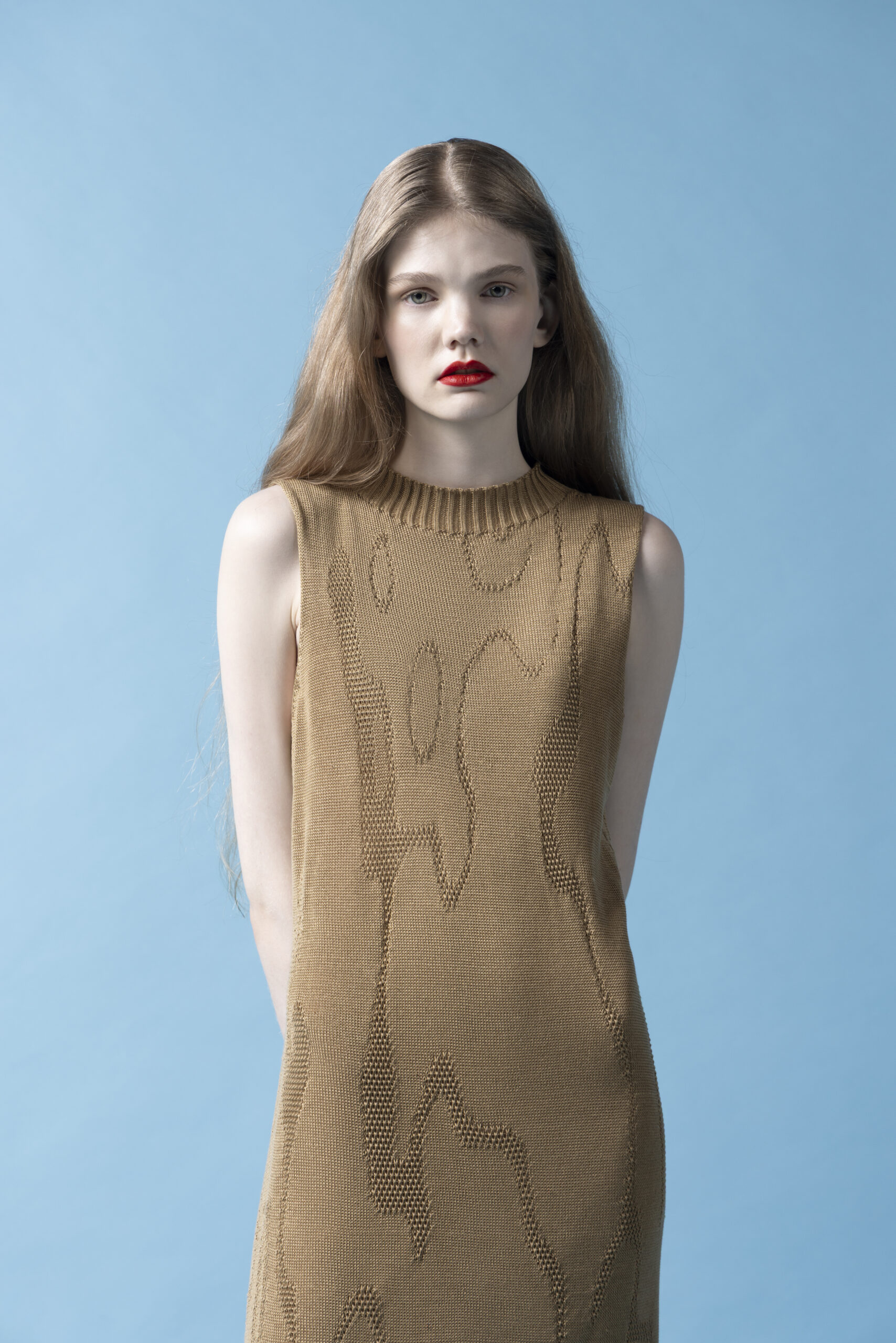
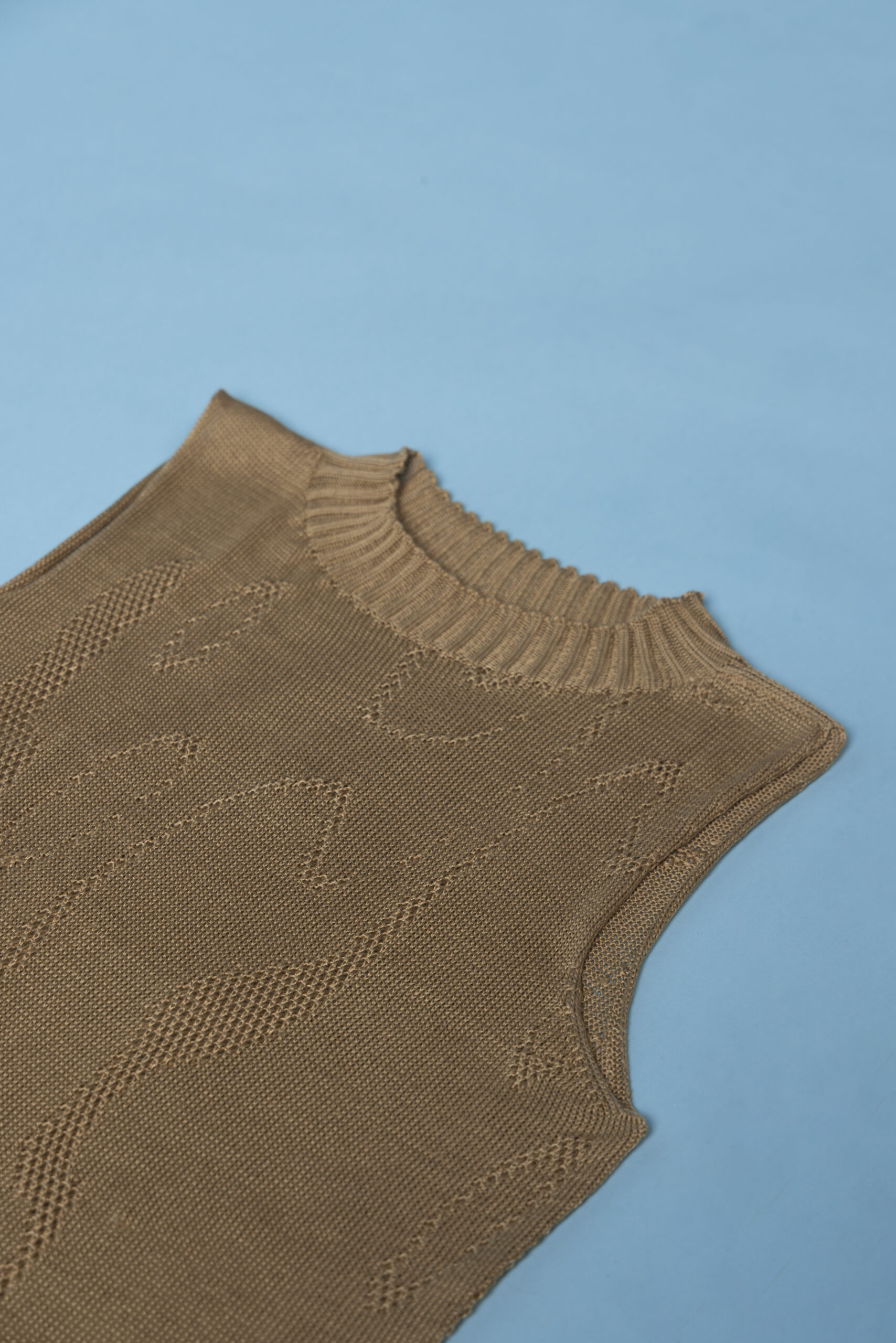
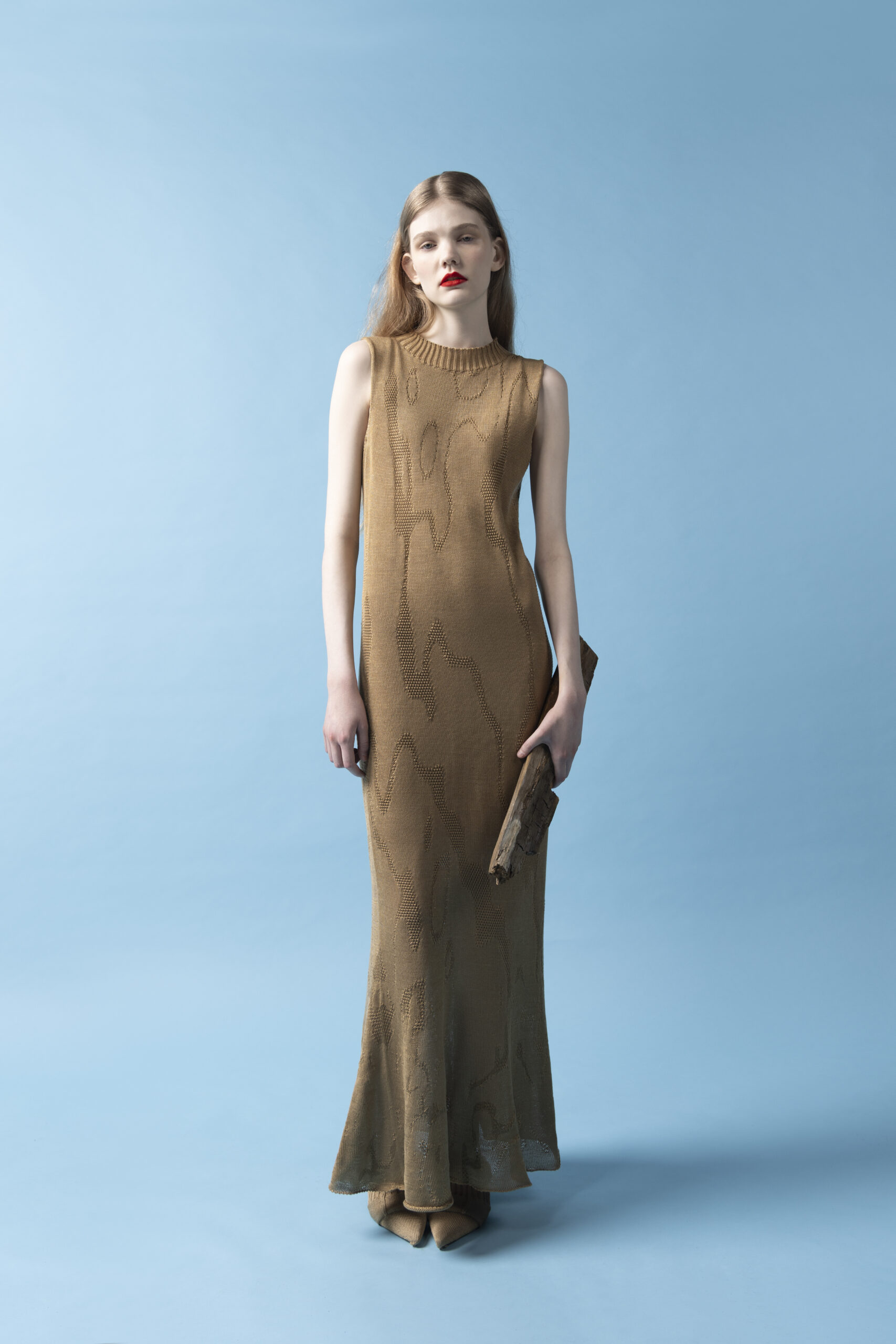
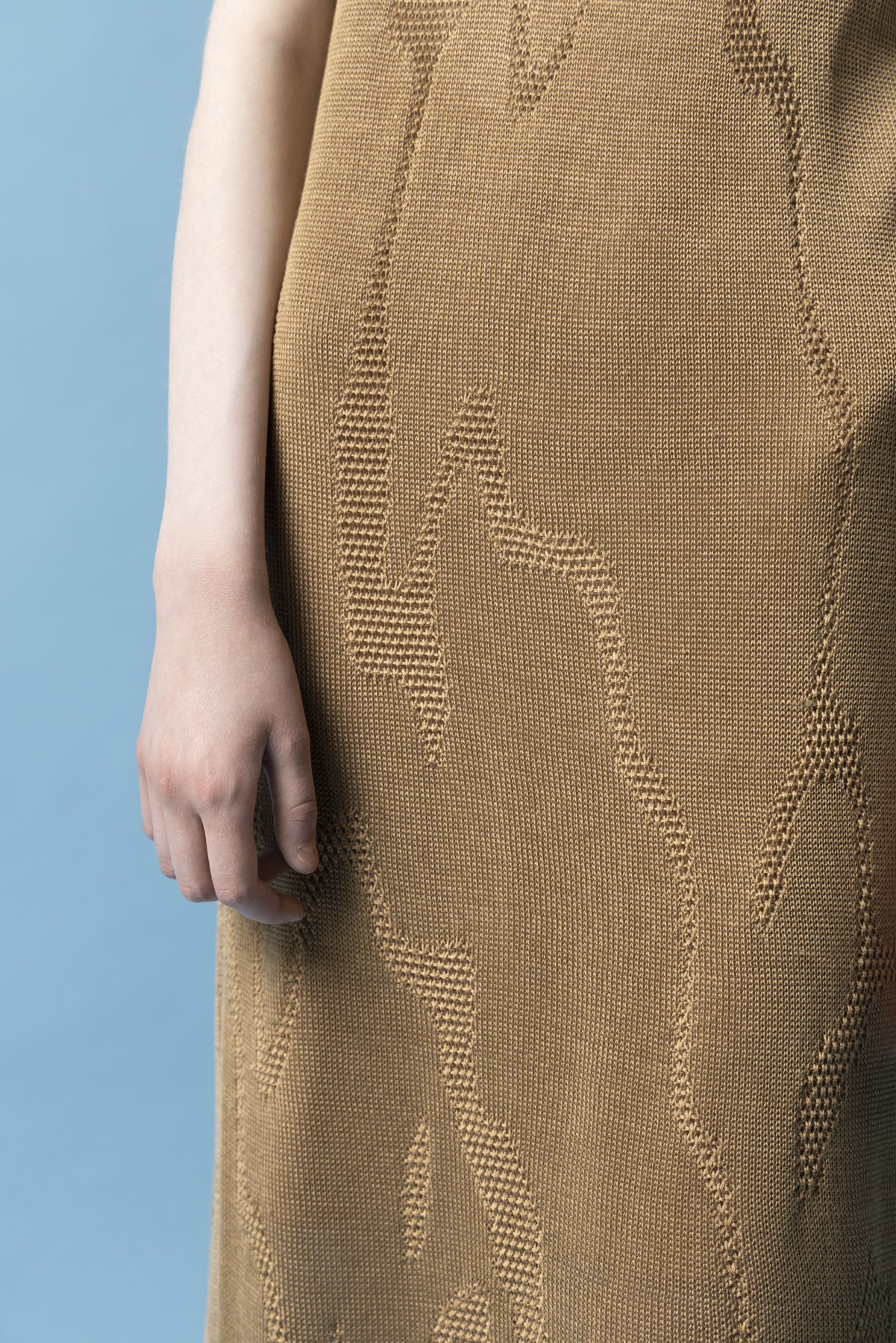
Researchers at Aalto University transformed surplus wood from the Hahtiperä shipwreck into textile fiber, spun it into yarn, and knitted it into a dress using new AI-assisted technology. The dress was exhibited at the Tomorrow’s Wardrobe exhibition, which opened May 22, 2026 at the Oulu Art Museum, and its twin piece will be shown at Aalto University’s Designs for a Cooler Planet exhibition, which opens September 1, 2026.
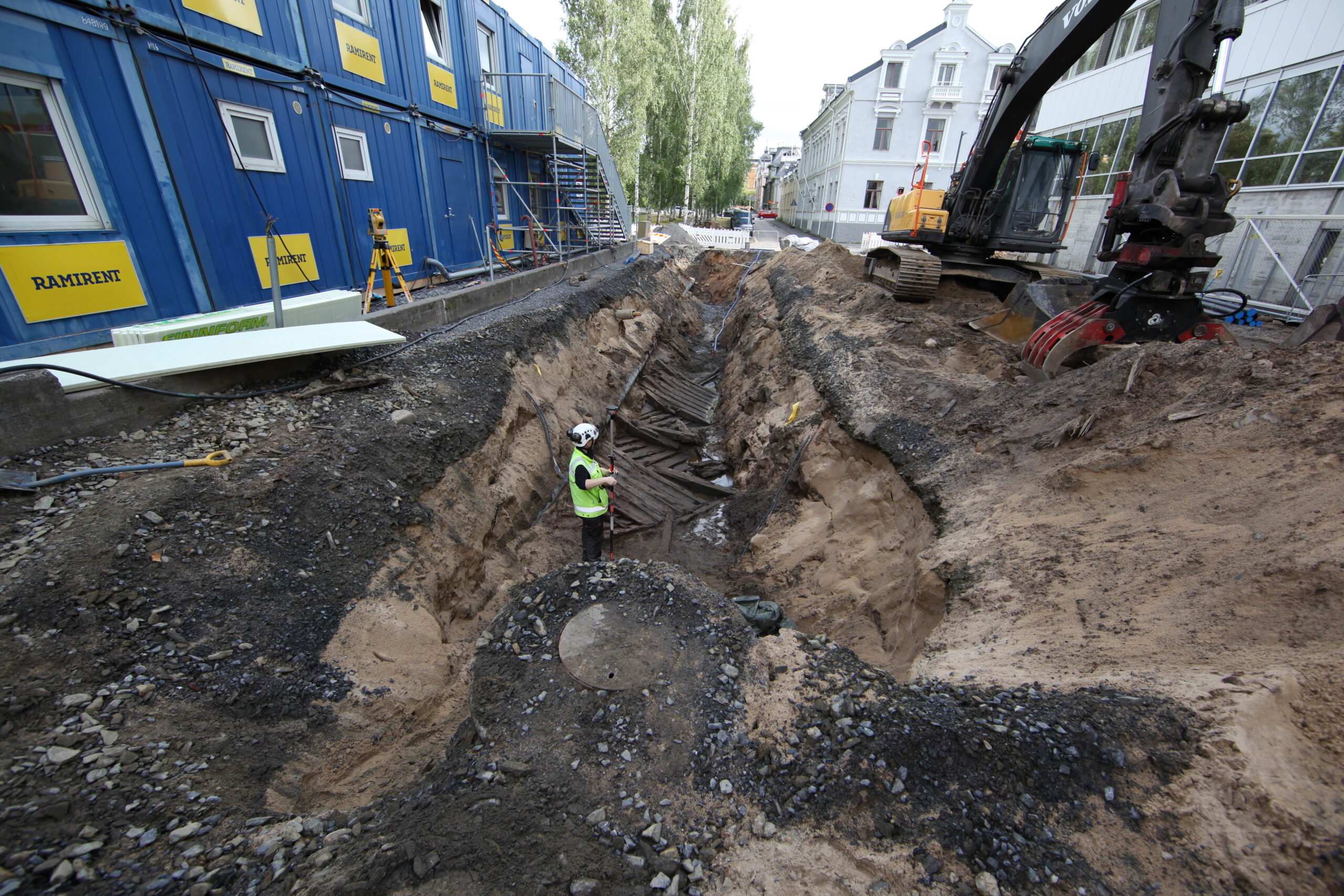
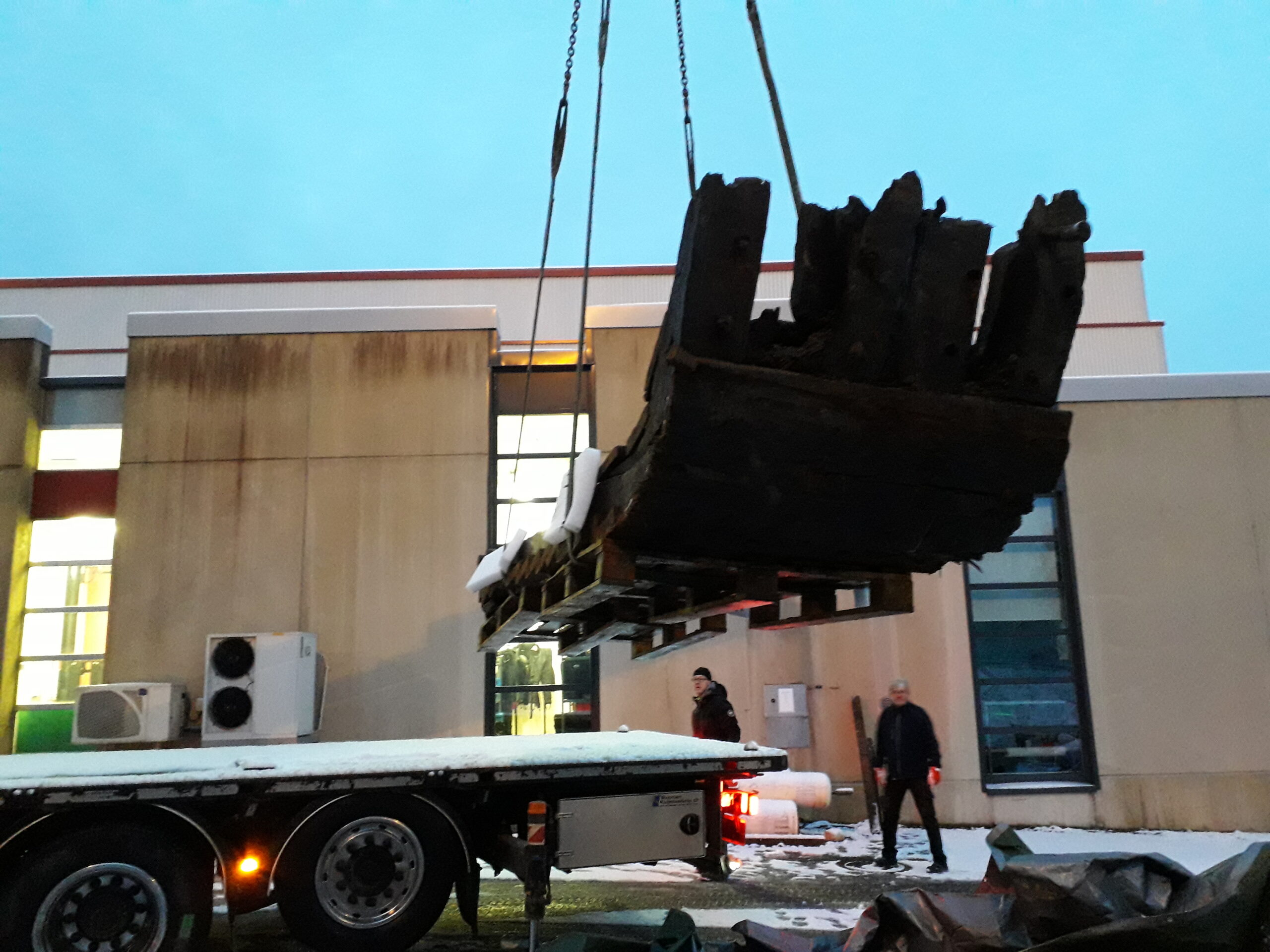
In 2019, a rare discovery was made during the renovation of a hotel in Oulu: remains of a 17th-century cargo ship were uncovered beneath a parking lot. The vessel was named the Hahtiperä wreck after Oulu’s first harbor. After years of conservation work, some leftover pieces of wood remained and were at risk of ending up in the trash.
“The wreck had only partially survived, and not everything could be preserved, even though every piece was documented. It felt unfortunate, and I began wondering whether the wood fragments could still be of use somehow,” said Minna Koivikko, a maritime archaeologist from the Finnish Heritage Agency.
Color straight from the wreck Susanna Ahola, coordinator at Aalto University’s Bioinnovation Center, heard about surplus wood and got a group of Aalto’s researchers excited about it. Inge Schlapp-Hackl, a researcher at Aalto, along with her colleagues supervised by Professor Michael Hummel, converted over 300-year-old wood from Oulu into textile fiber.
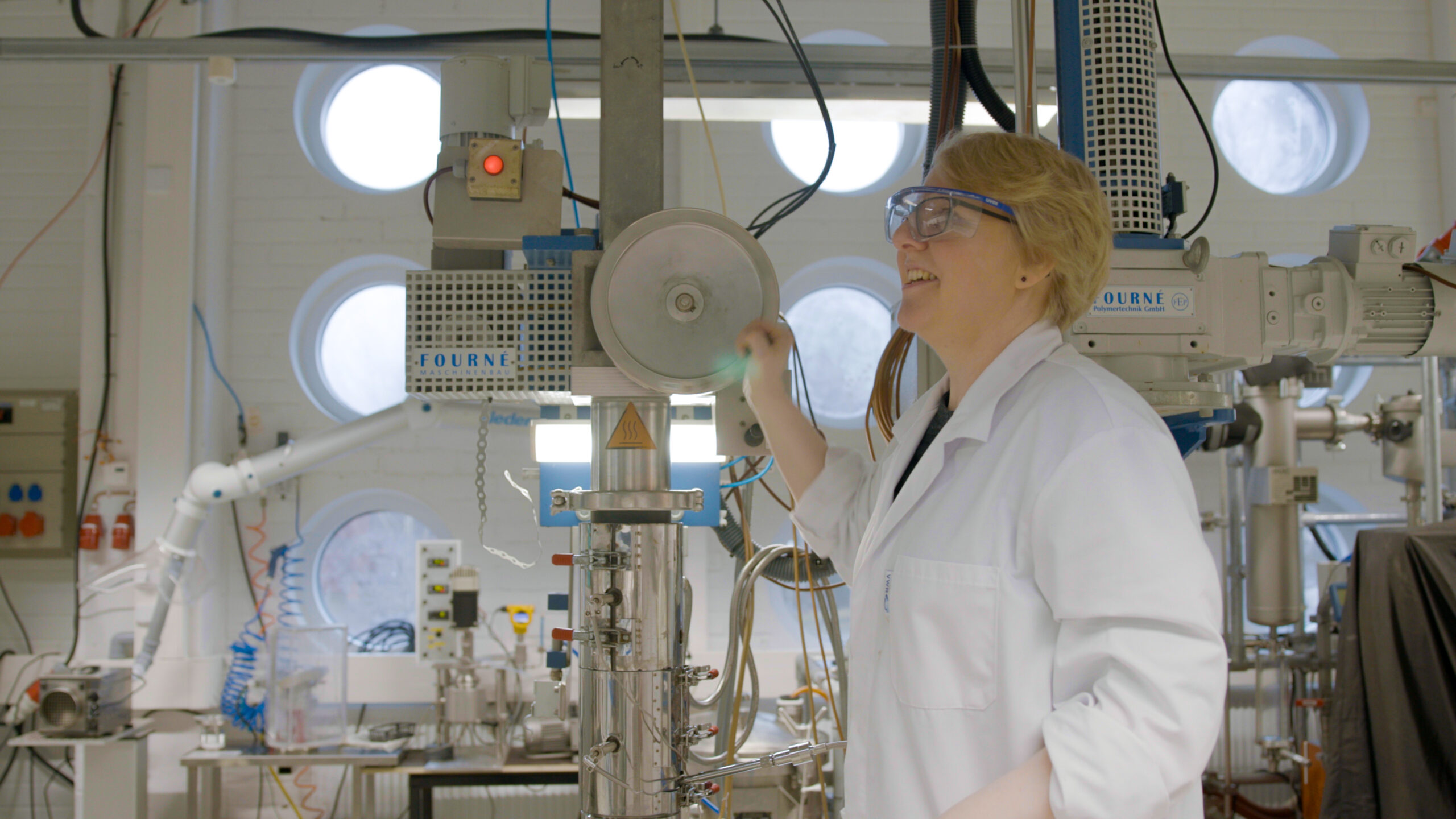
First, the outer, impurity-containing layer was removed to expose the wood’s core, which was then shredded and processed into dissolving pulp. The pulp was subsequently transformed into fiber through the environmentally friendly Ioncell® process, which was developed at Aalto University in partnership with Helsinki University. Ioncell fibers have a silky feel and are stronger than cotton.
In addition to new and reclaimed wood, the Ioncell® method can utilize recycled materials like paper, cardboard, textile waste, and straw for fiber production. The finished yarn from the wreck has a subtle sheen and a beautiful brown tone. Schlapp-Hackl explains that the yarn remains undyed and unbleached, with its color directly originating from the Hahtiperä wreck.
“The pulp made from the wreck contained very few impurities and was surprisingly easy to process. This project demonstrated that the Ioncell® method can be used to produce fiber from practically any cellulose-based material. Most exciting of all was the enthusiasm and willingness of dozens of people at Aalto to celebrate such a unique material,” added Schlapp-Hackl.