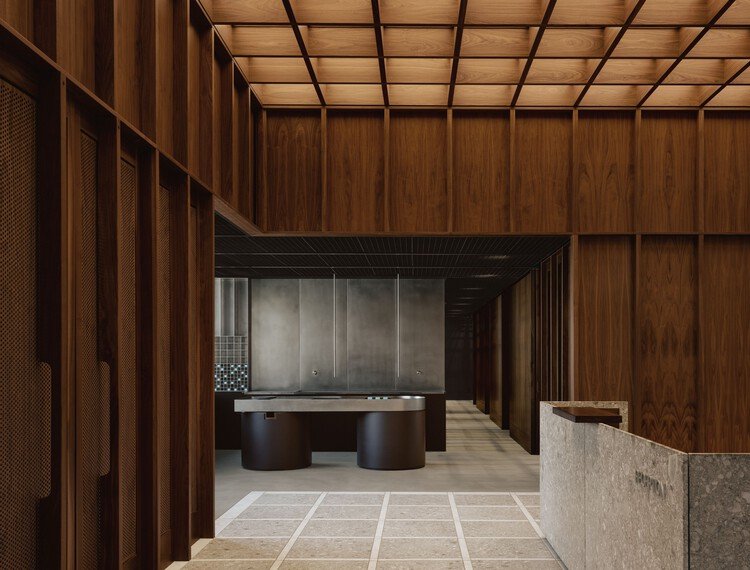
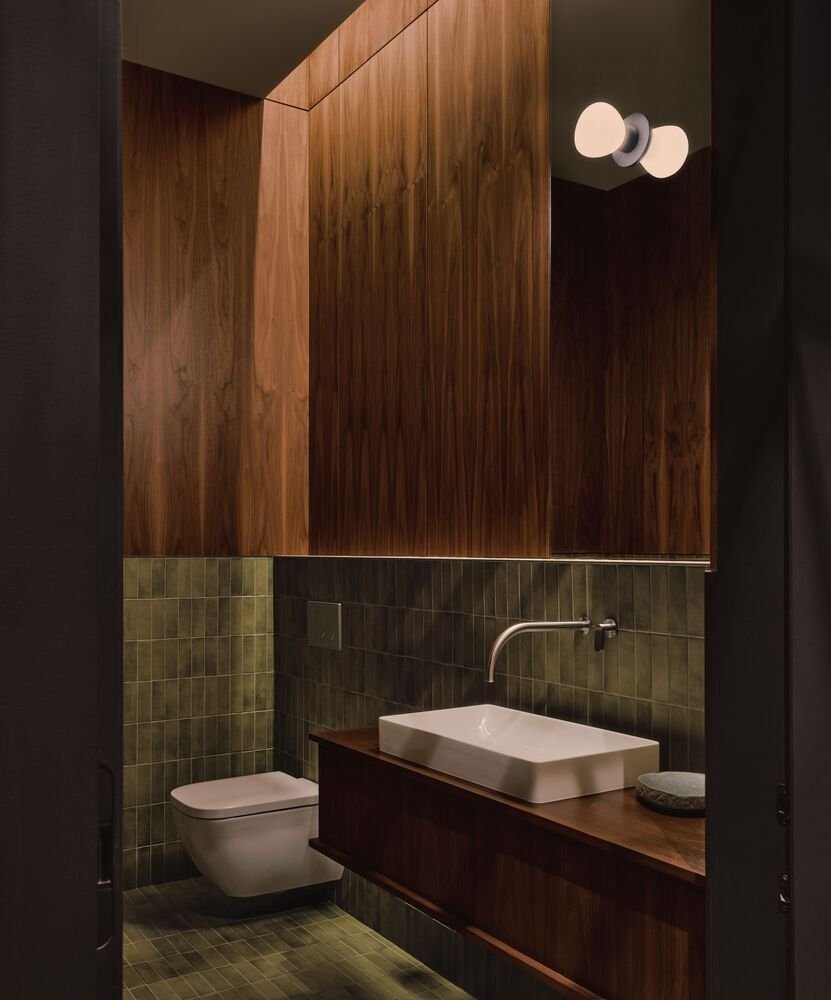
Warm wood paneling, modern furnishings and sleek, stainless steel countertops deliver a sophisticated design for cosmetic clinic

Montreal studio Atelier Carle designs clinic in Ontario to offer patients a ‘warmer, more relaxed environment’ than typical medical spaces

December 8, 2025

Medical clinics have long been rooted in a tradition of cold, sterile spaces. More recently, and especially among physicians specializing in aesthetic treatments, there has been a shift toward providing care in a warmer, more relaxed environment, reflecting a desire to humanize medical practice. For Montreal-based architecture firm Atelier Carle, this tension was at the heart of their latest project. When asked to reimagine a cosmetic clinic in Oakville, the team had many discussions before ultimately deciding to take on the challenge.

“At the beginning, we asked: do we do this? Are we at ease with the project? And at the same time, we were saying: well, okay, we’re probably good candidates to do this, because we’re not completely in tune with who they are – and maybe we can actually propose something that would be quite different,” explained Alain Carle, Founding Principal, Atelier Carle.

According to Carle, their vision first took shape through a spatial organization strategy based on the site’s constraints. Located in a Toronto suburb, in a generic, uninviting business center, the 700-square-meter space faced simultaneous challenges of limited privacy and insufficient natural light. Both conditions required reconfiguration in order to establish an environment attuned to the new atmospheres sought by the client. The conceptual approach was thus grounded in the articulation of light and intimacy, establishing a hierarchy between them in dialogue with the programmatic components.

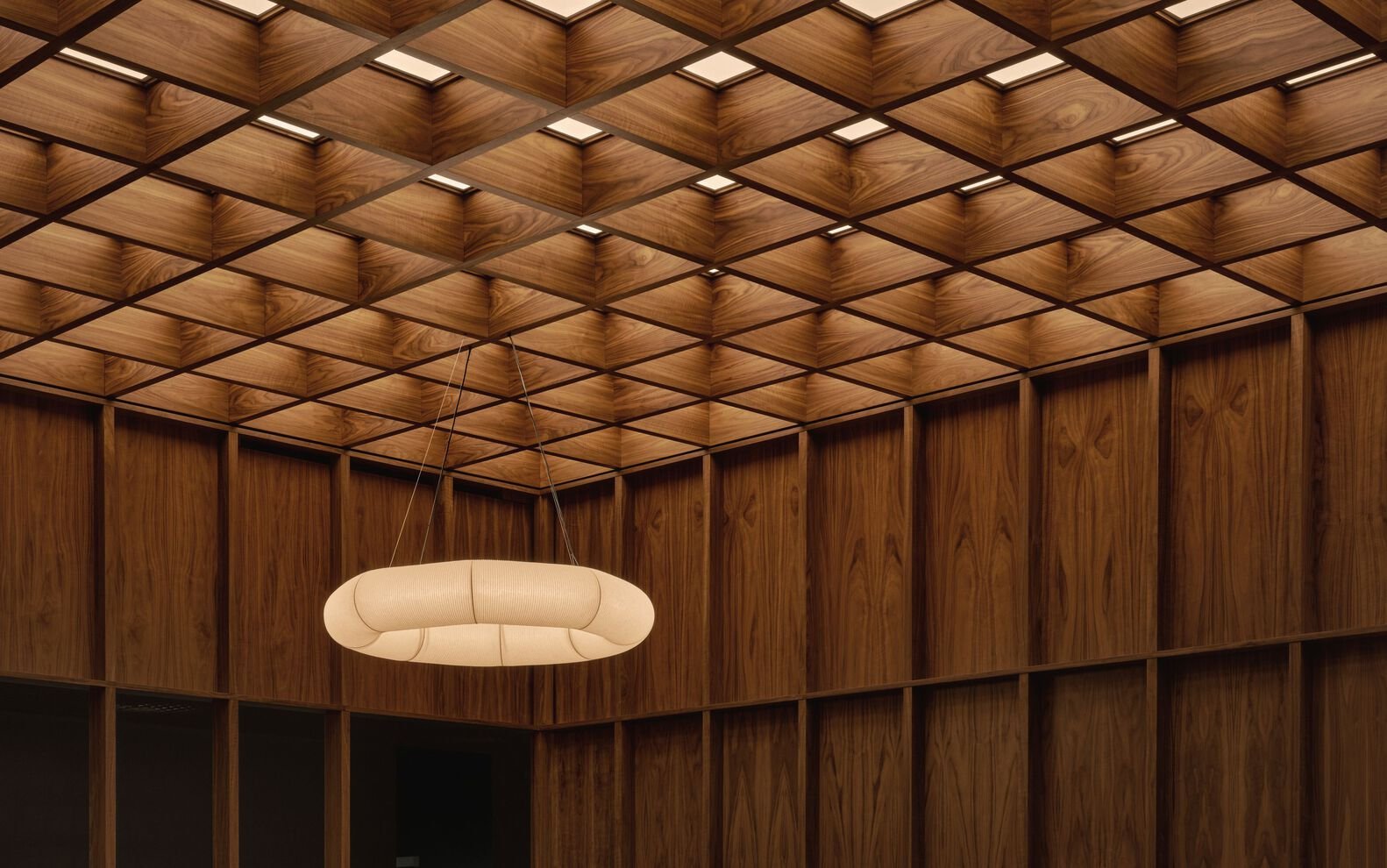
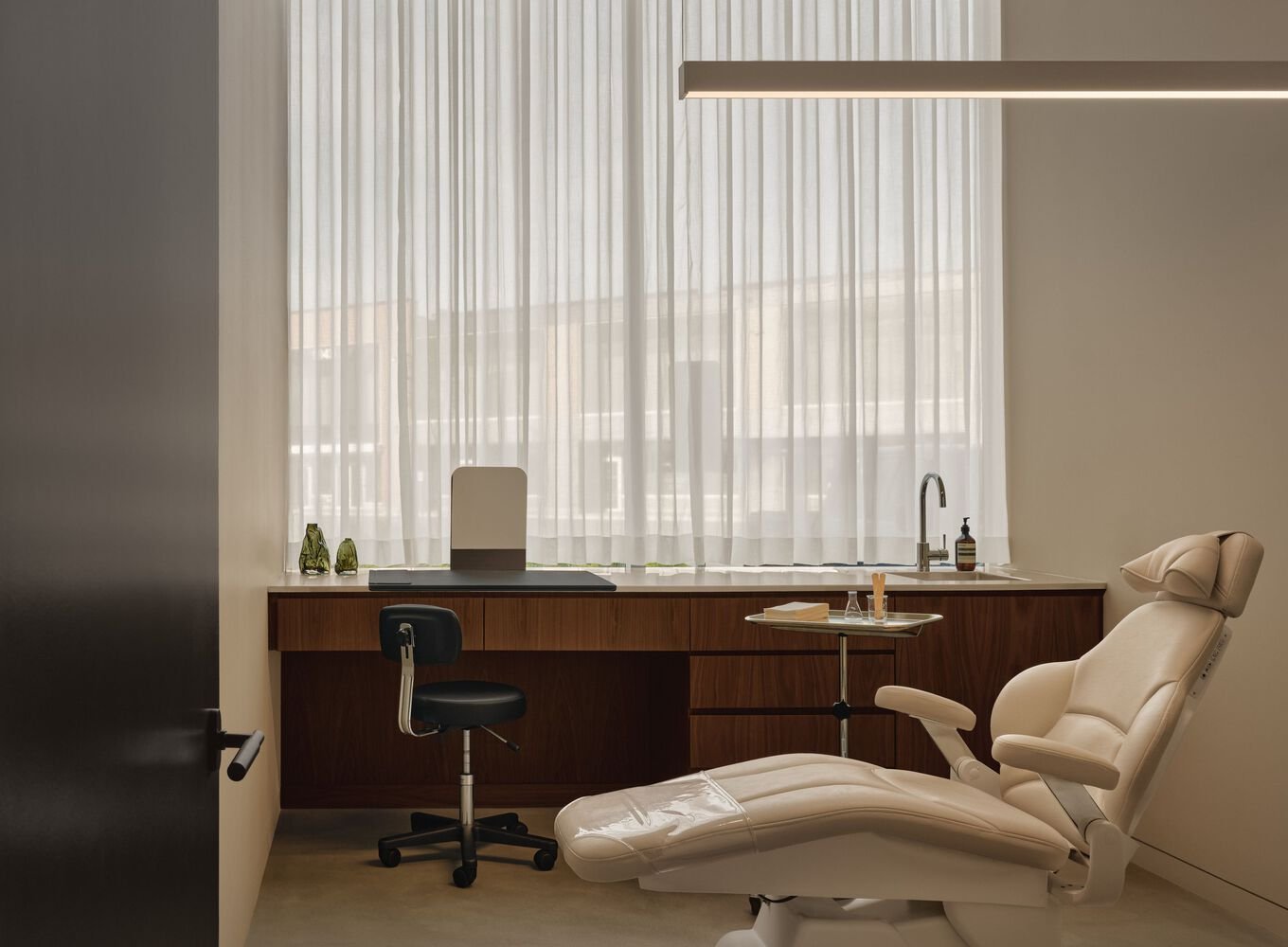
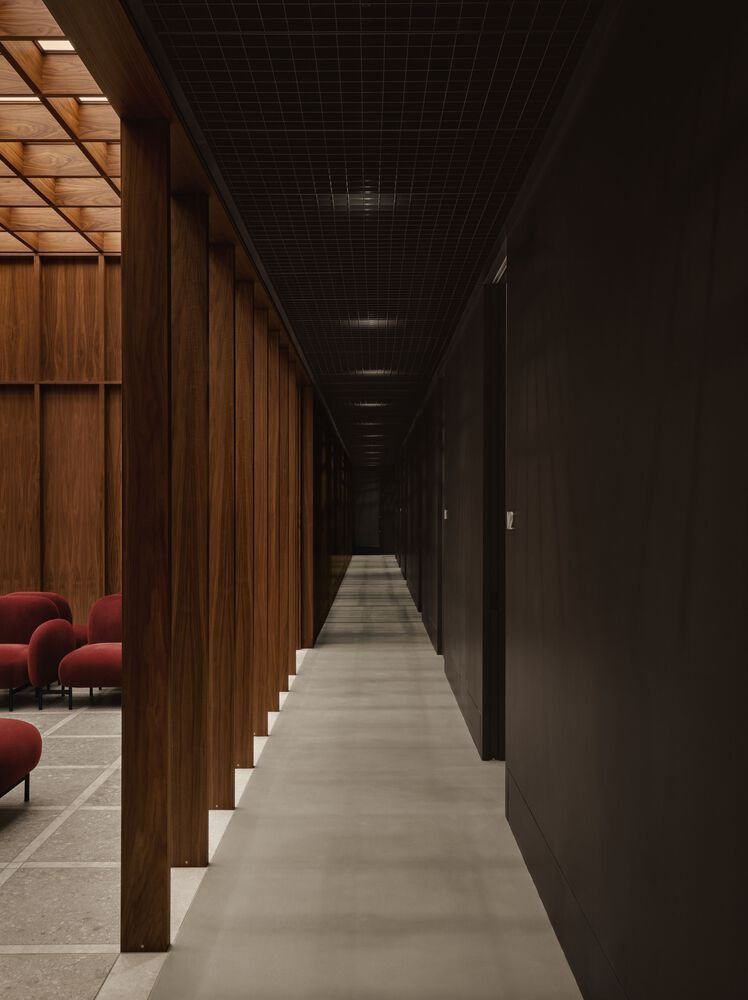
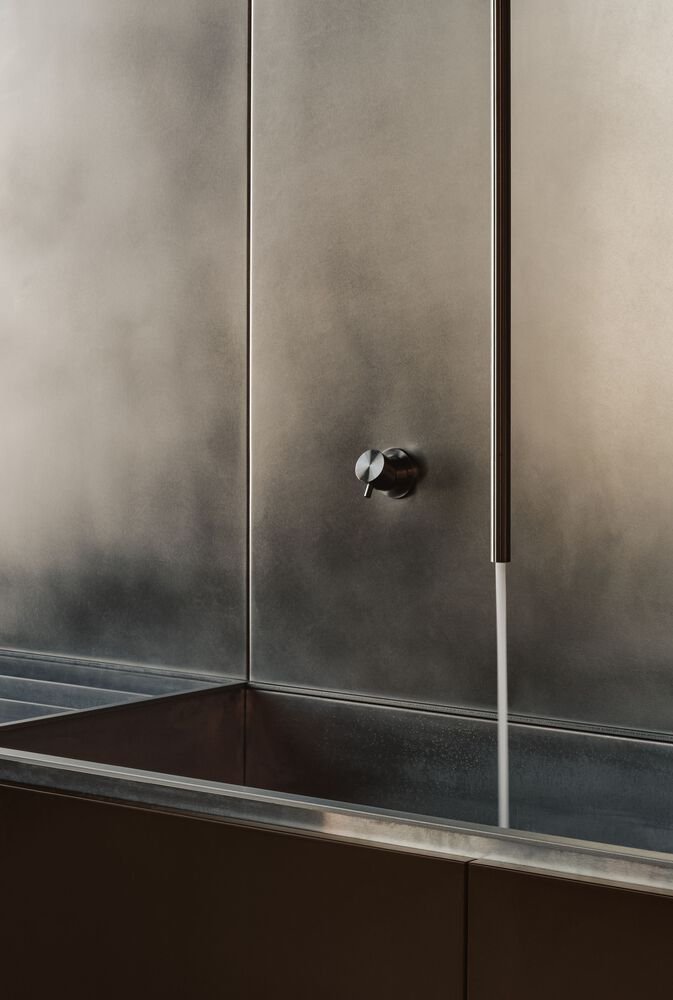
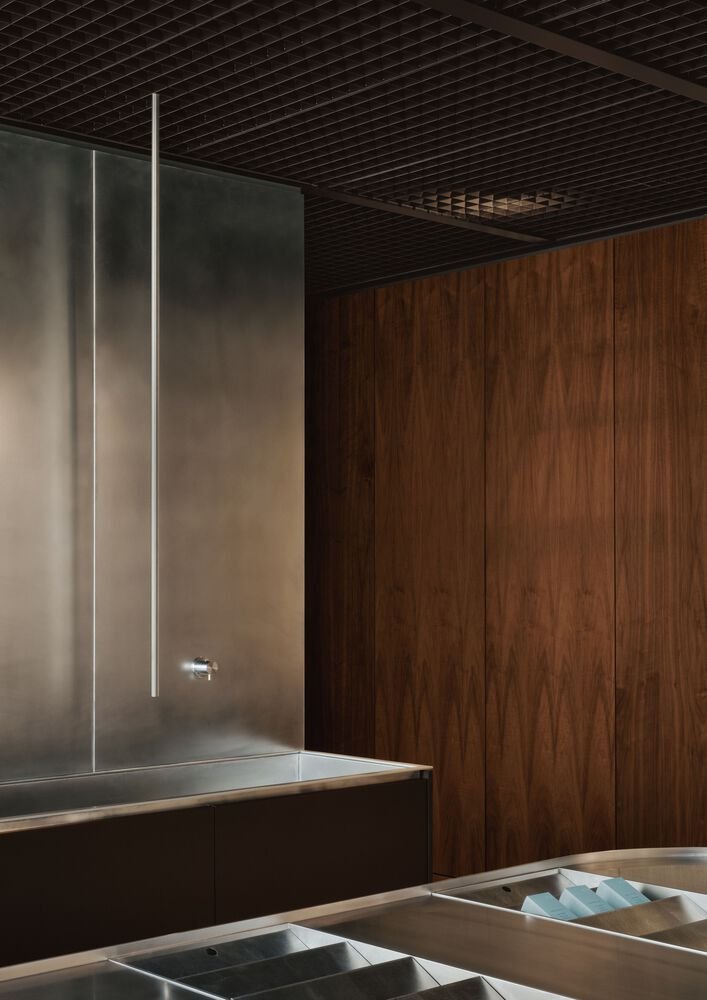
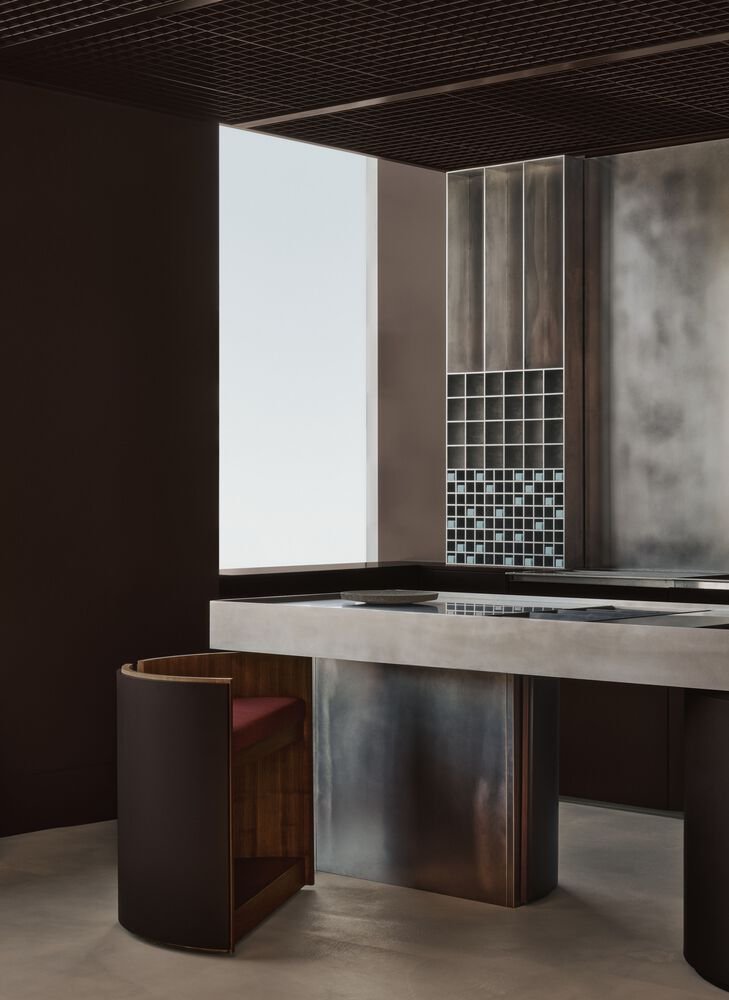
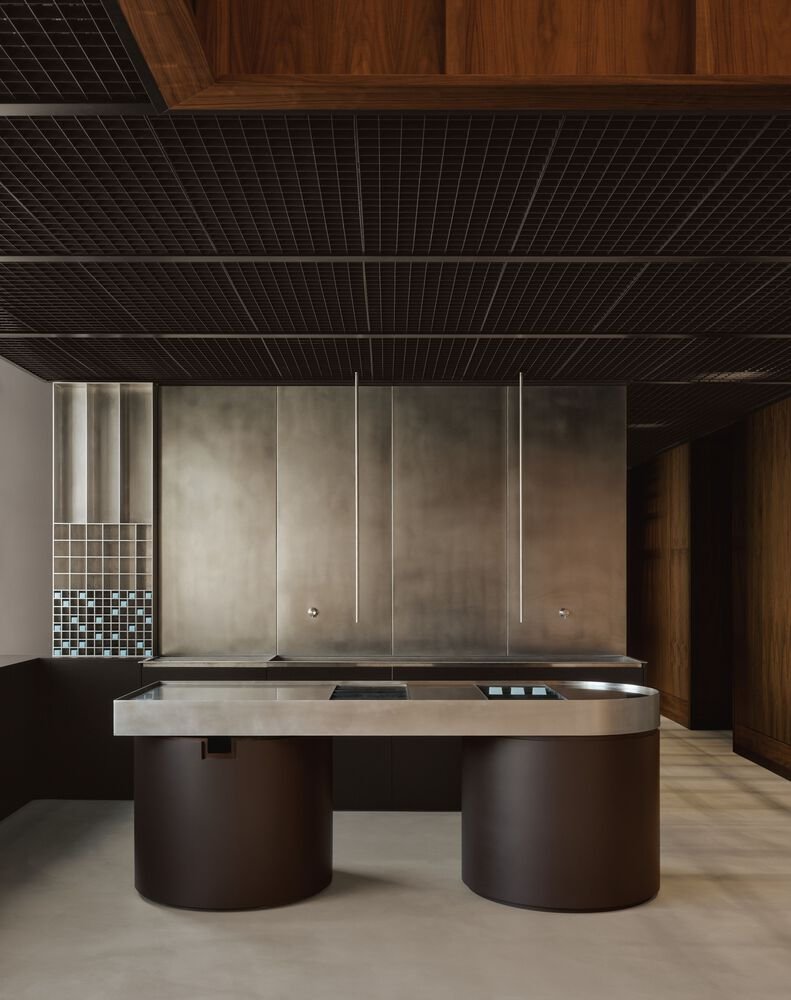
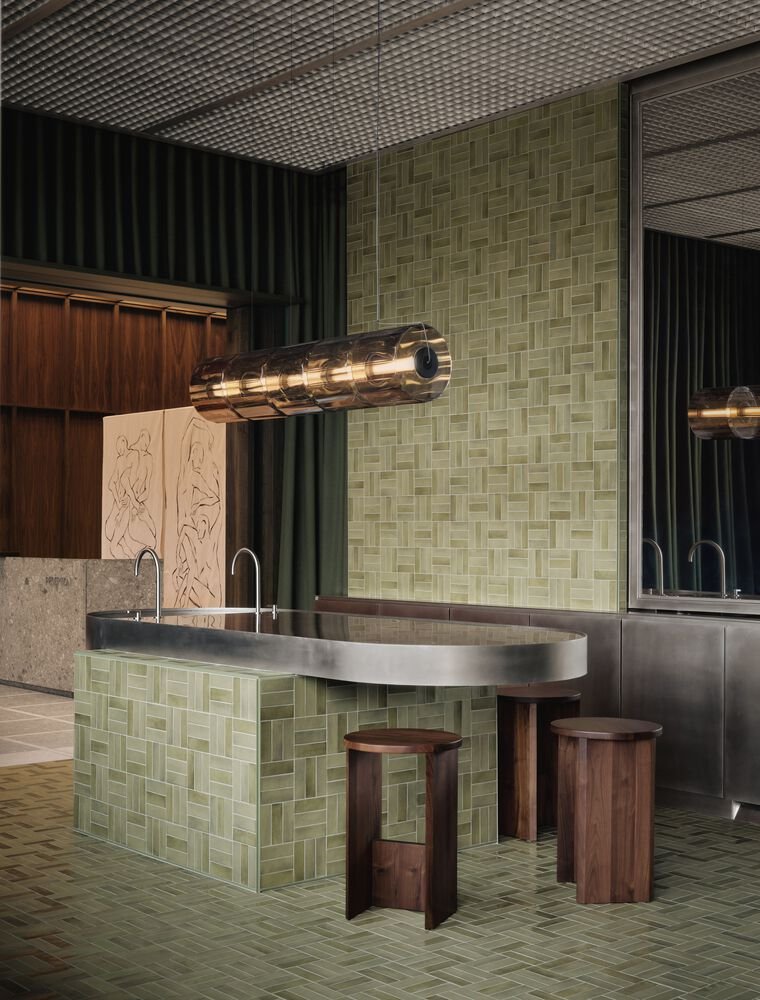
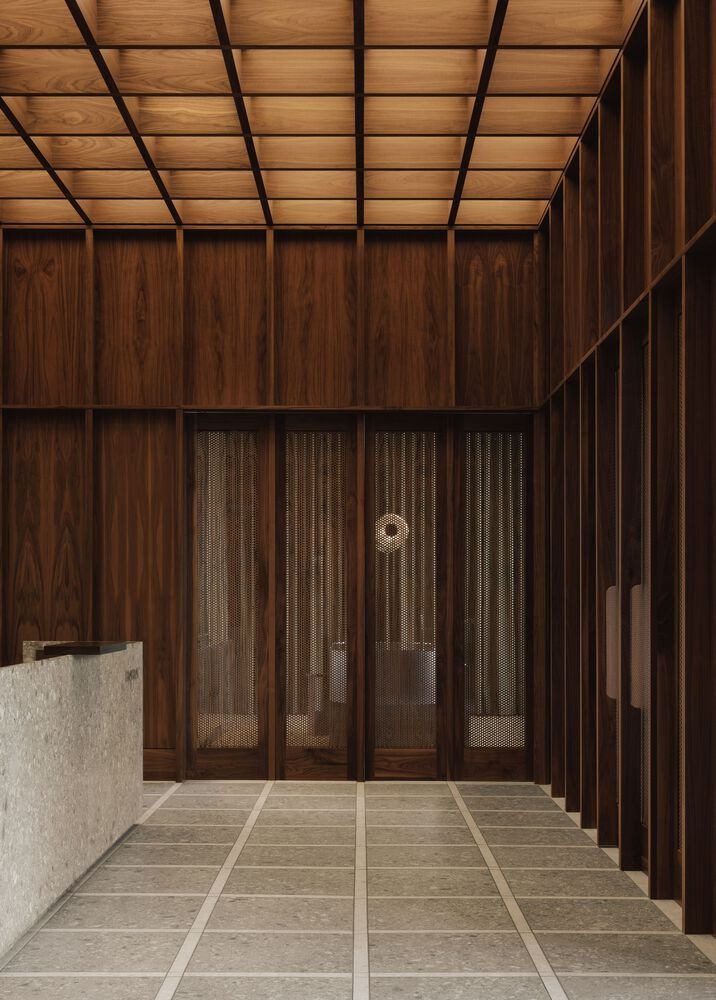
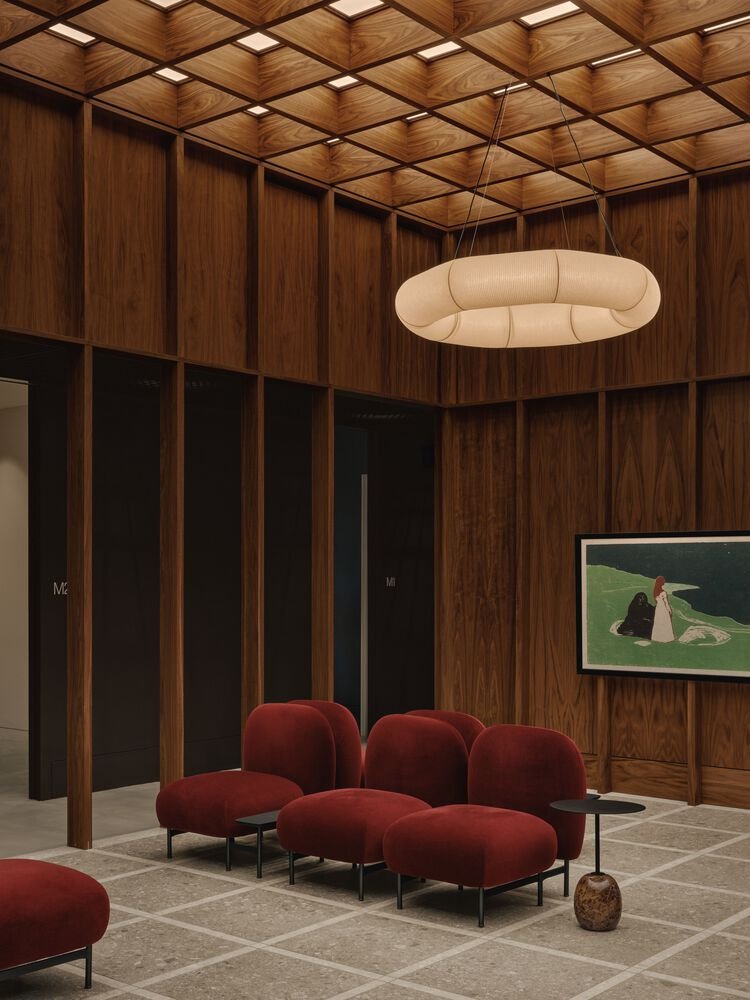
In a sharp contrast to the sterile interiors and harsh overhead lighting that defines your average medical facility, OAKV feels refreshingly sophisticated, with warm wood paneling, modern furnishings and sleek, stainless steel countertops. From the entrance to the foyer to the interior rooms, natural light gradually dims to create a moody, calm interior that feels separate from the outside yet pleasantly sunlit. As one exits the clinic, a bright light guides you out of the procedure rooms and into the foyer.


“The idea was to transition from a very generic space (like a parking lot) to something that is still be a public entrance, but has a specific identity, and is a very warm environment – with a quality of light that becomes very yellow with the presence of wood, and much warmer than the blue light that you would get outside. From then on, you’d see a gradient of spaces that would progressively bring you to something very intimate,” added Carle.

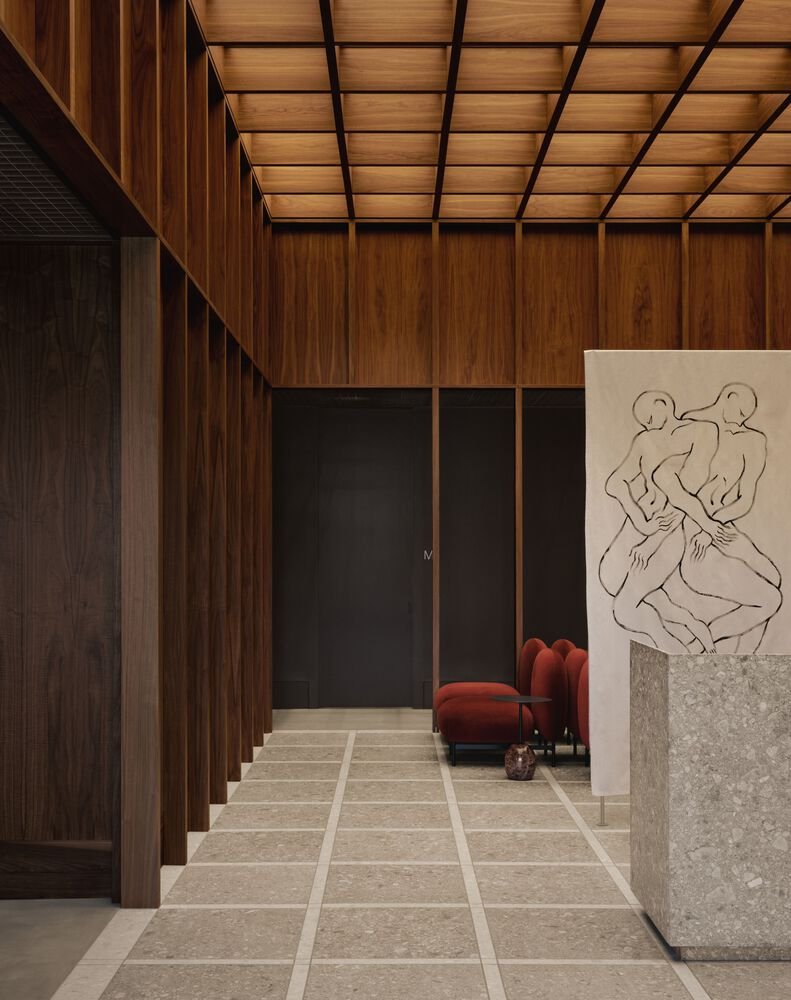
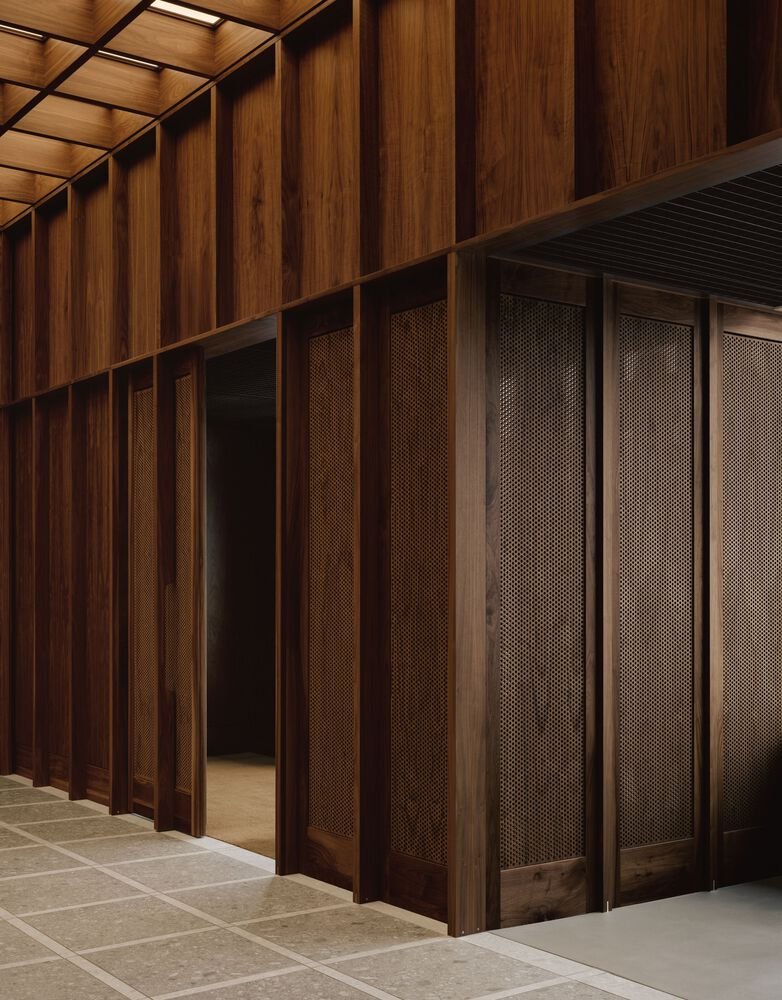
A stratified spatial organization was developed to arrange the treatment areas around a central, double-height volume; the insertion of a large skylight diffusing diaphanous light extends across the entire space, enhancing its sense of grandeur. Walnut cladding predominates, its warmth at the reception area forming a counterpoint to the arid exterior landscape, composed largely of vast, inhospitable parking expanses.

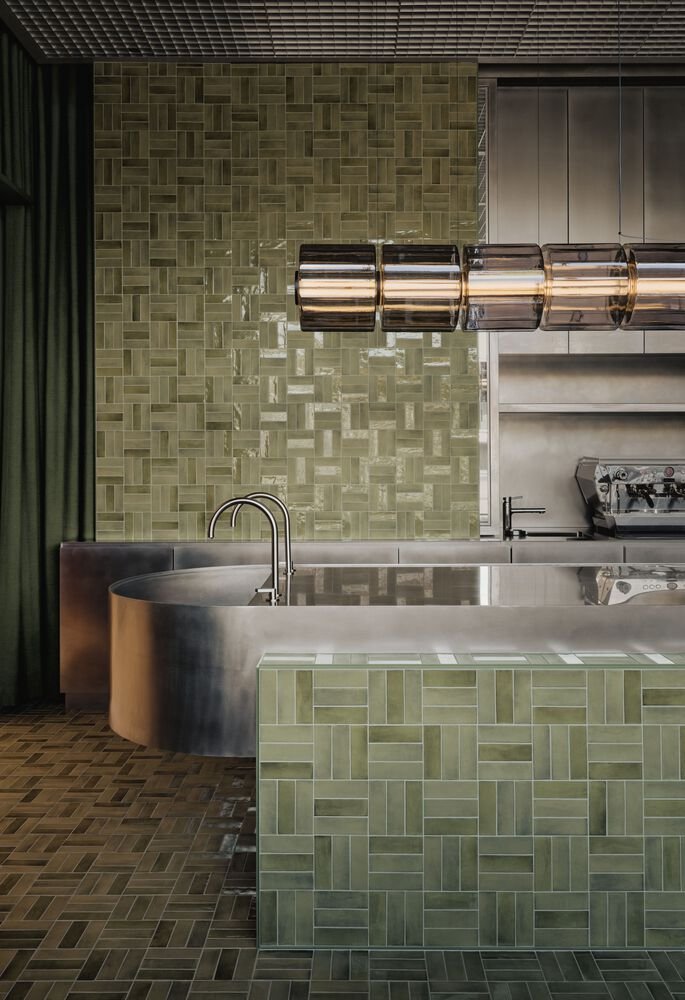
Two functions related to the main program occupy the lateral spaces of this ‘central’ area, providing a more public dimension to the facility: a café designed for use by staff as well as patients, and a cosmetics boutique equipped with a testing counter. These three spaces together operate as a public zone, ensuring a gradual transition toward the treatment rooms.

These areas are accessed via circulation corridors bathed in very soft, muted light, making the clinical experience feel closer to that of a relaxation spa than a conventional healthcare setting. The light acts as a filter between spaces of varying activity: a progression from the entrance to the treatment rooms creates a sensitive spatial experience that resonates with the emerging values in the design of medical and wellness environments today.

A key consideration was the separation of public and private areas. Perforated panels filter views of outside for both clients and passersby, and strategically placed room dividers block nosy onlookers. Made by a local Montreal artist, these dividers are more than a simple barrier but are works of art in themselves. According to Atelier Carle, the initial response has been overwhelmingly positive, with their intuitive interiors offering a medical experience that is warm and comfortable and grounded in real material and intentional design.

Read next

Type To Search

Images © Alex Lesage