Jun Matcha Club brings together neighborhood life, the ritual of preparing tea, and Indonesian craftsmanship into a single spatial experience
Project draws from the values embedded in matcha practice and translates them through Indonesian craftsmanship and locally sourced materials
August 28, 2026
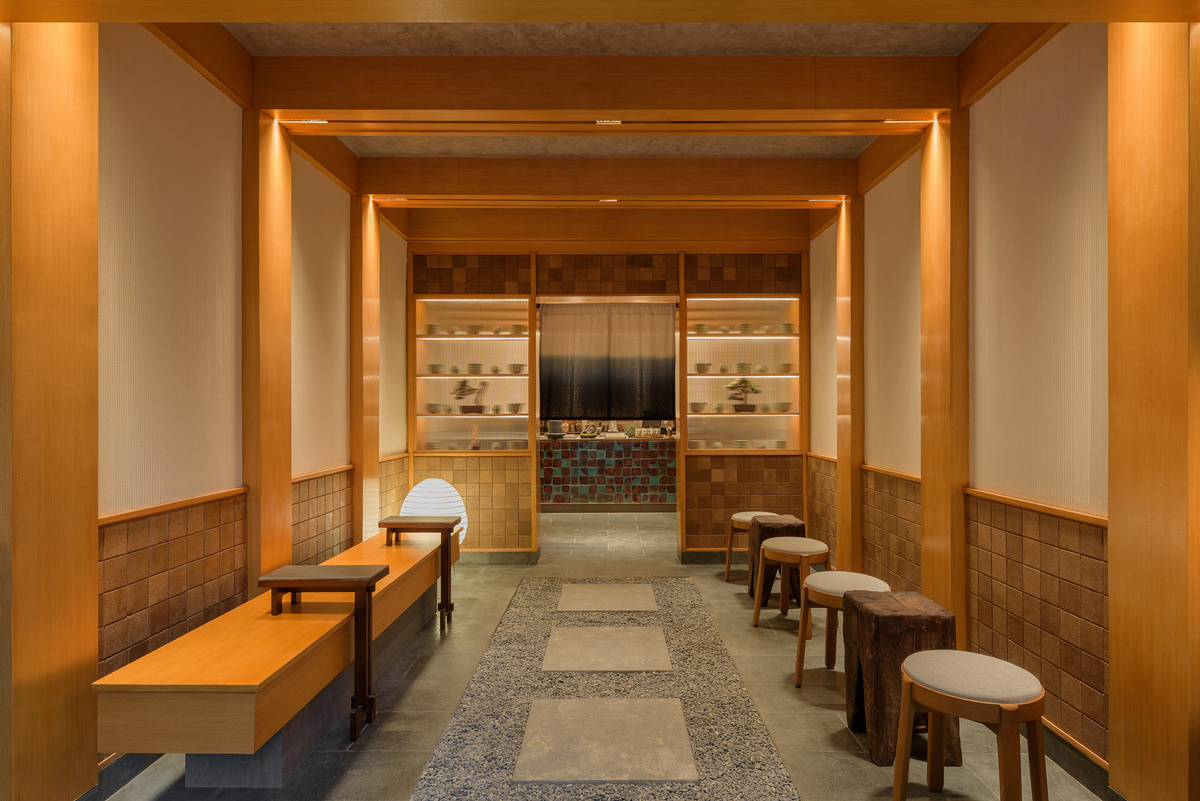
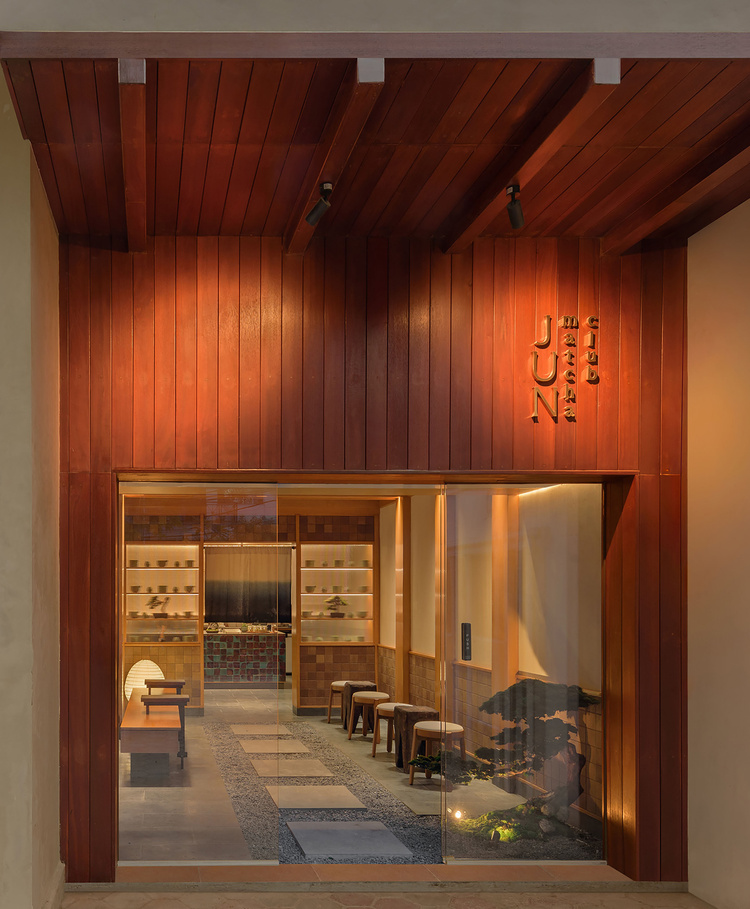
Located within a former residential garage in South Jakarta’s Panglima Polim neighborhood, Jun Matcha Club responds to the area’s growing concentration of independent cafés and restaurants with a slower, more contemplative spatial experience centered around the ritual of preparing matcha. Drawing from the values of attentiveness, restraint, and craftsmanship embedded in matcha practice, the project translates these qualities through Indonesian makers, locally sourced materials, and a carefully sequenced interior. The result is a contemporary tea space where ritual, material, and making come together as one continuous spatial experience.
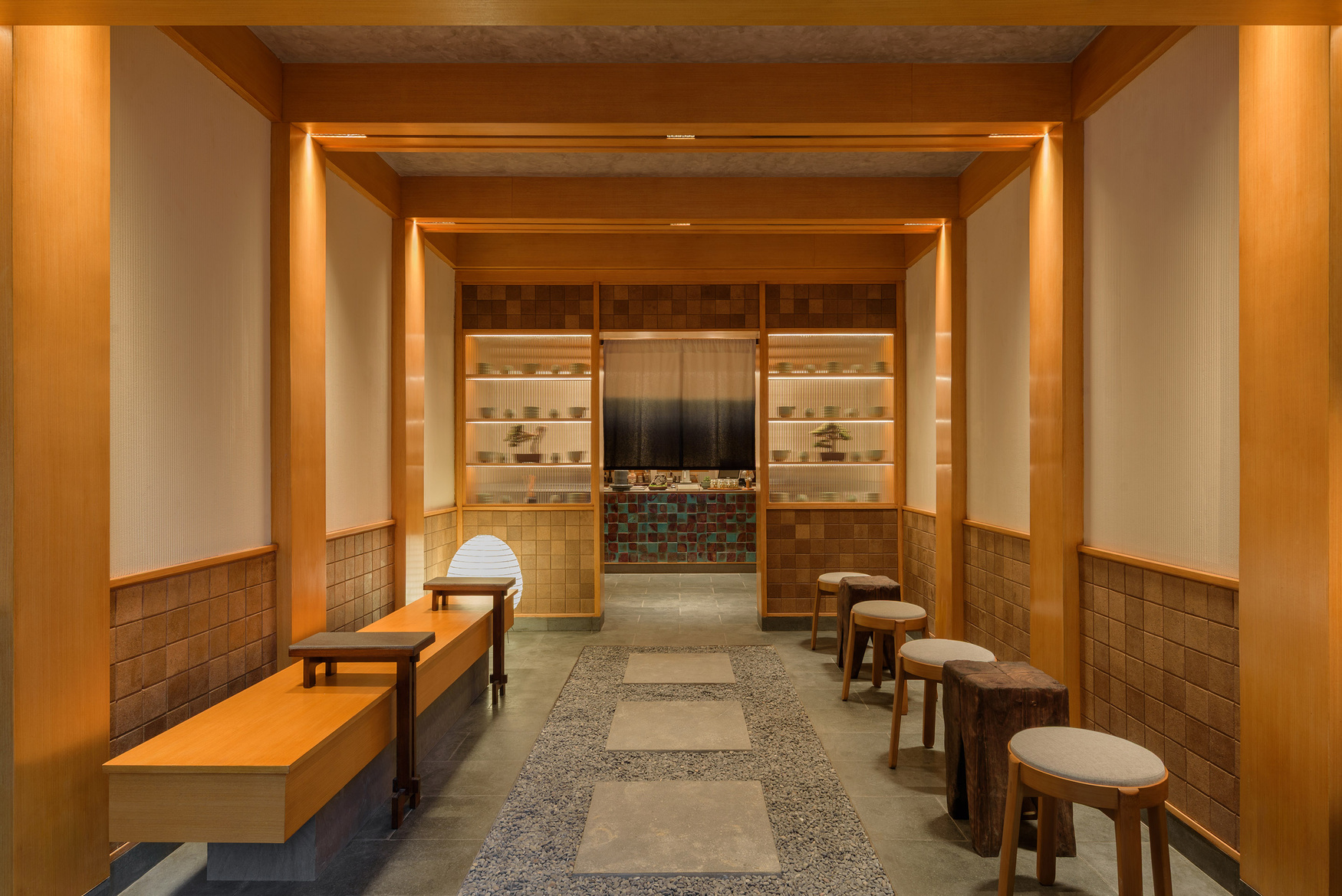
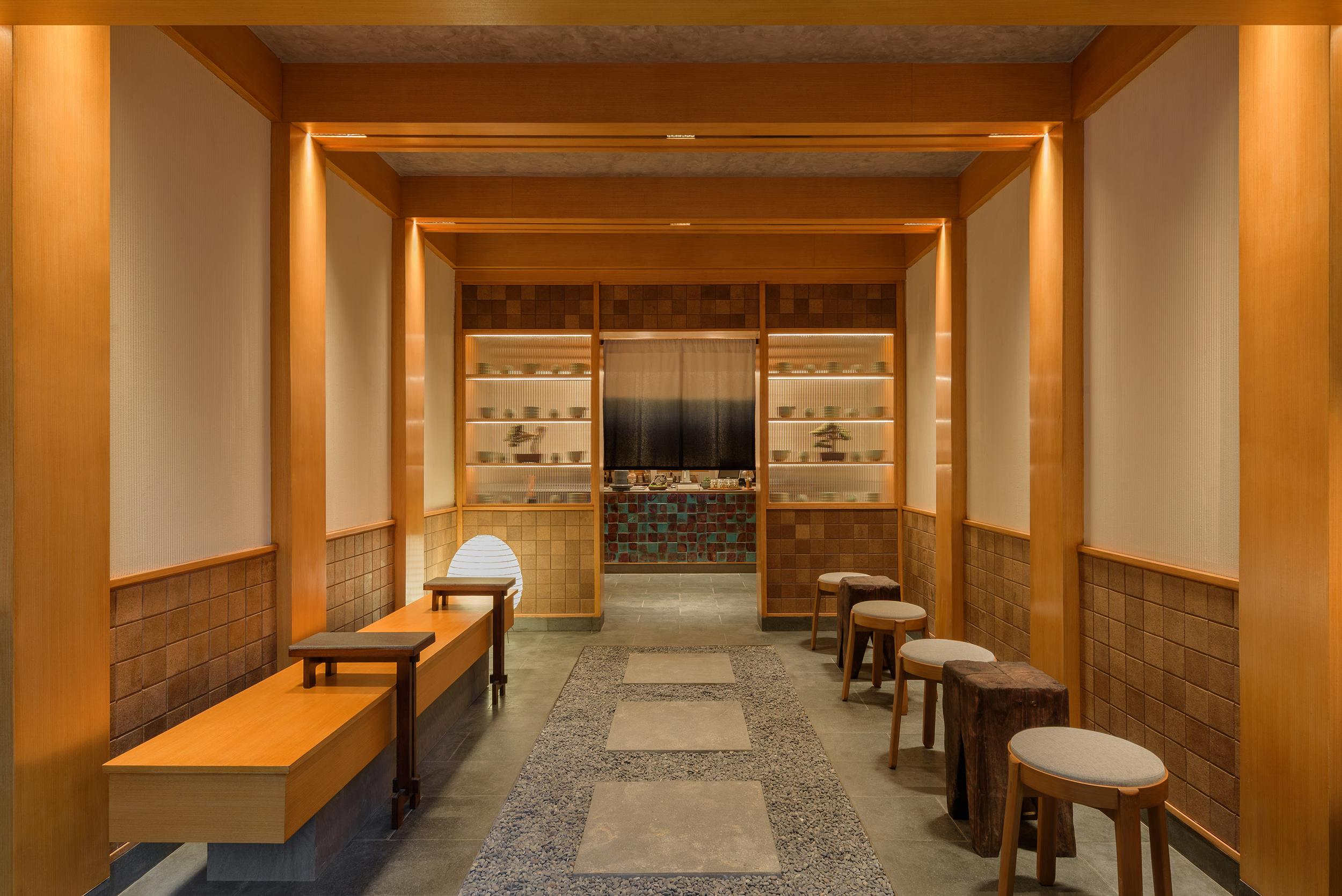
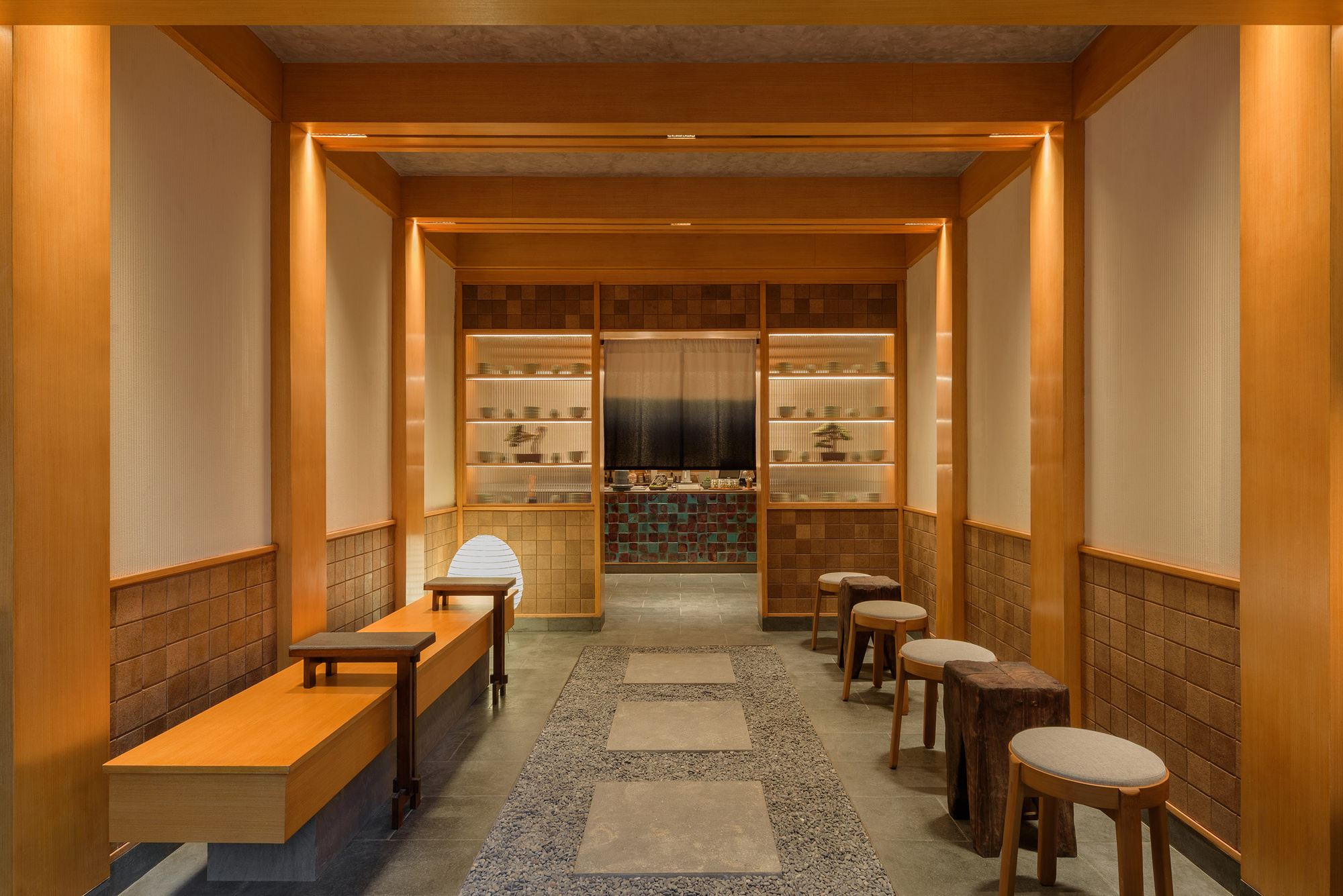
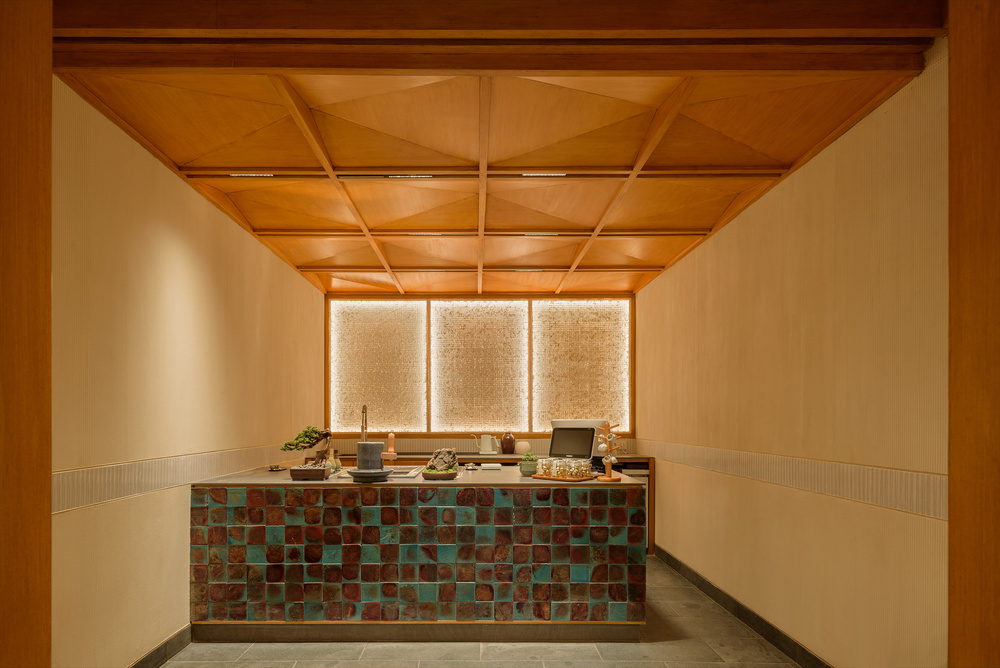
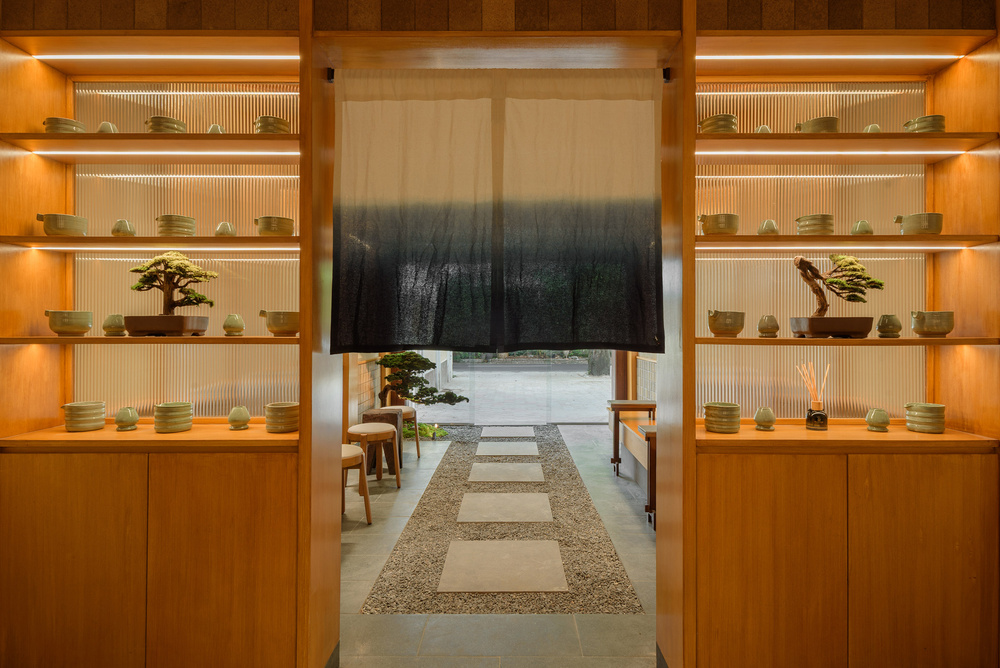
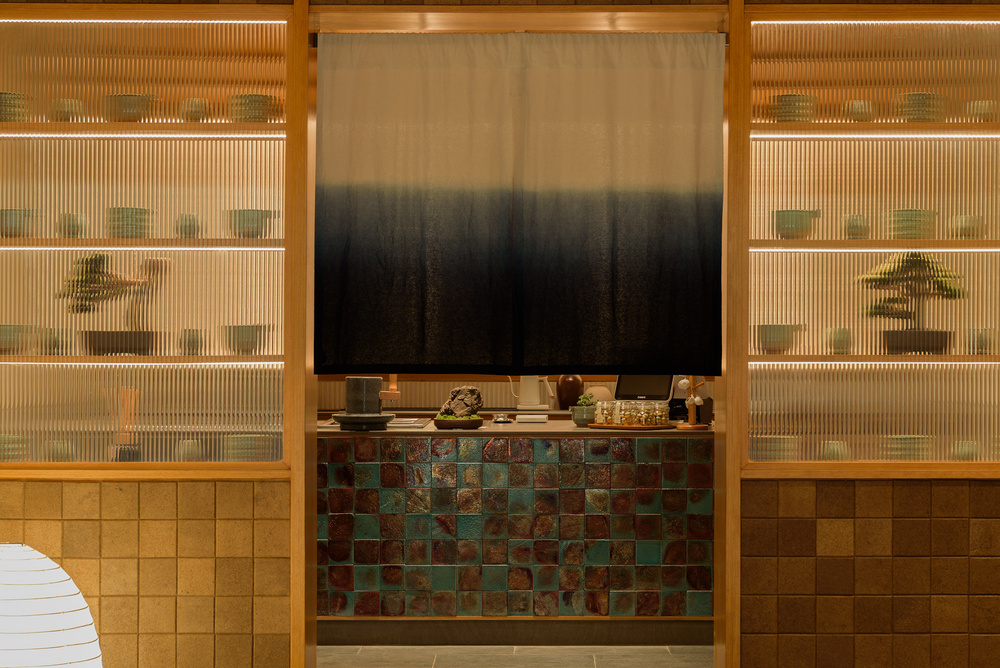
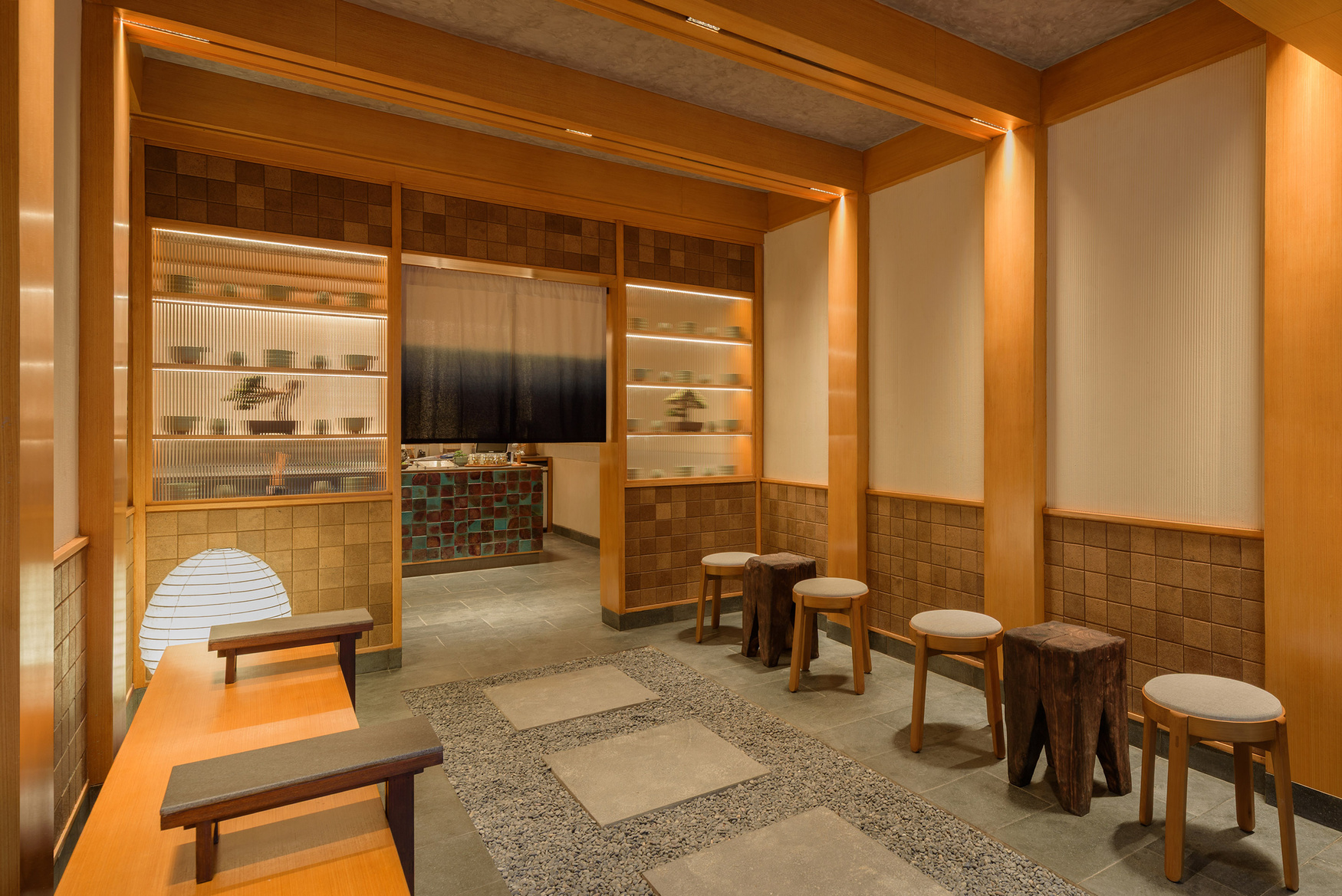
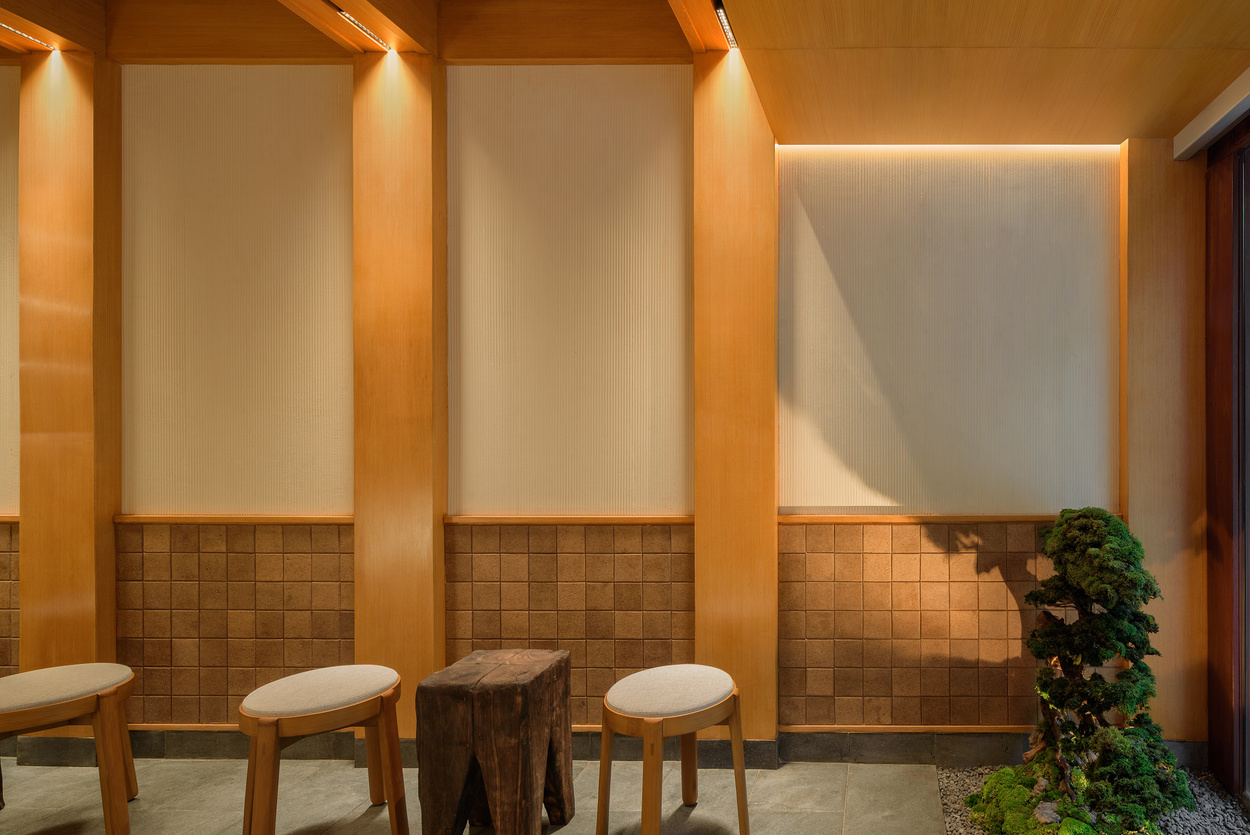
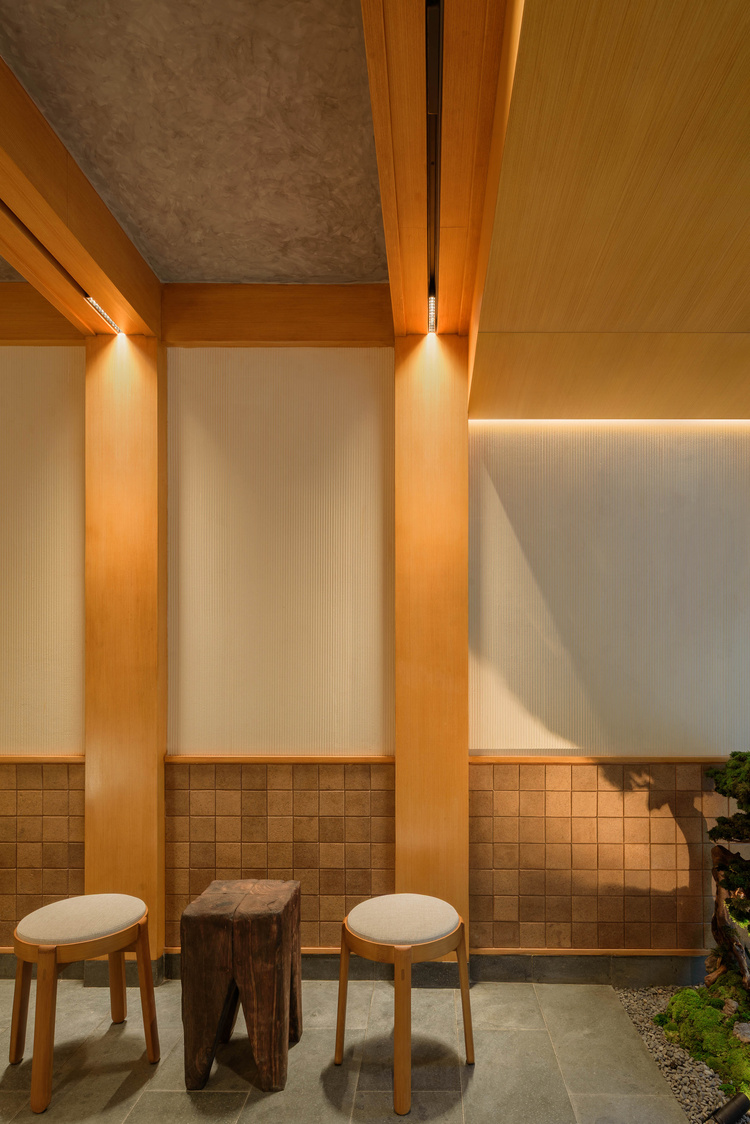
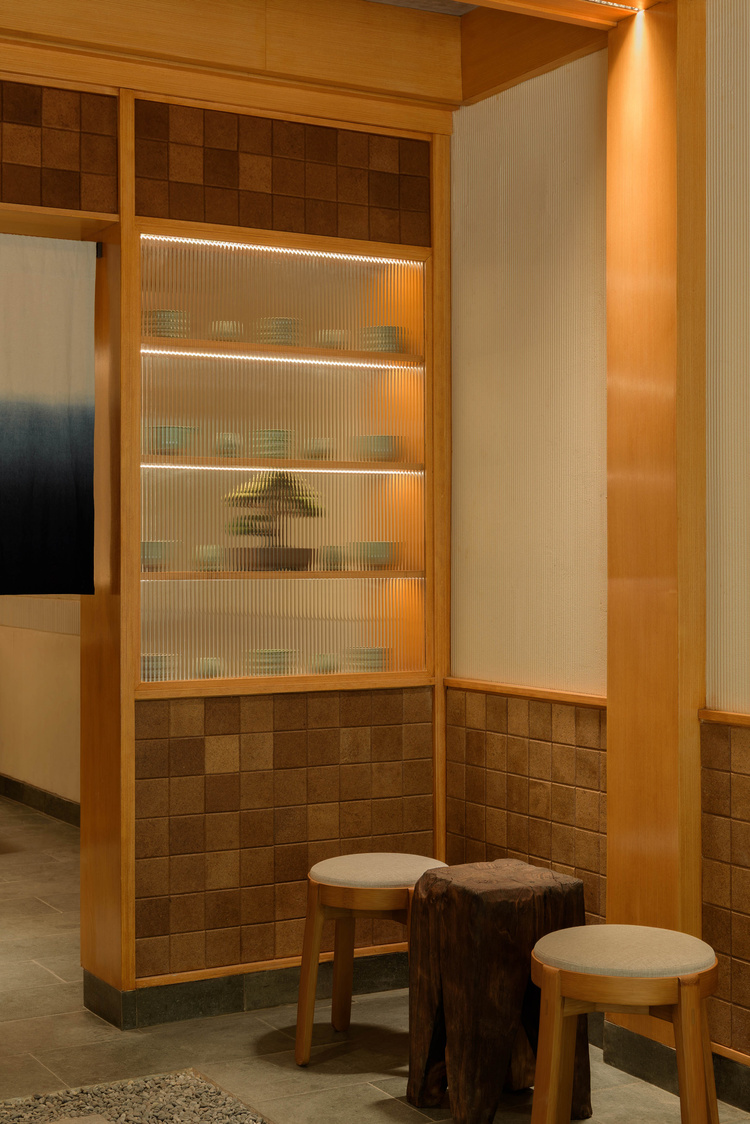
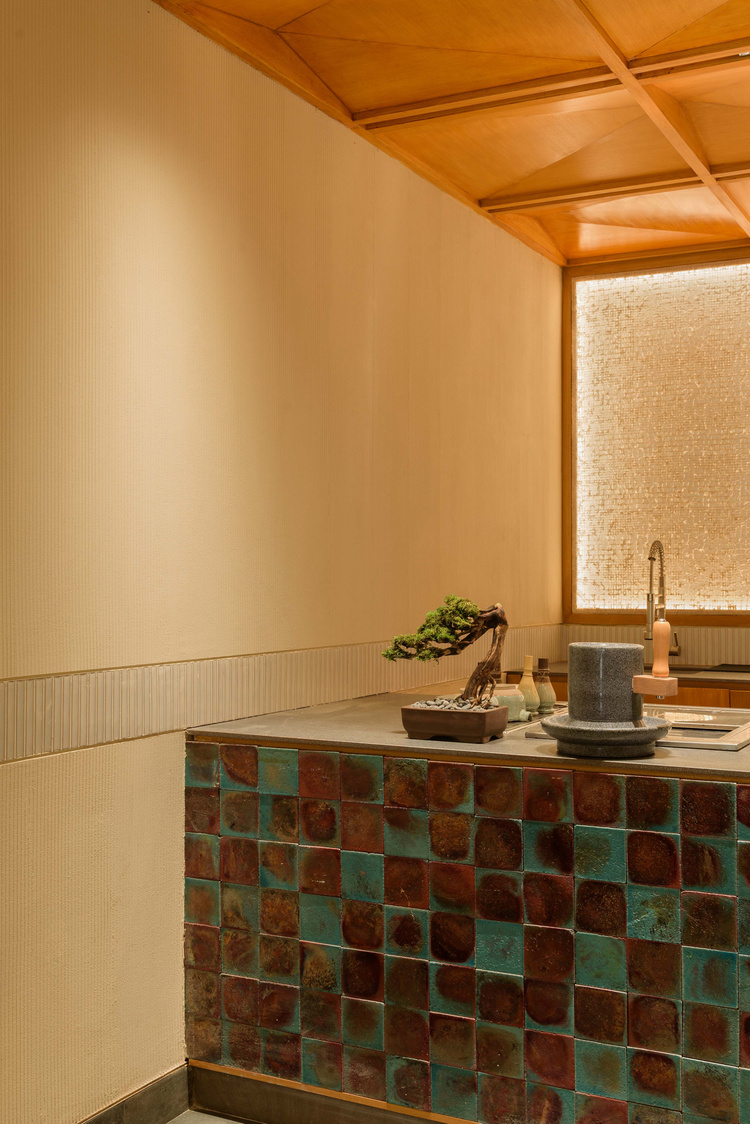
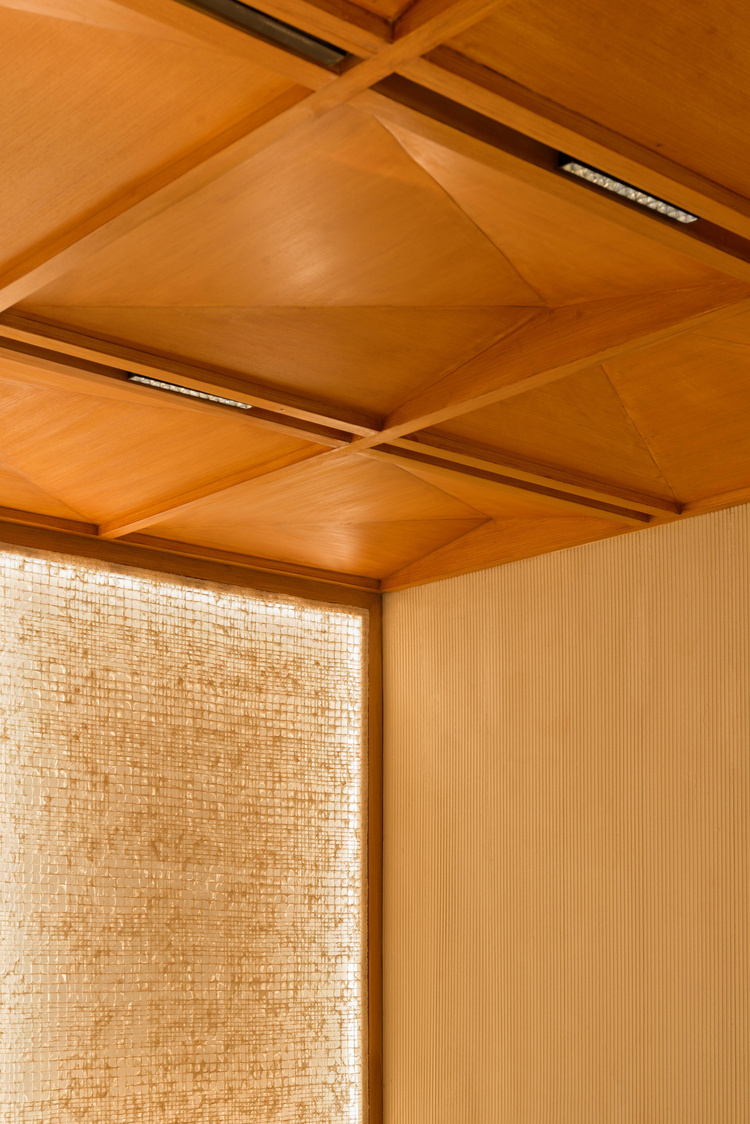
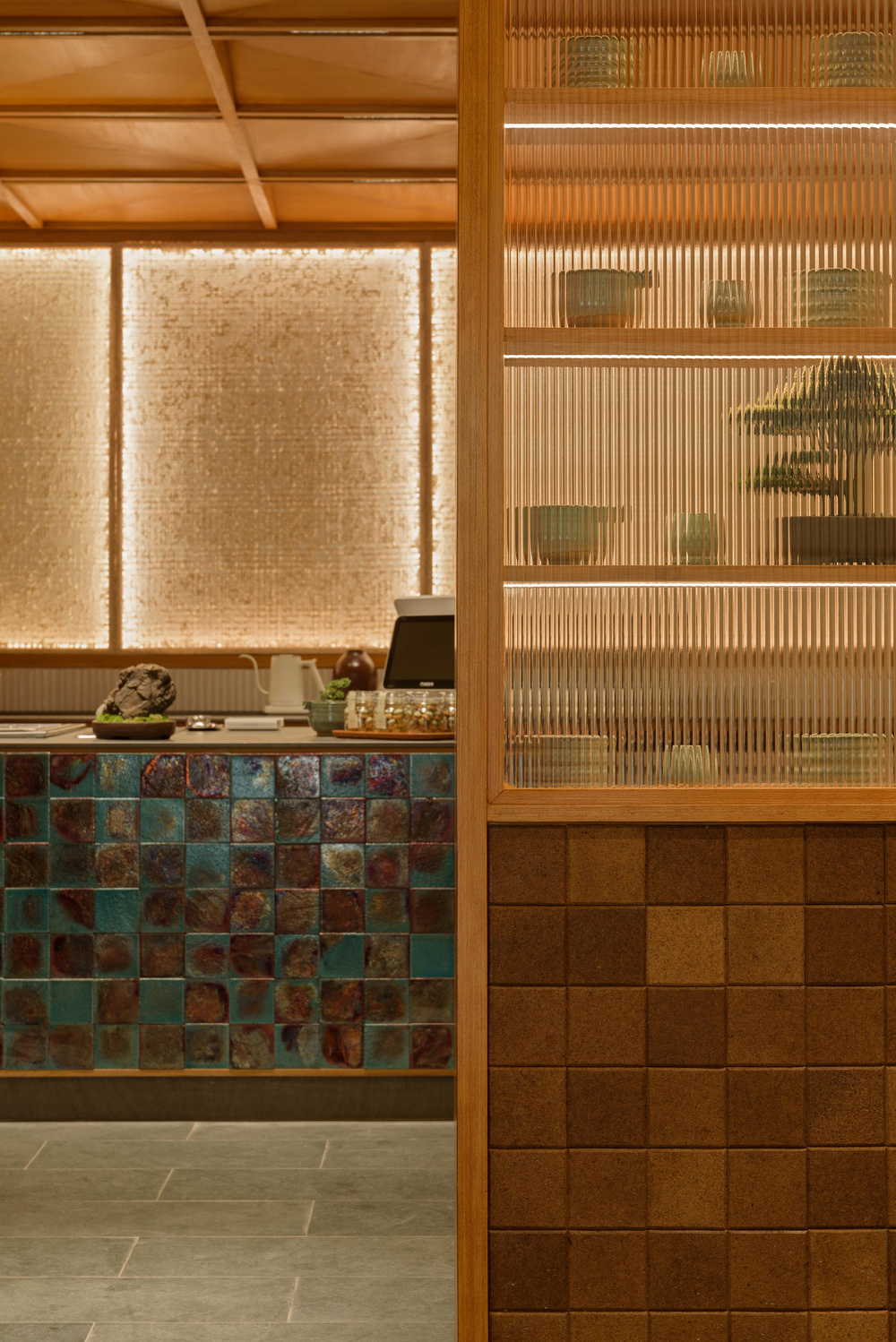
The spatial experience unfolds as a measured sequence, reflecting the deliberate pace and discipline associated with matcha preparation. Visitors are first welcomed into a semi-outdoor seating area conceived as a transitional space between the street and the interior. A threshold framed by naturally indigo-dyed fabric marks the transition into the main room, where the matcha bar becomes the focal point. Here, the preparation of matcha is placed at the center of the experience, framed by softly illuminated banana-fiber paper that introduces texture, warmth, and a subtle sense of depth.
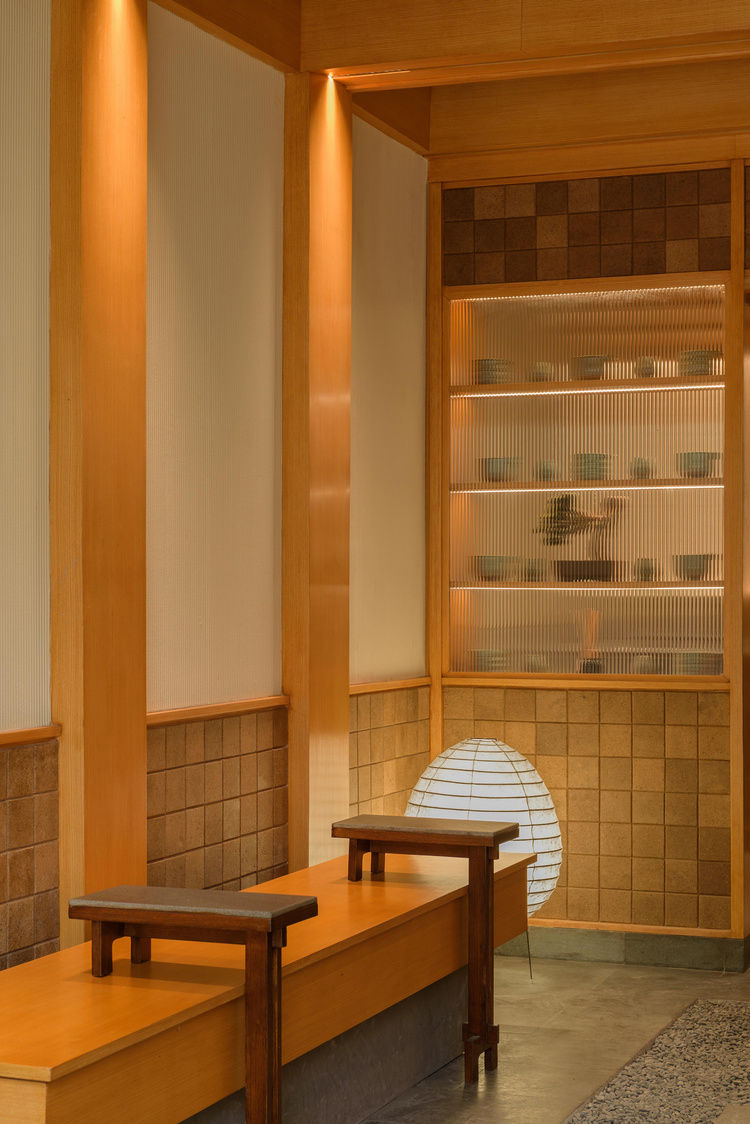
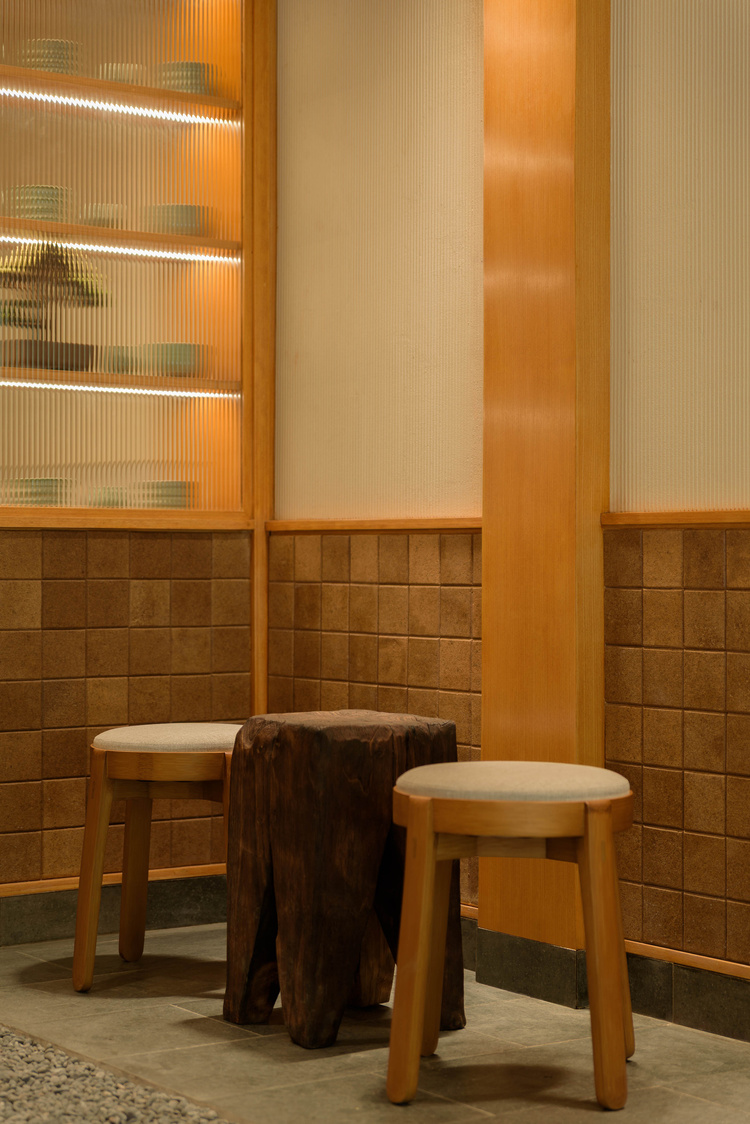
Throughout the project, materials sourced from local makers shape the atmosphere of the interior. Lava stone tiles produced in Bali form the monolithic matcha bar, while wall panels incorporating recycled coffee grounds and handcrafted paper introduce subtle variations in texture and light. A curated selection of furniture, including bamboo pieces and handcrafted teak stools, extends this material language into the experience of sitting and gathering. Together, these materials express the tactile qualities of Indonesian craftsmanship through everyday use. Jun Matcha Club brings together neighborhood life, the ritual of preparing tea, and Indonesian craftsmanship into a single spatial experience, where atmosphere is shaped through sequence, material, and making.