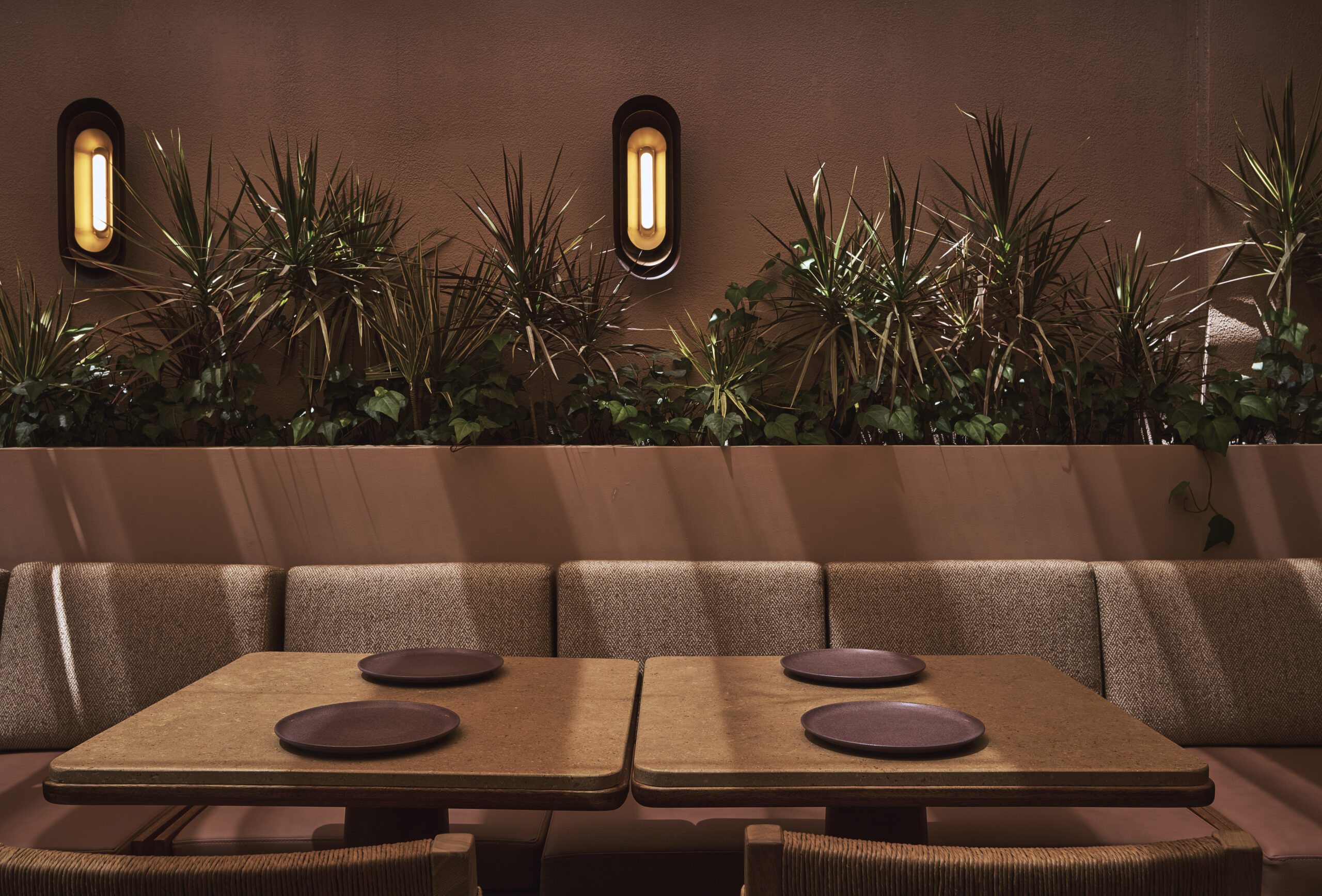
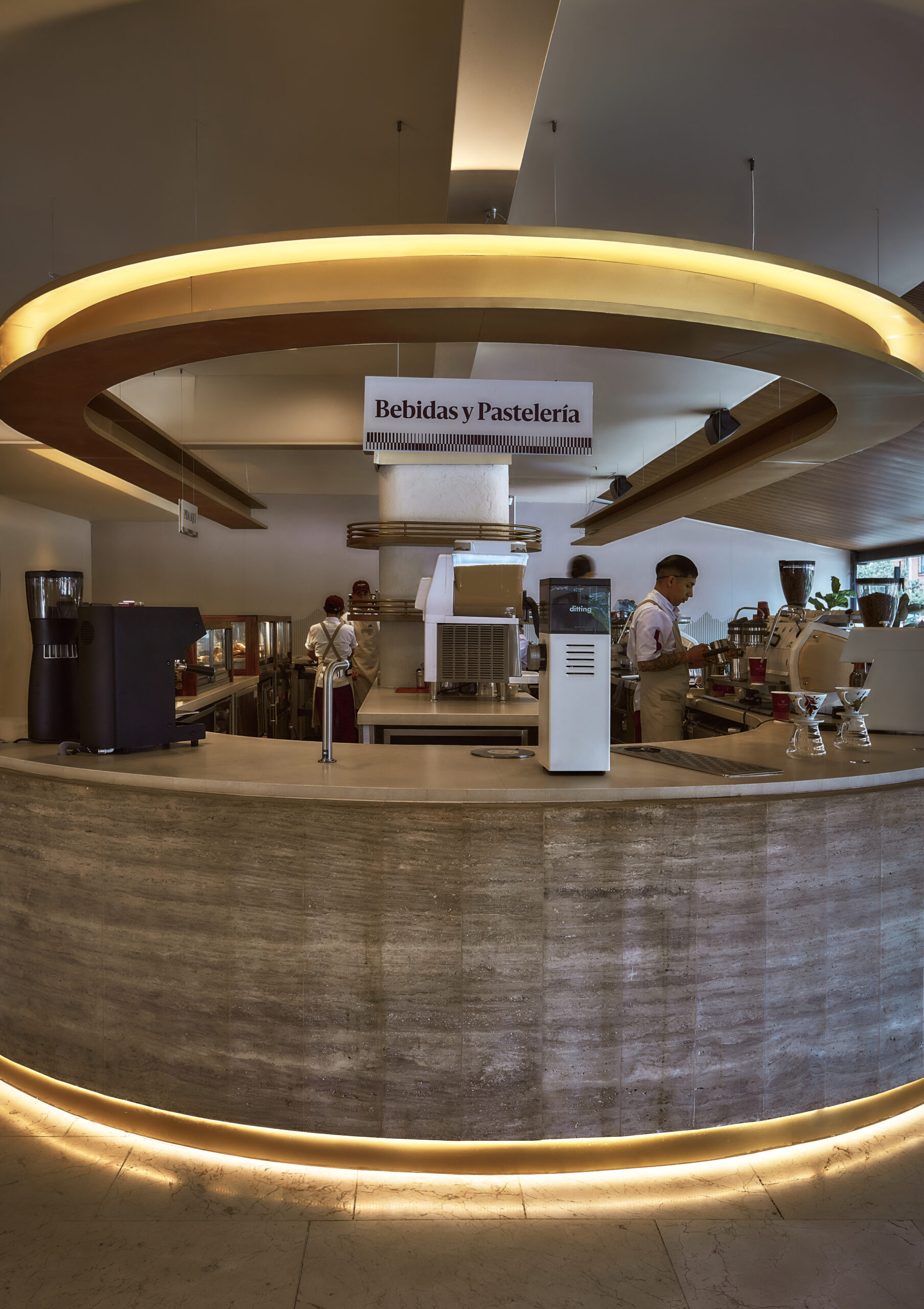
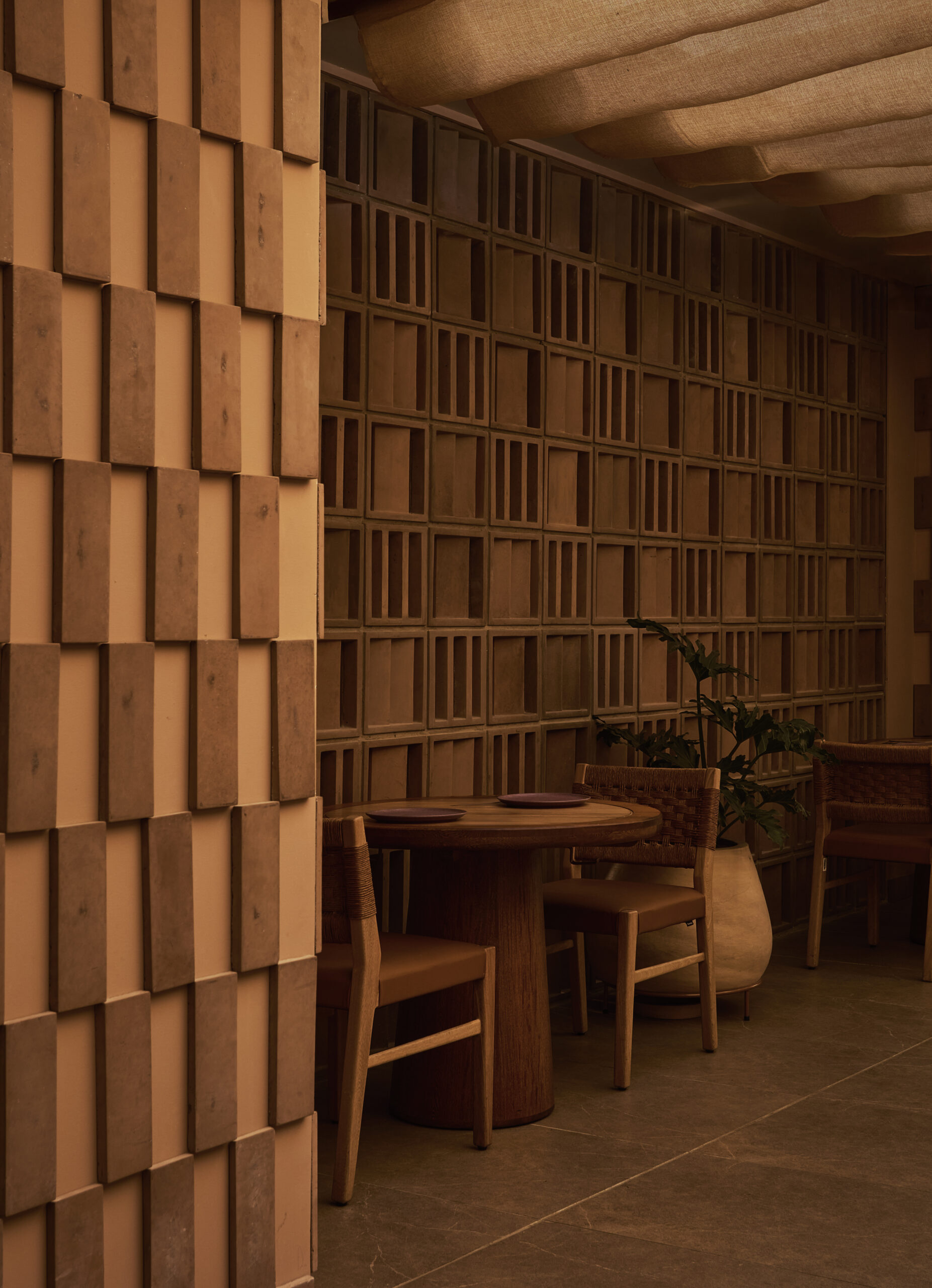
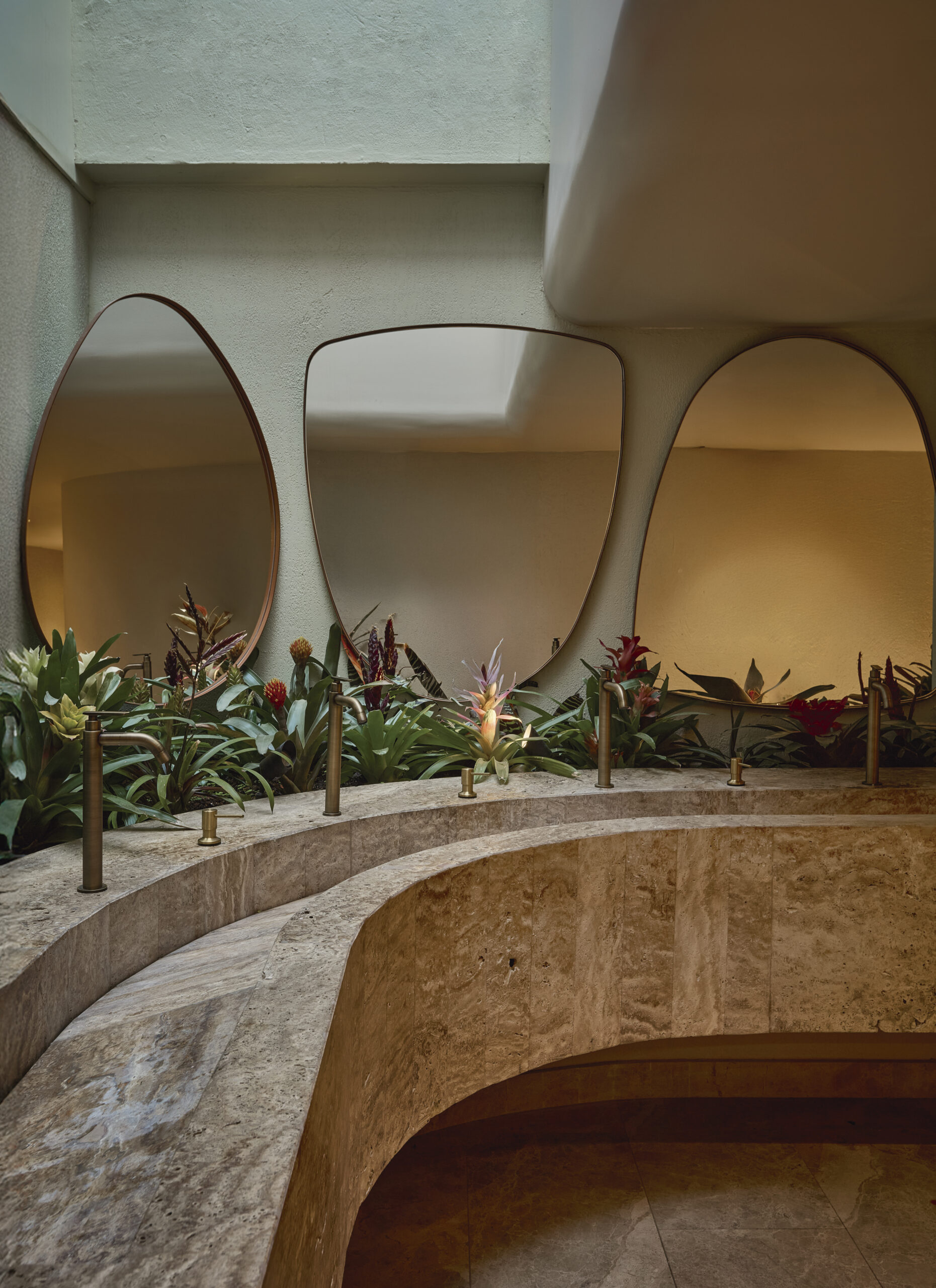
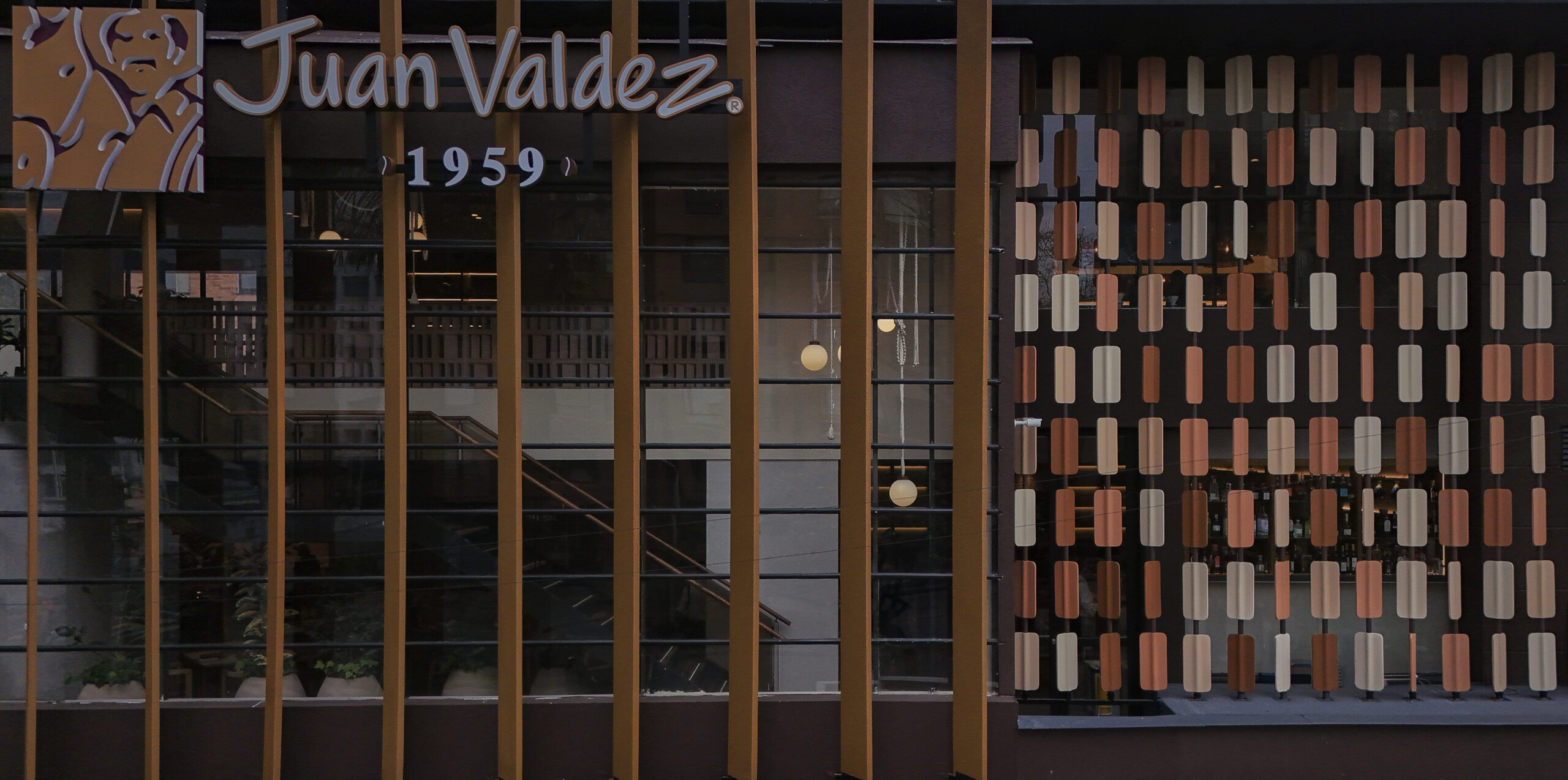
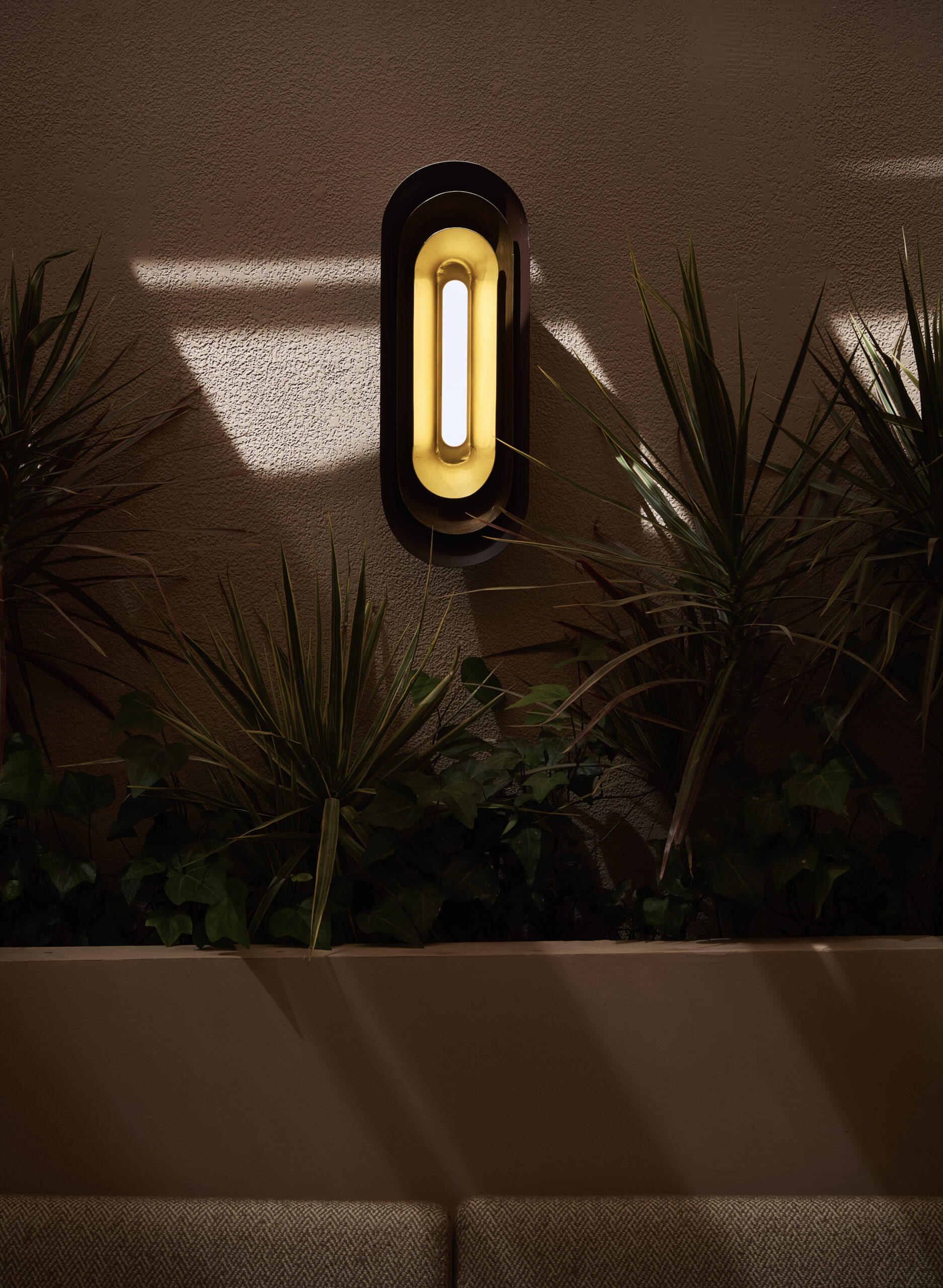
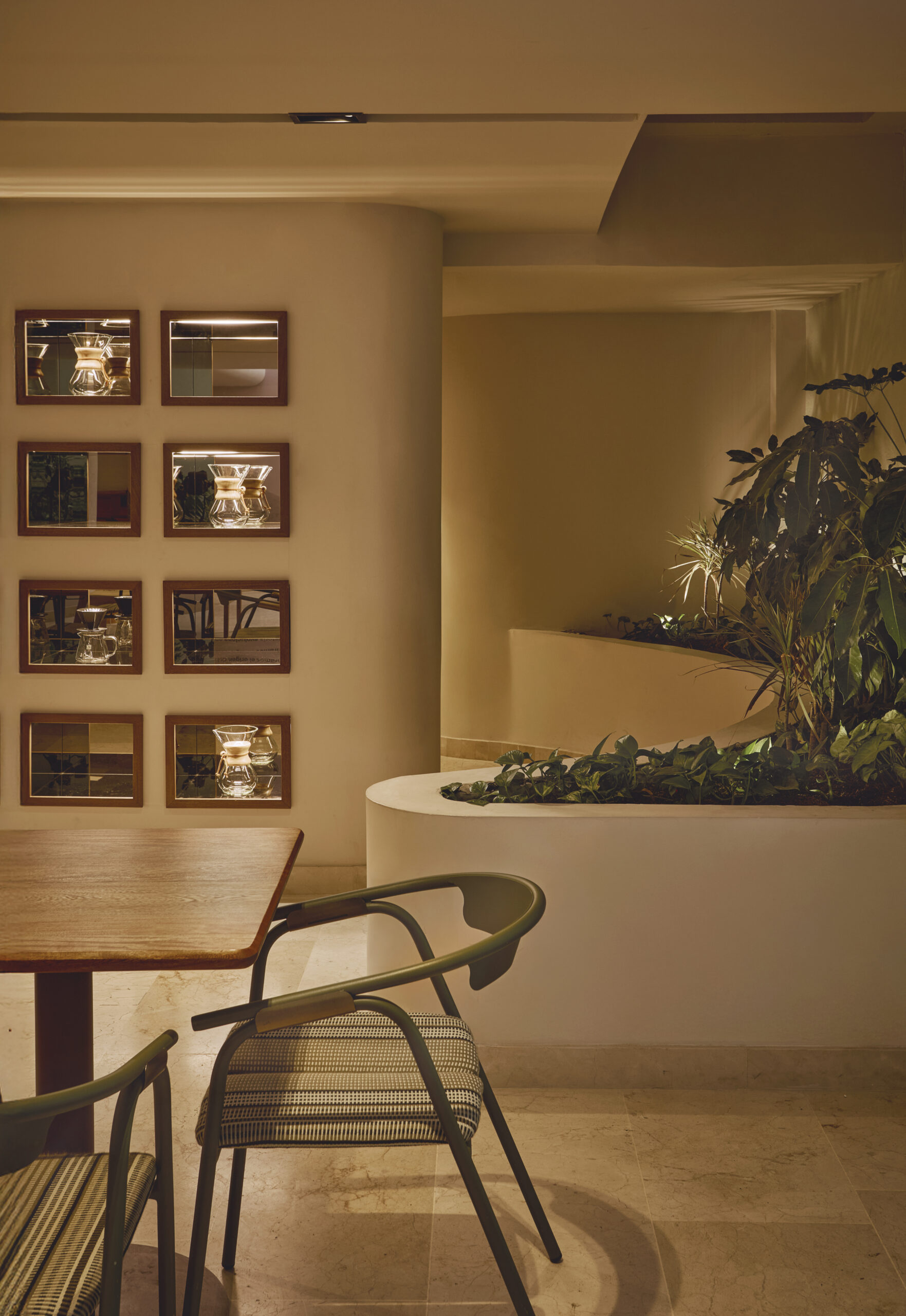
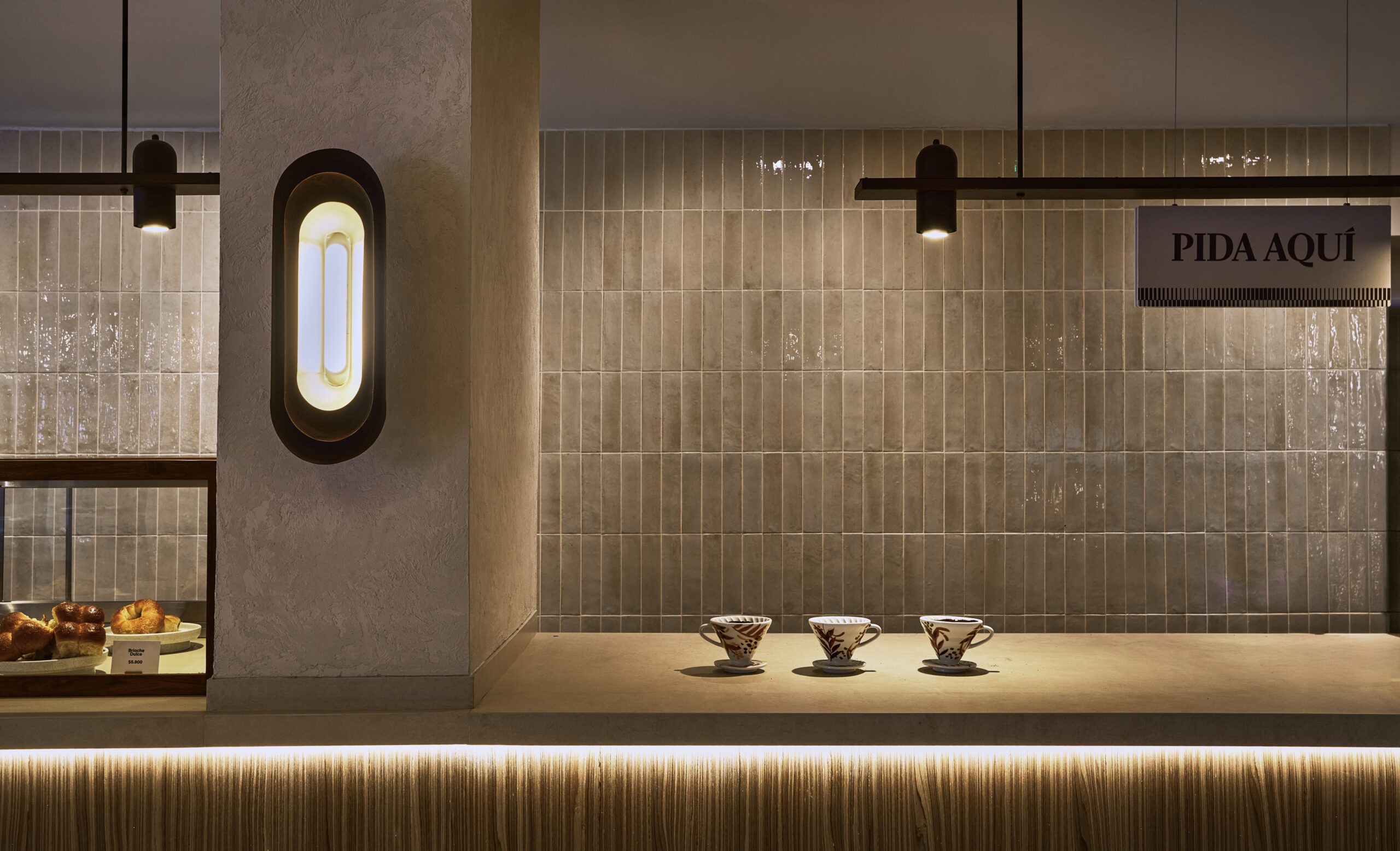
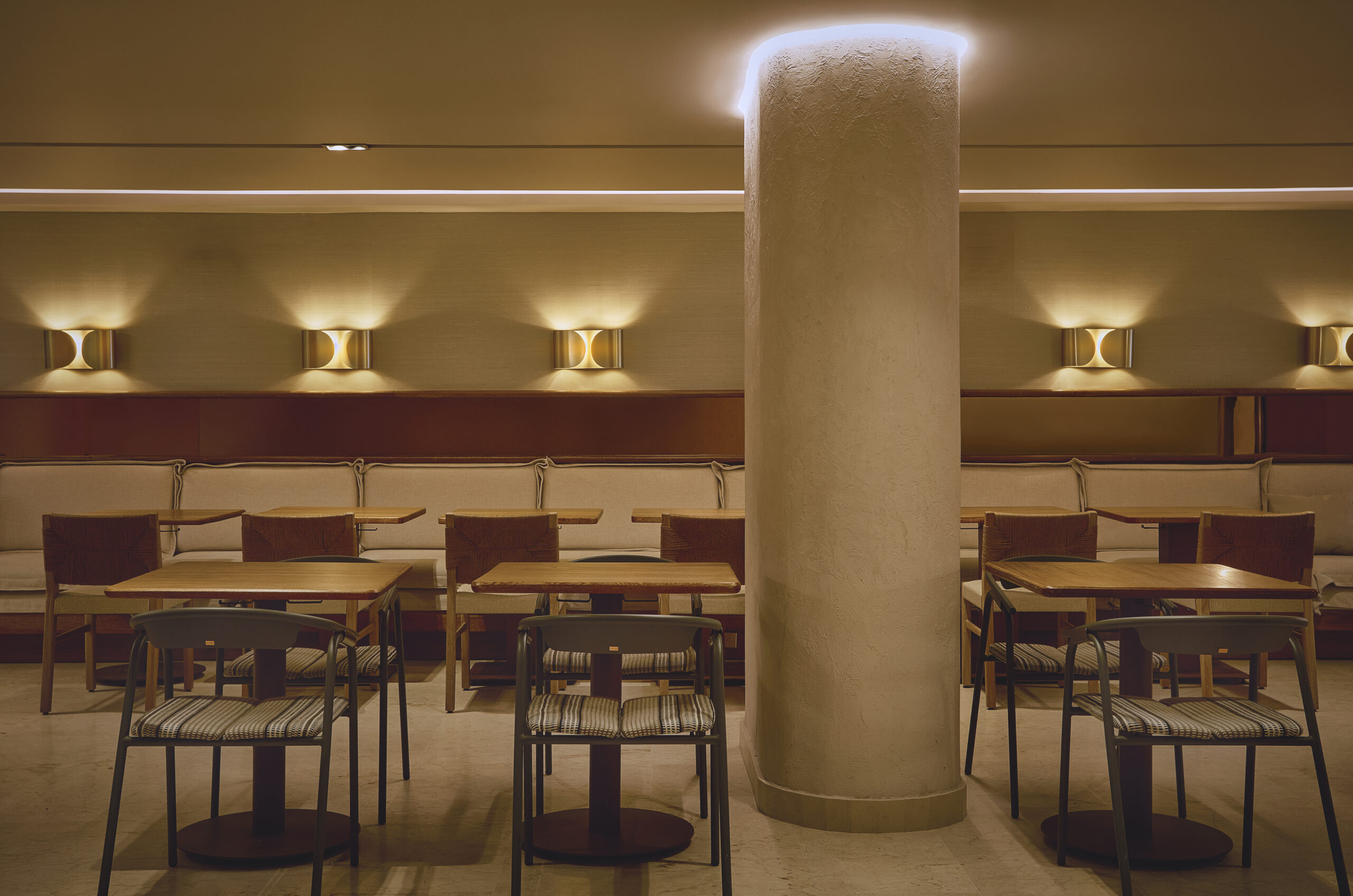
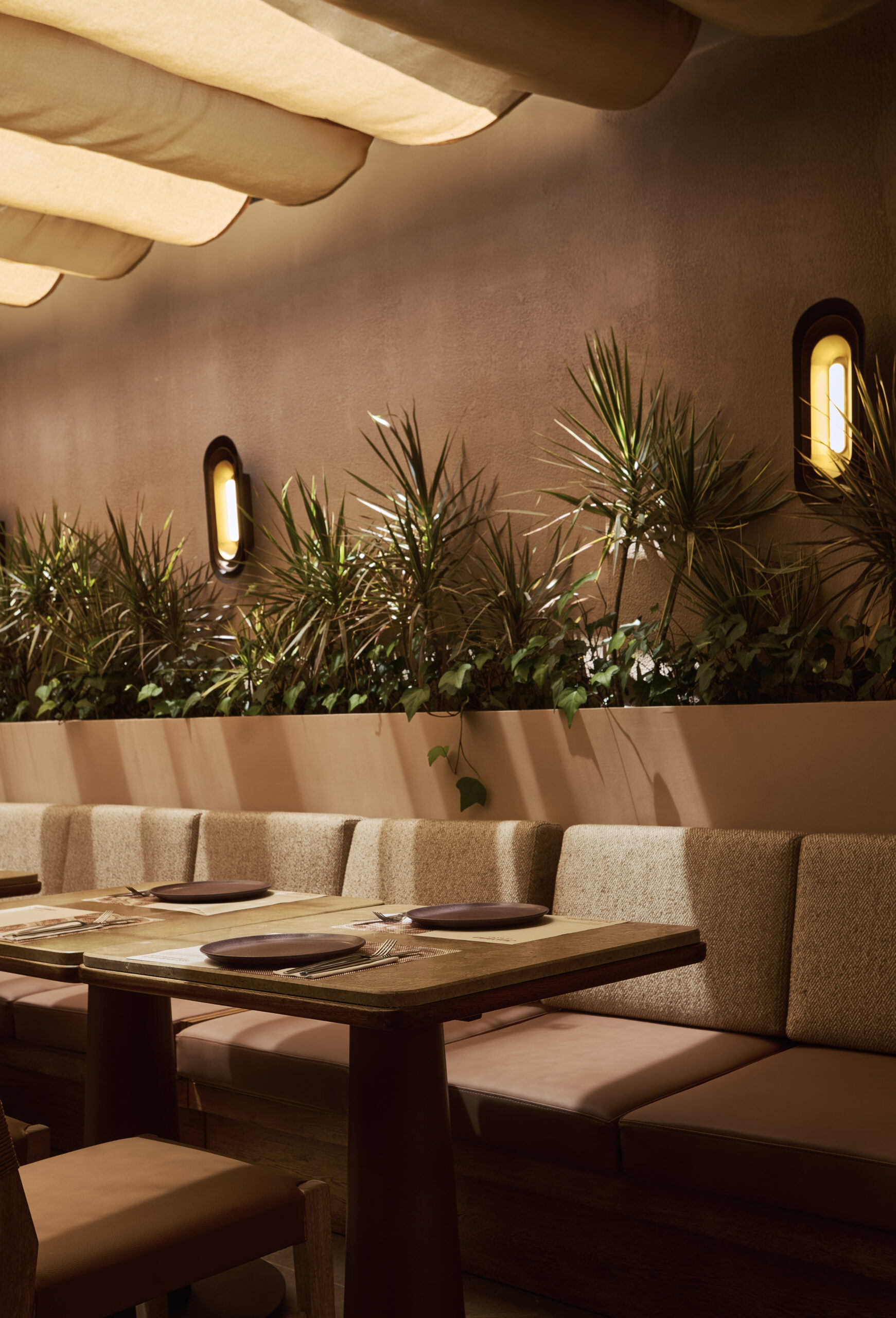
The Juan Valdez flagship store was conceived as an immersive architectural narrative that translates the essence of Colombian coffee culture into space. Rather than approaching the project as a conventional retail environment, the design explores how architecture can embody territory, memory, craftsmanship, atmosphere, and ritual through a layered sensory experience. Inspired by the intimate relationship between Colombia’s mountains, climate, geography, and coffee-growing traditions, the project unfolds across three experiential levels. Each floor represents a different dimension of coffee culture: origin, craft, and ritual.
The first level evokes the atmosphere of the coffee landscape through earthy textures, filtered light, organic materiality, and spatial compositions reminiscent of mist, soil, vegetation, and mountainous terrain. The second level celebrates craftsmanship and the human labor behind coffee production through woven textures, woods, fibers, artisanal details, and tactile surfaces that honor handmade traditions. The third level becomes a vibrant expression of hospitality, joy, and collective ritual within Colombian culture through an energetic interplay of color, texture, pattern, and social experience.
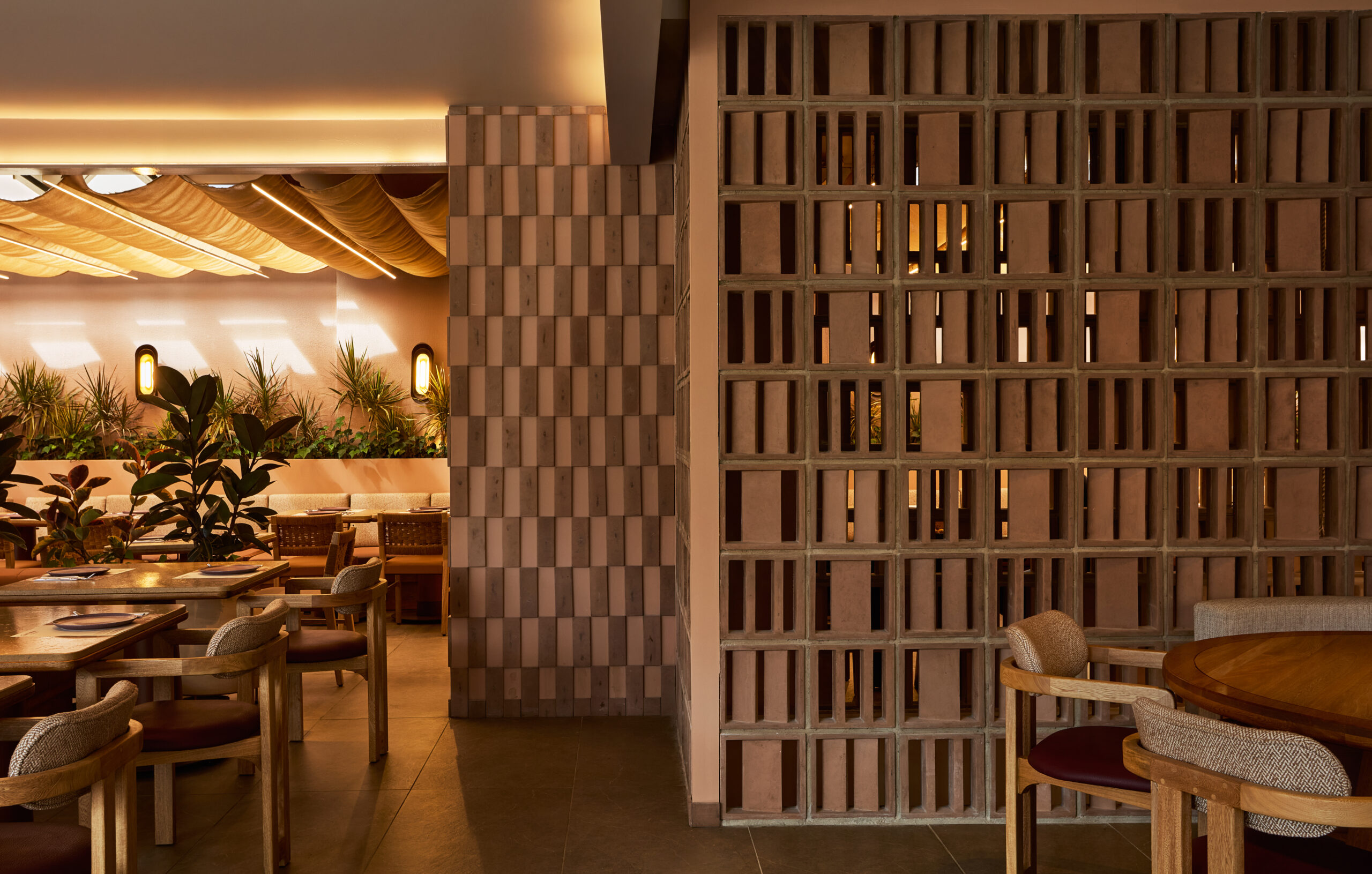
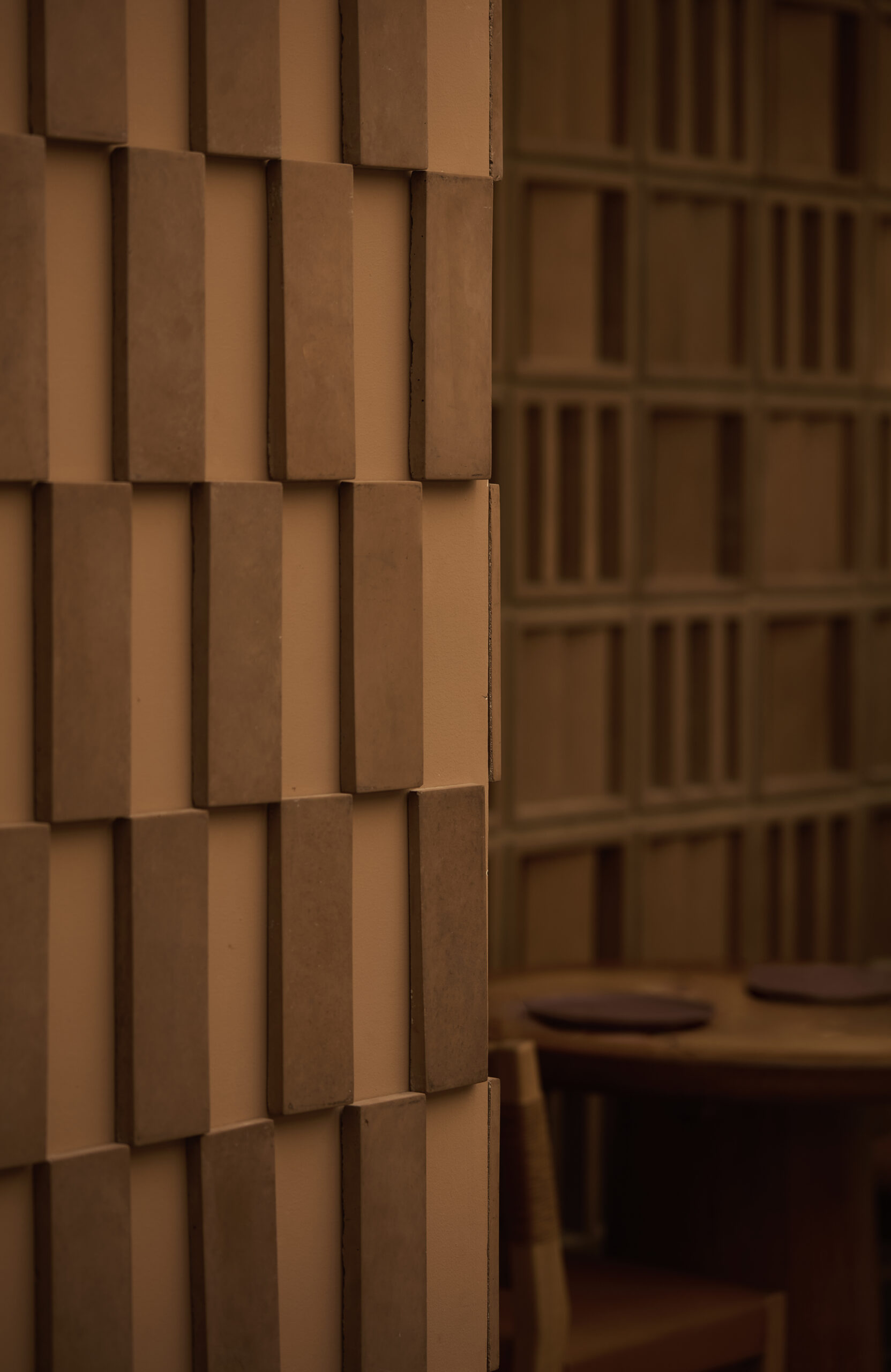
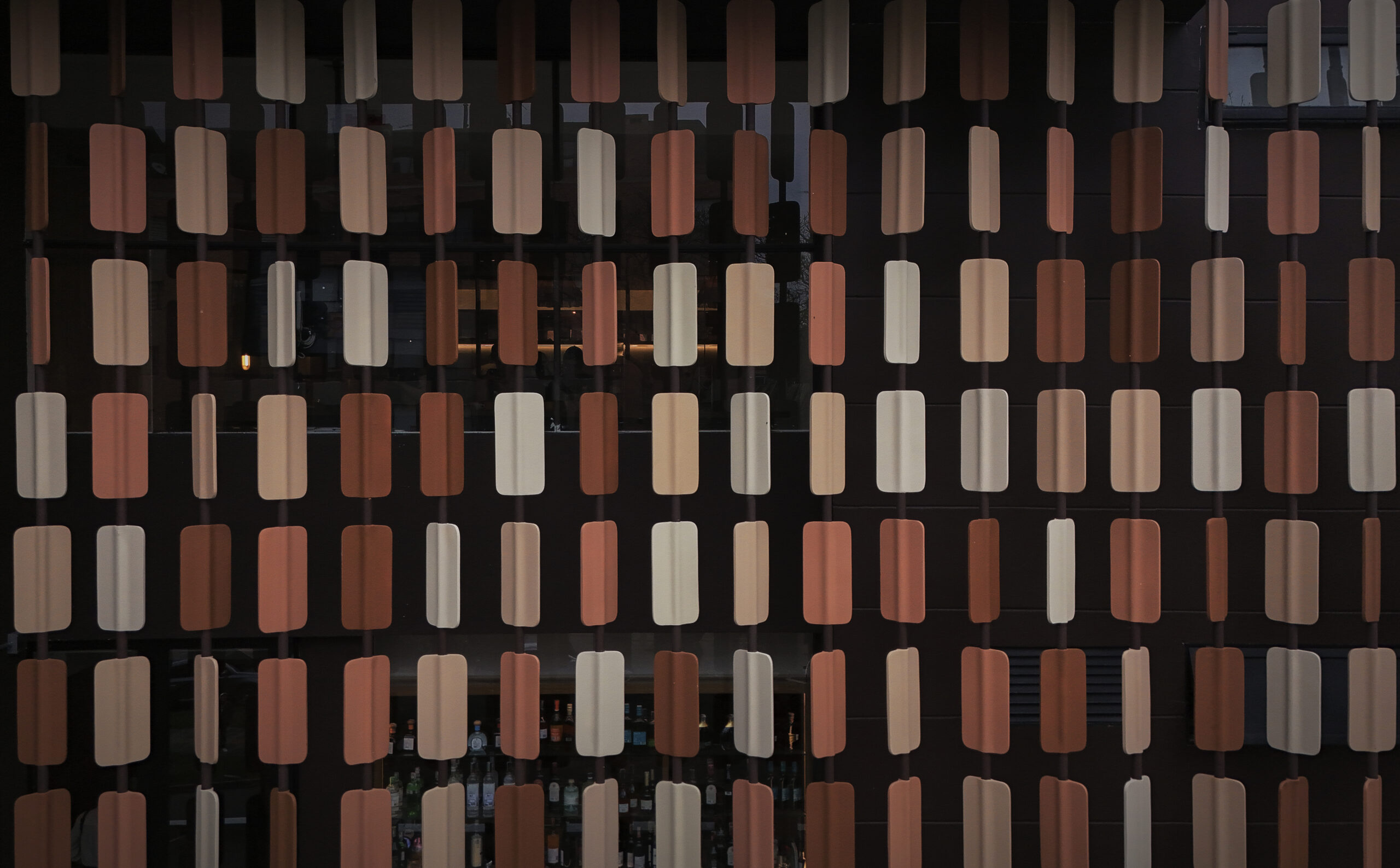
According to the architects, the material language of the project is rooted in a sensibility that values authenticity, craftsmanship, locality, and permanence. The palette of materials and colors draws inspiration from the layered journey of coffee itself, from fertile earth to the roasted bean. Shades of green, earthy browns, cherry-red seed tones, warm beige, and deep coffee hues echo the natural processes embedded in Colombian coffee production. The guiding principle was to create an honest, sensory, and emotionally resonant materiality. Neutral architectural backgrounds allow textures and handcrafted surfaces to emerge with depth and clarity.
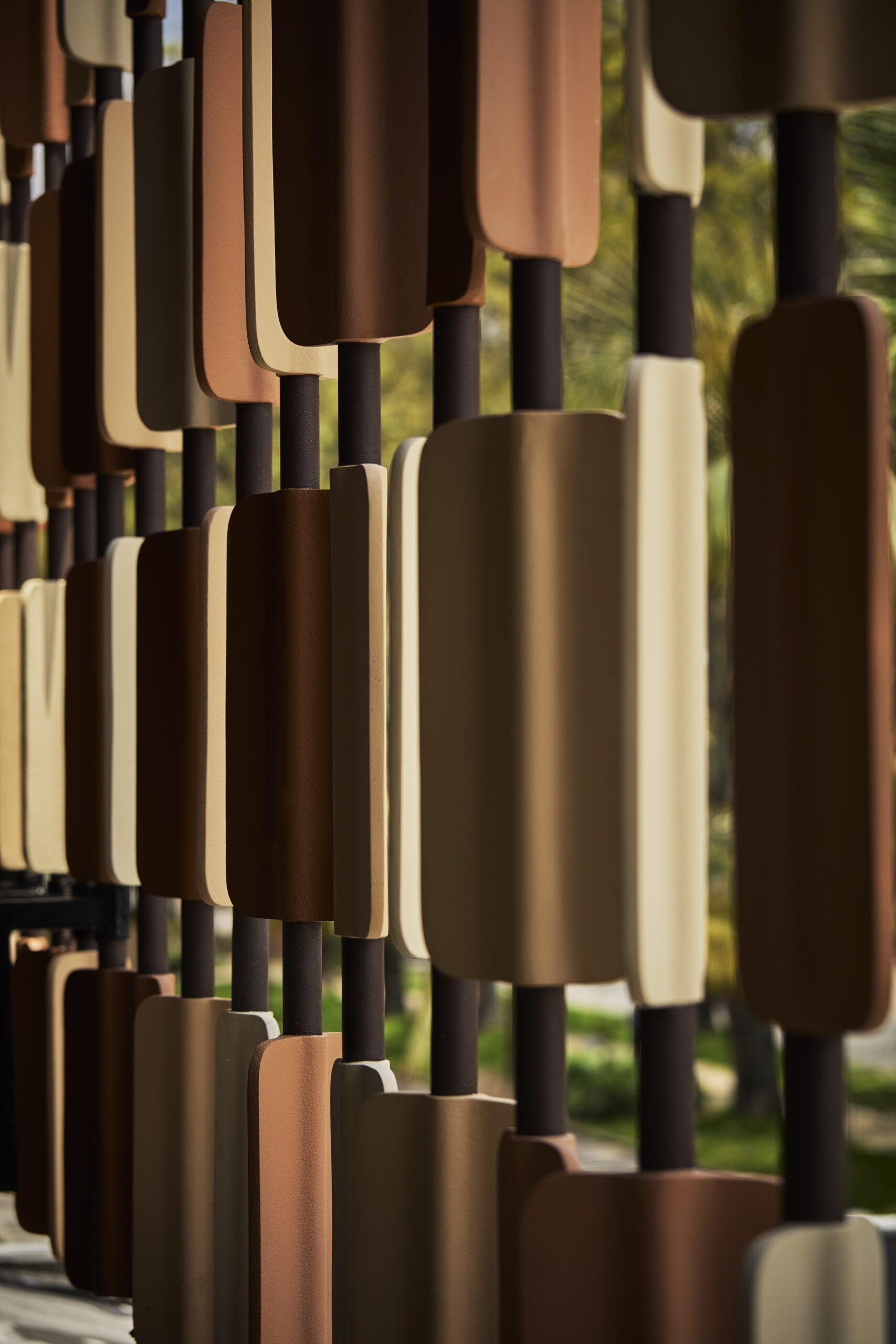
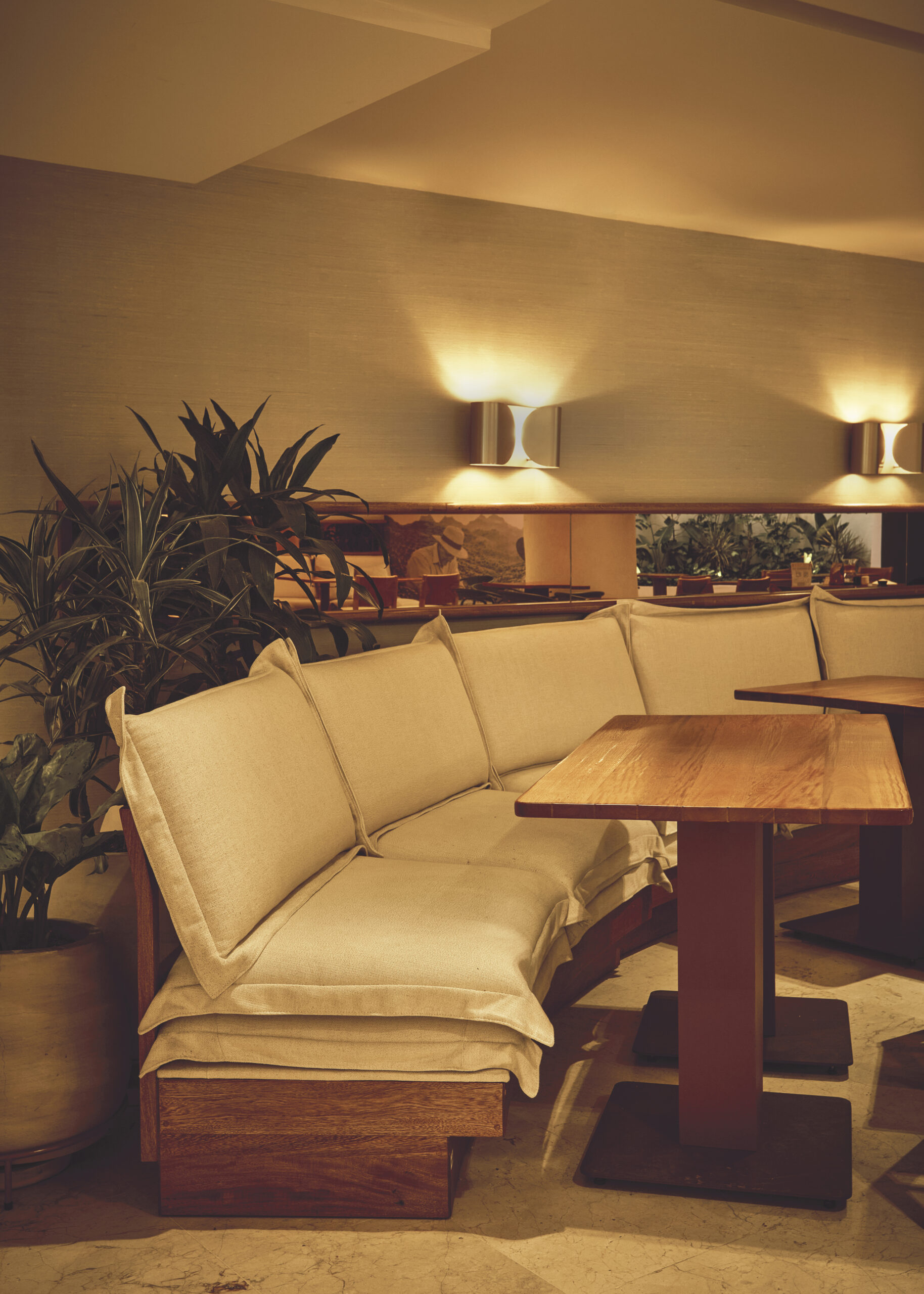
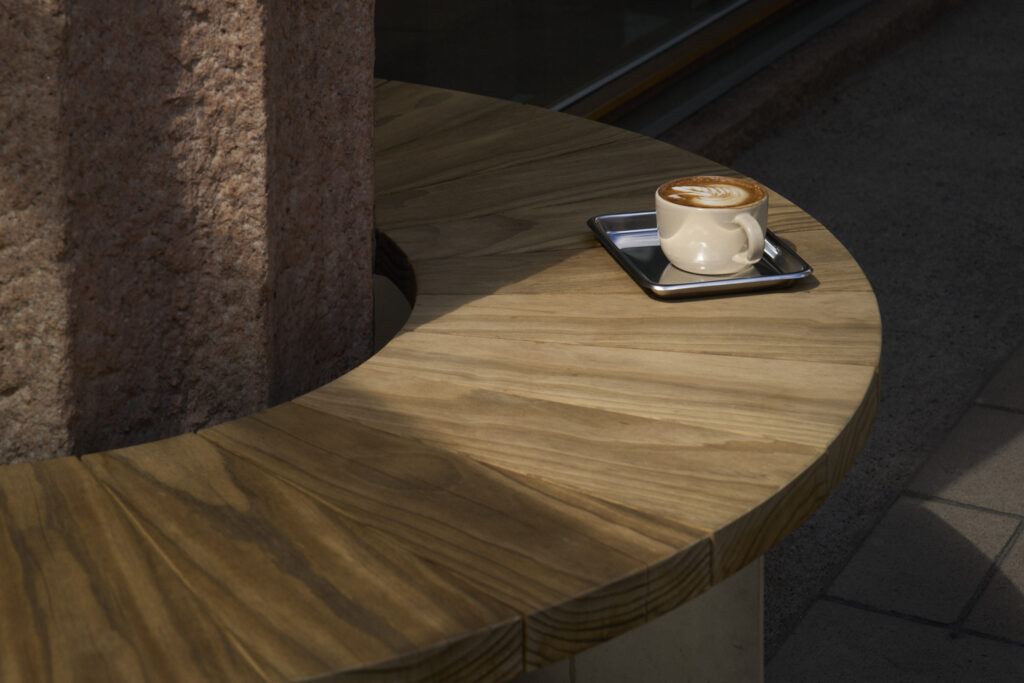
The project combines wood, natural stone, ceramics, textiles, woven fibers, and bronze, creating contrasts between softness and solidity, refinement and tactility. These materials were selected not only for their aesthetic value, but for their durability, timelessness, and ability to age gracefully over time. Rather than relying on decorative gestures, the design uses materiality itself as a storytelling device, allowing textures, imperfections, and craftsmanship to communicate the atmosphere and cultural essence of the project. Ultimately, the project transforms the experience of coffee into an inhabitable story, where architecture becomes an extension of landscape, culture, collective memory, and identity.