Playrise: the modular flatpack playground for the world’s displaced children
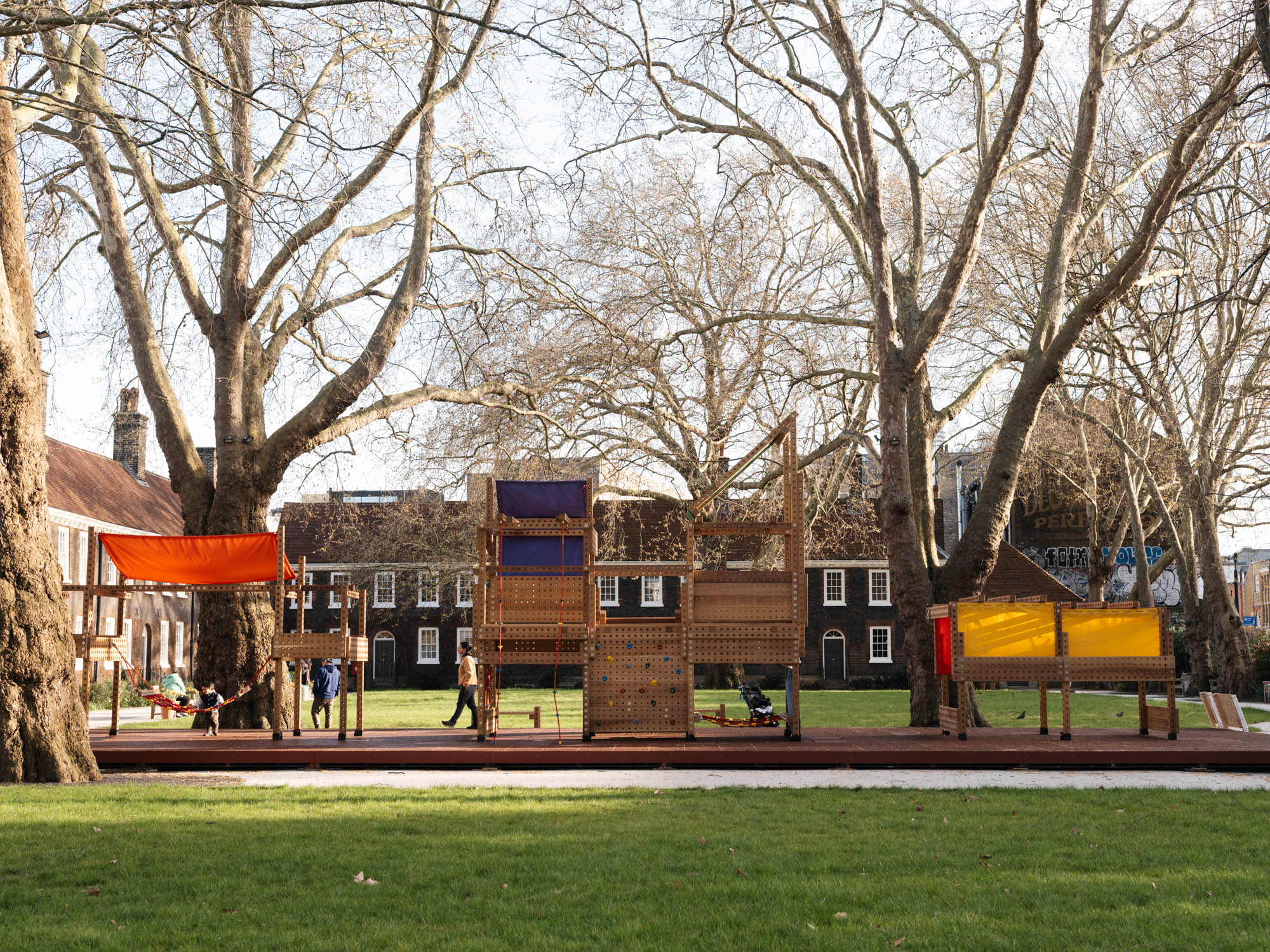
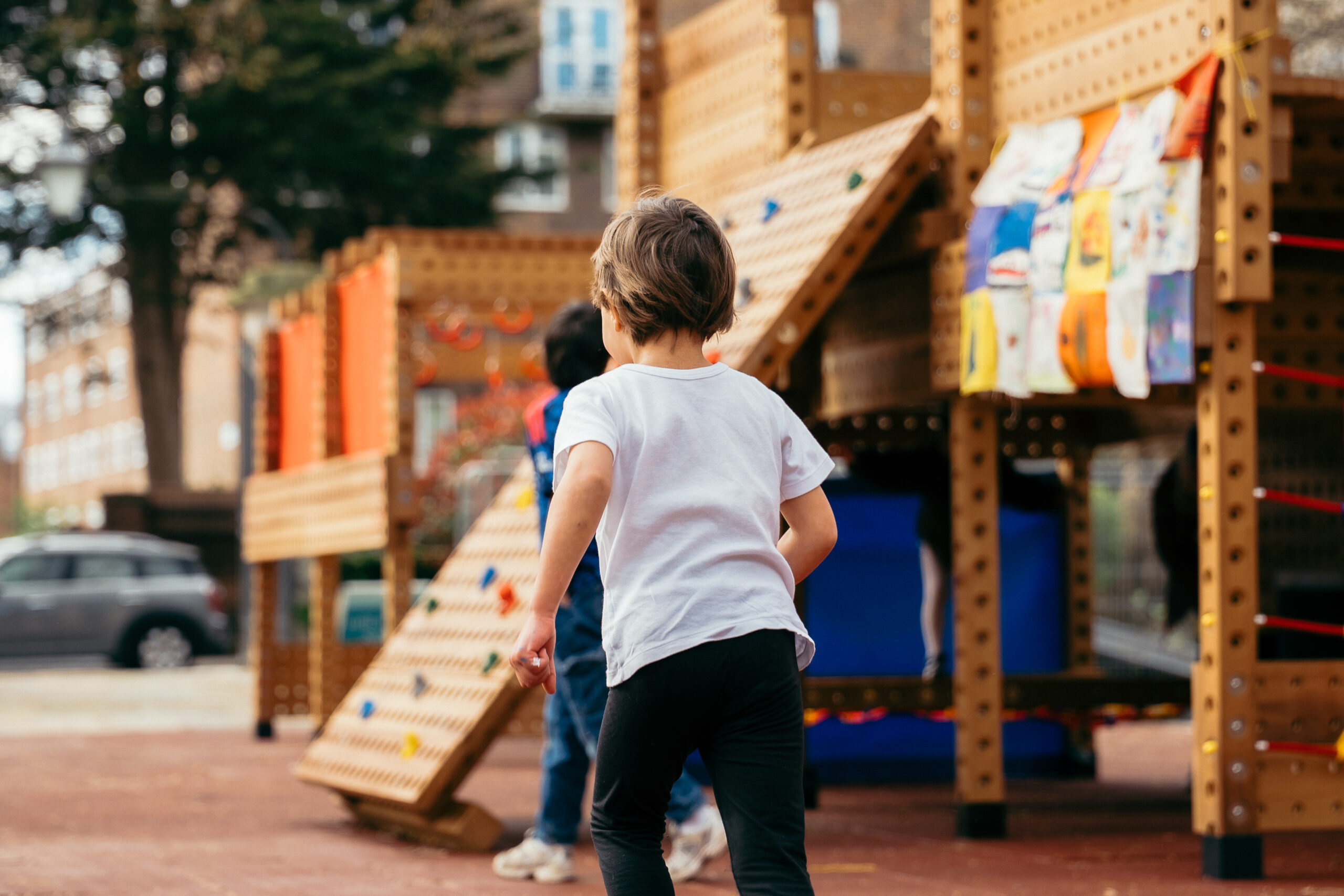
Comprising timber planks, plates and beams, the reconfigurable play structures are easy to transport install, assemble and disassemble
June 26, 2026
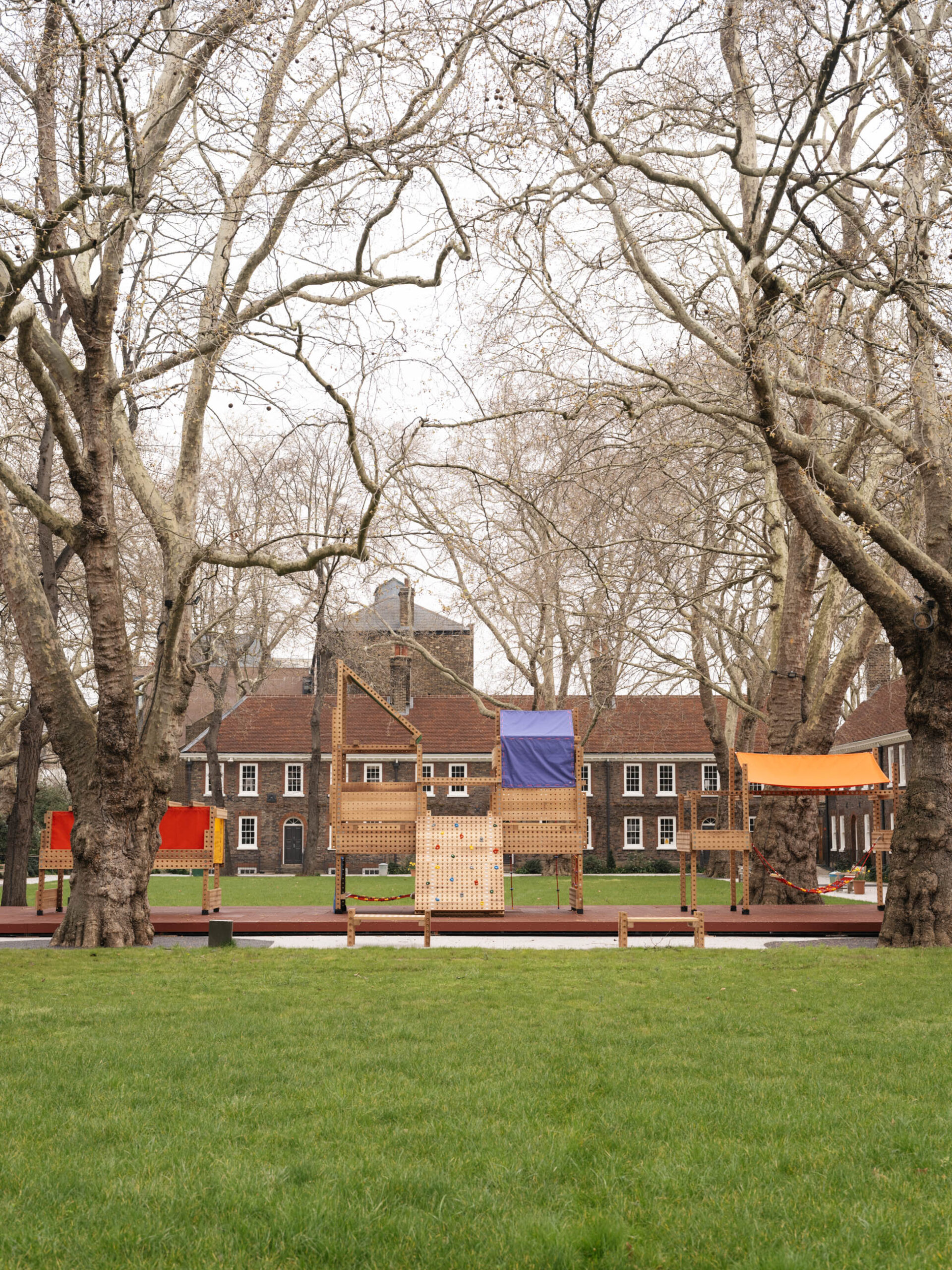
Play is fundamental to every child’s development, but for millions of kids around the world, access to play is limited or non-existent. To address this, the new UK charity Playrise has developed a modular playground system, purpose-built to restore play to displaced children living in disaster-relief zones. Co-created with communities in Ethiopia and Egypt, Playrise structures are designed to bring the formative power of play back to those children who have been denied it through conflict or crisis.
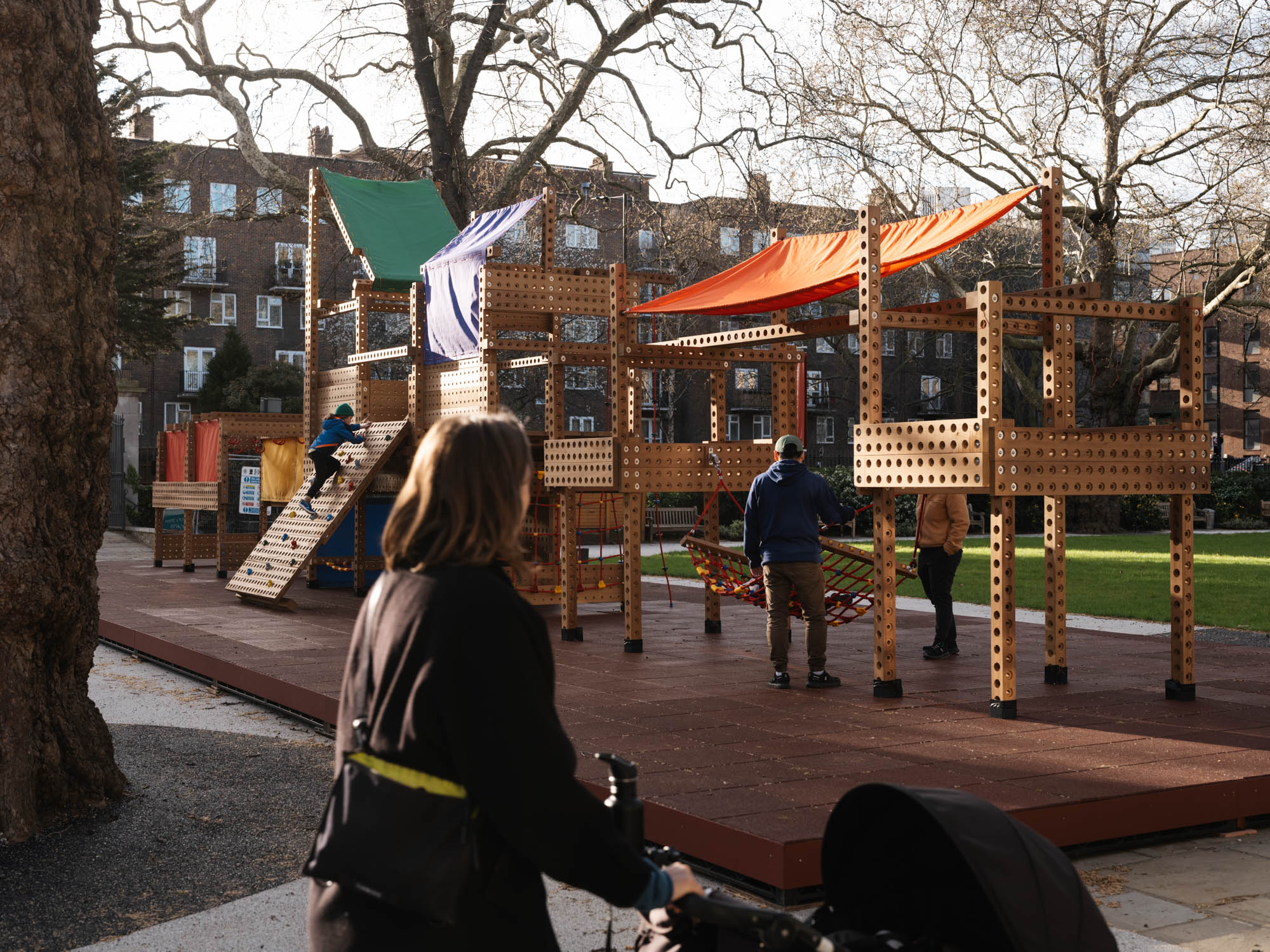
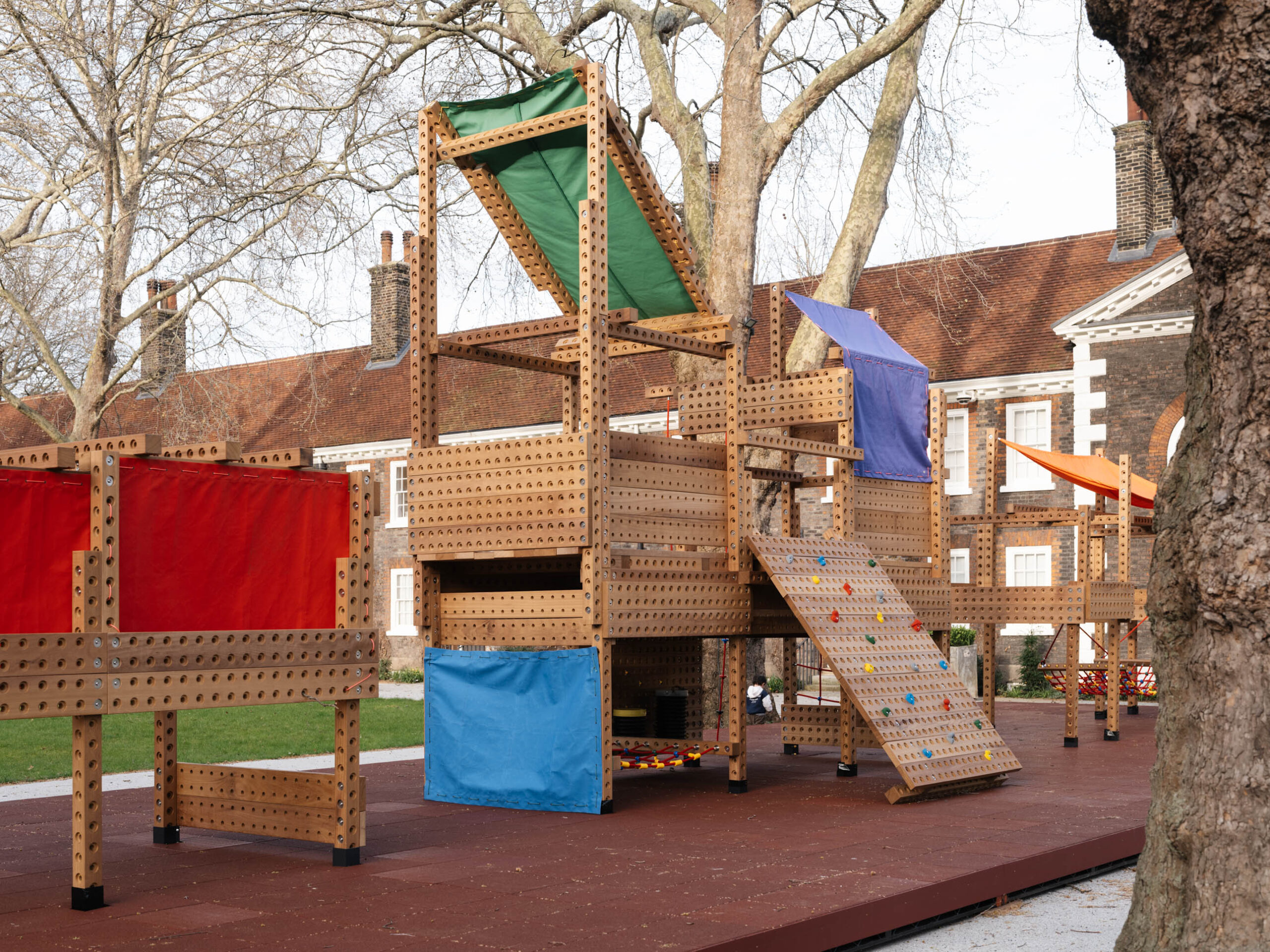
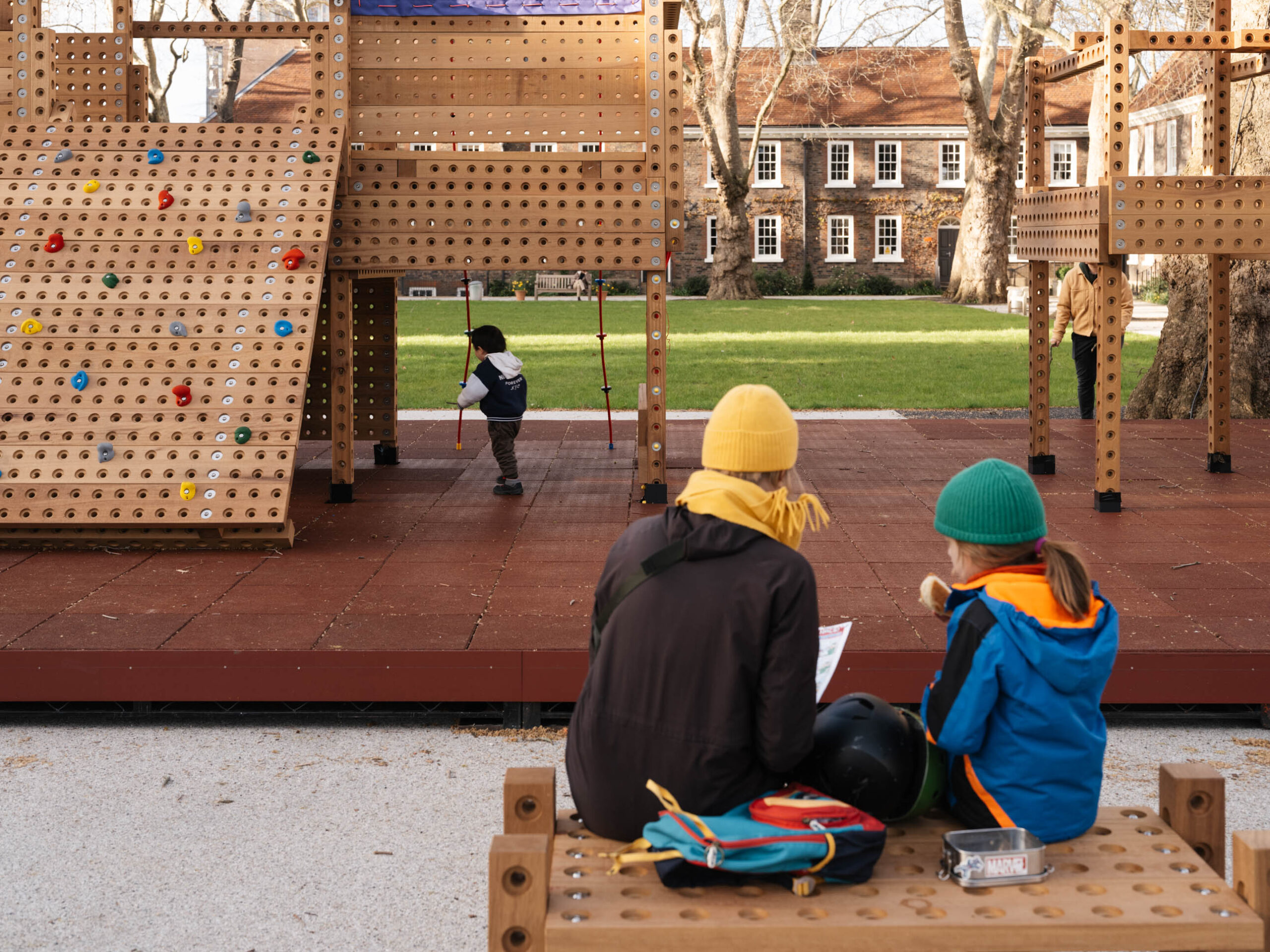
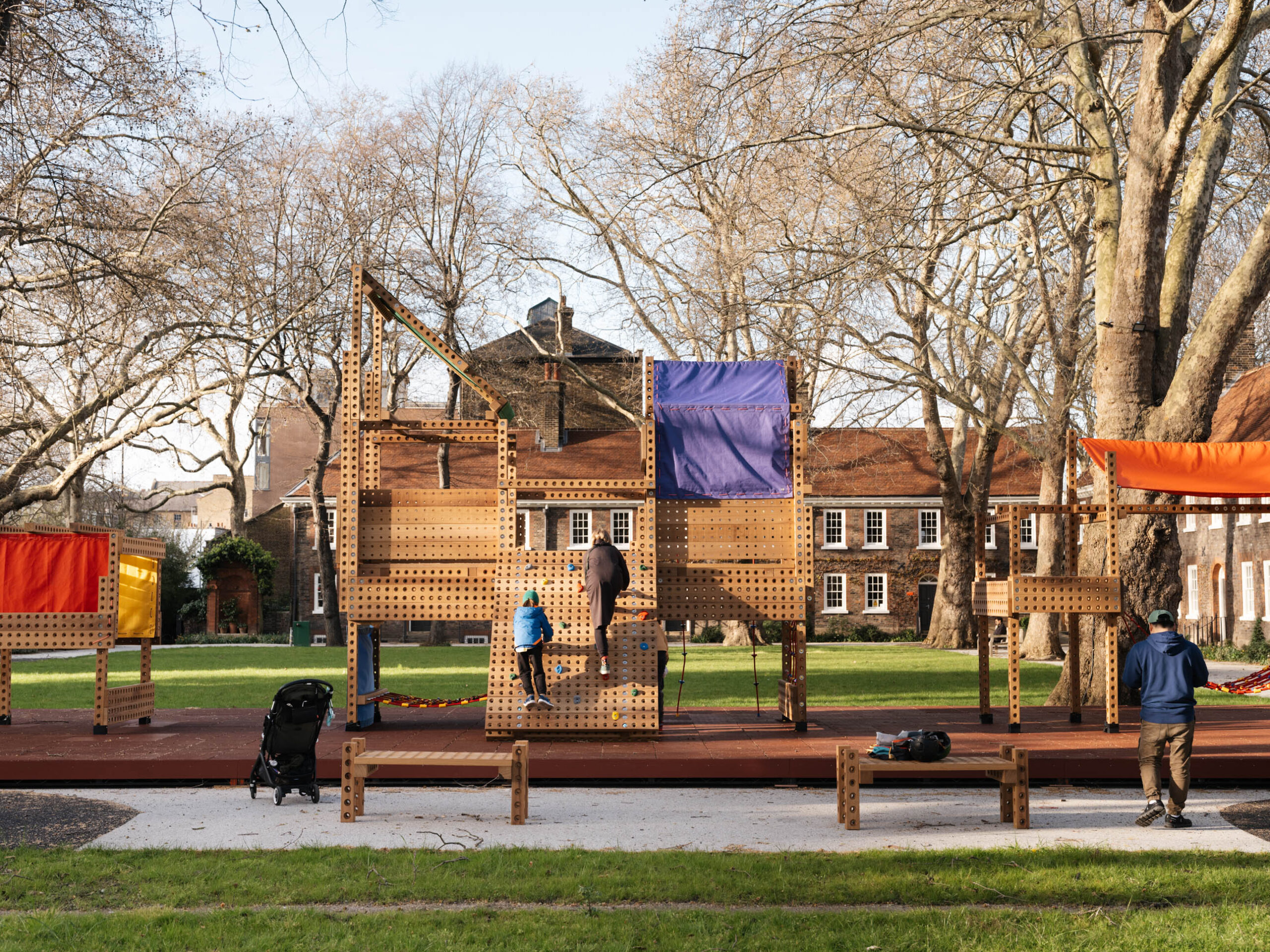
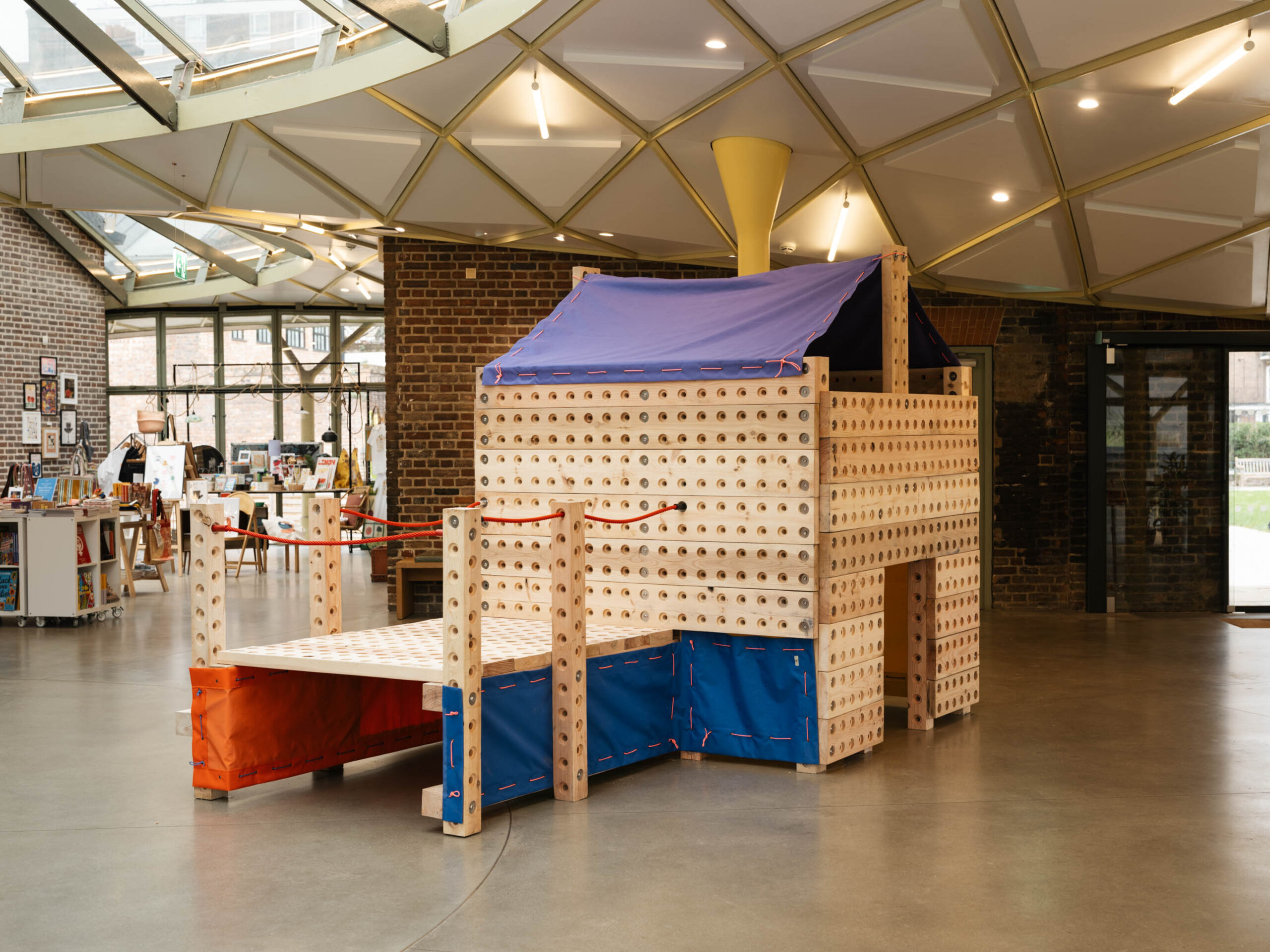
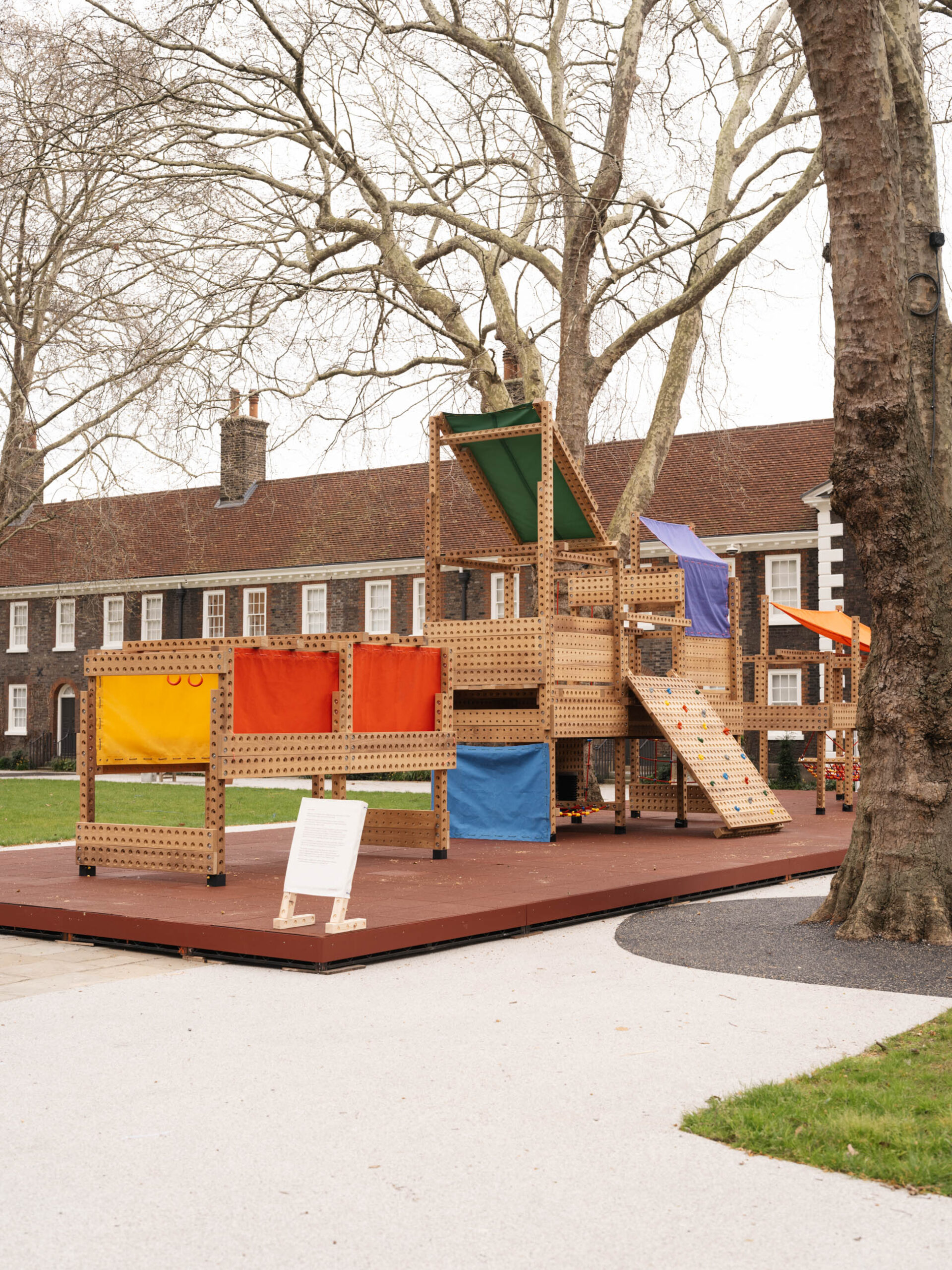
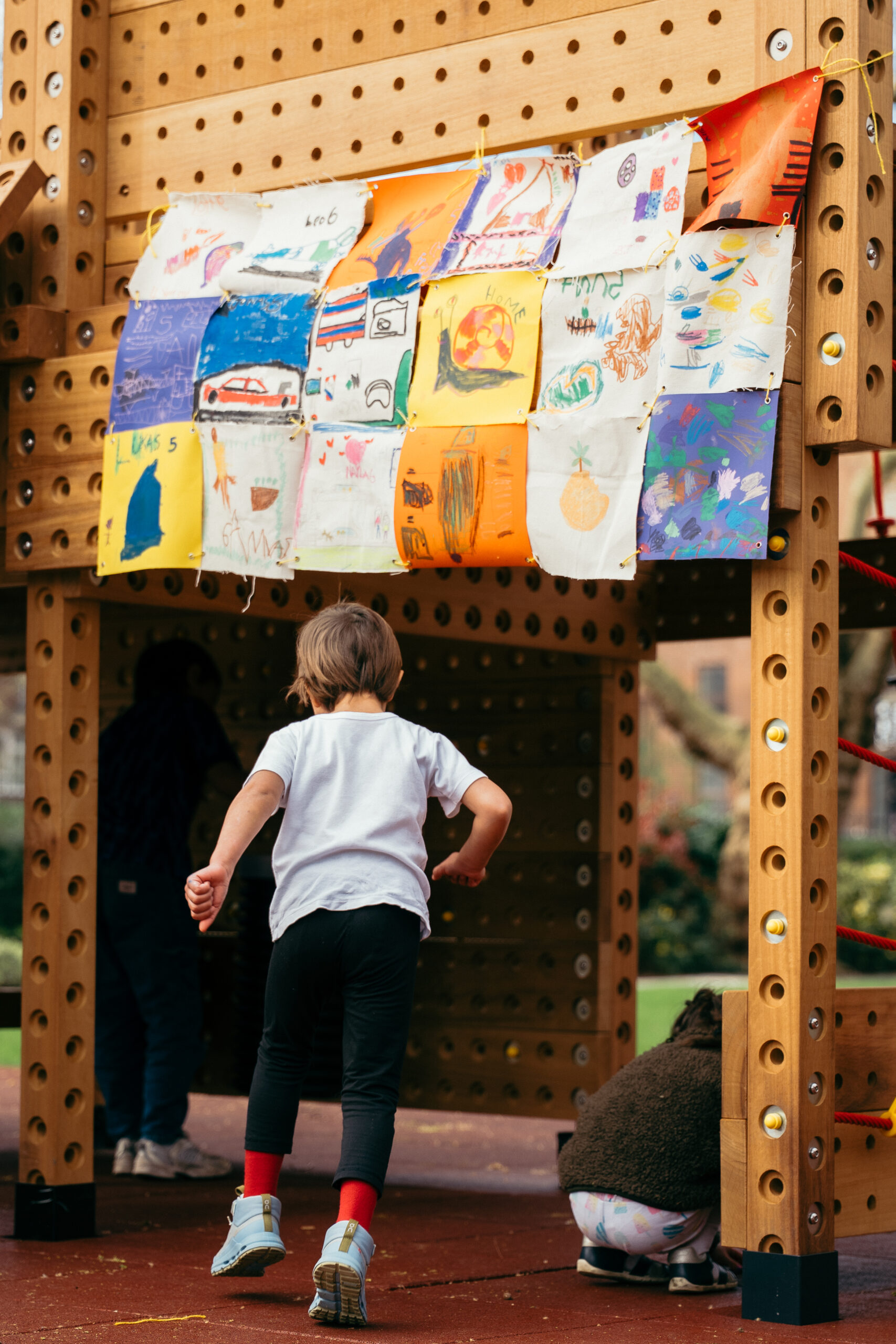
The pilot components were officially launched in London in March 2026 at the Museum of the Home, and the first playgrounds are due to be deployed in refugee camps in Aysaita in Ethiopia, and Cairo and Karkar in Egypt, later in 2026. Learnings from its use and impact will inform the design evolution of the Playrise system as it expands to serve the needs of children across the world.
“As a father of two, I understand how important play is for children and the integral role it plays in their learning and development. I believe every child should have the opportunity to access designated places to play, especially those living in environments shaken by disaster and hardship,” said Alexander Meininger, Founder, Playrise.
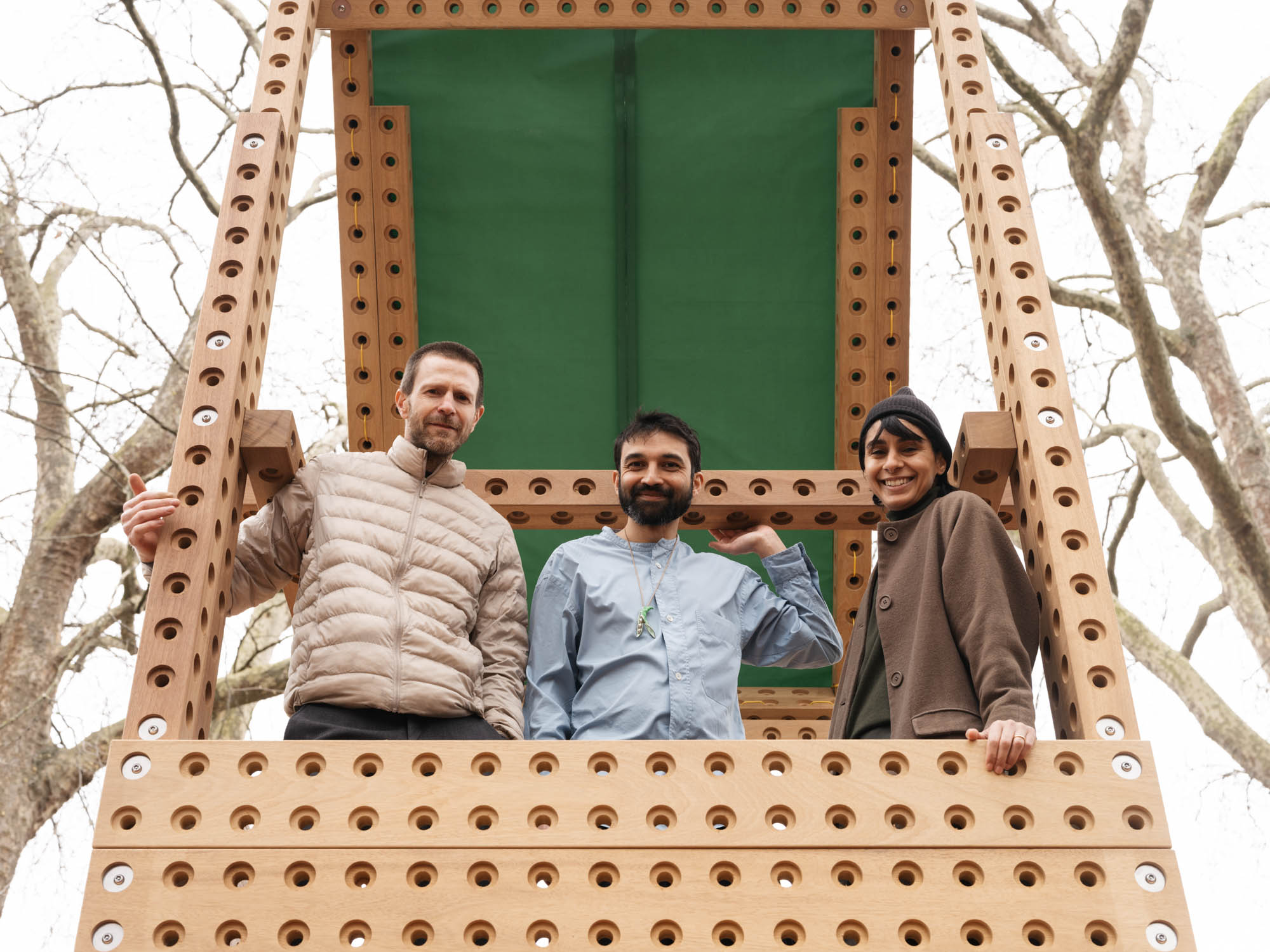
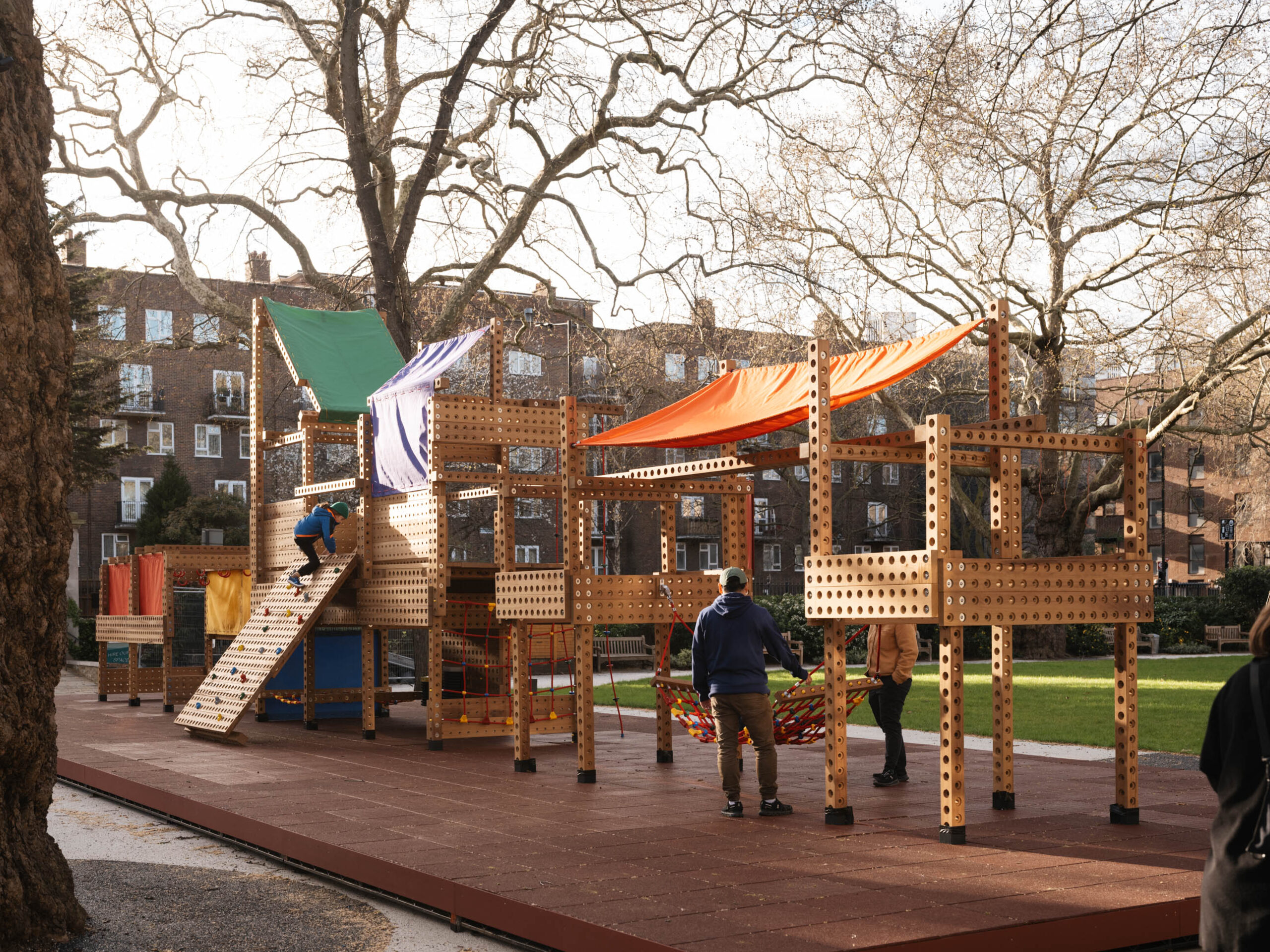
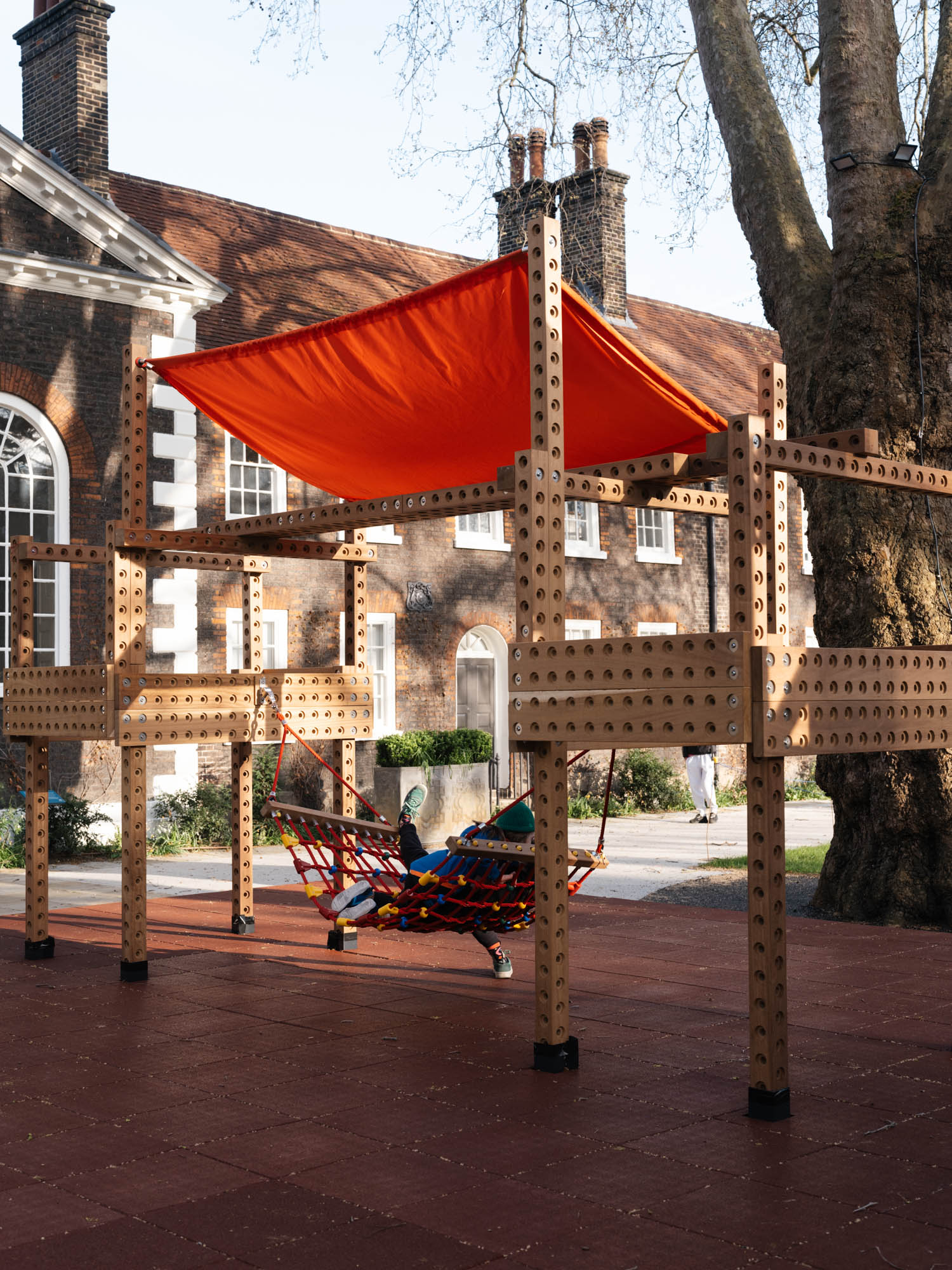
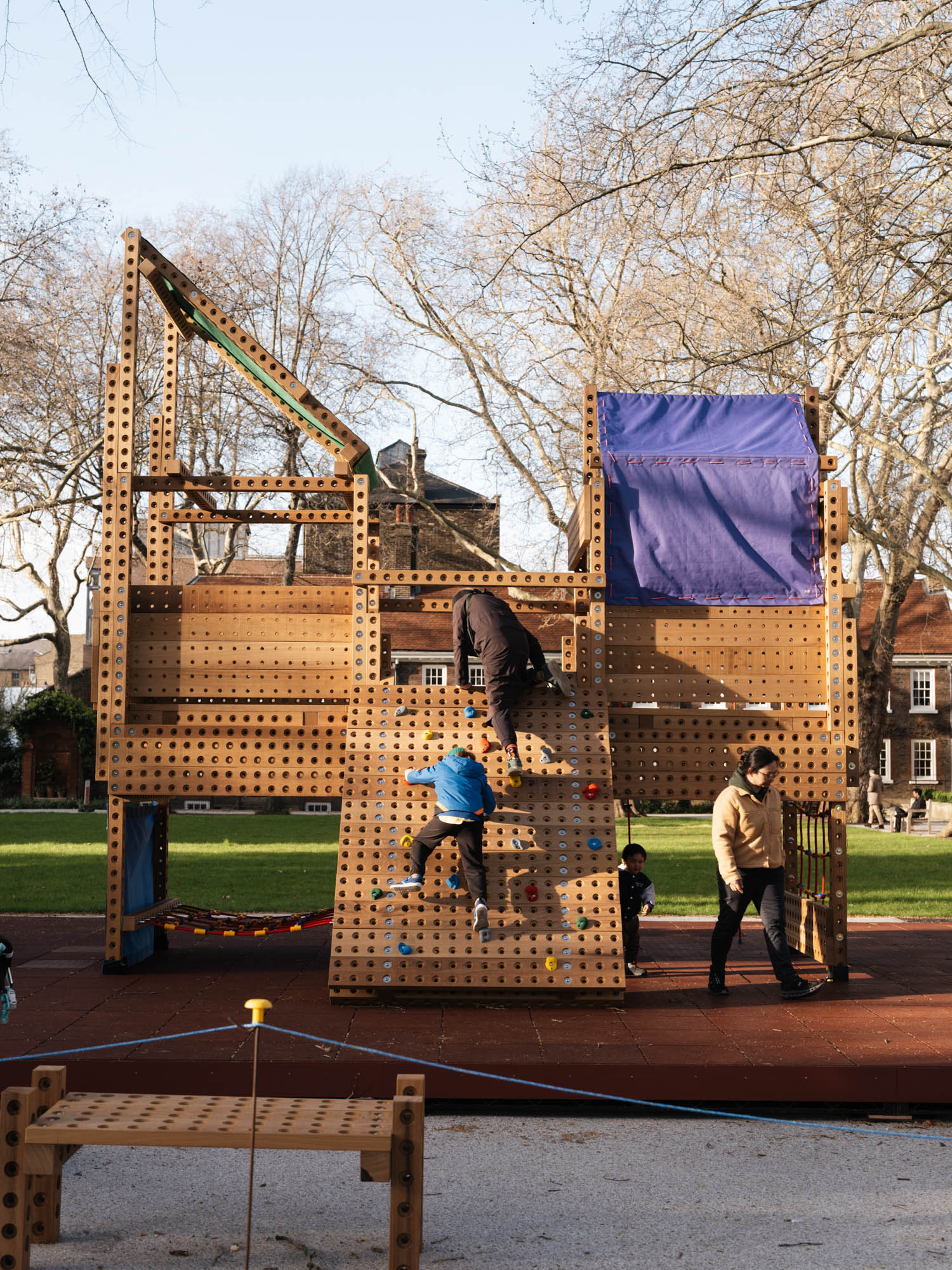
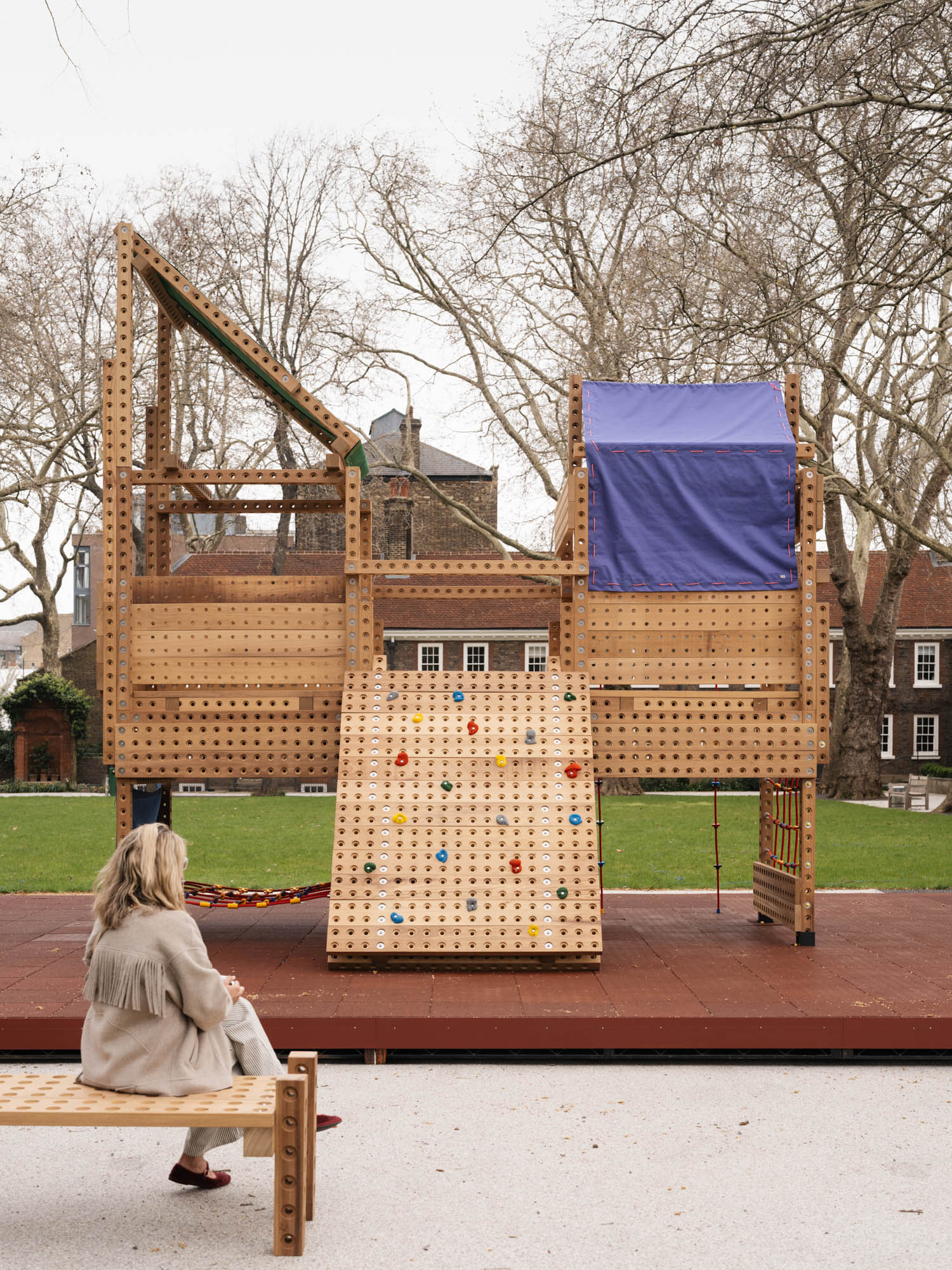
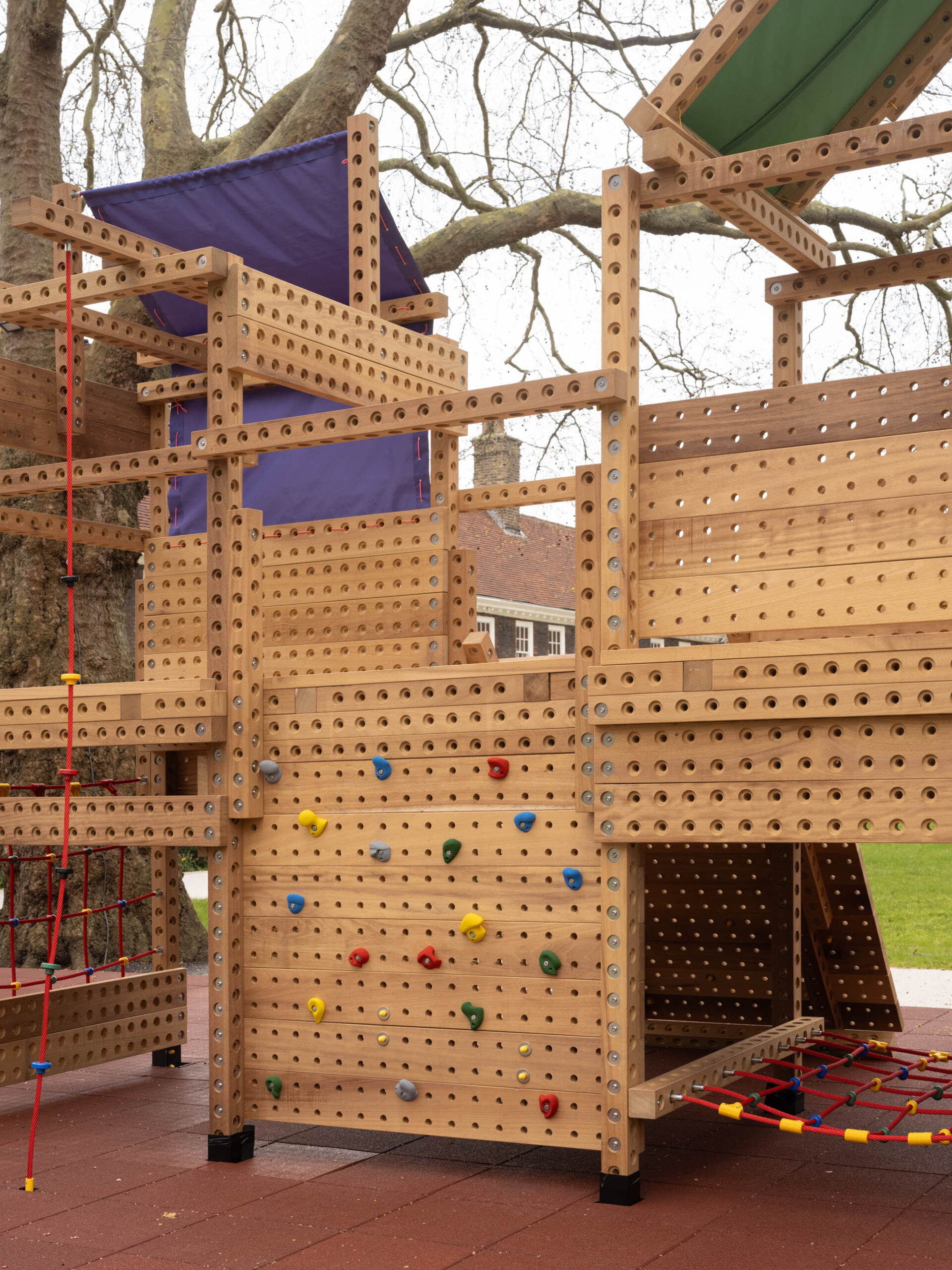
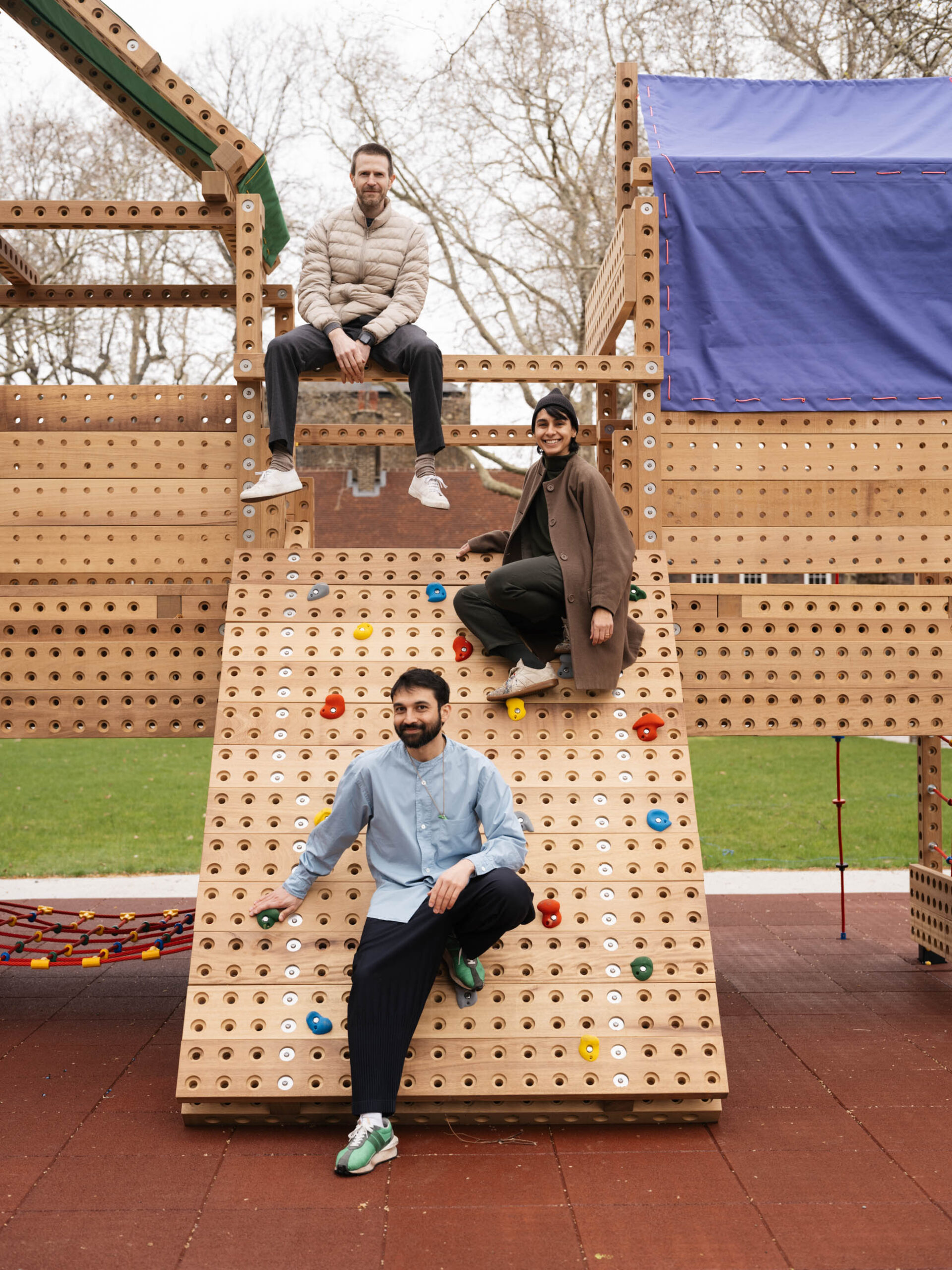
The Playrise system Created with a team comprising architects OMMX, engineers Webb Yates and fabricators Setworks, in consultation with children and NGO staff, the Playrise system is designed to be lightweight, efficient to transport and easy to assemble, disassemble and reassemble to meet the changing needs of different communities around the world.
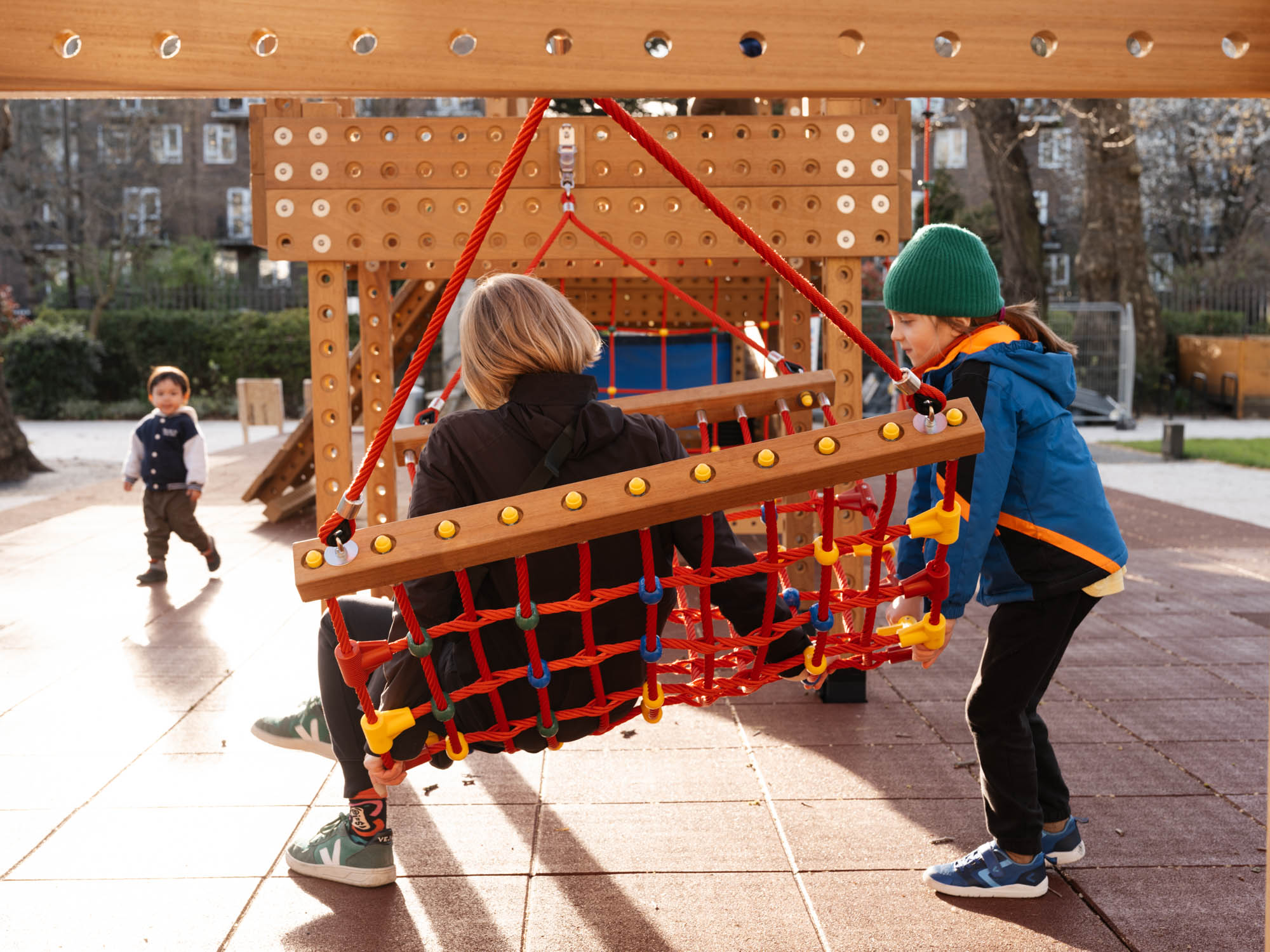
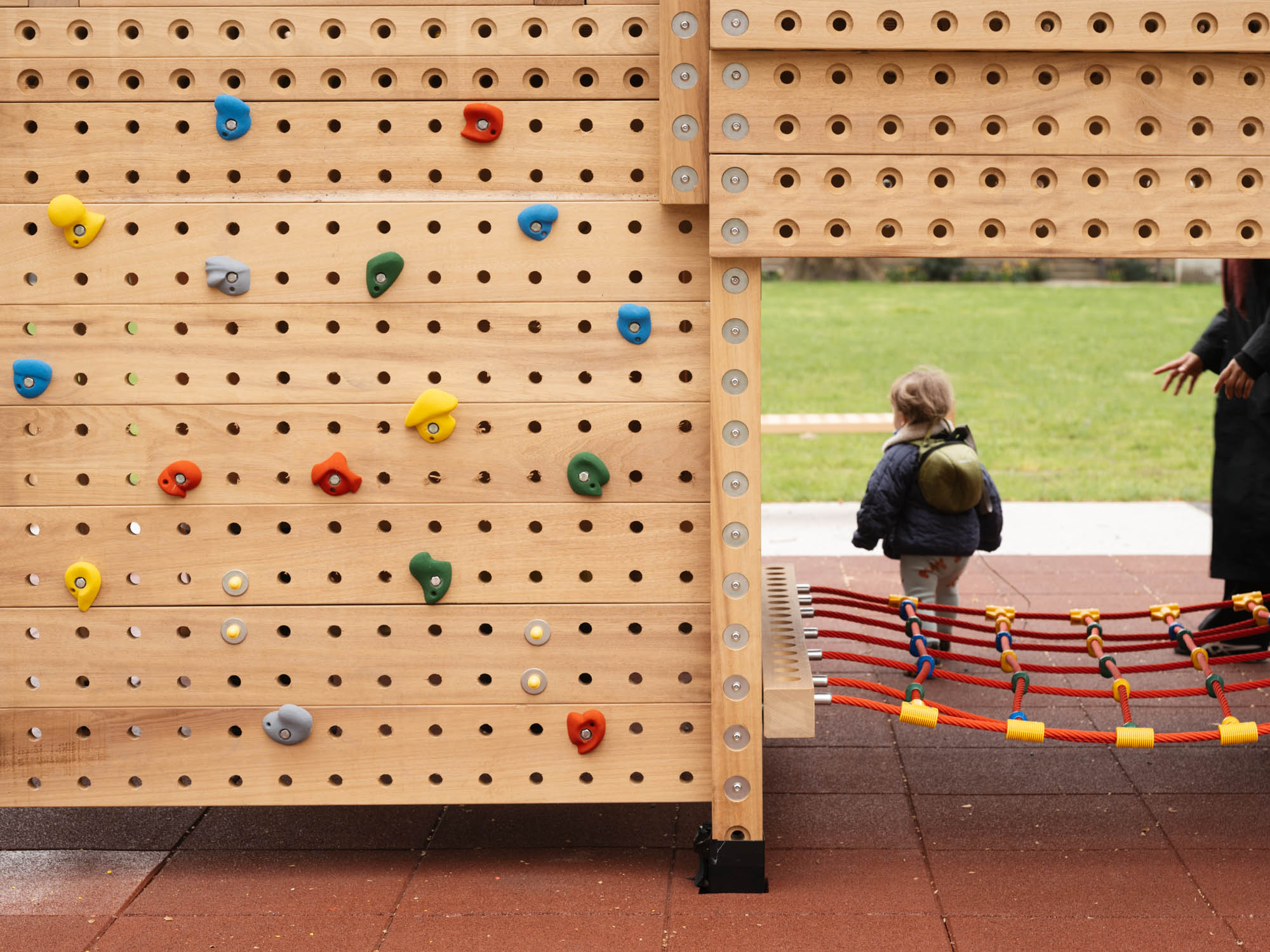
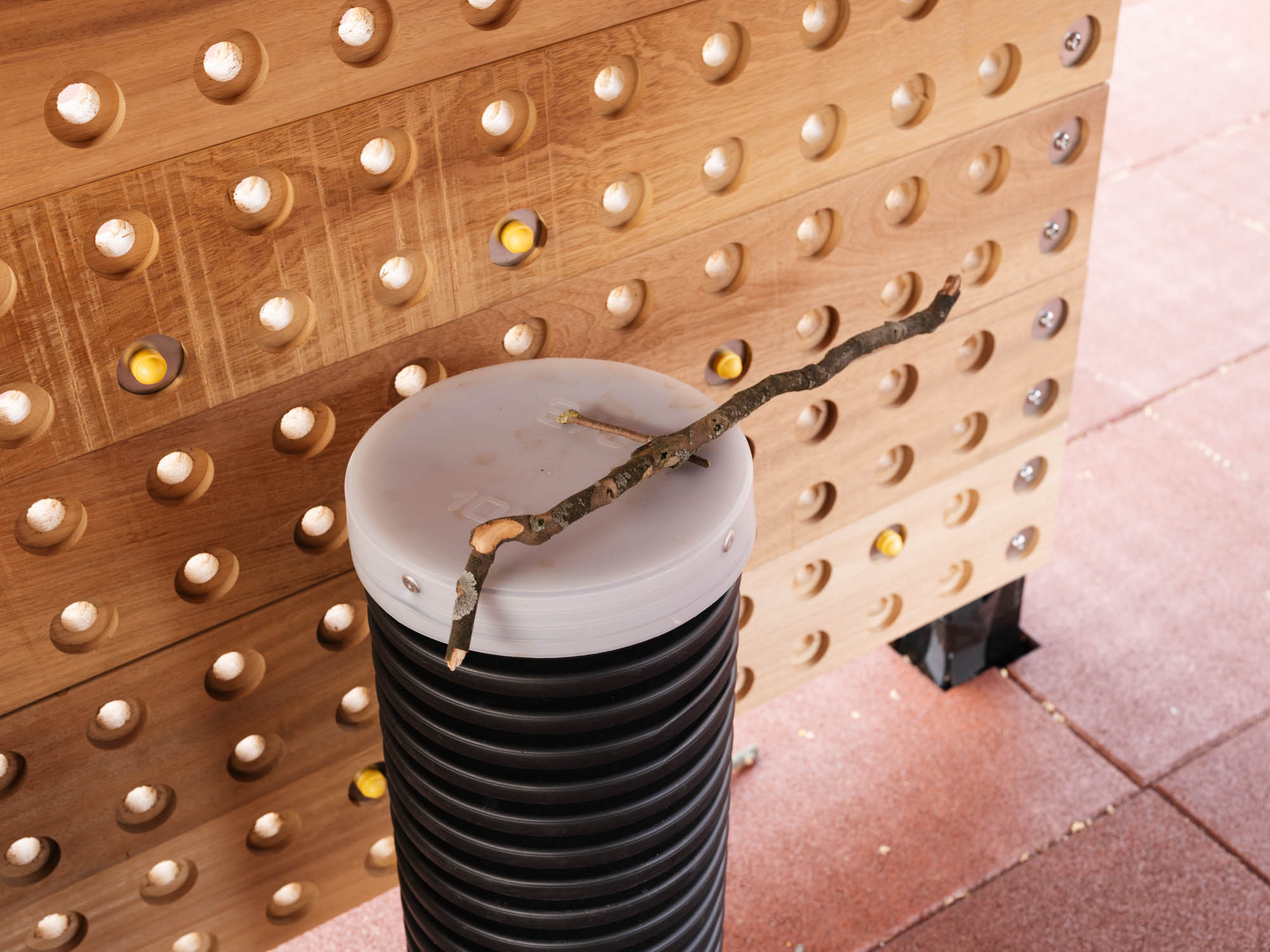
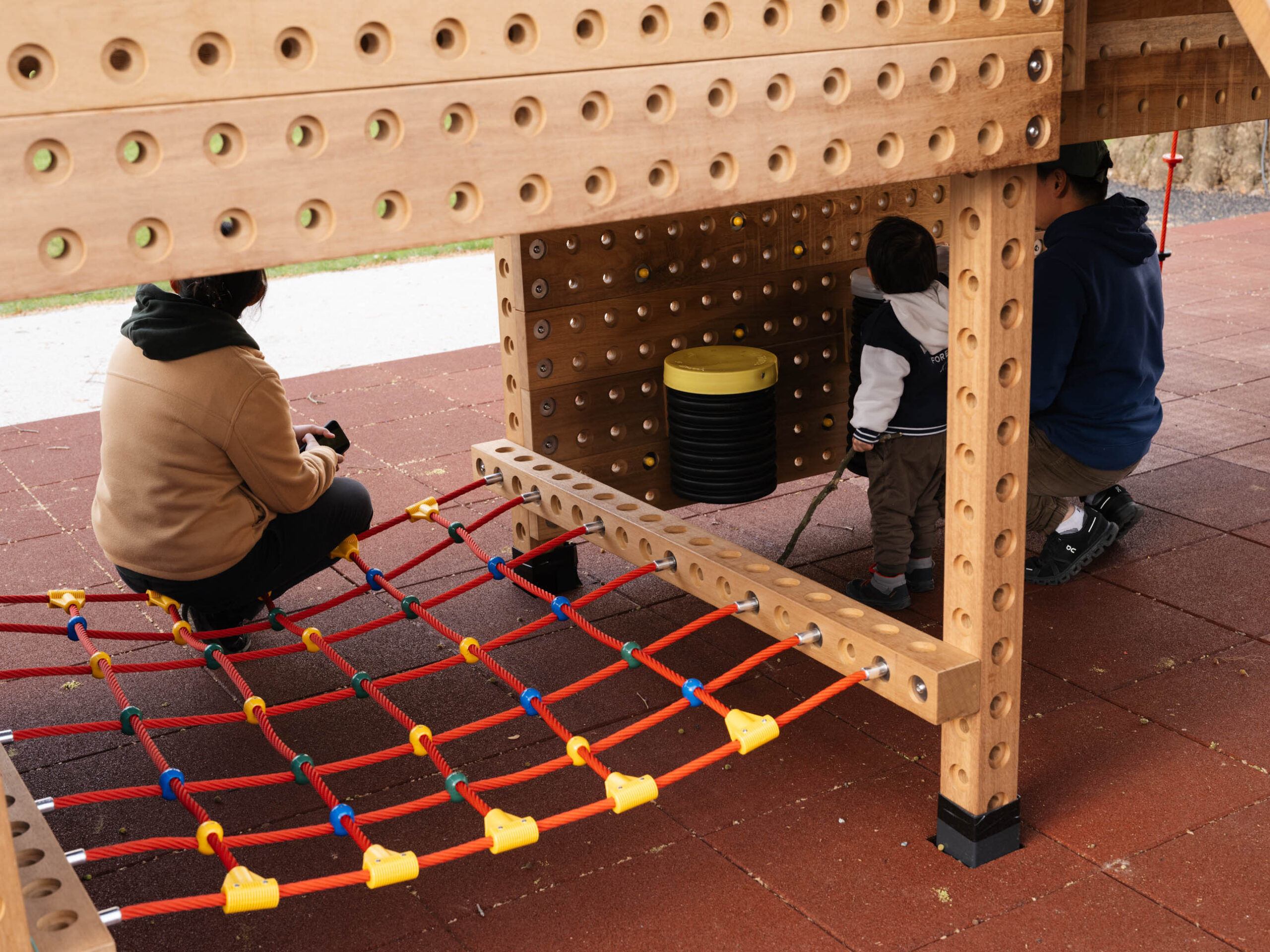
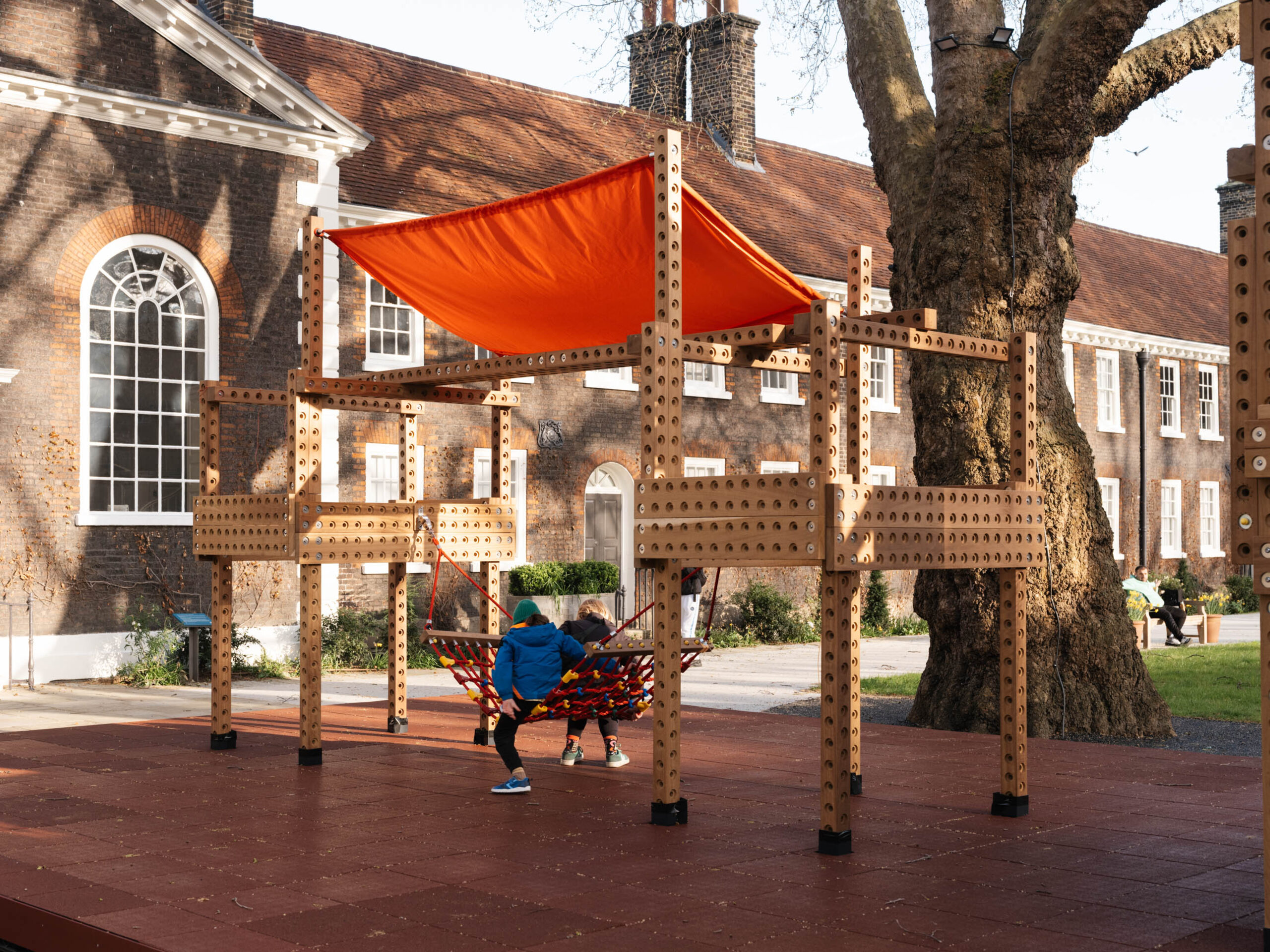
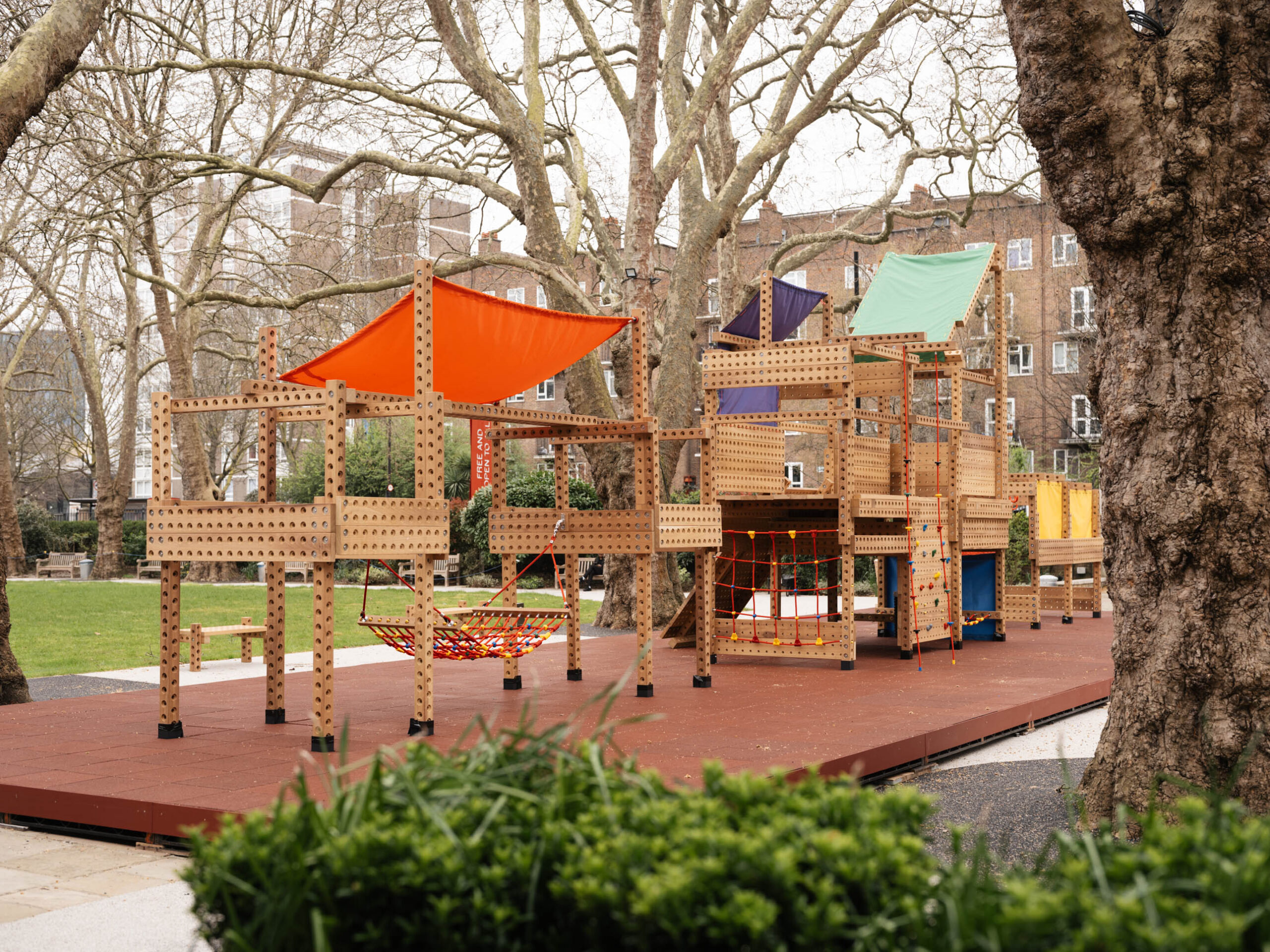
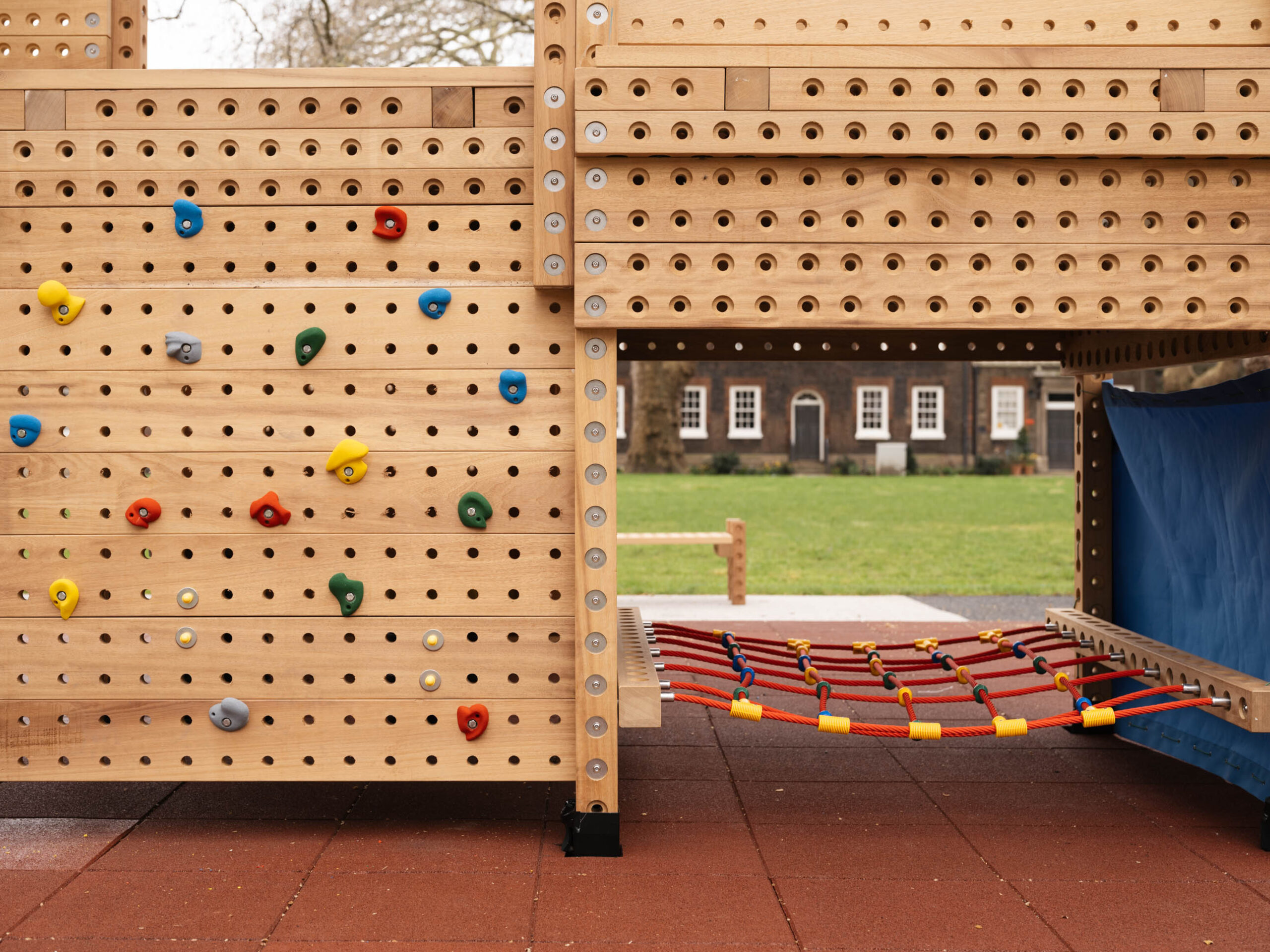
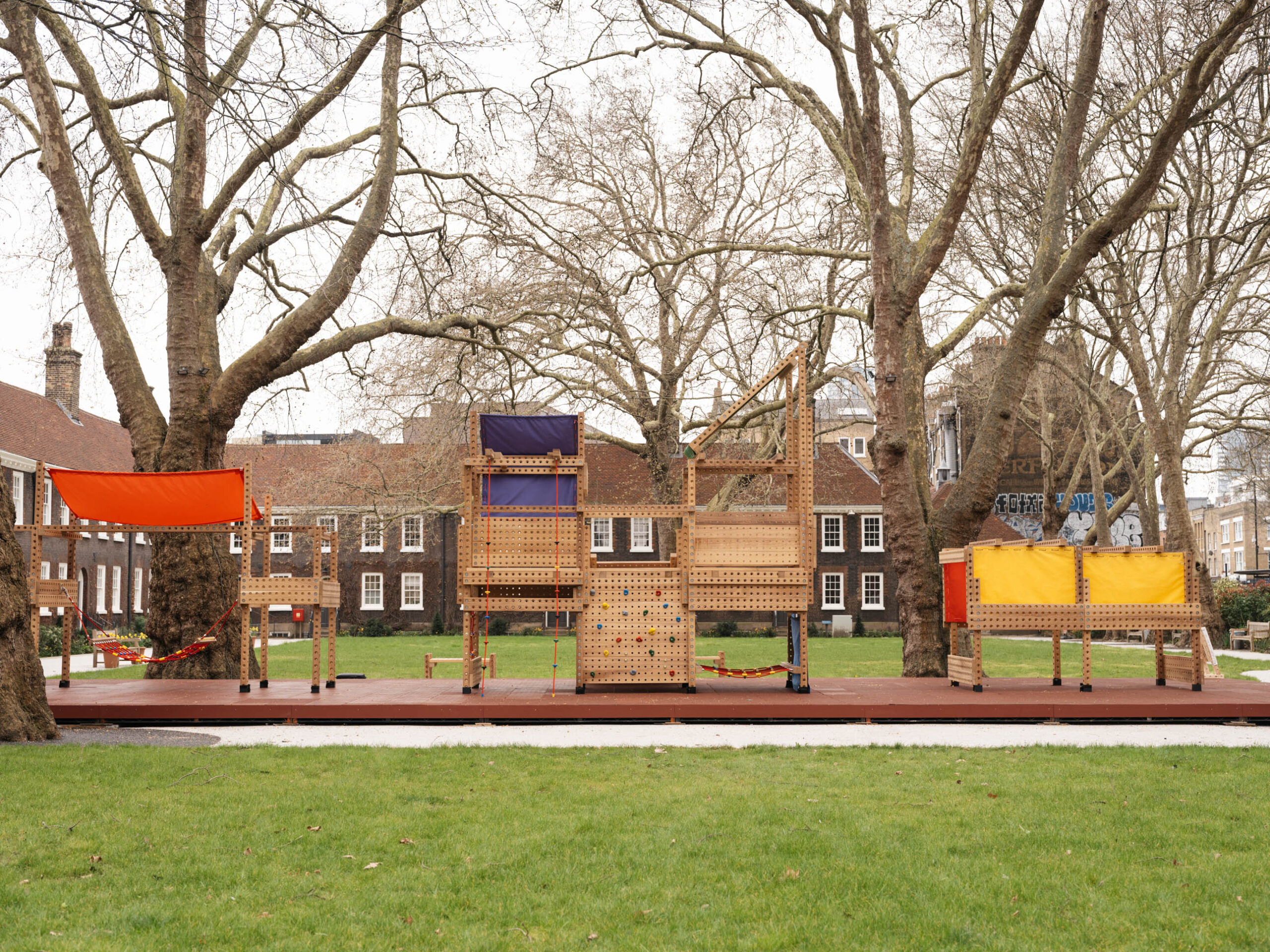
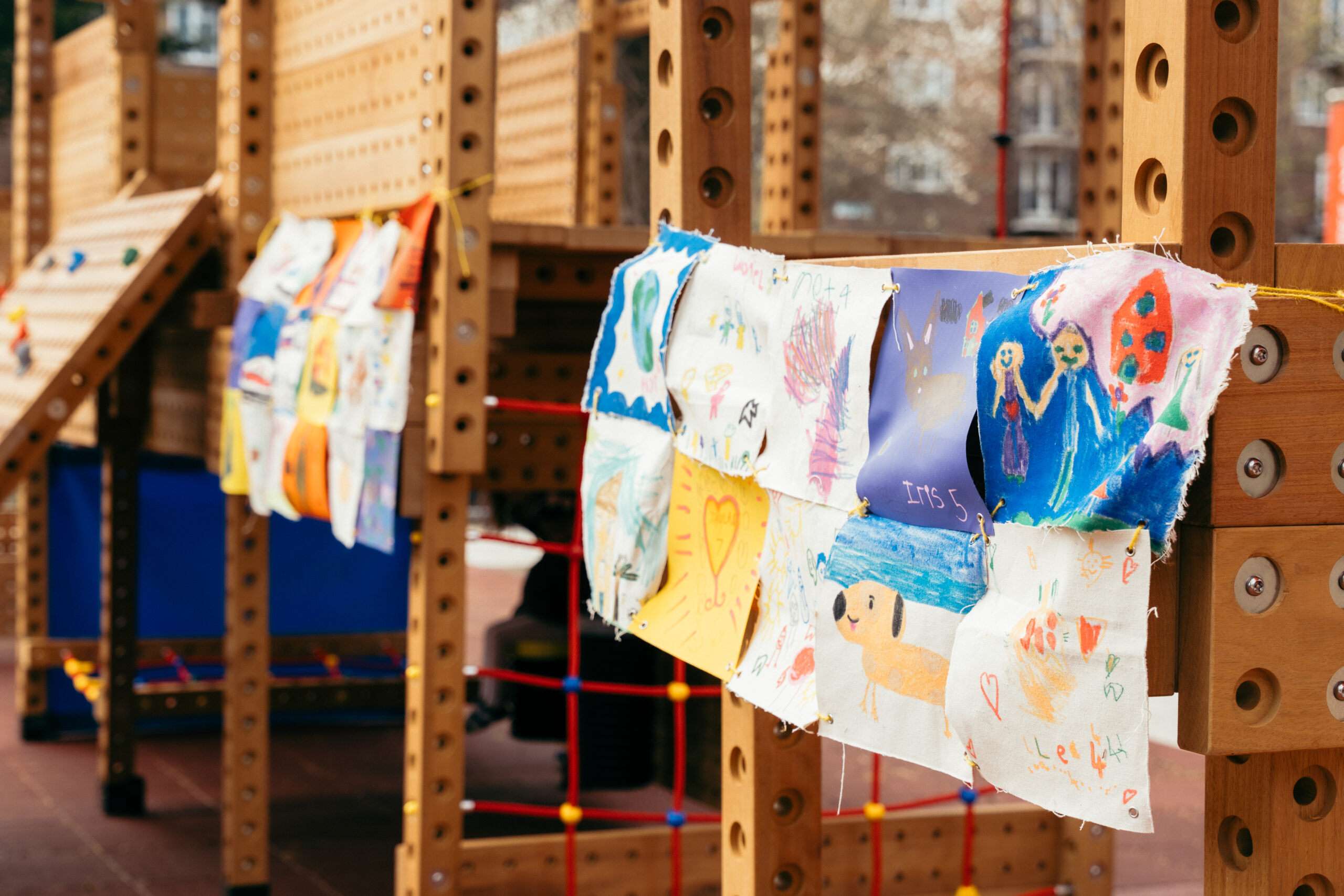
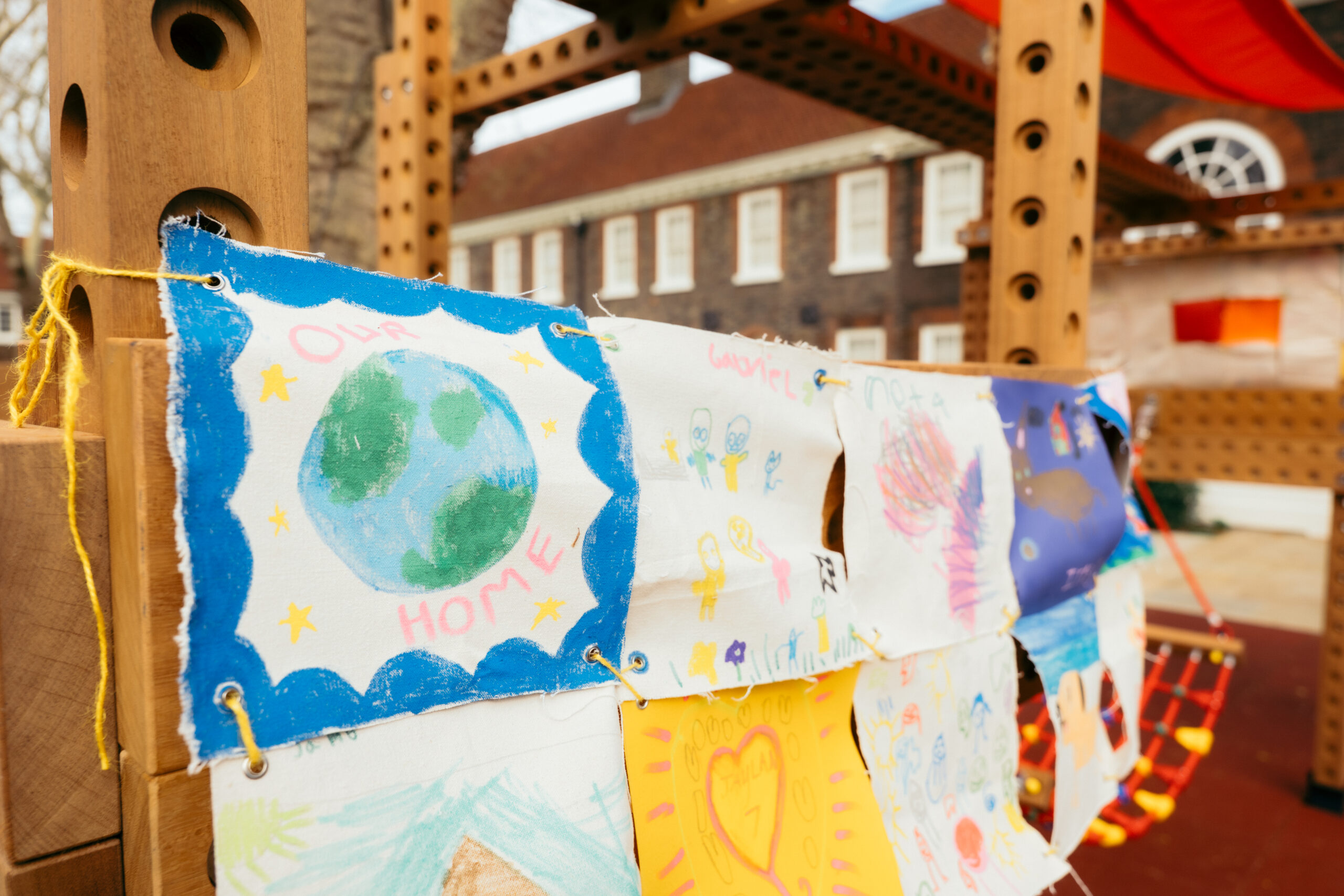
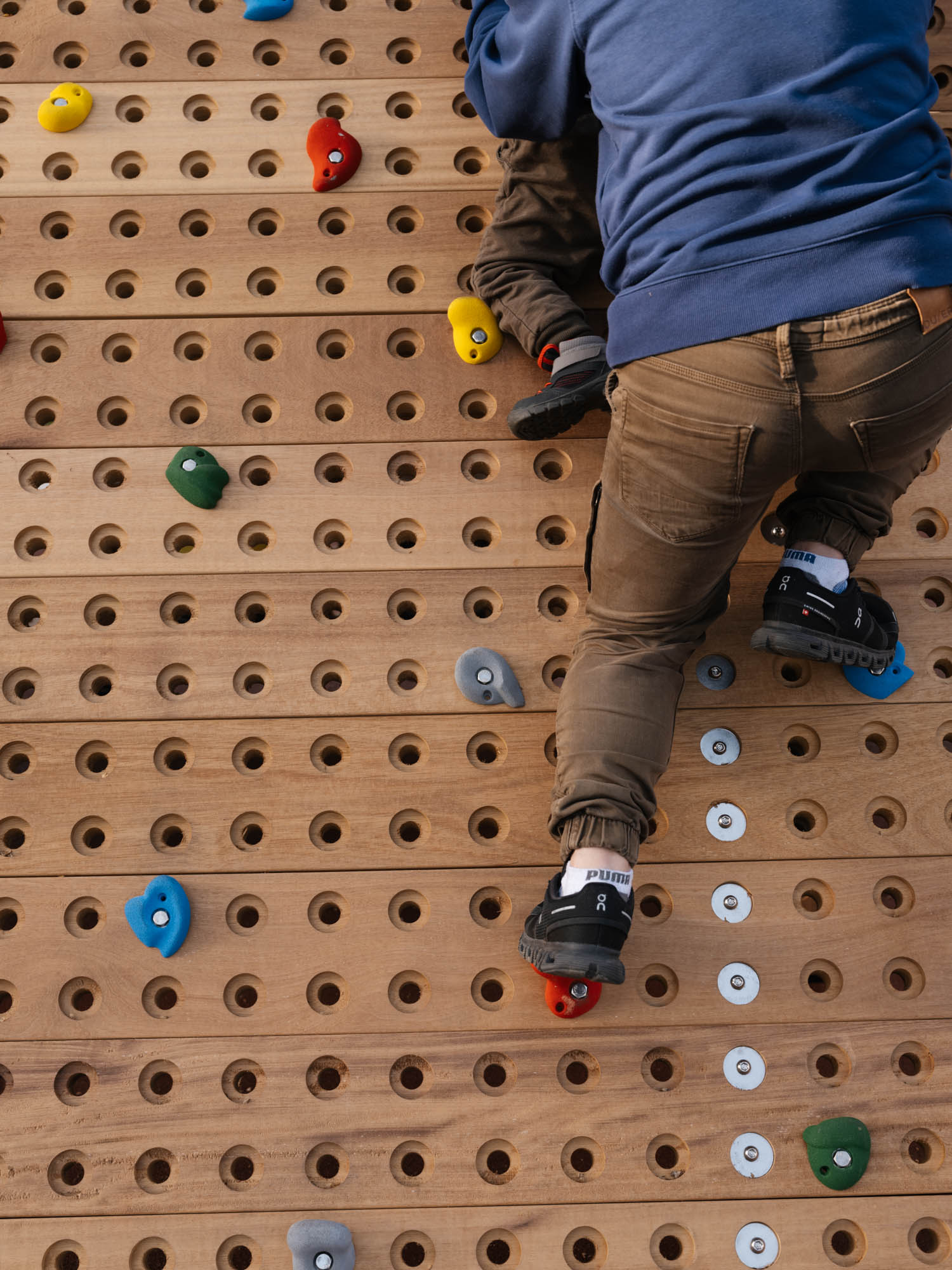
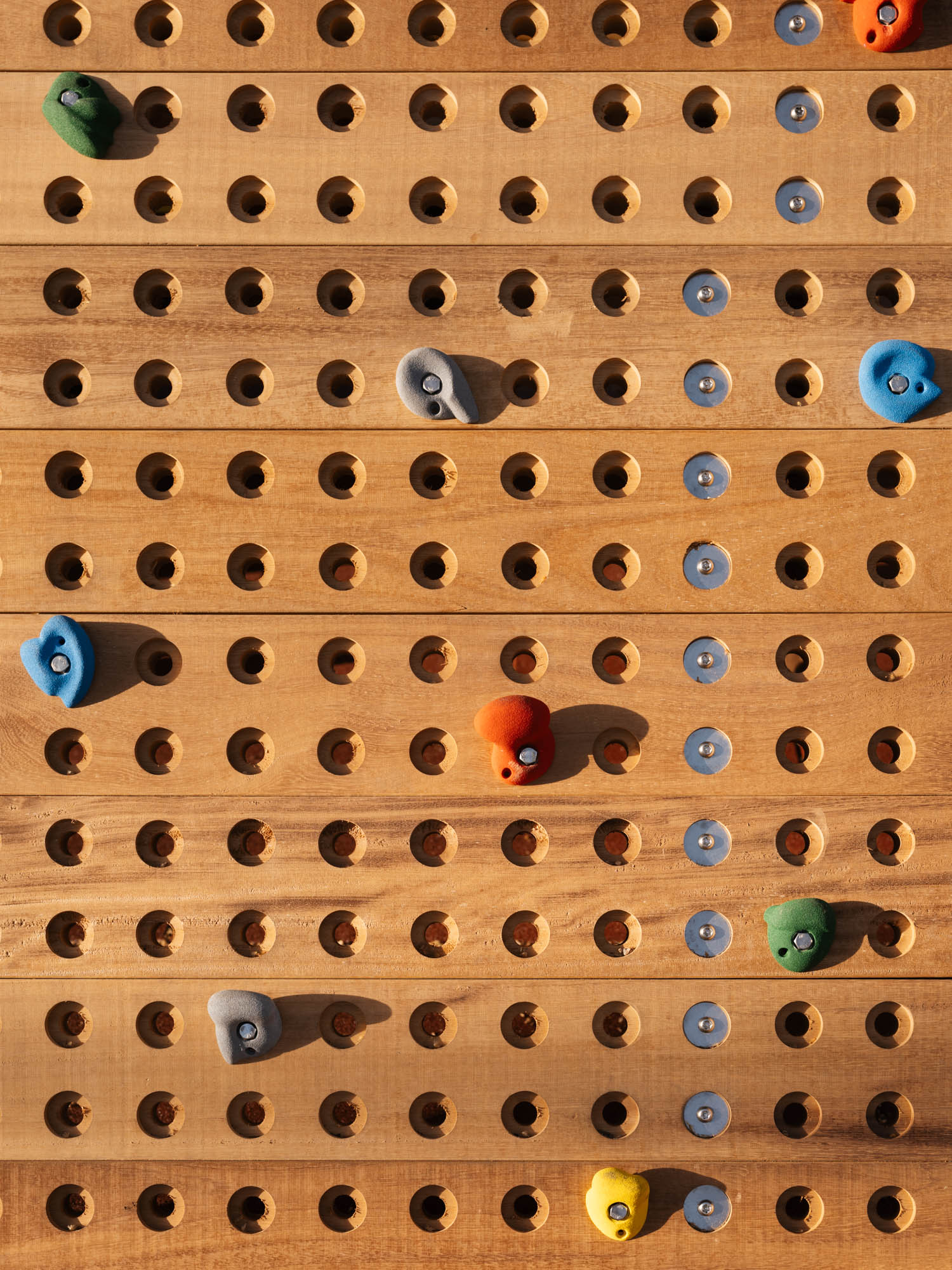
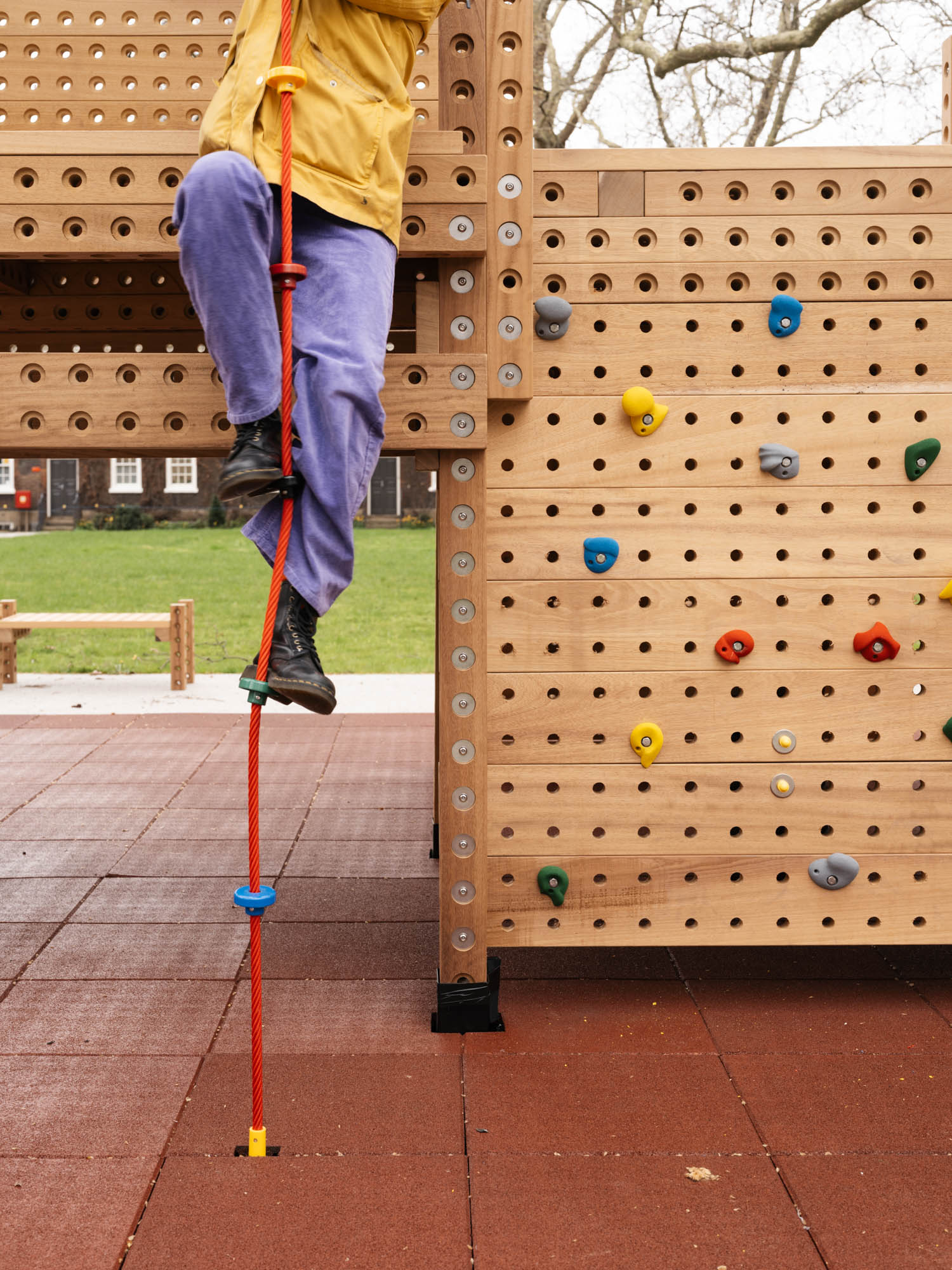
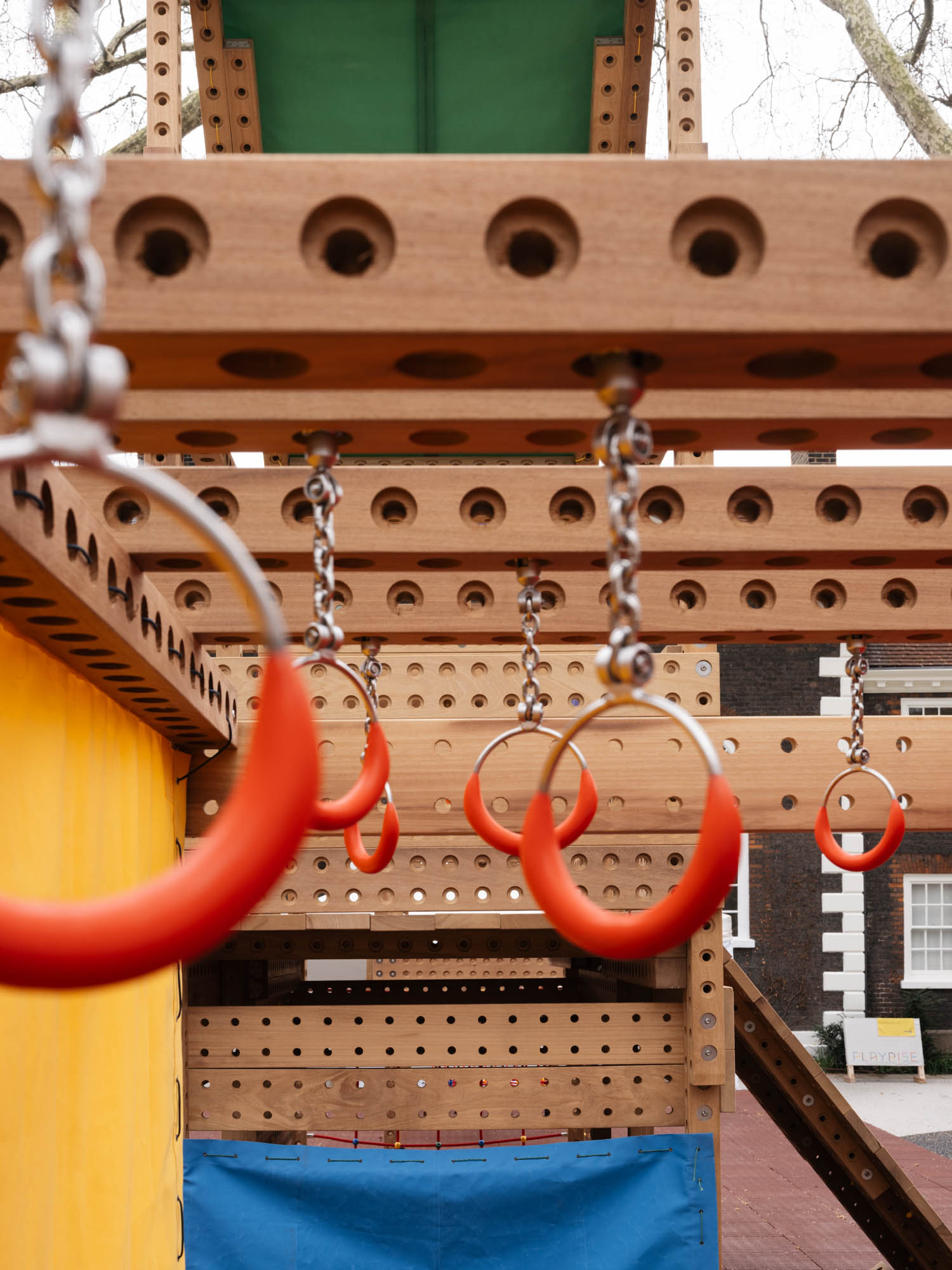
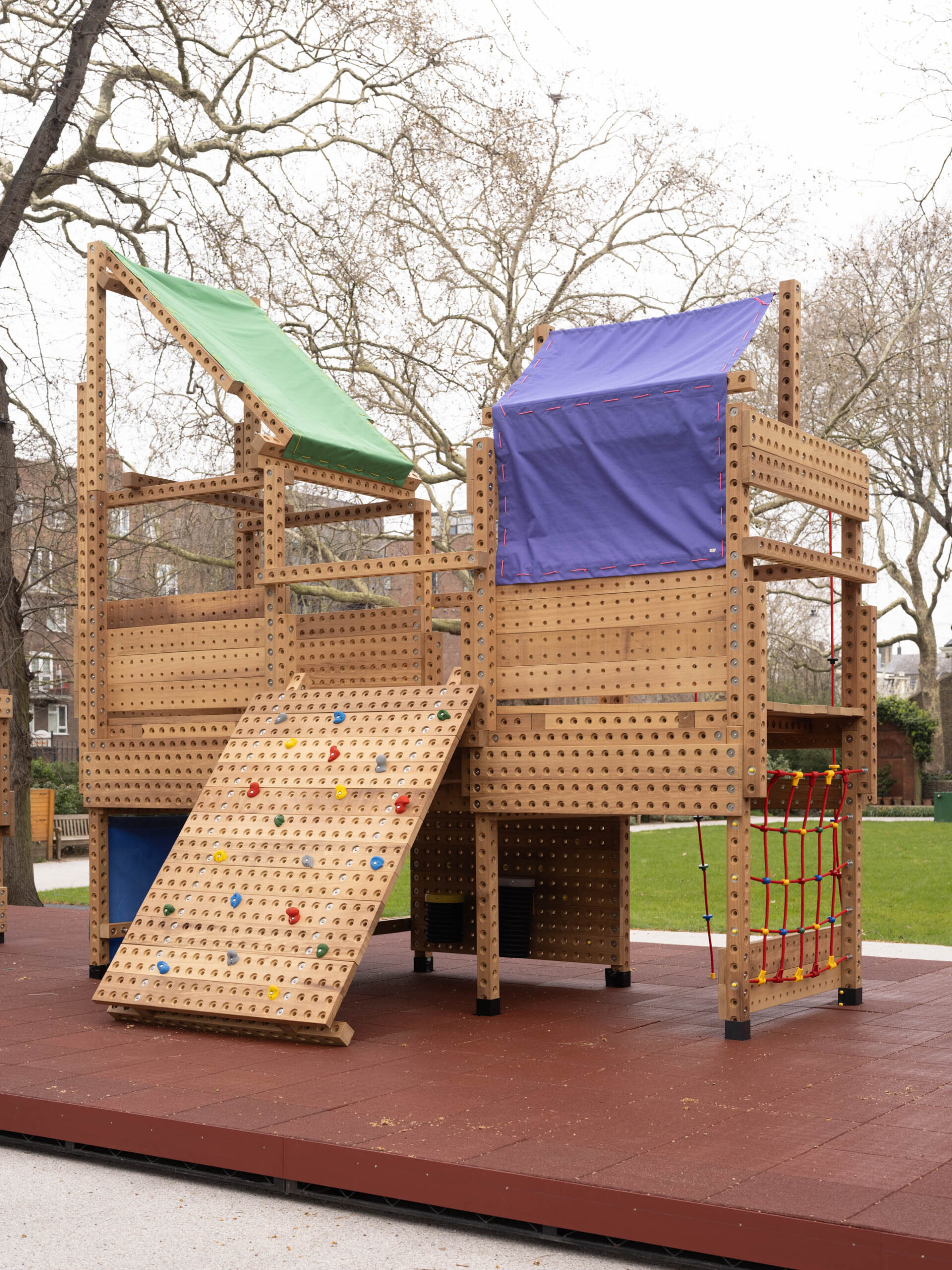
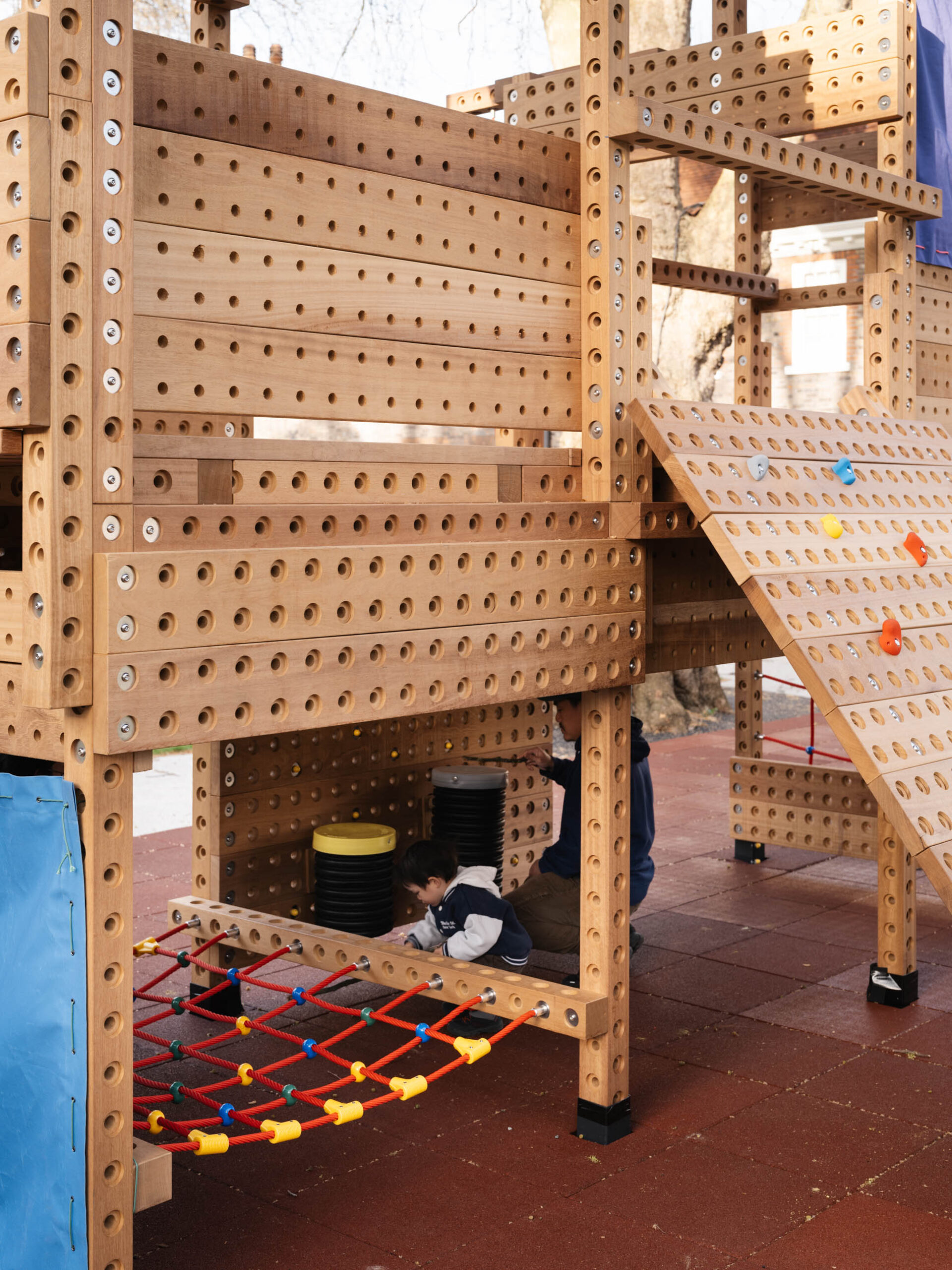
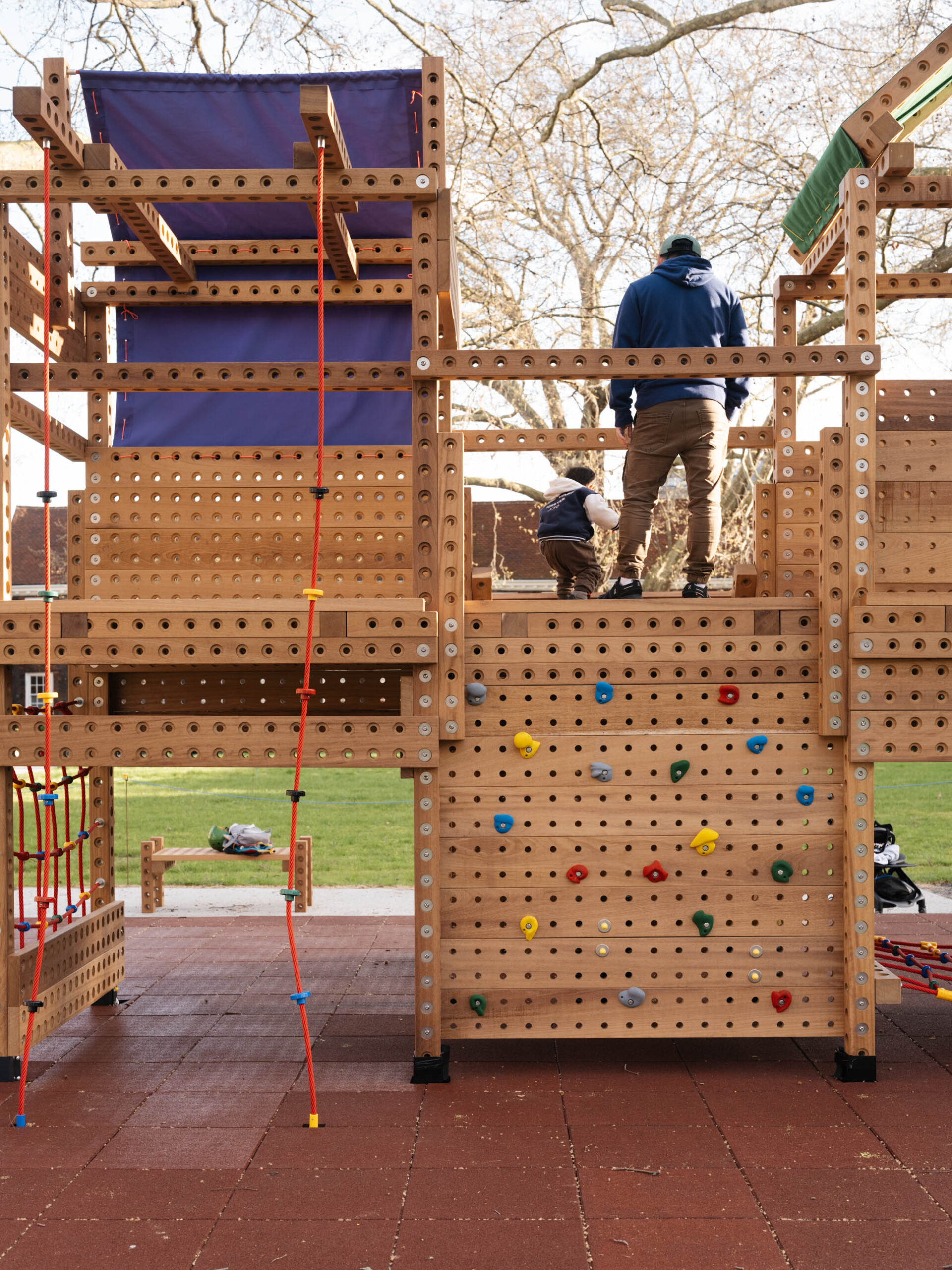
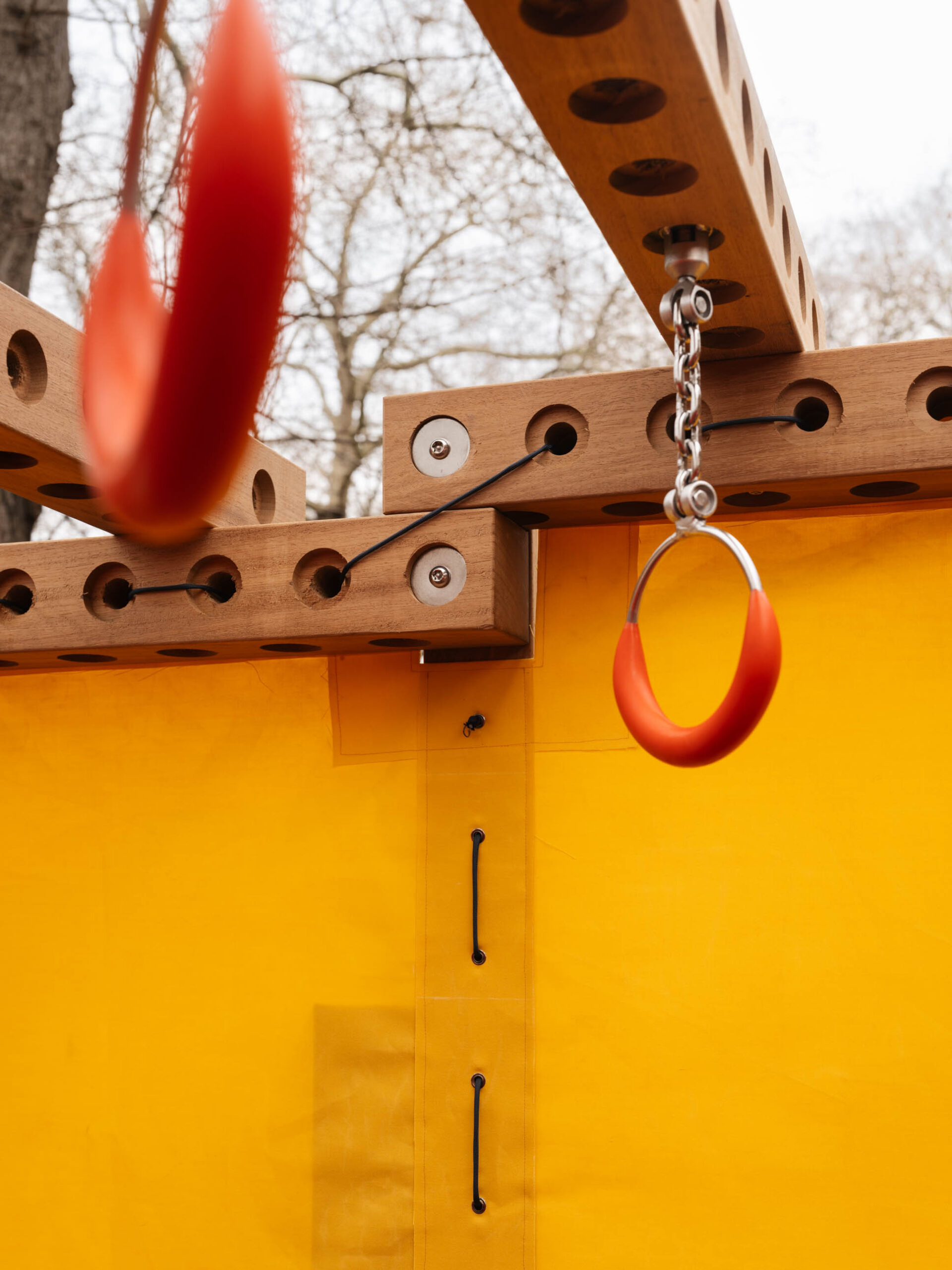
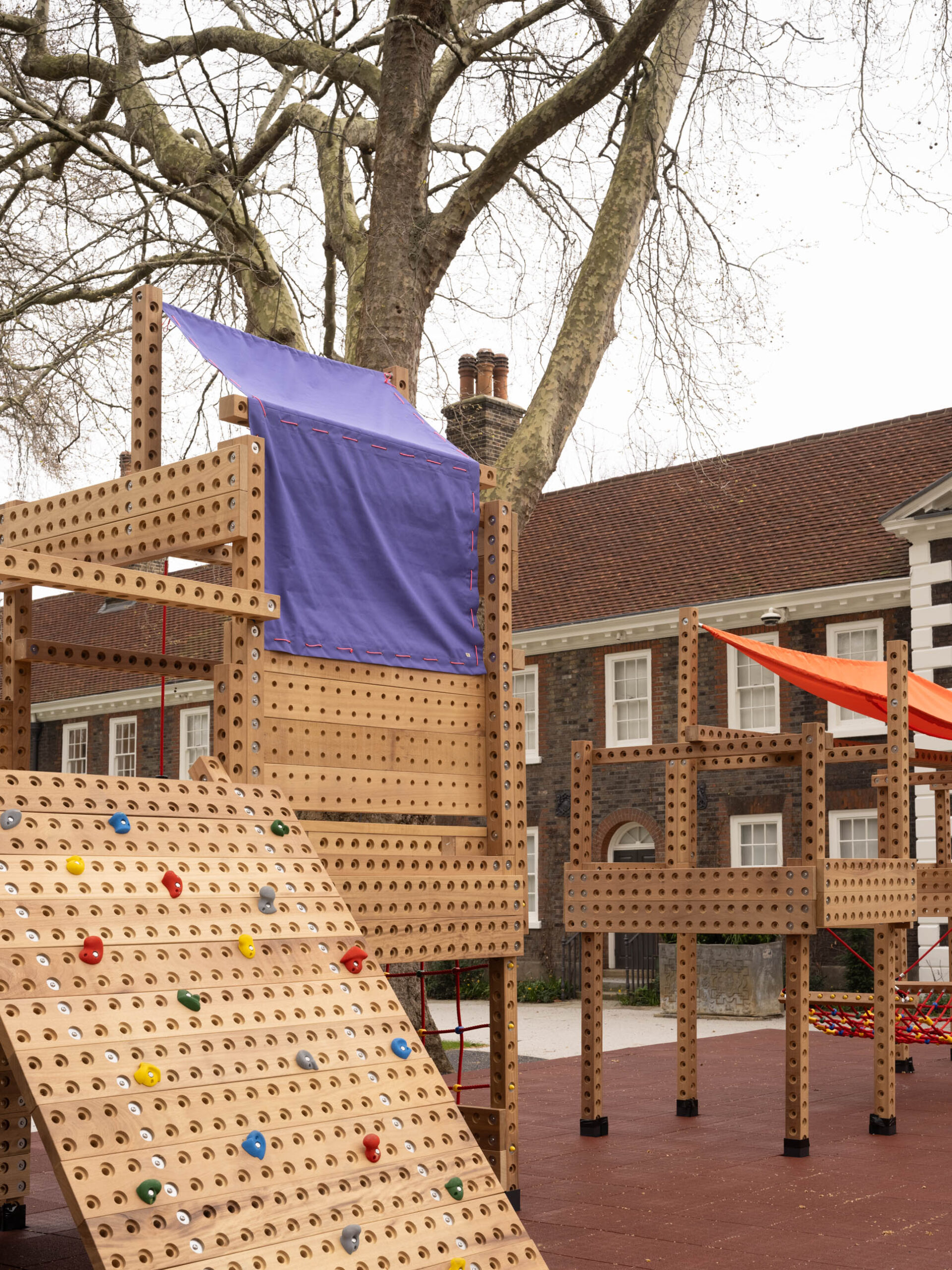
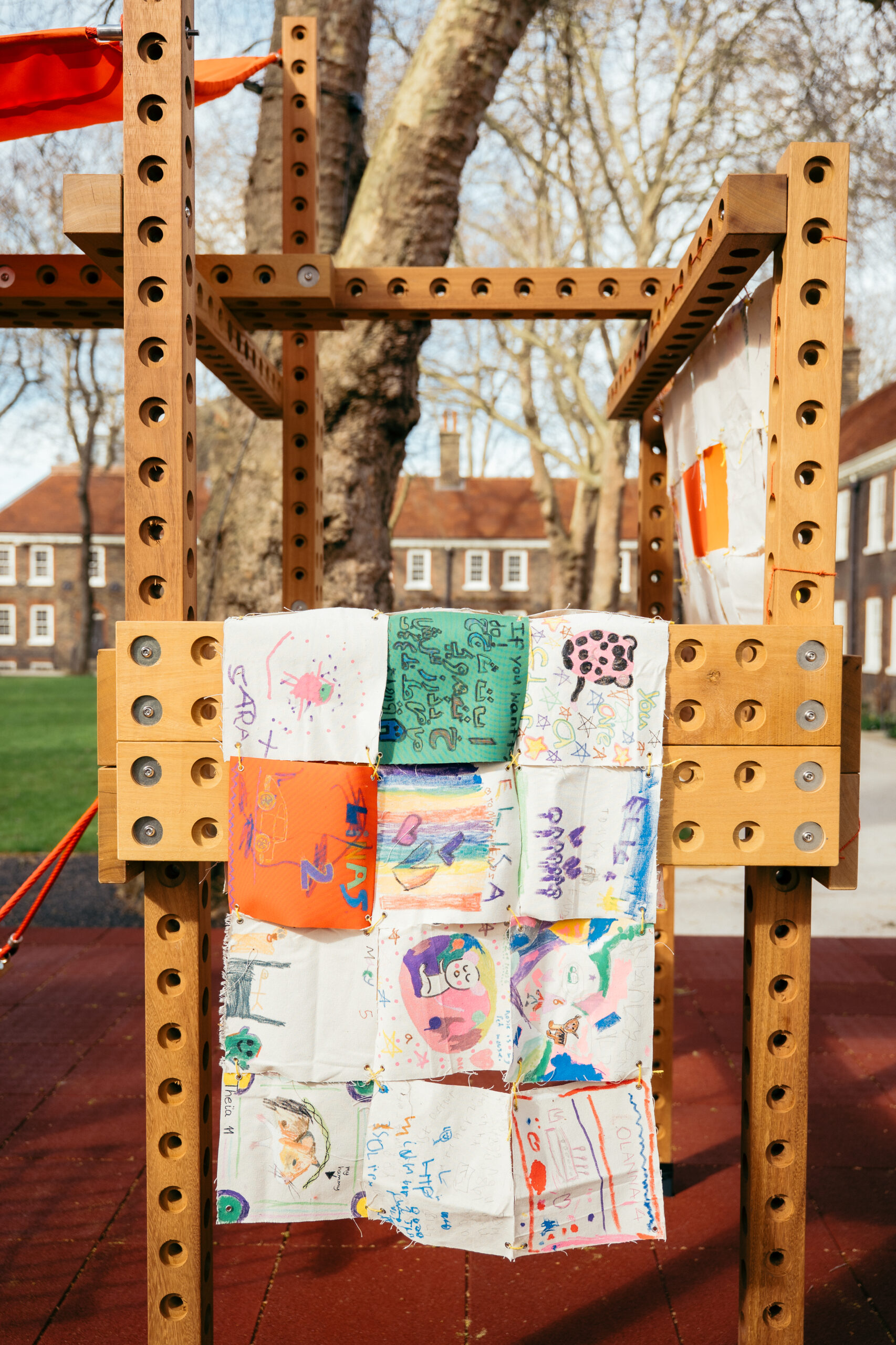
The fundamental components of the system are beams and planks fixed together using metal connectors. These can be combined with attachments, including nets, ropes, monkey bars and basketball hoops, to enable different play experiences, and accommodate multiple levels of physical ability.
The modular nature of the system allows it to be easily configured on site, so every playspace can be tailor-made for the constraints of the location and the needs of the community using it. In response to the team’s observations of derelict playground equipment during the research phase, the system is designed so that, should any element break or degrade over time, it can be easily replaced, enabling Playrise structures to be repaired quickly and simply.
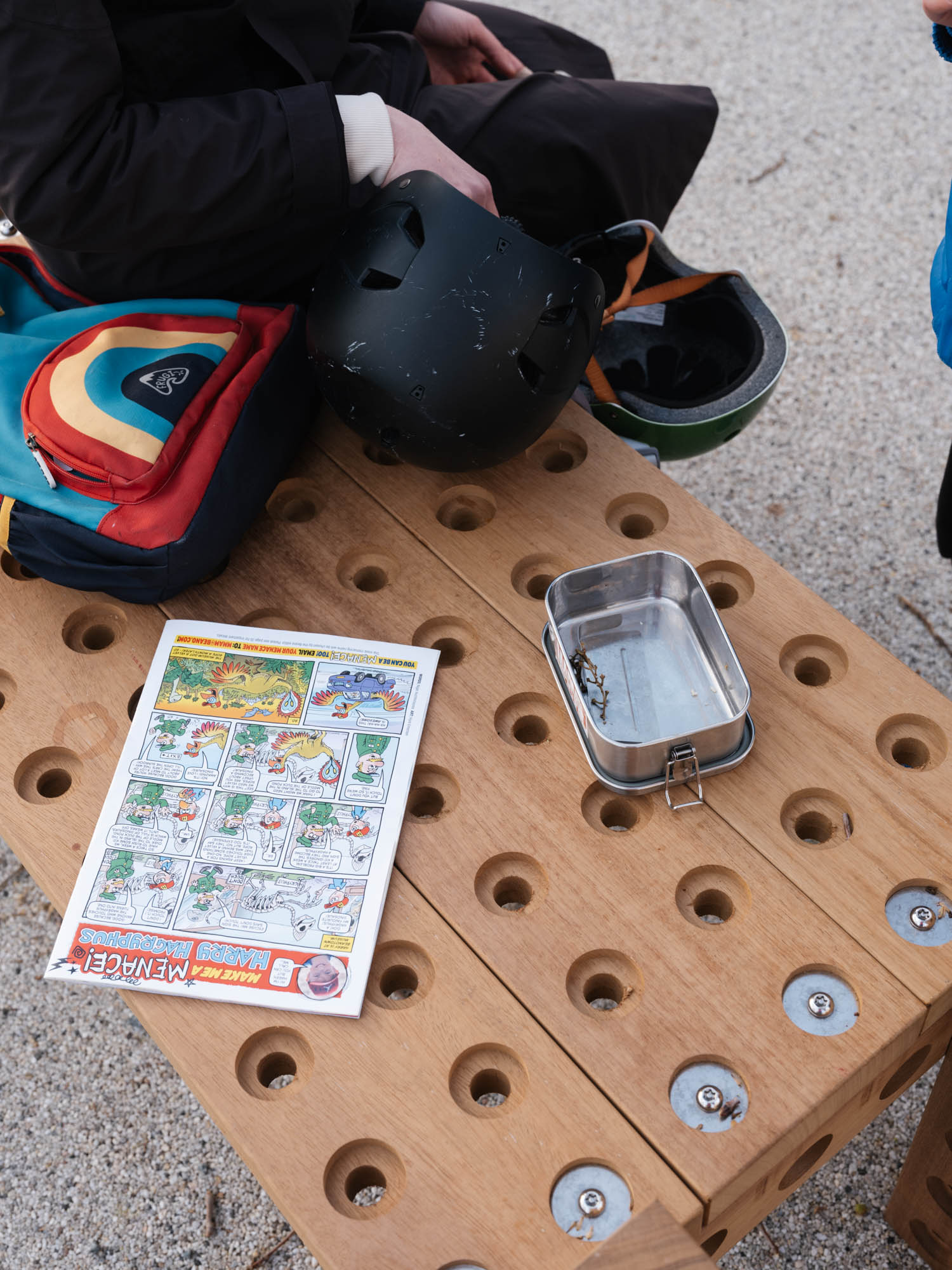
All the tools to install the playground can be found in a standard toolbox: ratchet to tighten the bolts, shovel to bury the feet, spirit level, hammer, and pliers. The bolts are fitted with a playground-specific security nut to prevent tampering.
The pilot structures have been developed from responsibly sourced iroko, an African hardwood selected for its performance in arid environments. Long-lasting, durable, resistant to decay and insects, and considered more sustainable than teak, iroko is ideal given the demands of the climate in Asaita, where the first Playrise structures will be deployed.
“When home is a precarious thing, play isn’t just about having fun; it’s how children learn and how they heal. This tool gives them the chance to build and maintain their own world, keeps them engaged when they’re restless, and creates a sanctuary where they are safe to just be children again,” stated Hikaru Nissanke, Co-founder, OMMX.
Why play matters Much more than a luxury, play is an essential formative process through which every child develops the motor, cognitive and social skills they need to navigate the world around them. It builds strength and coordination, hones problem-solving skills, feeds imagination, and nurtures the bonds that hold communities together. The right to play is embedded in the UN Convention on the Rights of the Child, but access to play is often limited in disaster-relief zones and refugee camps – the places where it is needed most.
“The kids are clear: they want it all. They use their phones as a window onto the wider world, and they want to be part of it. We started by asking ‘Why can’t they have everything?’ and went from there. This tool allows them to shape the play they want and need, it’s about their vision, not ours,” added Nissanke.
Creating Playrise Playrise was founded by the photographer Alexander Meininger, with the aim of addressing a critical gap in support for the 48 million children living in displacement around the world. With just 3% of humanitarian aid going towards education in fragile, conflict and violence-affected contexts (according to World Bank data), play is far from the top of the global priority list.
Where limited funding is available, the focus is often on immediate need (food, clothing, shelter, medical supplies), with play dismissed as secondary, yet its availability has an enormous impact on the wellbeing of children. Access to play has been shown to contribute to the relief of physical stress and psychological trauma, help build positive relationships, and restore the conditions in which learning can occur.
Early in 2025, Alex brought together a team of specialists to research and develop a modular system of play structures that would be simple to transport and install wherever in the world they were most needed. Architects OMMX – a studio known for socially and environmentally responsible architecture – were selected for their ability to fuse functionality and aesthetics. Engineering design practice Webb Yates, specialists in timber and sustainable construction, were brought into the team to ensure structural stability and fabricator SetWorks joined the project to advise on costs and buildability.
That summer, in partnership with the NGOs Empowerment for Development and Save the Children, the team travelled to three humanitarian relief sites: the Aysaita camp for Eritrean refugees in Ethiopia; a hub for the Palestinian community in Cairo; and a community of Sudanese refugees in Karkar, southern Egypt. The Playrise team worked directly with the leaders, families and children living in displaced communities in these locations to co-design the system, hosting workshops with children and exploring the constraints of proposed play sites.
They considered diverse factors including the play needs of the community, climate and its impact on material performance, environmental impact, safety, cost efficiency and ease of site access – all of which fed into the first prototypes.
“By engaging with the kids directly we learned that the needs and dreams of a girl in Aysaita refugee camp are not so different from the needs and dreams of a boy in North London. All children want to play – we just need to give them the space to do it,” added Meininger.