March 13, 2026 – American Hardwood Assured (AHA) is a new benchmark for transparency in timber export. Initiated by the American Hardwood Export Council (AHEC), the platform is designed to offer a robust, data-rich, and credible assurance that hardwoods harvested in the United States are legal and deforestation-free. Using a uniquely developed tool, AHA provides U.S.-based companies exporting hardwood products with a straightforward procedure to quickly and easily prepare standardized AHA statements for their export consignments. It harnesses independent expert risk assessment and the latest developments in Earth Observation, AI and plant chemistry-based provenance.
Alongside independent assessment of legality and deforestation risk, AHA is working on a Proof of Provenance procedure to ensure that this assurance can be passed through the global supply chain to the end user. The platform is now available free of charge to U.S. based businesses engaged in the U.S. hardwood export supply chain. Each AHA Statement, which is uniquely associated with an individual export consignment, includes all the data needed to confirm negligible risk of illegal harvesting and deforestation at the original source of the U.S. hardwood. Each AHA Statement can be downloaded as a pdf and sent with other shipping documentation to customers. It can also be linked to using a unique QR code.
“The American Hardwood Assured program is, in my opinion, the most significant development for the trade in American hardwoods since AHEC was formed over 35 years ago. AHA is a unique and creative solution that meets the challenge of today’s exacting procurement policies – I have no doubt that it will grow into a globally recognized standard. It provides reassurance to buyers and users worldwide that choosing one of the many exciting American hardwood species does not lead to deforestation and will in fact contribute to the long-term sustainability of this amazing resource,” said David Venables, AHEC European Director.
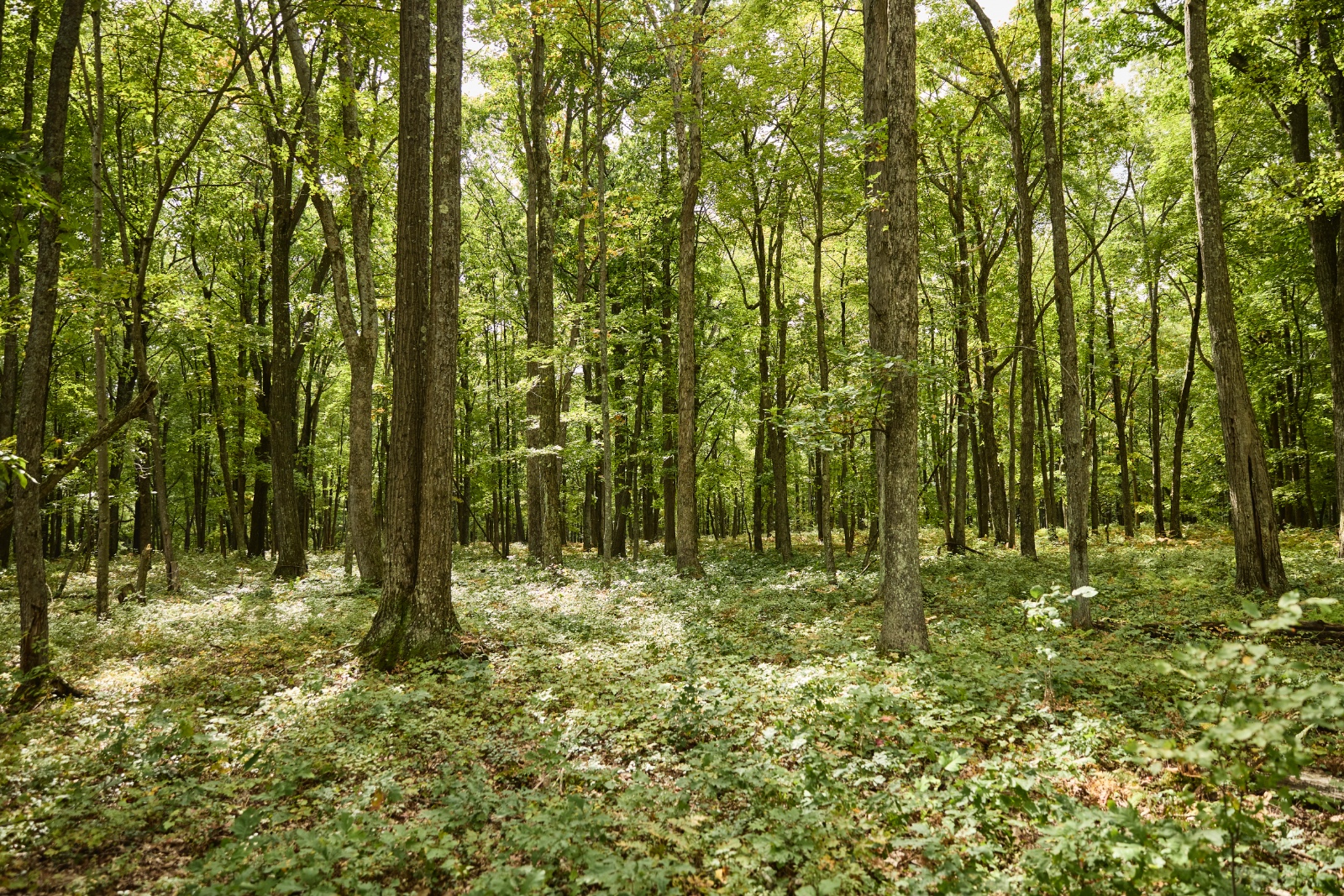
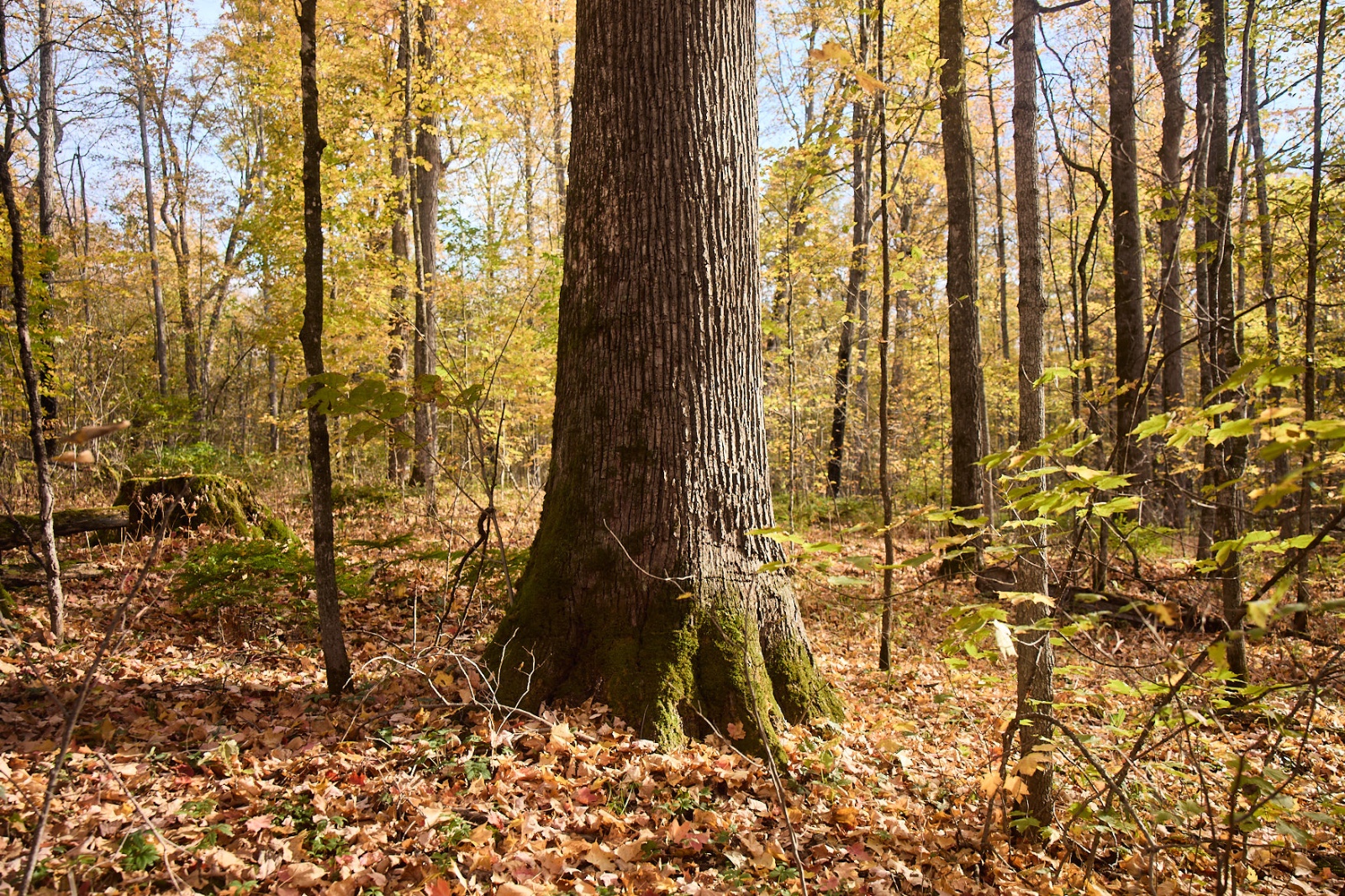
The volume of hardwoods standing in U.S. forests has increased by over 130% in the last 70 years. Today, hardwood forests cover over 120 million hectares and make up nearly half of all U.S. forest area. Around 90% of all U.S. hardwood harvests are on privately owned land, mainly non-industrial family forests, of which there are close to 10 million in the hardwood-producing regions of the United States. The overwhelming majority of U.S. hardwood therefore derives from low-intensity harvesting of naturally regenerating forests – an approach which improves forest health, disincentivizes deforestation, and sustains a culture of responsible land management.
Although the hardwood sector actively contributes to forest conservation, providing sustainability verification for individual hardwood shipments is technically challenging. Because American hardwood forests are so diverse and ownership is highly fragmented, a single harvest produces only a small volume of each species, size, and grade. This means that a single export consignment often contains hardwood harvested from multiple sites, and sourced from multiple landowners. If a U.S. hardwood exporter were to identify all individual harvest sites, they would need to list thousands, often tens of thousands, for every individual consignment – a challenge that has, until now, rendered standardized assurance provision all but impossible.
With the AHA, exporters are now able to provide an accurately quantified assurance of negligible risk of any commodity-driven deforestation in the specific local jurisdictions from which they source U.S. hardwood. Where U.S. hardwoods in specific consignments are sourced from counties with specified legality or deforestation risks, they can also provide details of risk mitigation action which will also appear on the AHA Statement.

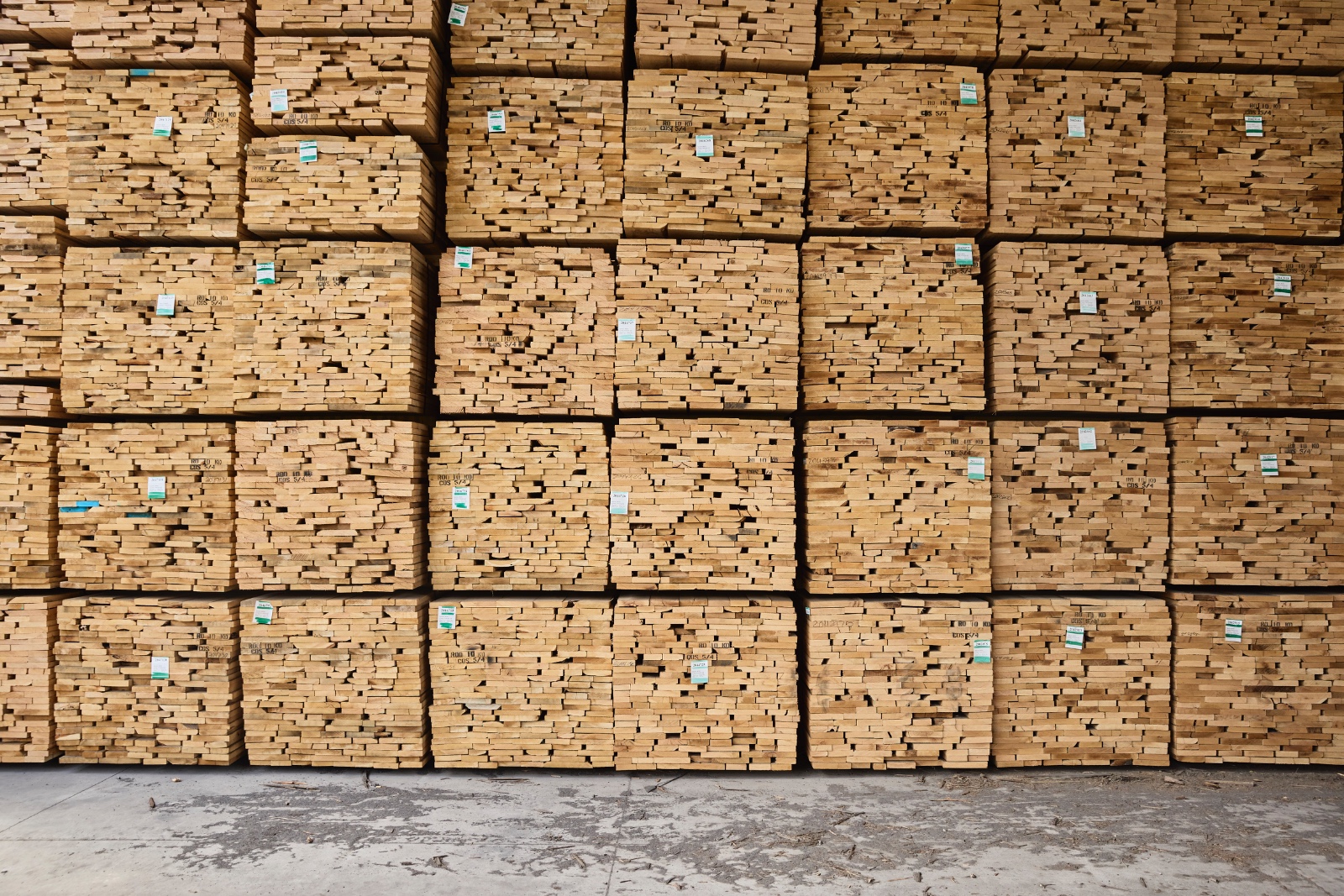

American Hardwood Assured is divided into three components. The first is a deforestation risk assessment prepared yearly by independent experts using the publicly available Earth Observation data. This is based on AI analysis of the USDA Cropland Data Layer, an annually updated detailed map of forest and crop coverage produced using satellite imagery and extensive ground reference data. The second is a legality risk assessment, prepared by independent experts, for each of the 37 states supplying commercial volumes of U.S. hardwood, which covers all legal requirements by consumer country regulations. The third is a web portal providing public access to the data from both assessments, which enables U.S. hardwood exporters to quickly produce AHA Due Diligence Statements.
“We expect AHA will have strong resonance in the U.S. itself, a market which consumes over half a trillion dollars of forest products each year. For the European Union, the U.S. hardwood sector is ready to demonstrate conformance to the Deforestation Regulation using the AHA Platform. Our confidence in this is reinforced by the assurance we have received from legal counsel that there are good legal arguments in EU law for AHA ’s provision of county-level geolocations for a negligible risk product originating in the United States,” added Rupert Oliver, AHA Global Strategy Director.
Users are provided with a point-and-click tool to select the specific U.S. counties where the hardwoods contained in their export consignments were harvested. From this, a separate geojson file is generated containing geolocation data formatted according to the WGS84 (EPSG:4326) coordinate system (as required by EUDR). Users can quickly link this data with their own contact details, details of the customer receiving the consignment, the quantity of U.S. hardwoods contained in the consignment, and details of the product including harmonized system code and description, trade name and full scientific species name.
Timber sources can be identified with county-level geolocations using plant-chemistry-based provenance technologies such as Trace Element Analysis, Stable Isotope Ratio Analysis, and Laser-Induced Breakdown Spectroscopy. The resolution of these technologies is sufficient to provide assurance of county provenance but not to identify individual properties or harvest sites, thereby protecting private property rights, confidentiality and anti-trust.
In late 2026, the second phase of AHA development will introduce a Proof of Provenance procedure combining these technologies with blockchain. This will allow the U.S. state of origin of any hardwood product in the global market bearing an AHA claim to be verified using a simple lab test. Later down the line, verification at county-level will also be available. If ongoing technical work is successful, it may ultimately be possible to do this by directing a handheld scanning device at the wood.
“AHA will allow importers and manufacturers in all export markets, including India, to continue to benefit from the enormous opportunities offered by sourcing raw material from the world’s largest temperate hardwood resource – improving forest health and regeneration, without fear of contributing to deforestation. The AHA platform can readily cope with consignments containing a mix of hardwood species sourced from different areas and is designed so that information replicated for numerous export consignments need only be entered once and information on harvest areas need only be updated once a year. Looking ahead, promotion of this legal and deforestation-free verification system will form a key component of our global market development strategy,” concluded Roderick Wiles, AHEC Regional Director.