Designed to Refill demonstrates how architecture can quietly guide behavior, turning sustainable consumption into an everyday habit
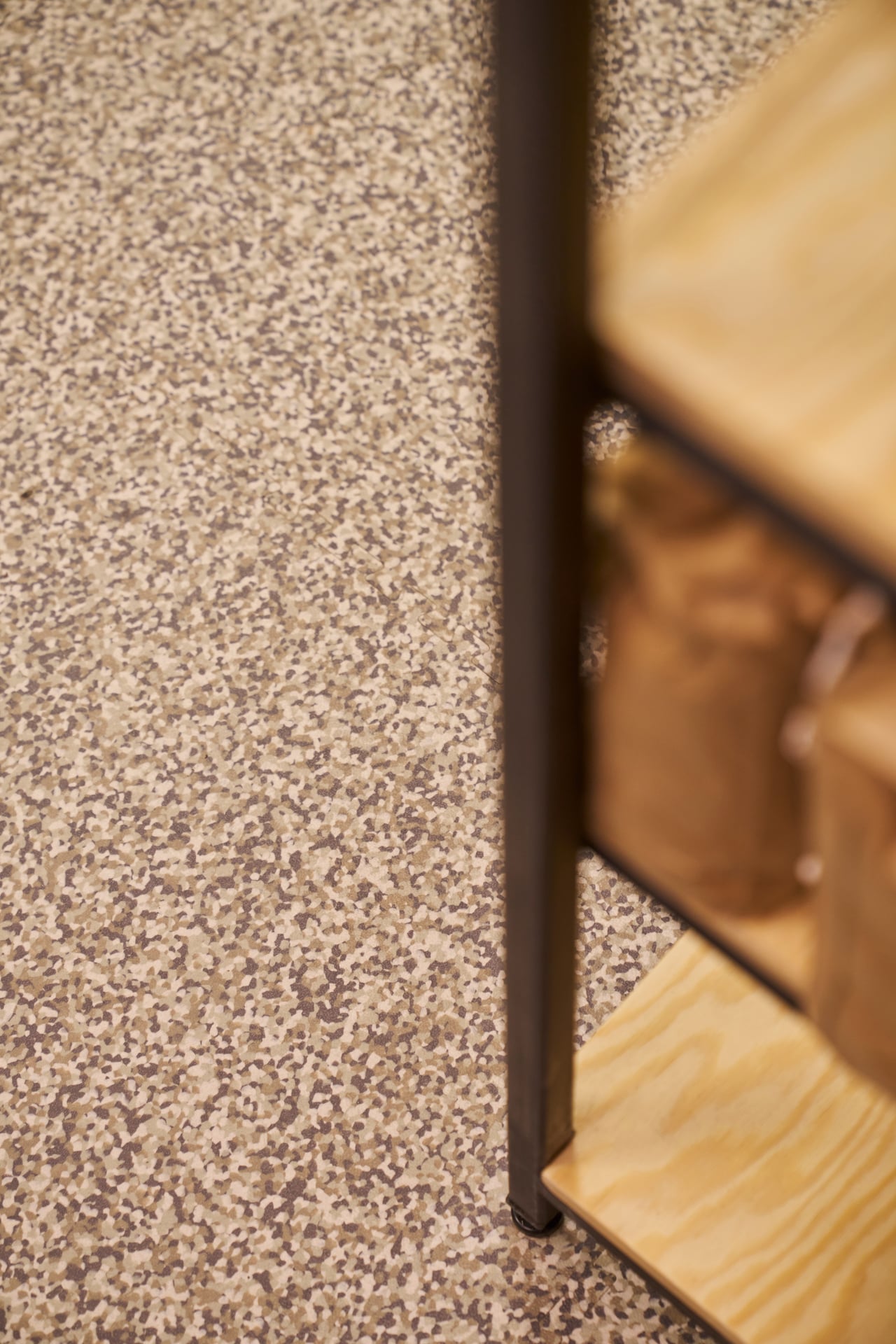
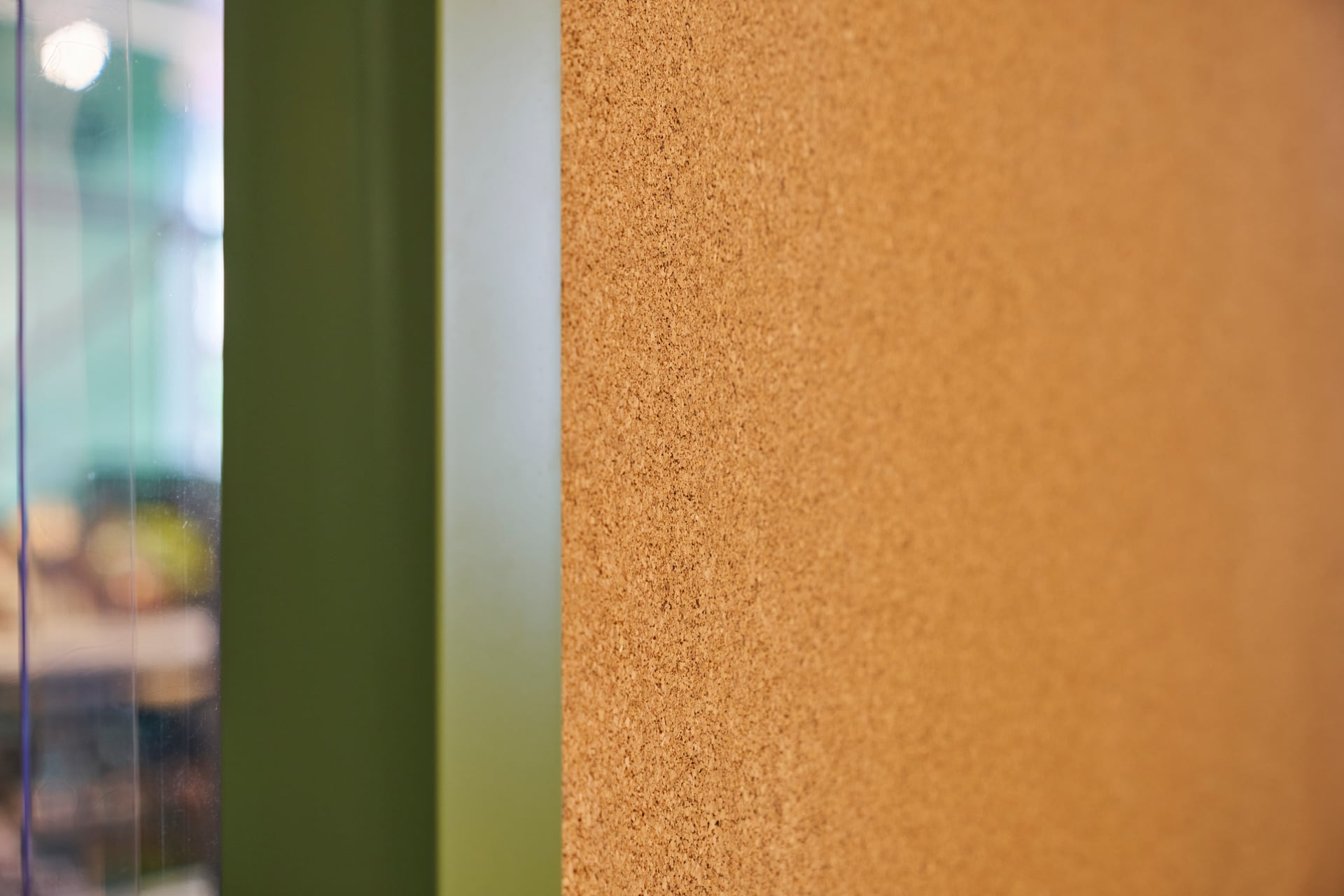
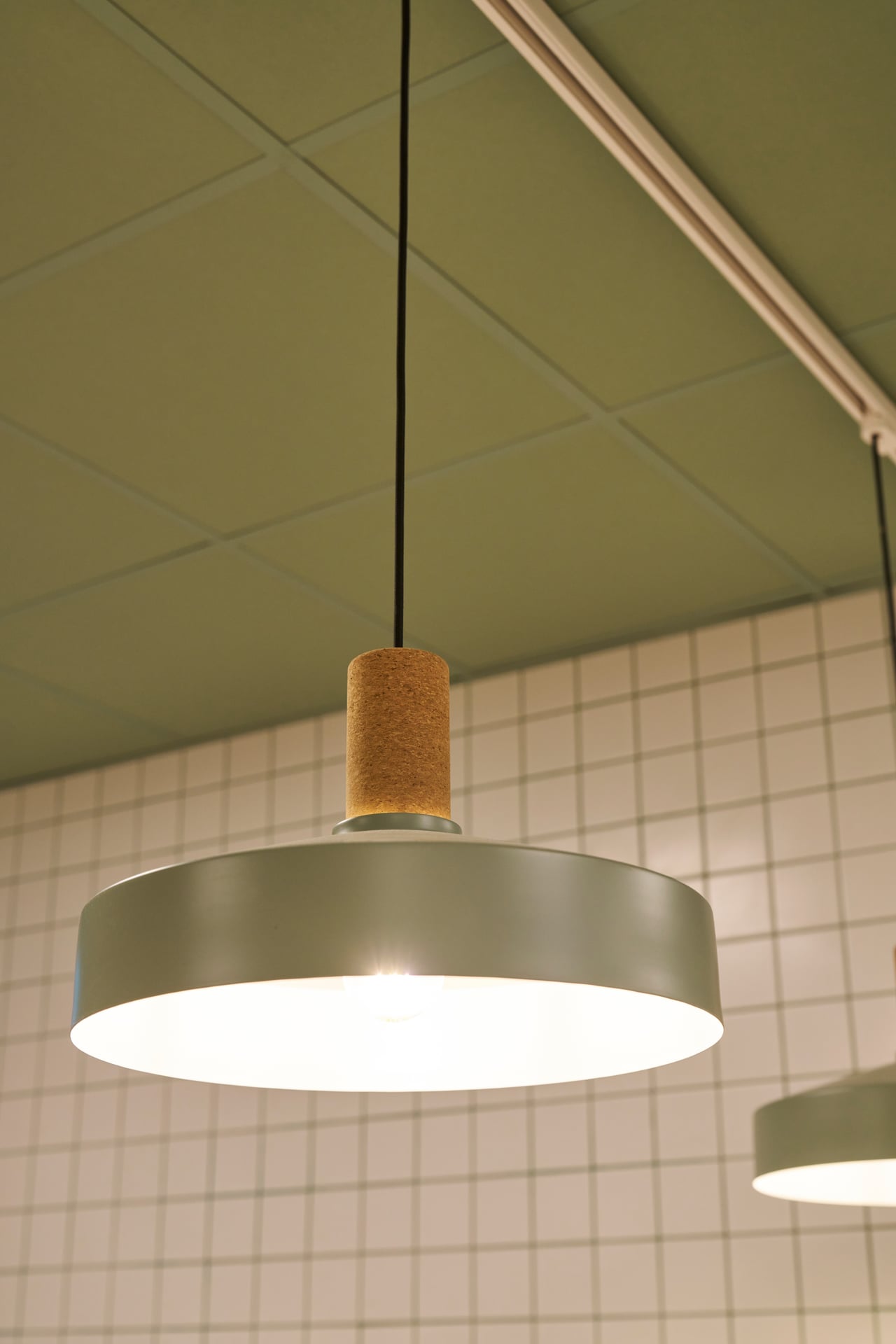
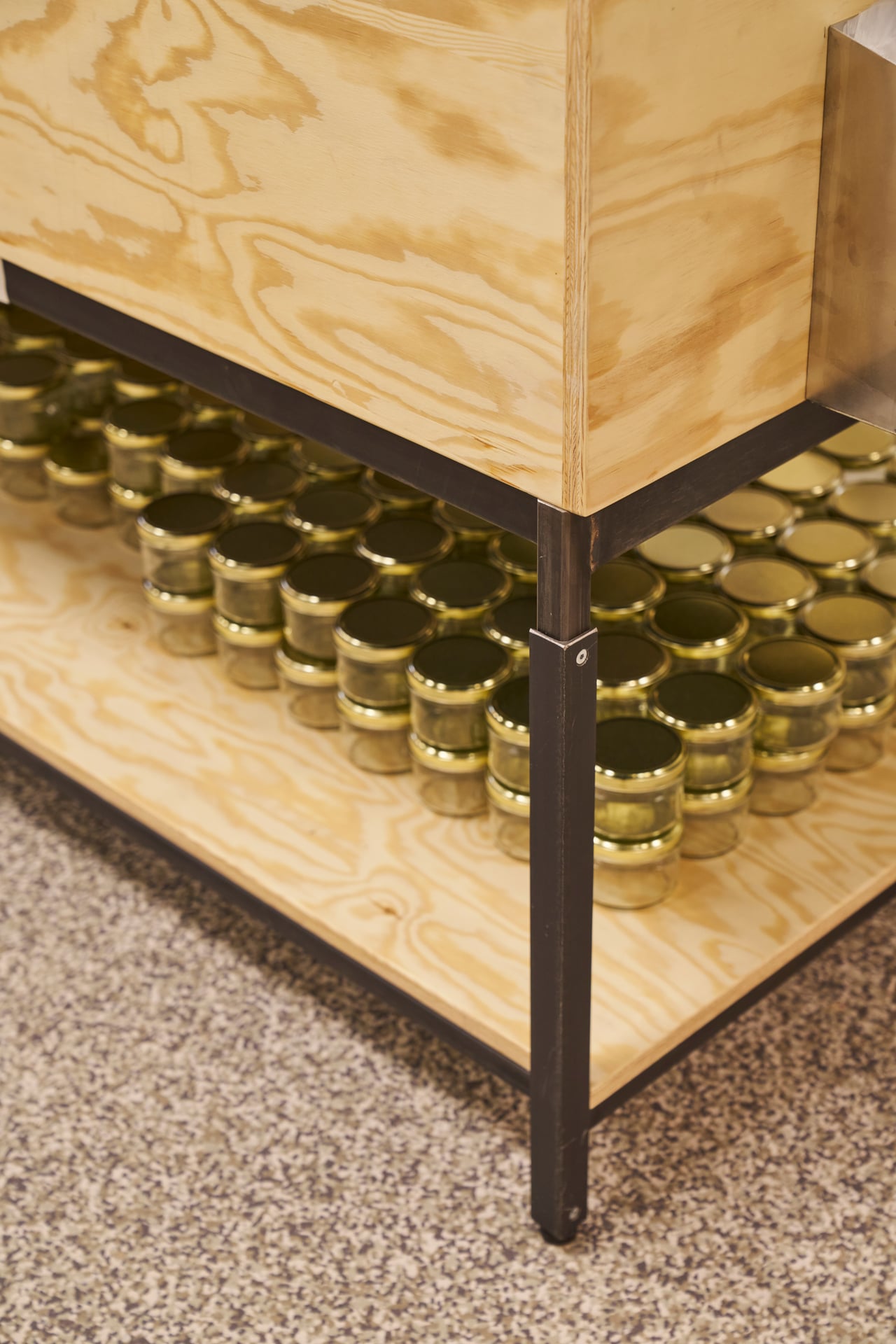
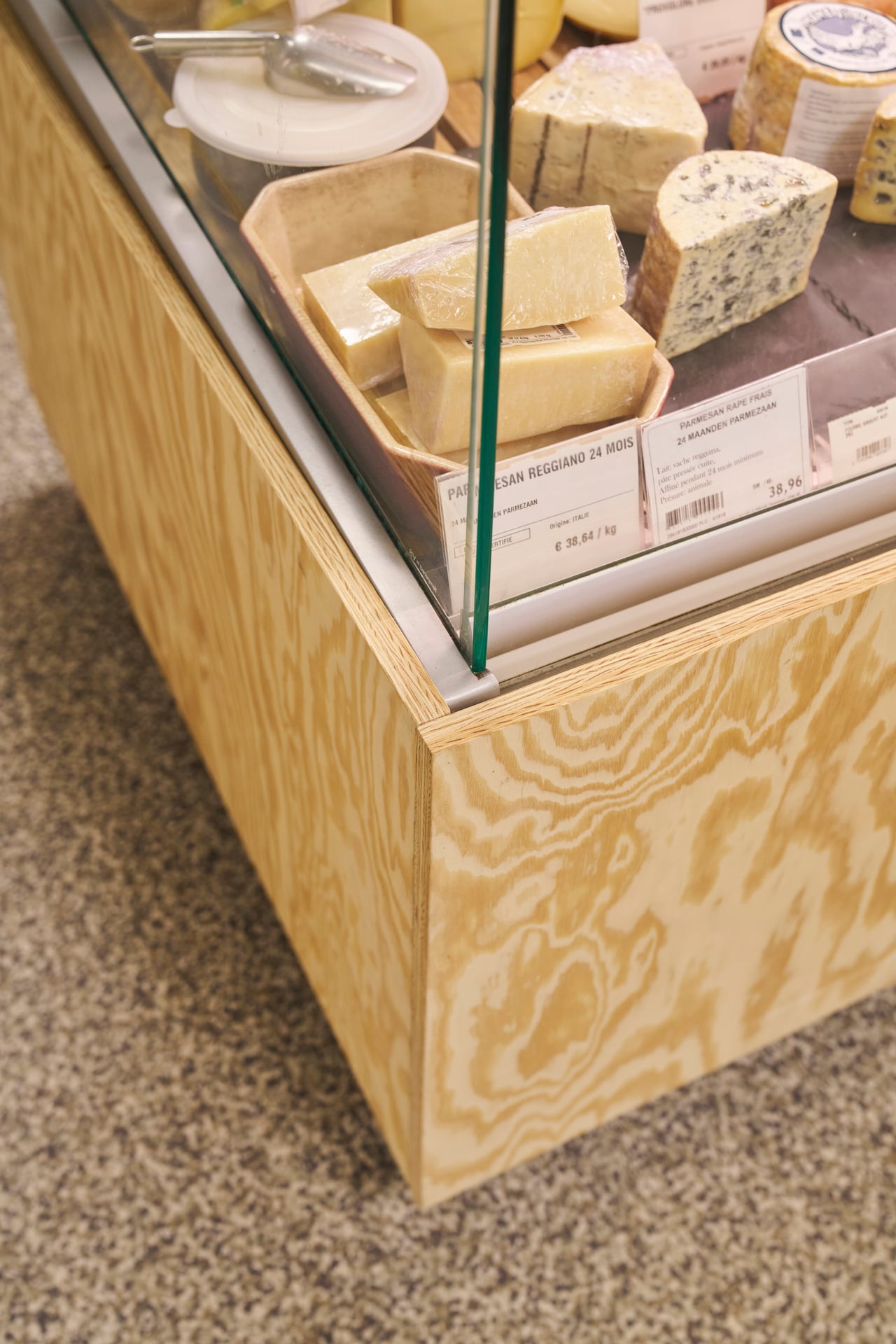
Materiality was selected to communicate natural quality and durability, while supporting a low-waste operation
September 18, 2026
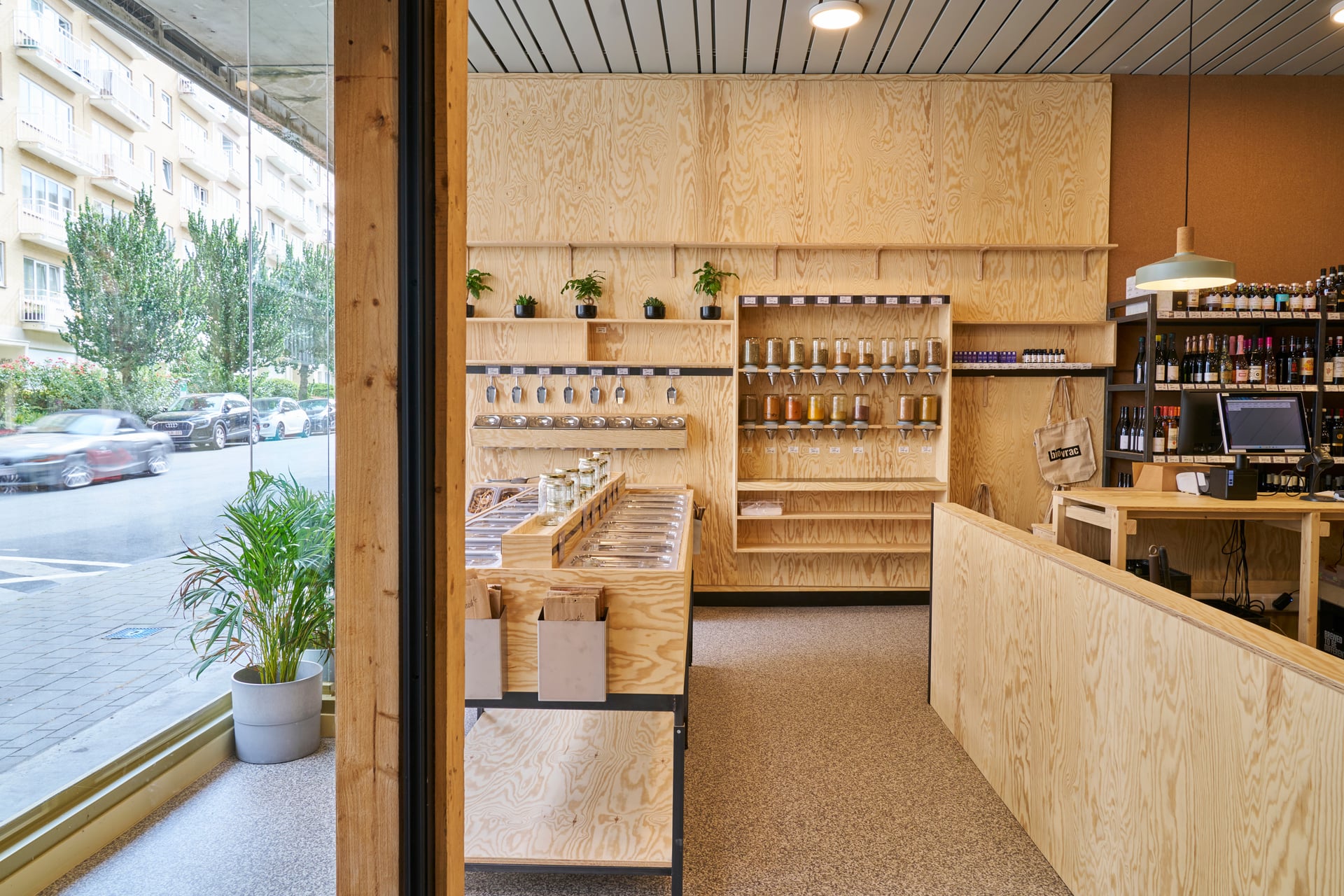
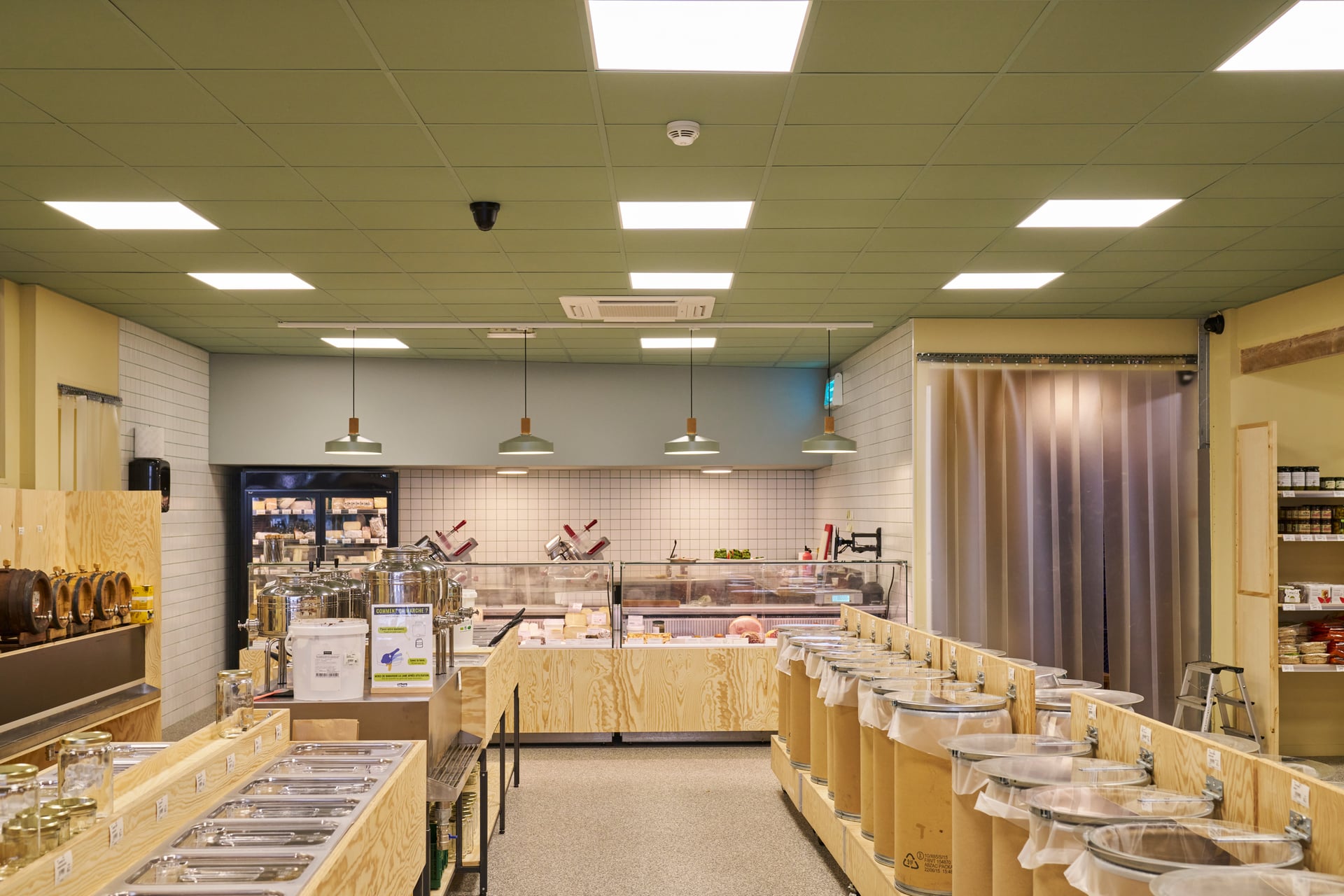
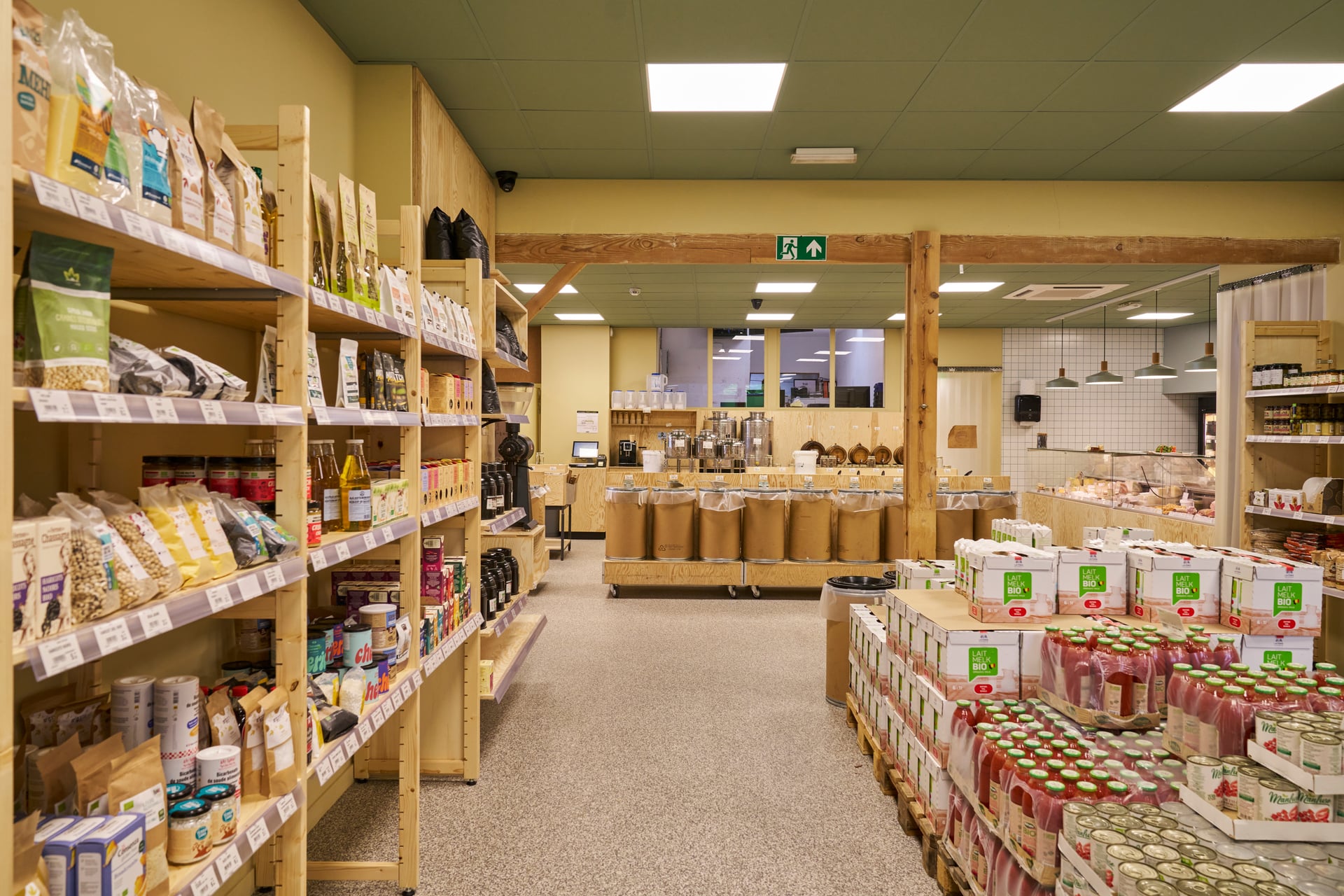
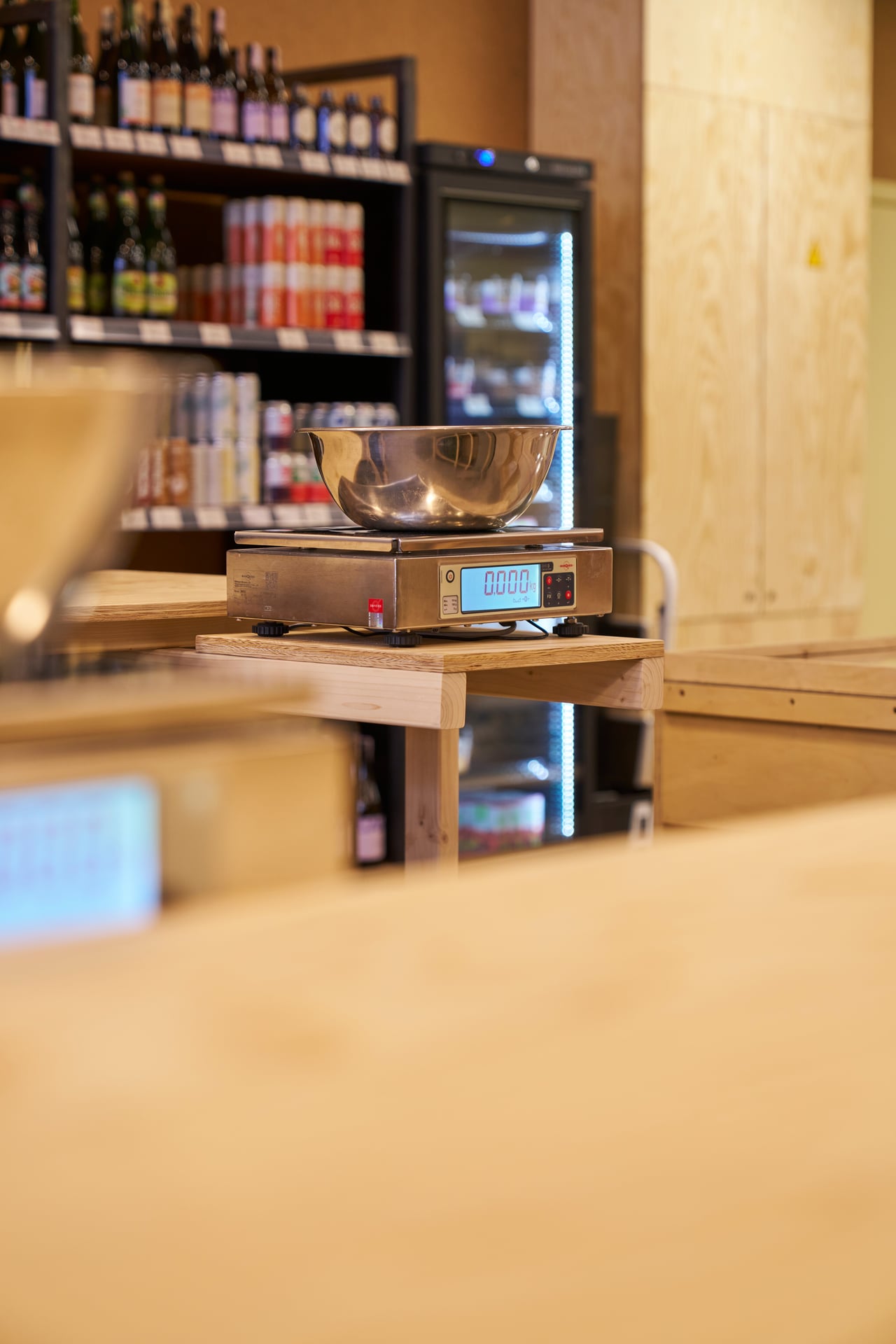
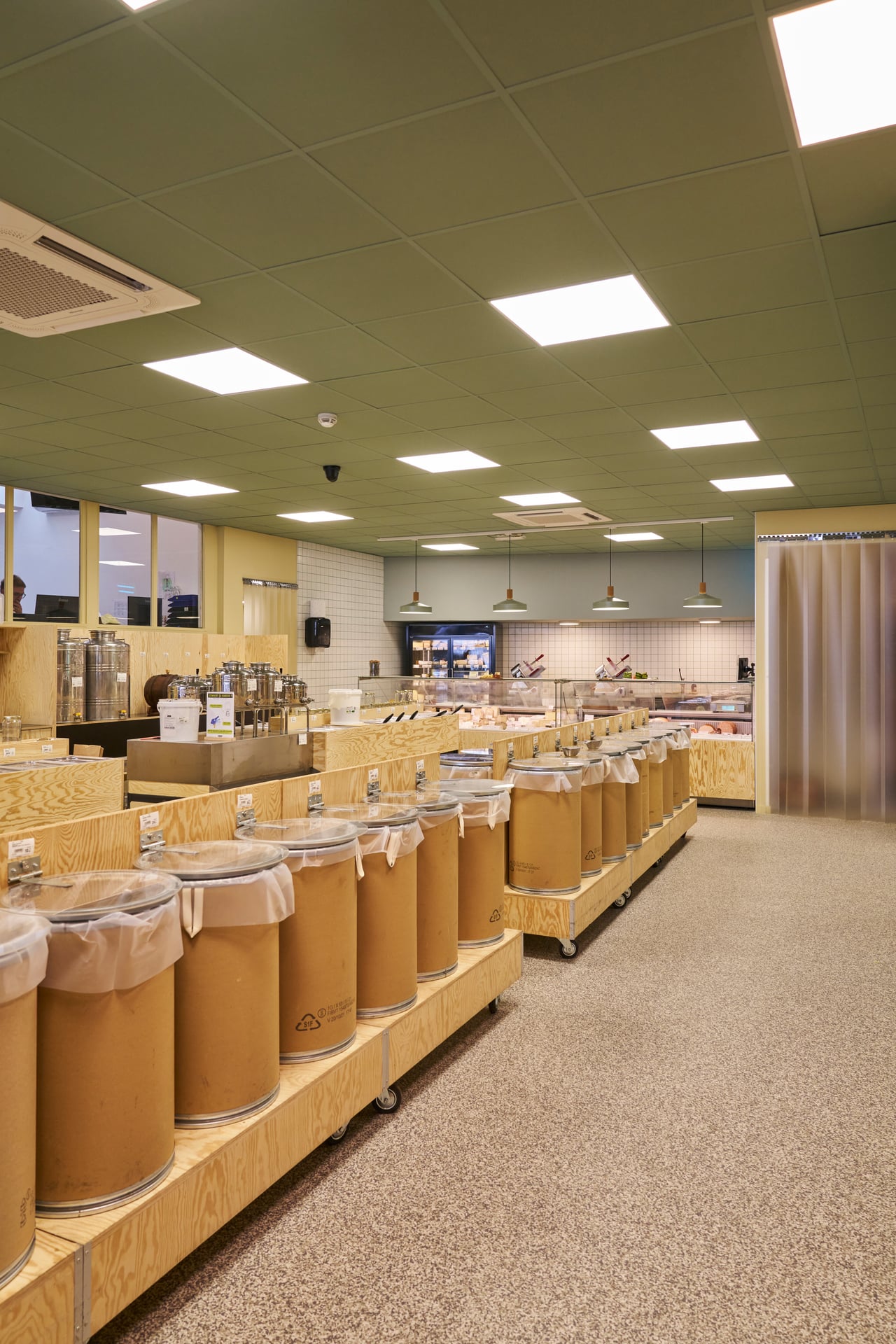
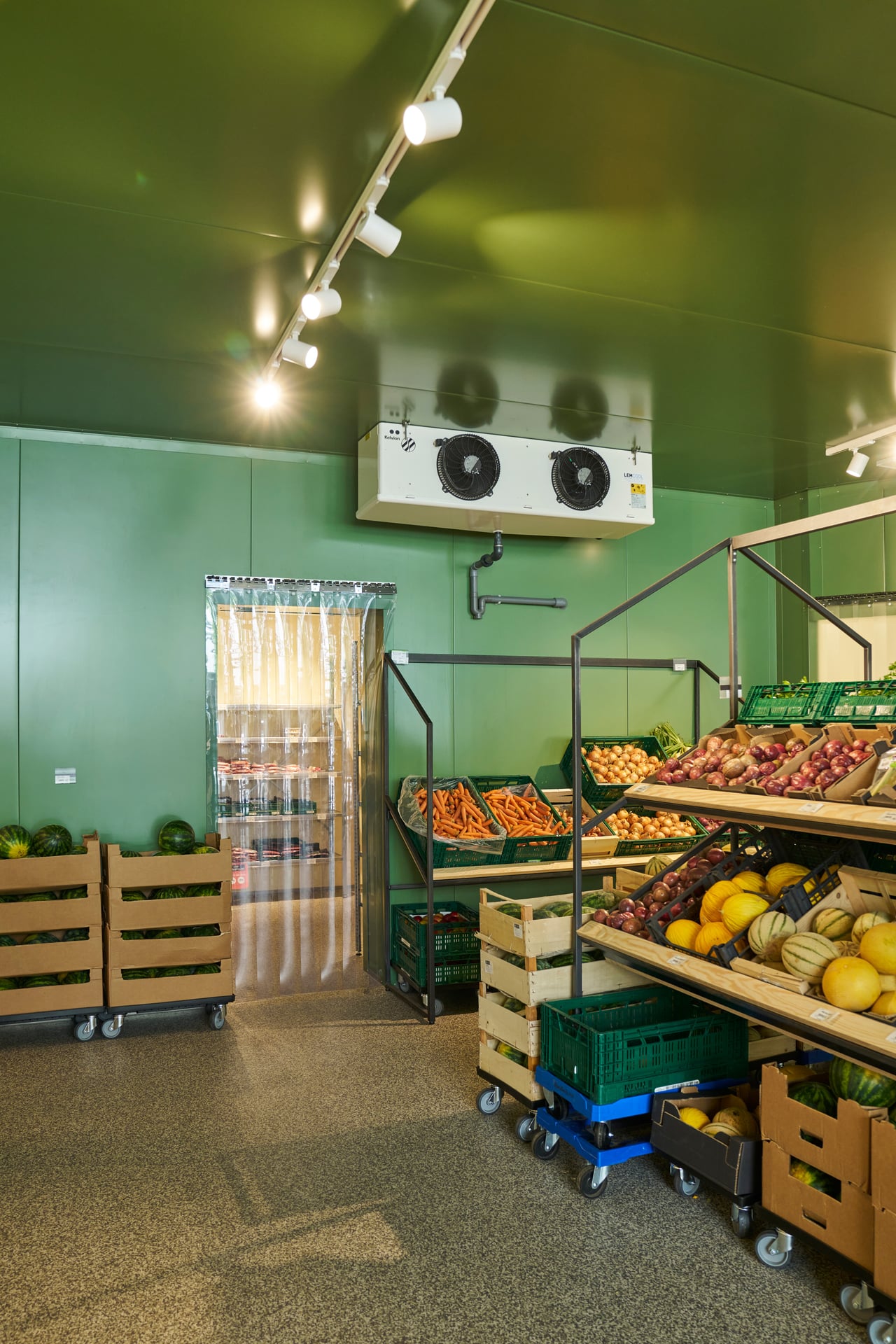
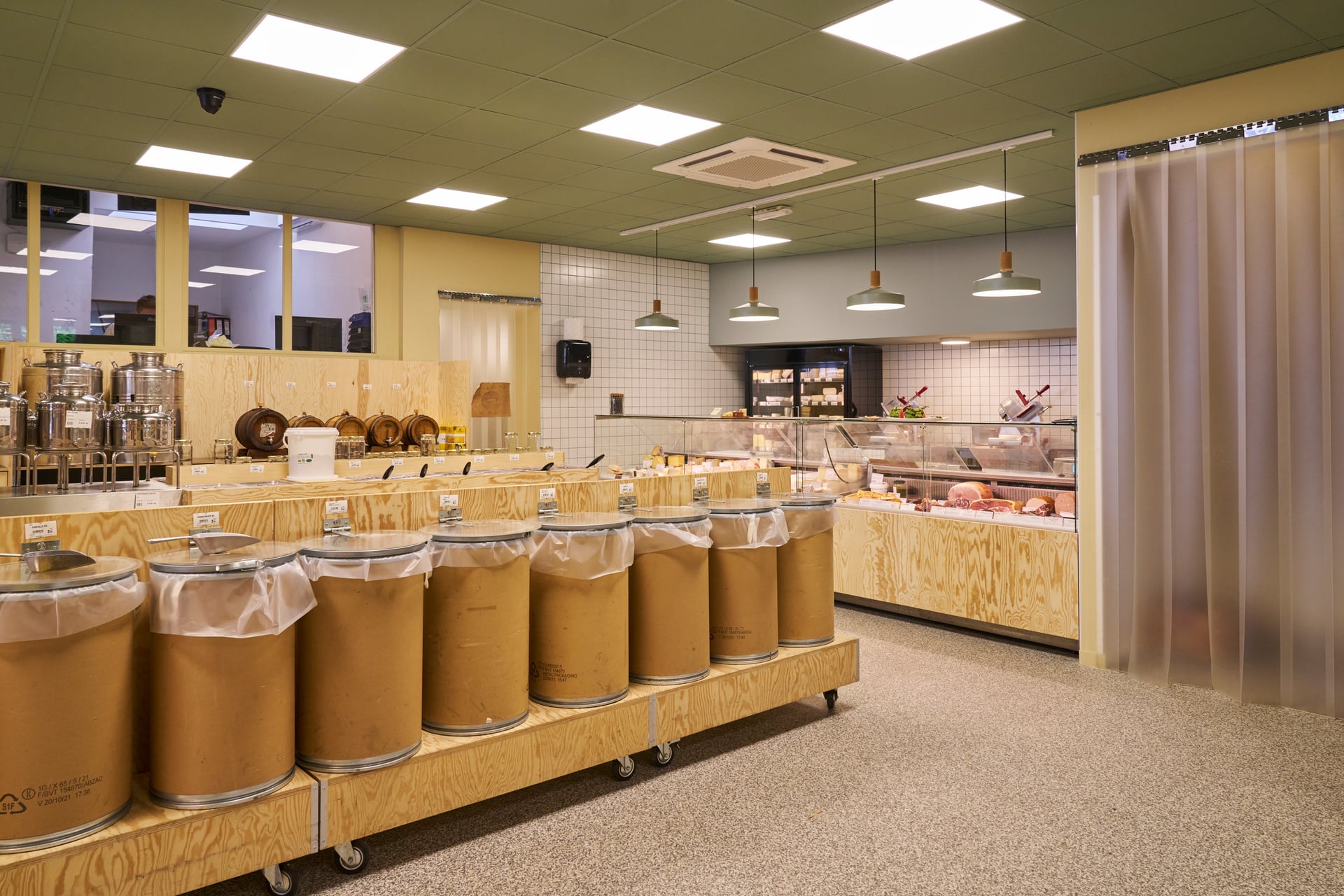
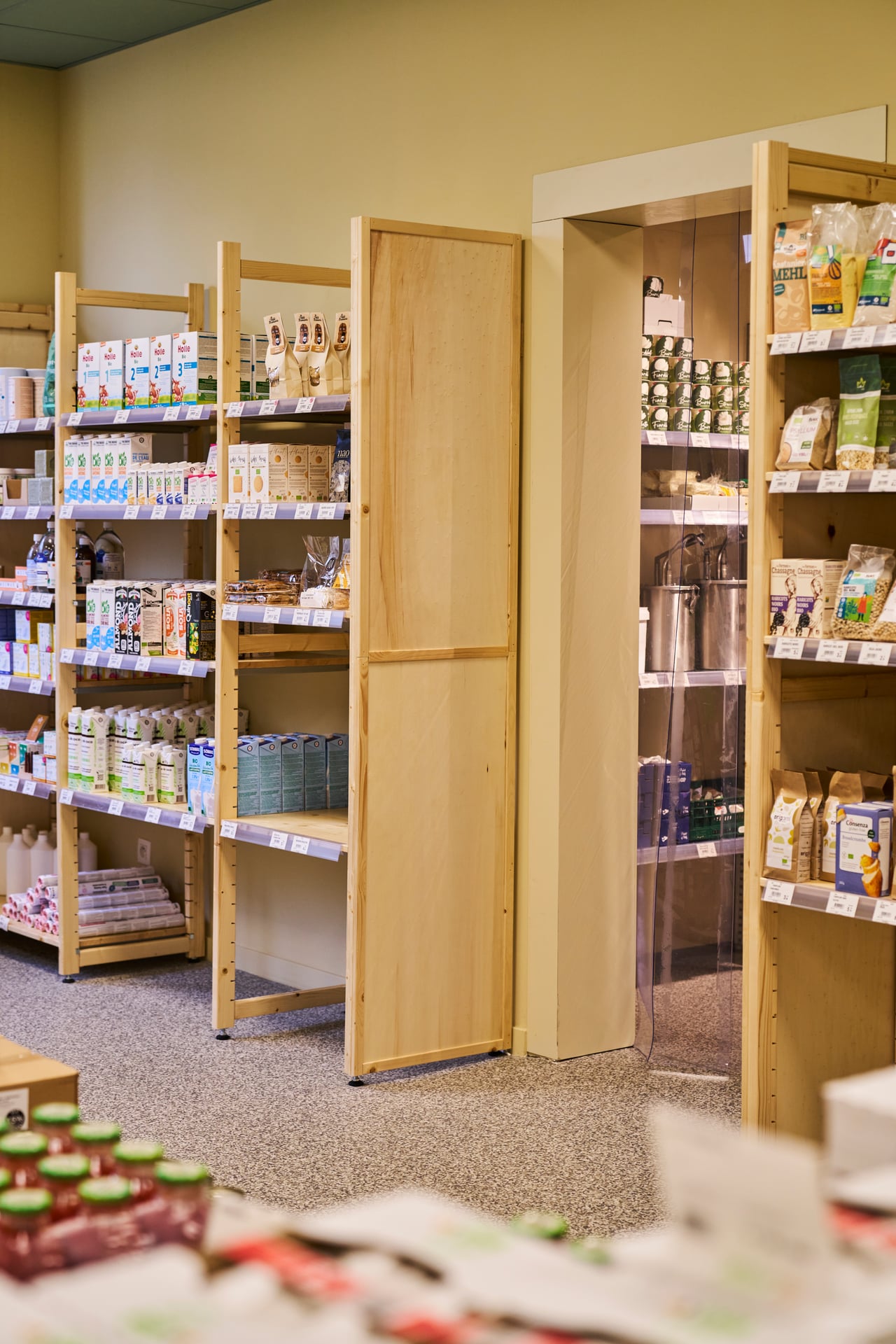
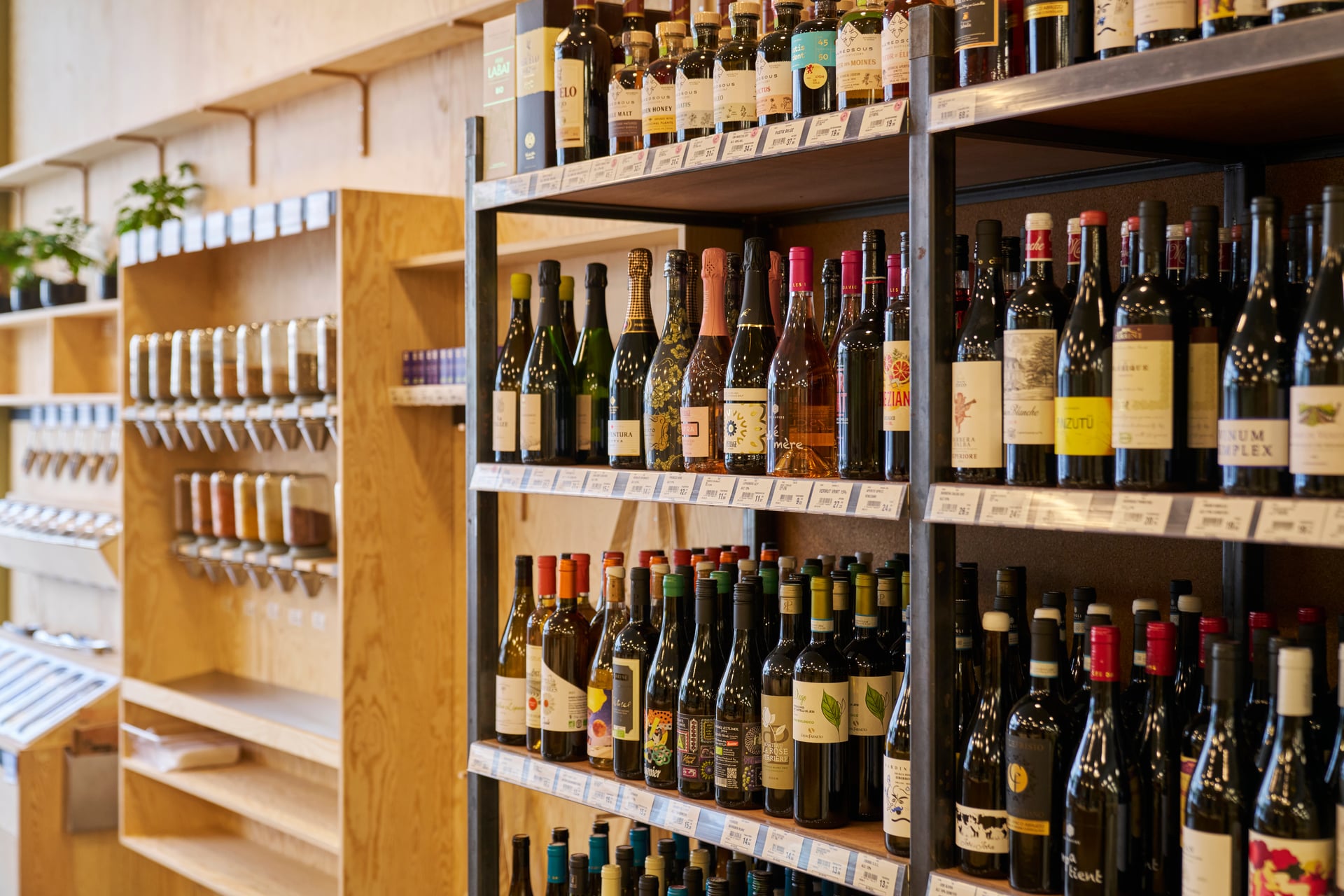
Designed to Refill is the renovation of Bio Vrac in Uccle, Brussels: a zero-waste organic bulk store conceived as a seamless, refill-first retail experience. The project began with a simple ambition – make sustainable shopping feel as intuitive as conventional shopping – then translated it into a clear spatial sequence: arrive, understand, choose, refill, weigh, pay. The layout is organized as a legible system, with strong sightlines, logical zoning, and circulation designed to reduce friction and prevent bottlenecks, even at peak moments.
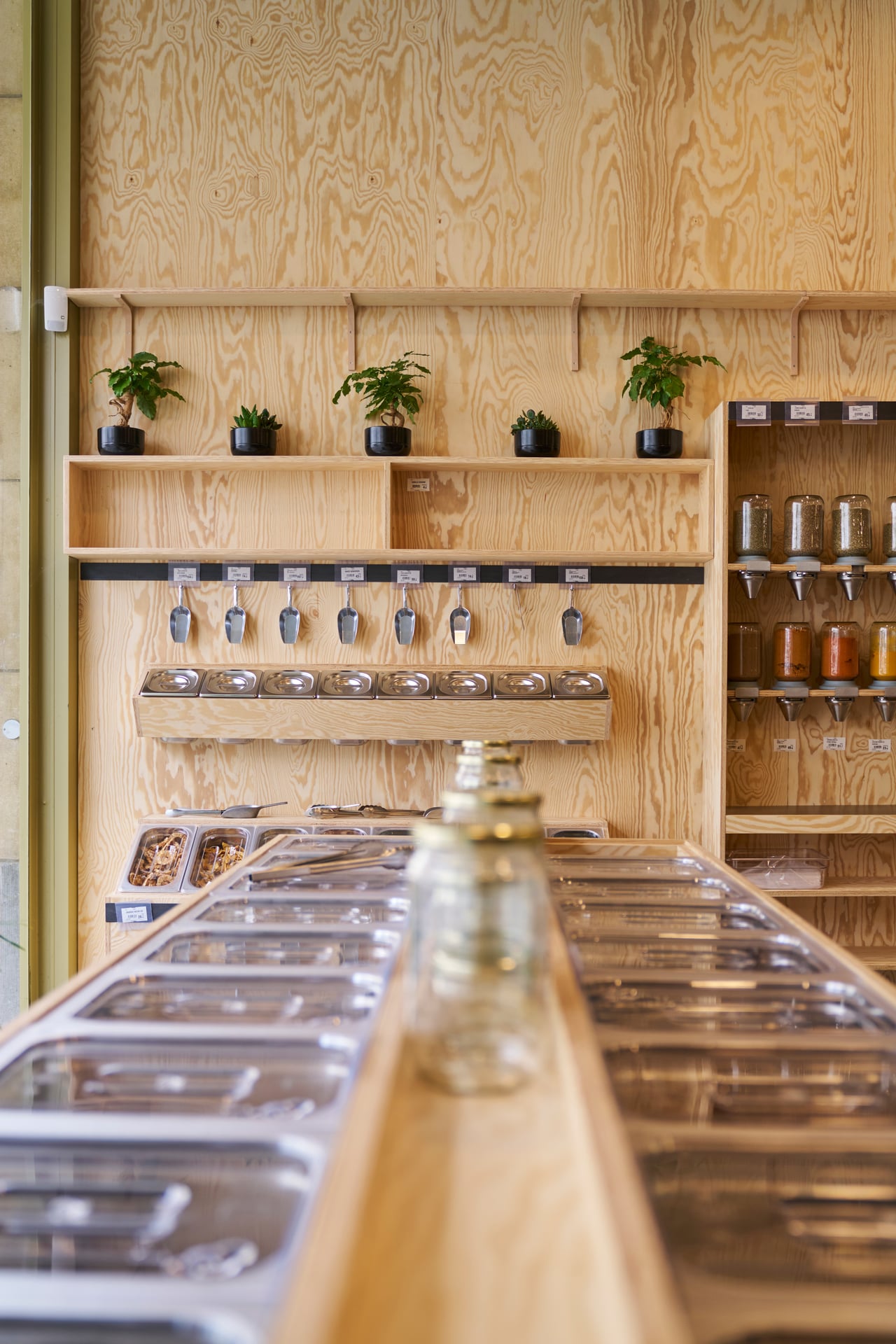
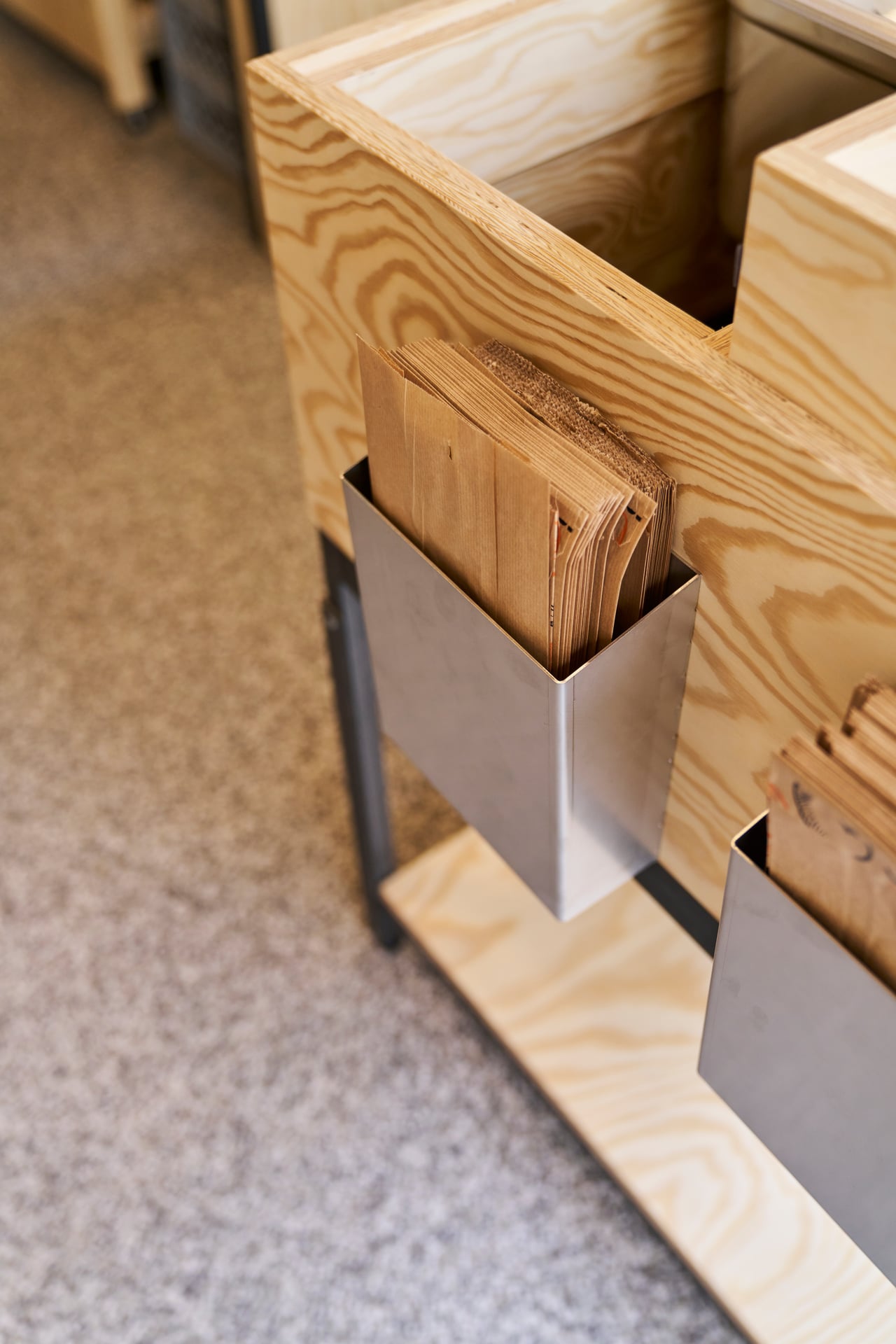
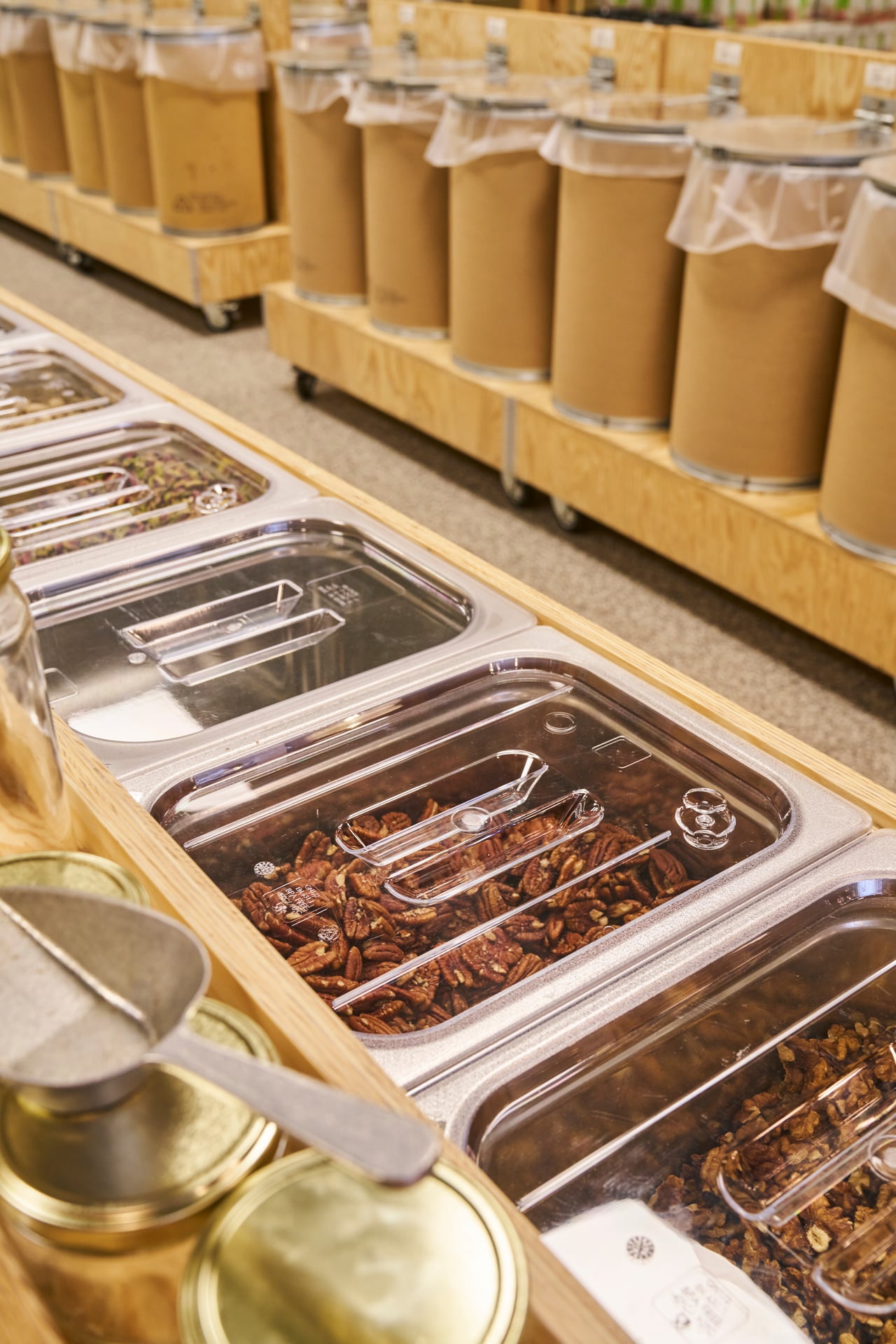
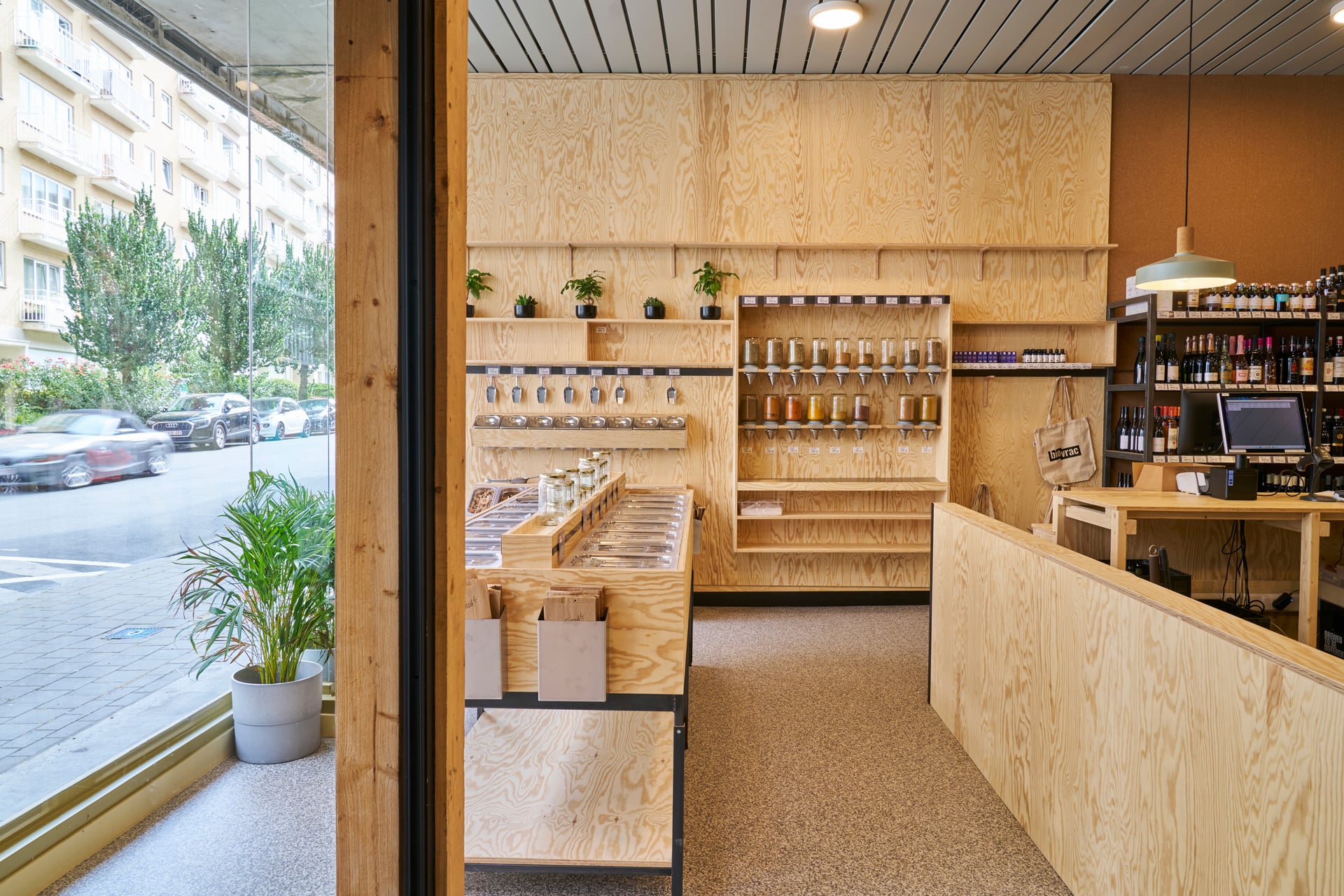
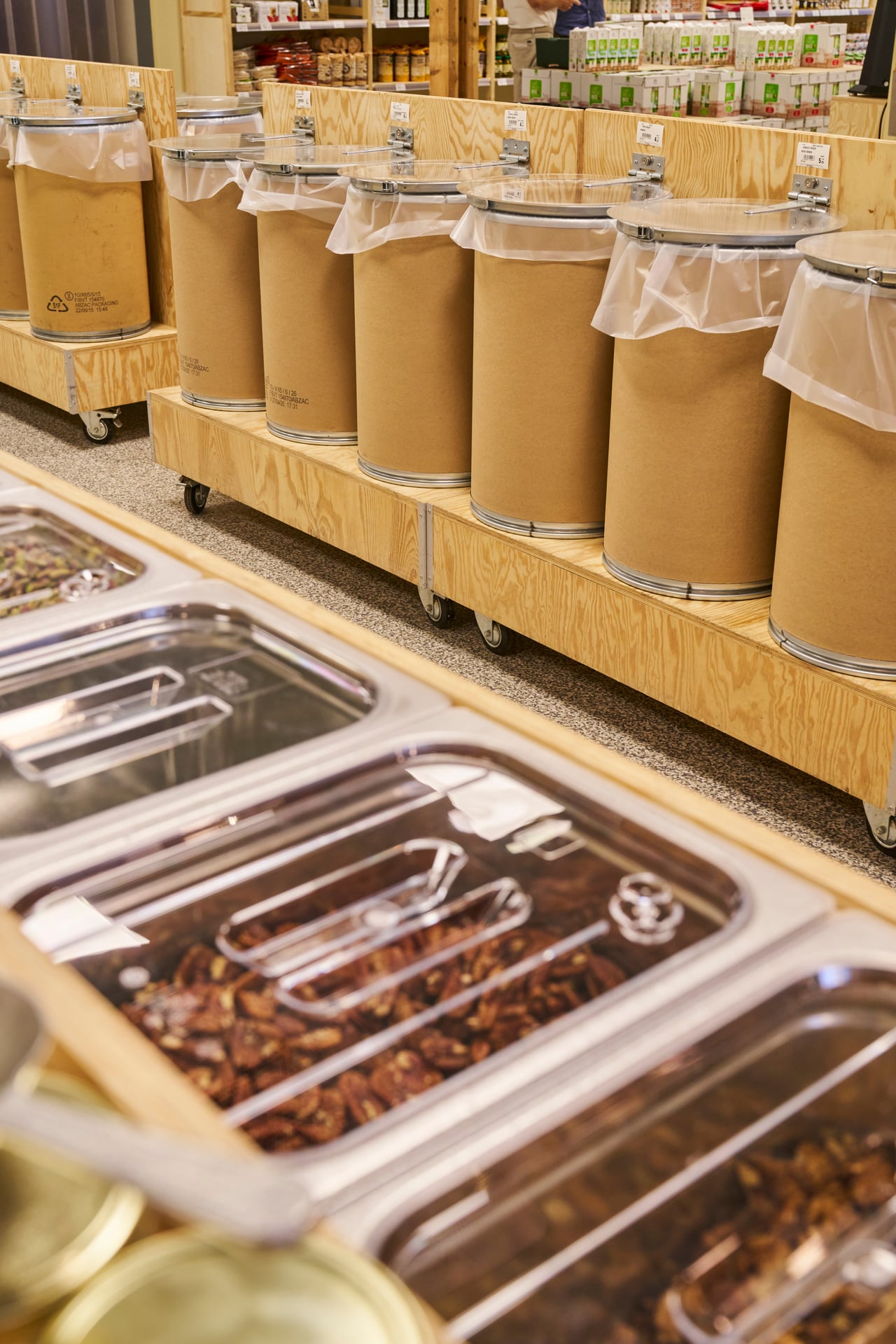
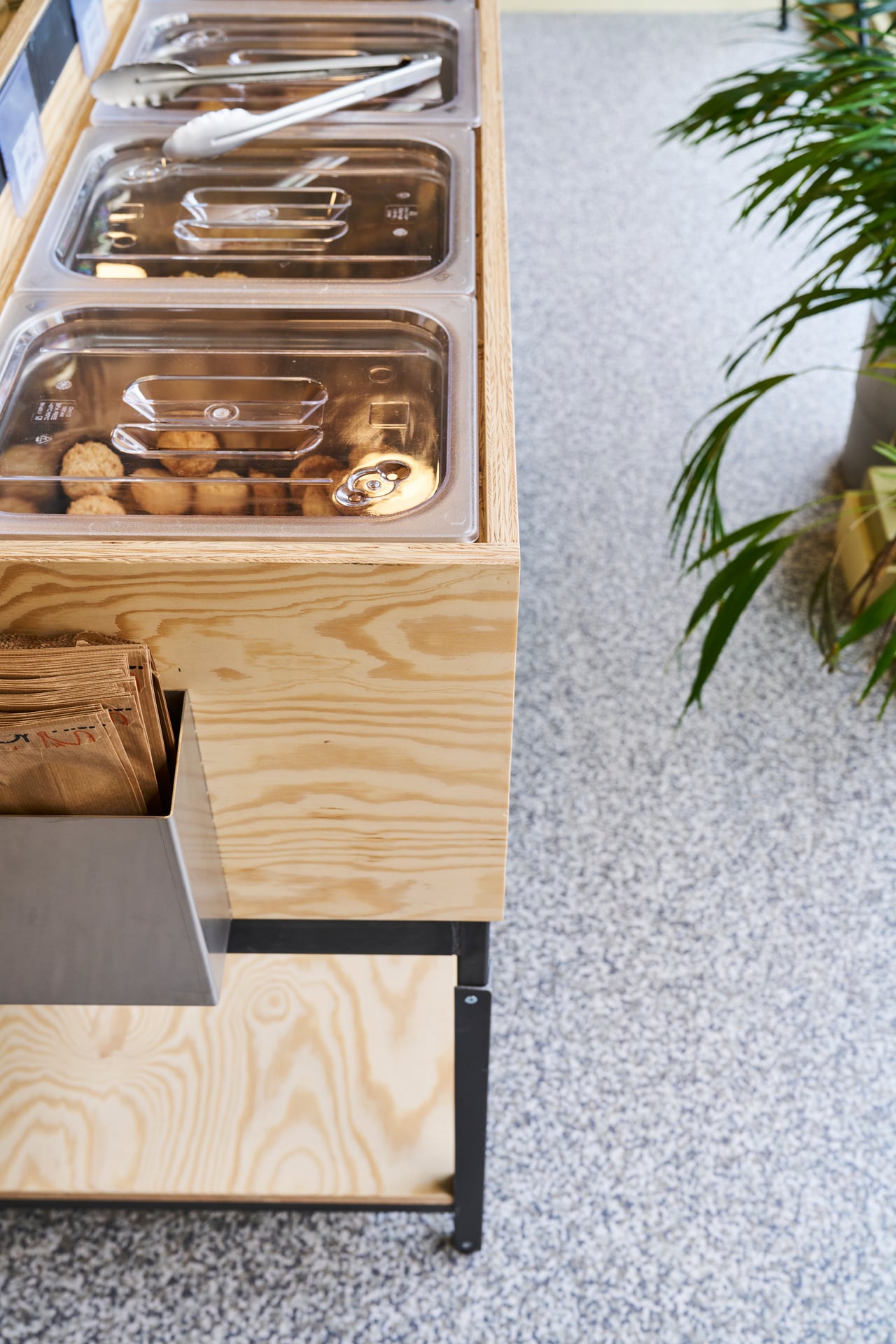
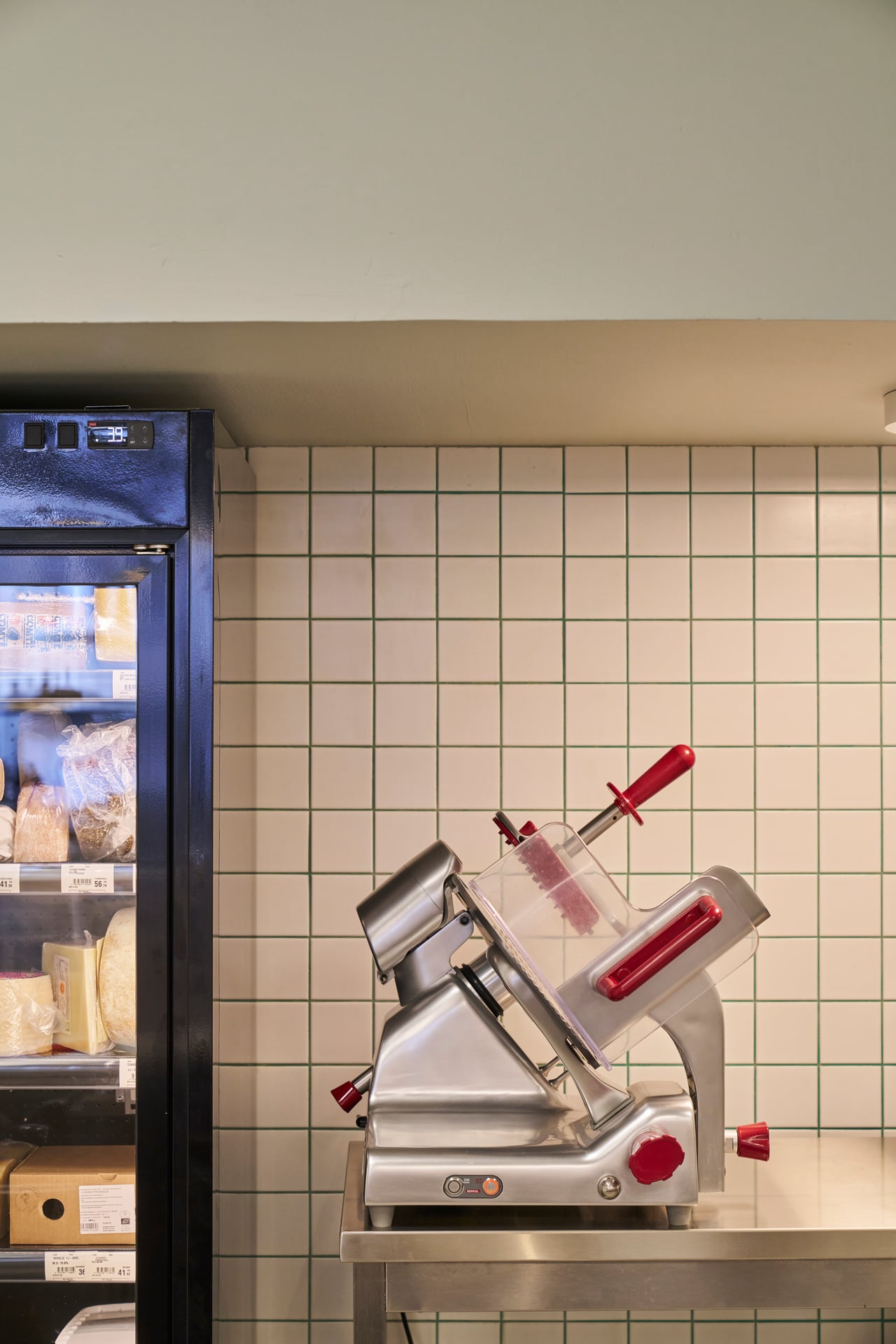
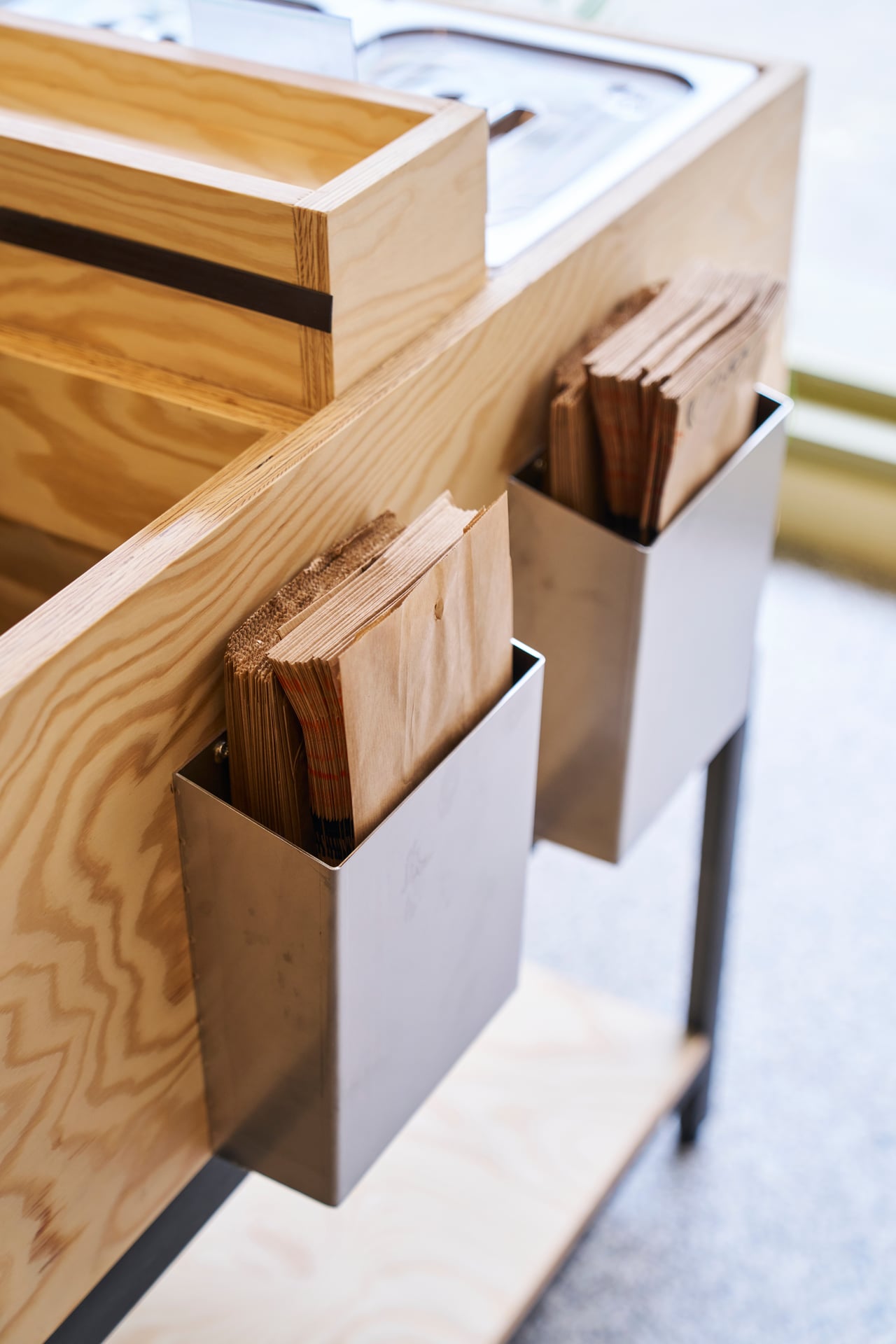
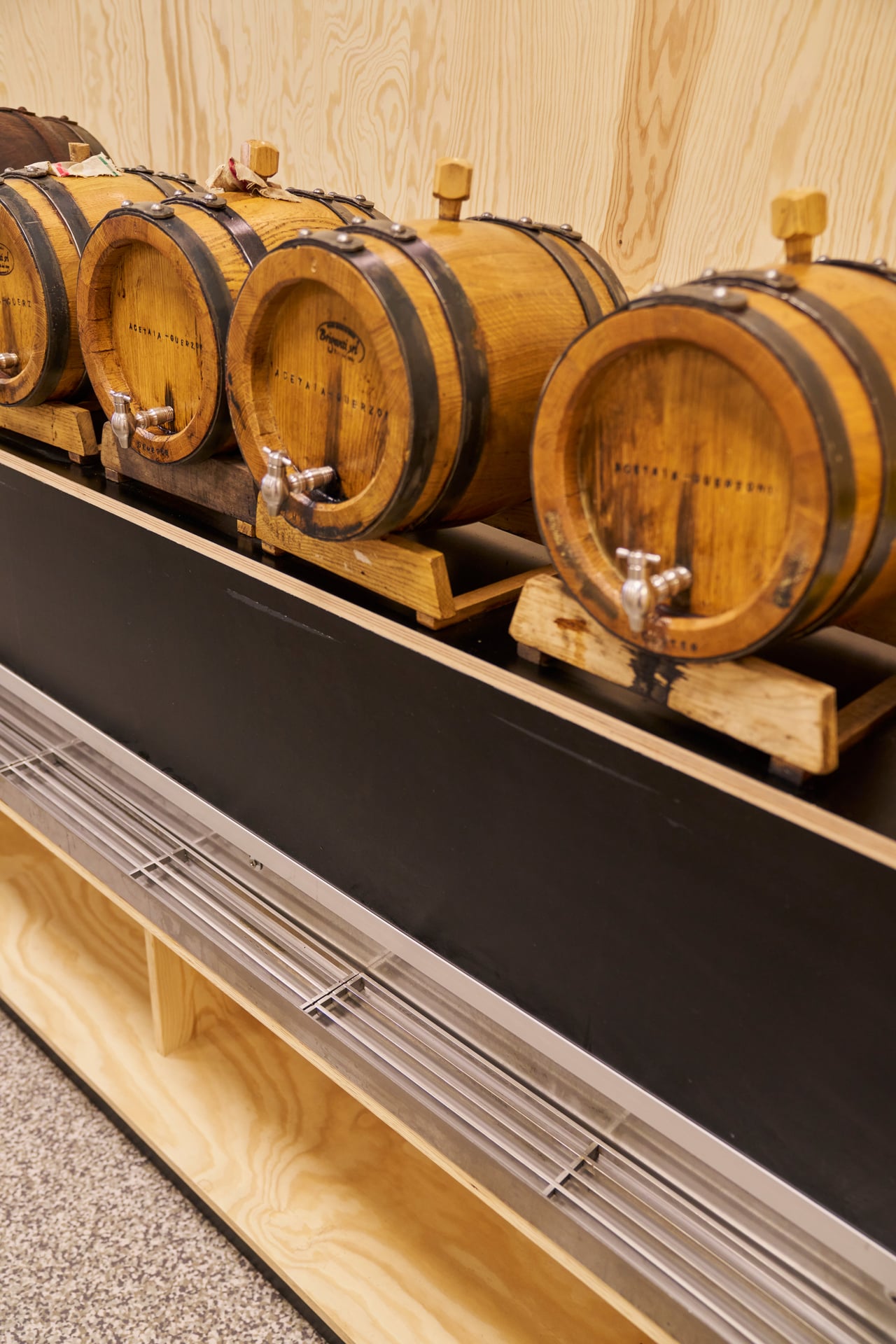
Studio Kimchi’s design approach balances editorial calm with operational precision. Refill stations are treated as the core destination, supported by ergonomic heights, generous working surfaces, and a consistent ‘system language’ that teaches customers the process without excessive signage. Material choices prioritize durability, cleanability, and long-life performance – supporting hygiene, trust, and a low-waste mindset beyond the products themselves.
According to Studio Kimchi, the core inspiration was to make sustainable shopping feel effortless and desirable, not like a personal ‘project’. A zero-waste bulk store only works long-term when the refill routine is intuitive, calm, and repeatable – so the experience had to be designed around removing friction while keeping quality and trust front and center. In short: the space is designed as a system that quietly guides behavior – so ‘less packaging’ becomes the natural outcome of a better shopping experience.
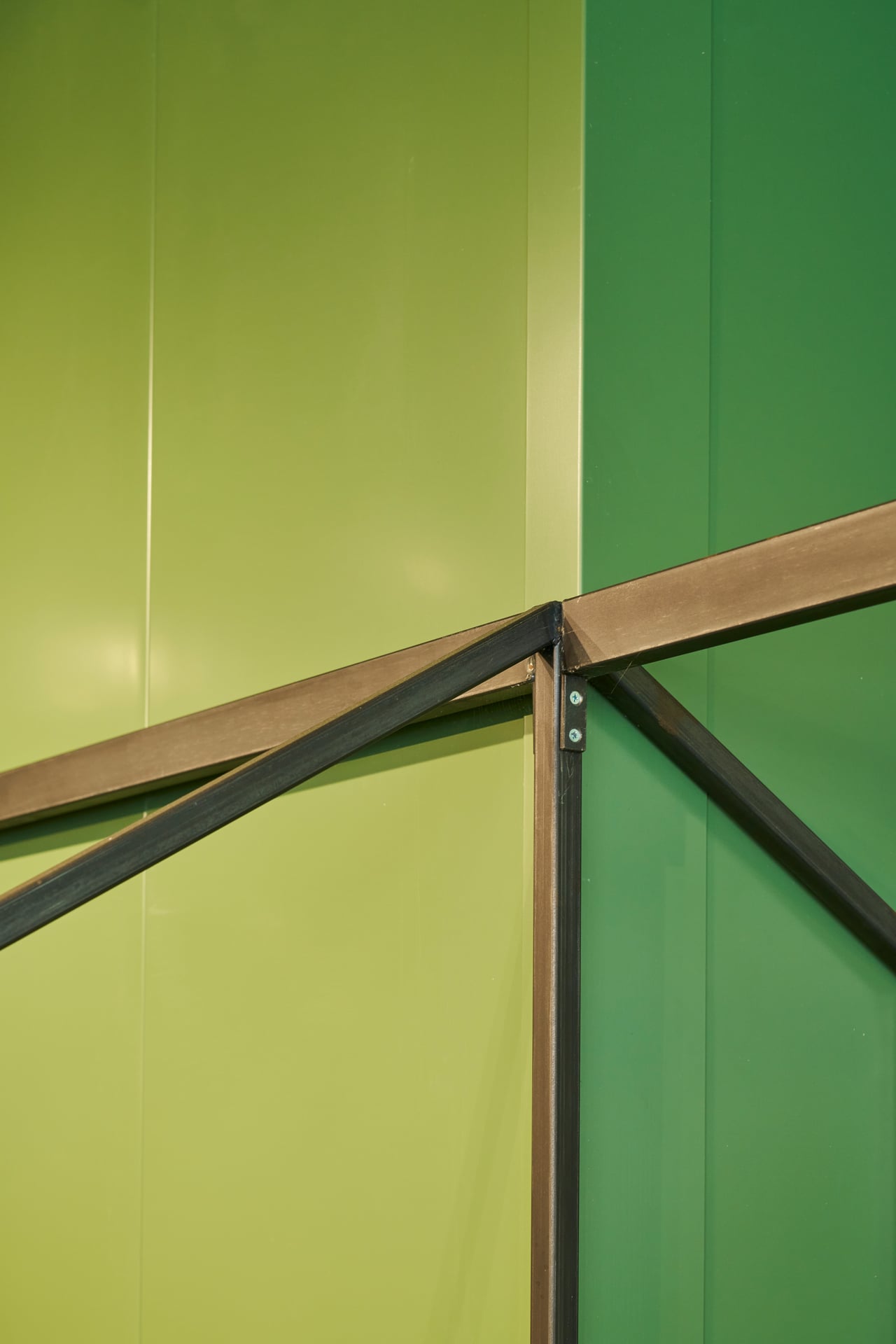
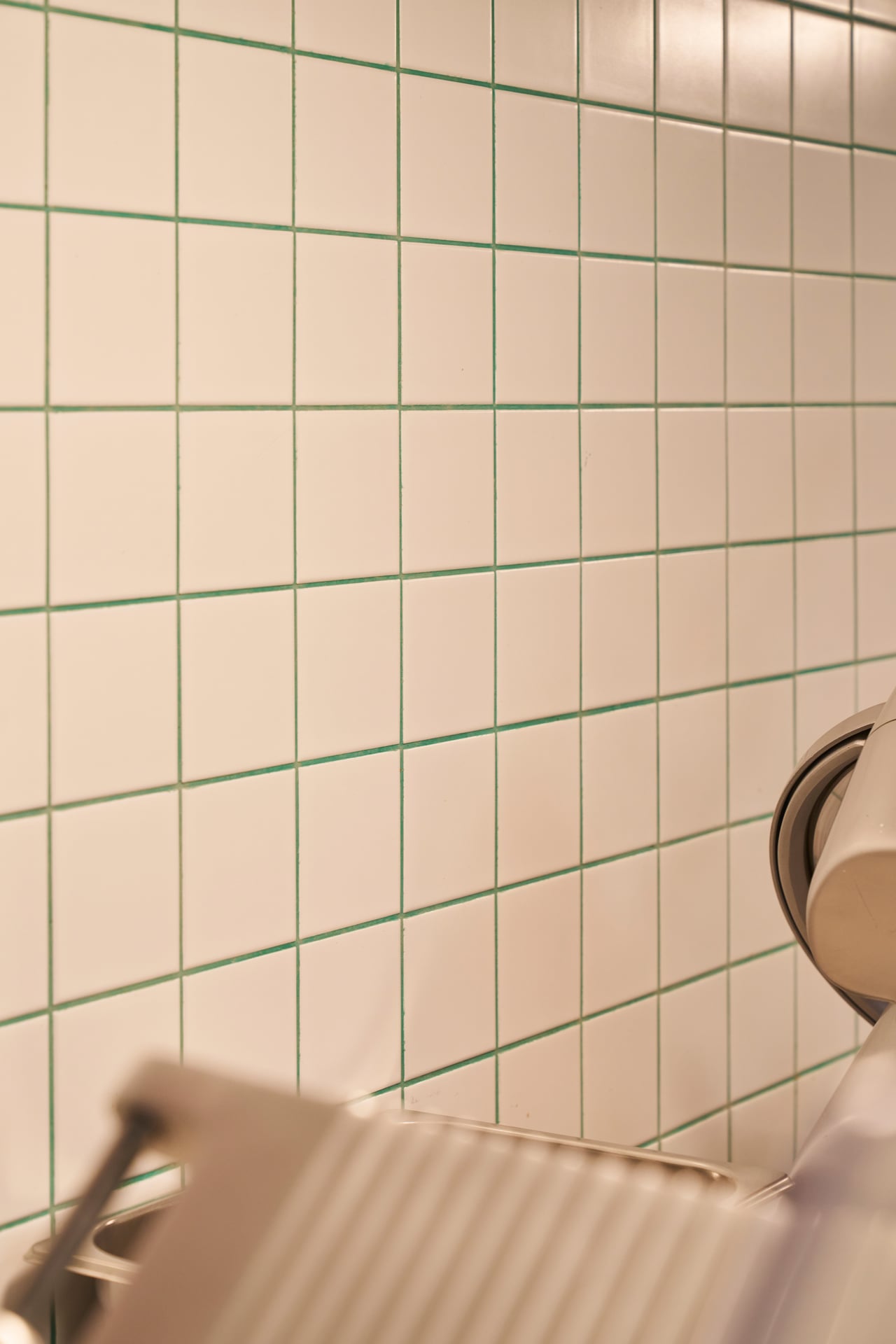
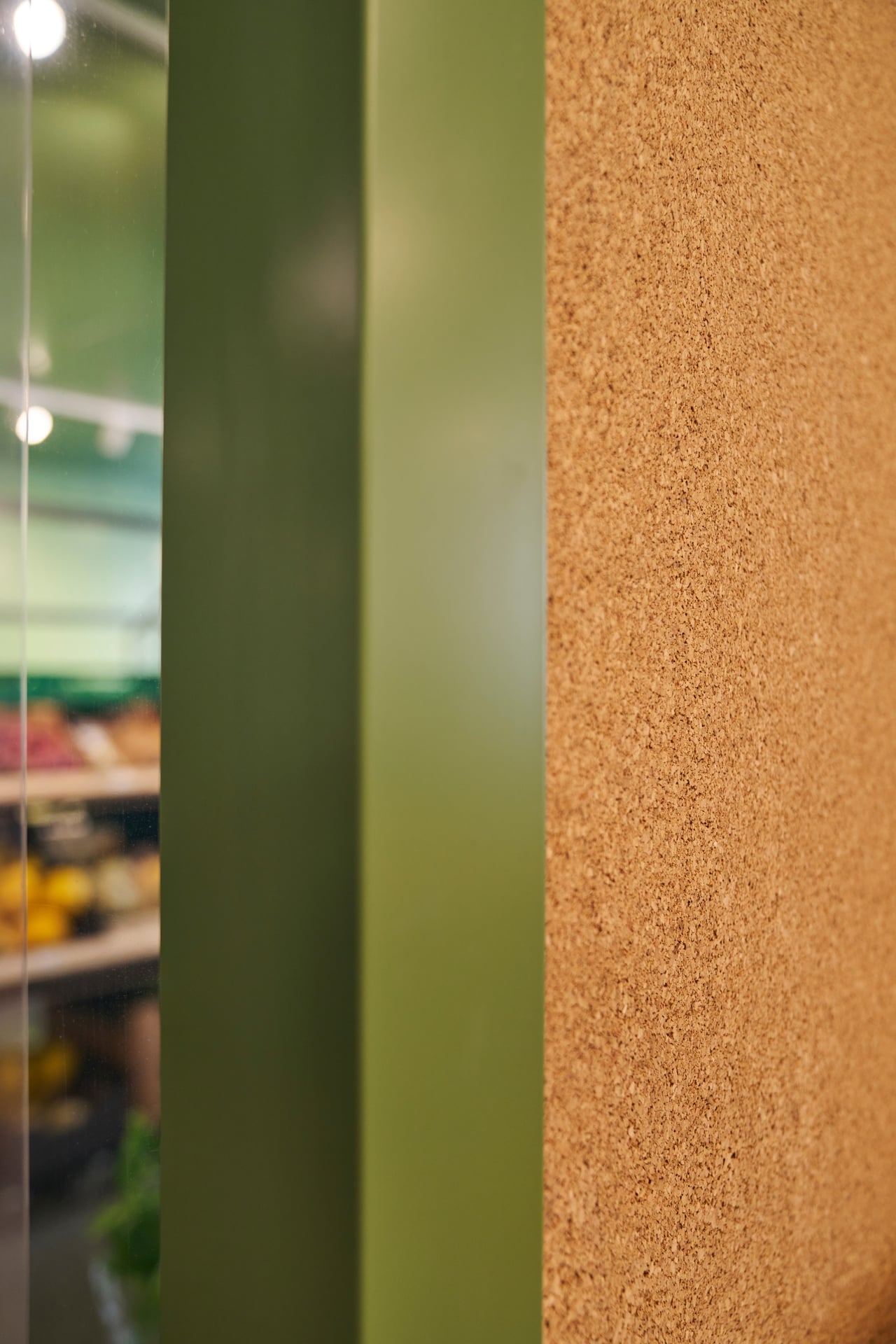
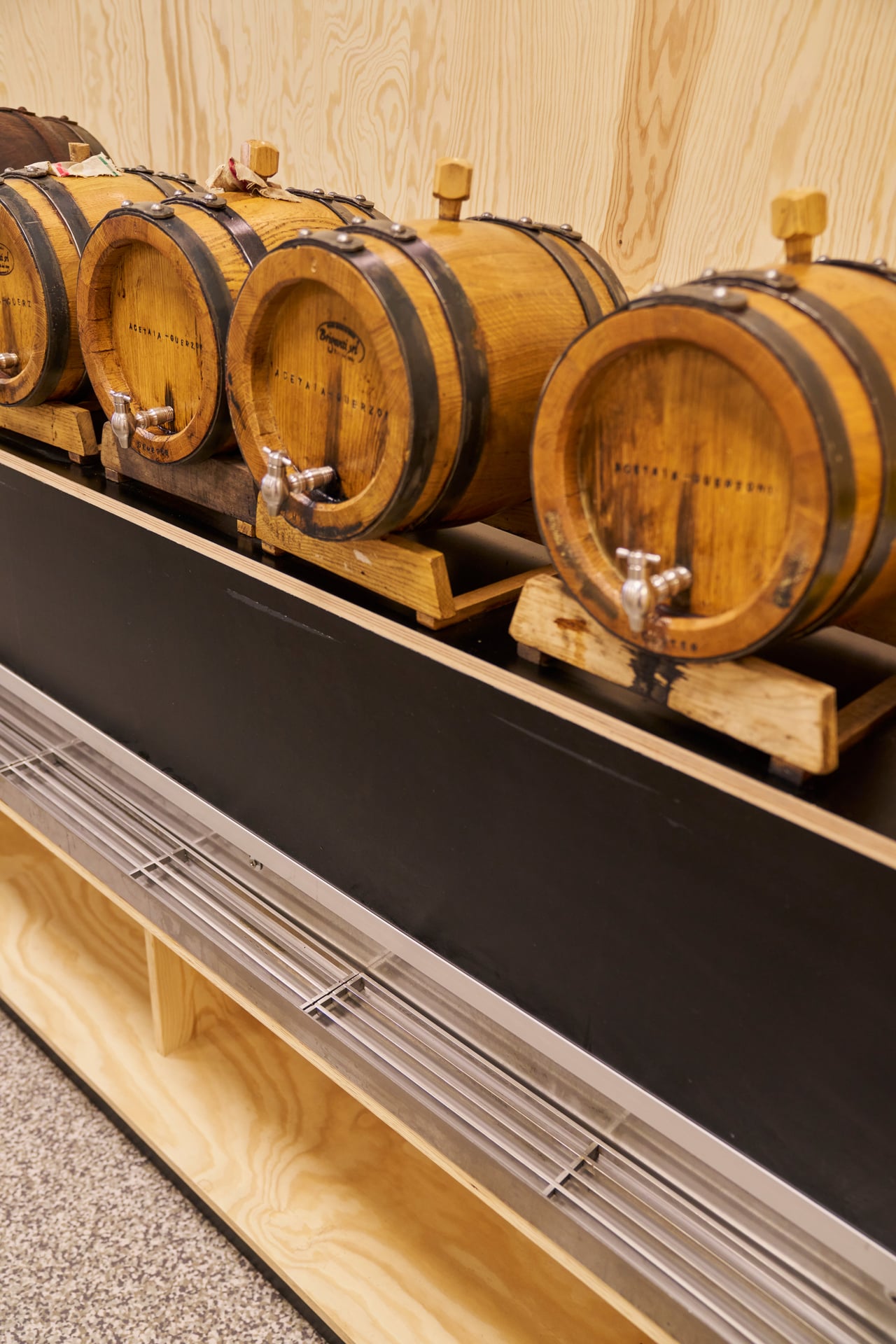
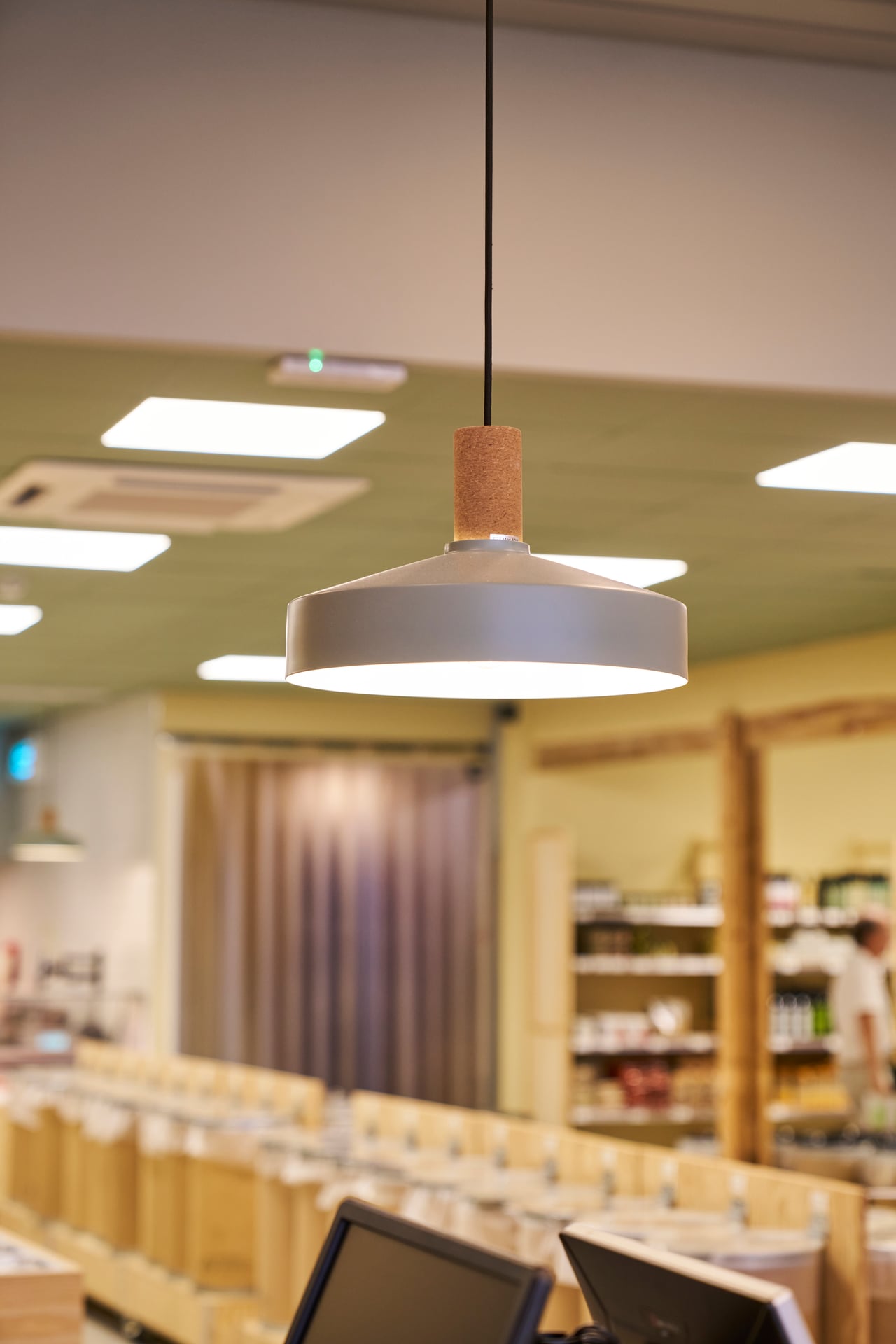
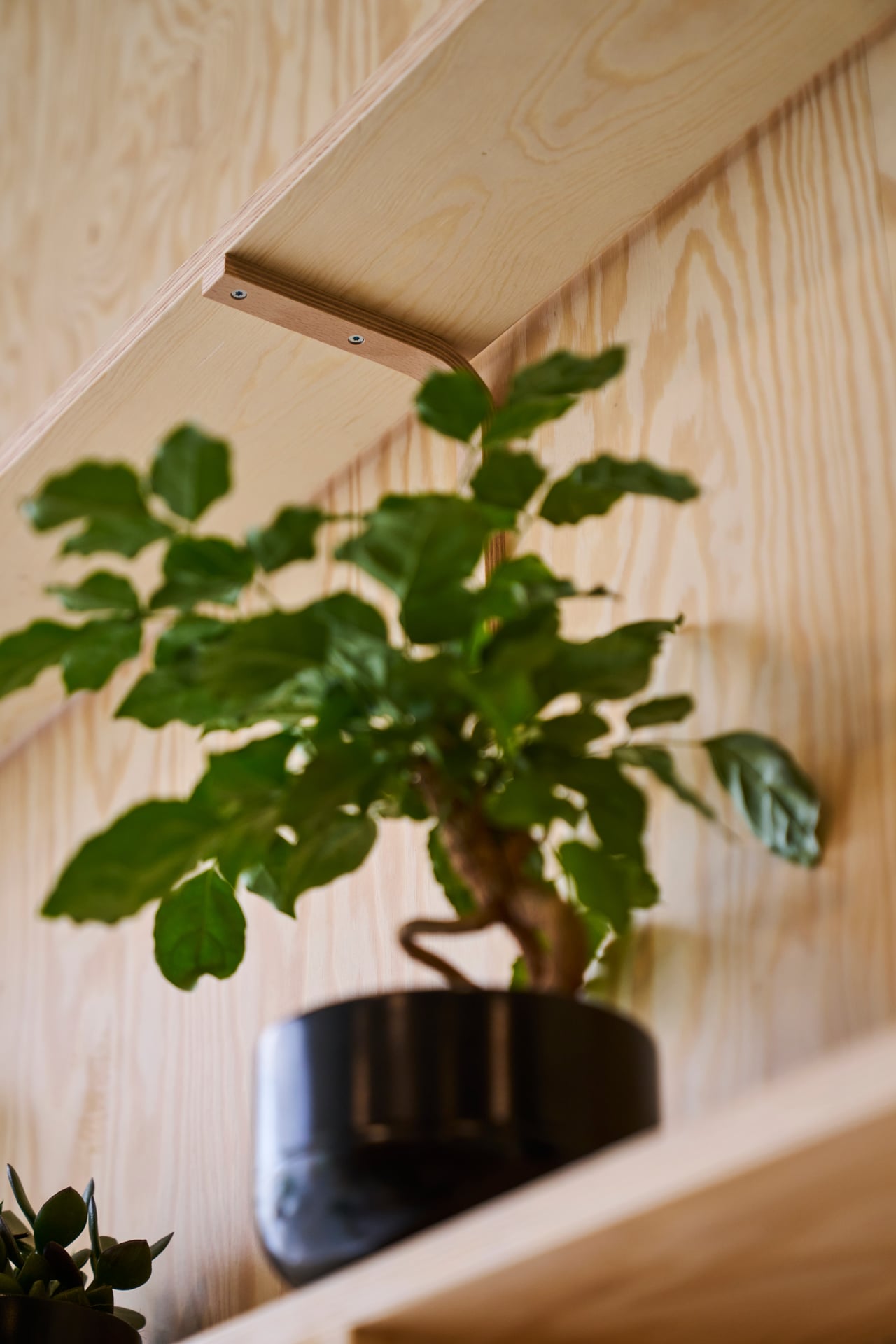
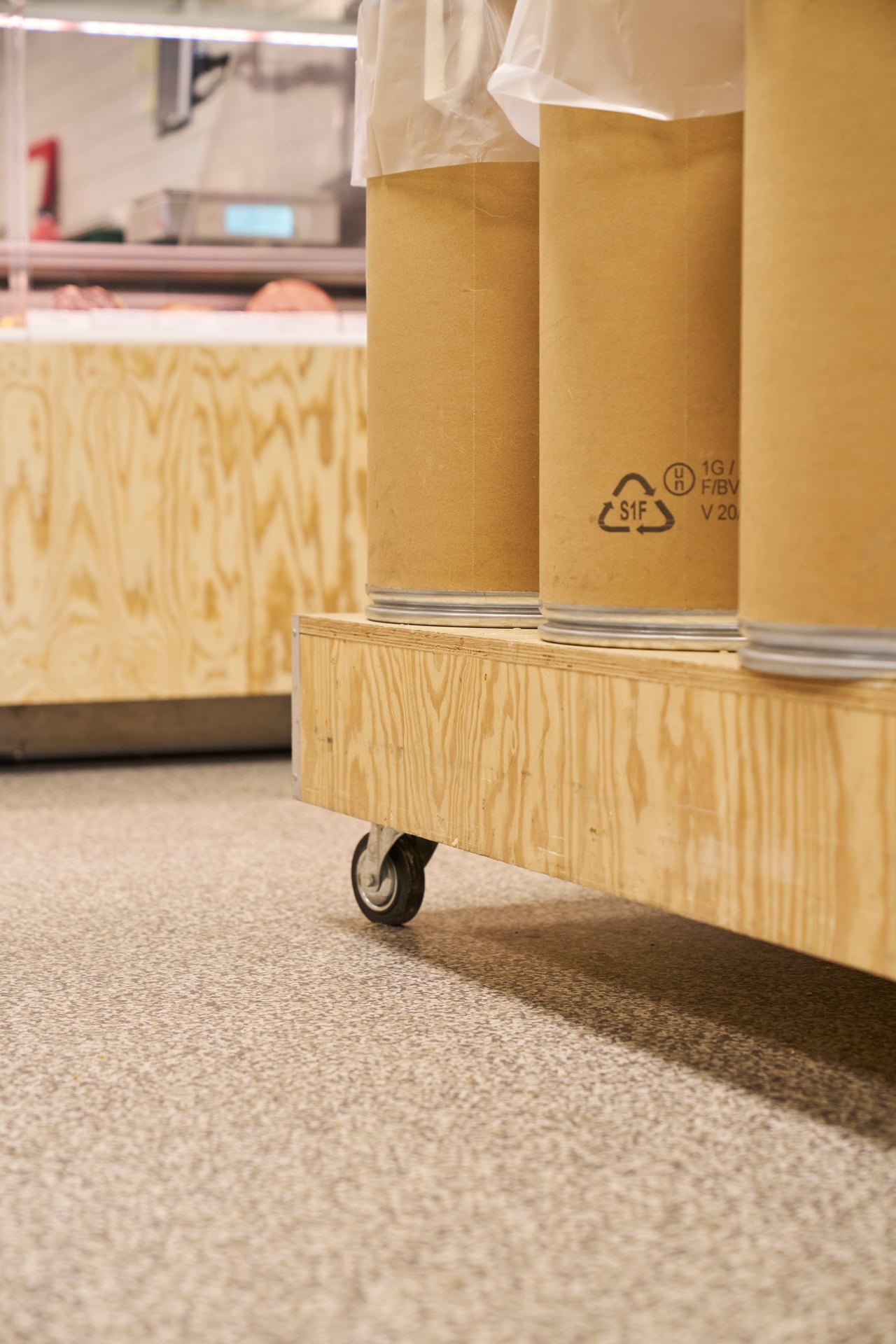
Materiality was selected to communicate natural quality and durability, while supporting a low-waste operation – durable, repairable finishes that age well (patina-friendly rather than disposable), extending the interior’s lifecycle; natural, tactile surfaces to create warmth and sensory calm – allowing products to be the ‘color’ and avoiding visual over-stimulation; modular / adaptable elements (especially in display and refill infrastructure) so the store can evolve without demolition waste; and low-maintenance, cleanable materials in high-touch refill zones to reinforce hygiene and make daily operations efficient.
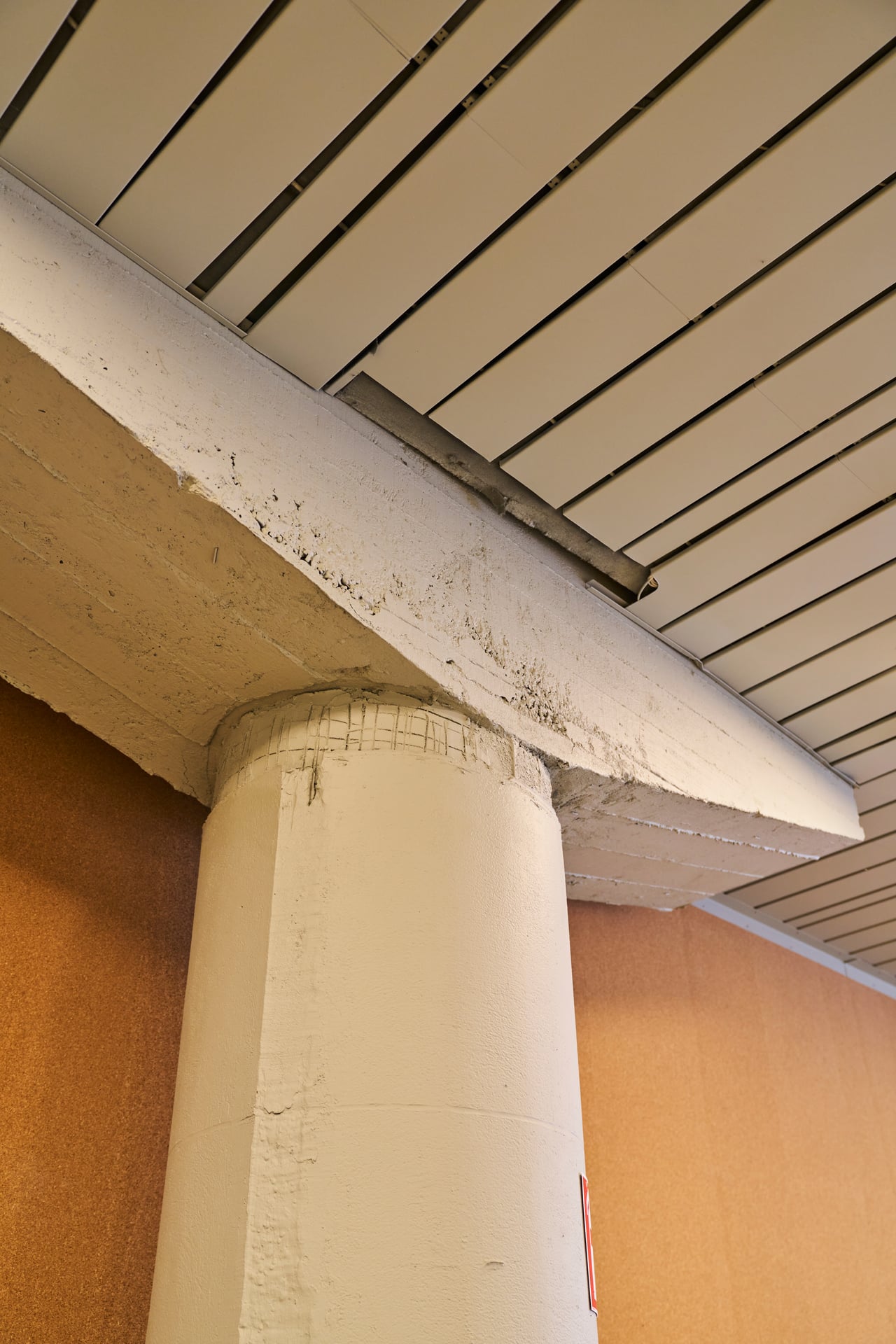
Given that Designed to Refill was a renovation, the biggest challenge was building a highly structured refill system inside an existing shell – with fixed constraints, legacy circulation, and technical realities that don’t always match the ideal retail flow. Bulk retail is unforgiving: if sightlines, spacing, or ergonomics are off, the experience instantly feels confusing or messy. So the design work was about bringing clarity and calm into a space that wasn’t originally planned for refill-first shopping.
Studio Kimchi approached the renovation with solutions that were both operational and sustainable. The store was reorganized into clear zones and a frictionless sequence, while keeping circulation efficient for staff and customers. The studio prioritized durable, repairable finishes and modular elements – especially in refill infrastructure and displays – so the store can evolve without constant demolition or waste. Ultimately, the renovation wasn’t just an aesthetic upgrade – it was a functional transformation: turning an existing space into a modern, refill-centric system designed to make sustainable consumption feel effortless.