Project is proof that a high-rise could be built from timber and waste without compromising safety, performance, or economy
April 10, 2026
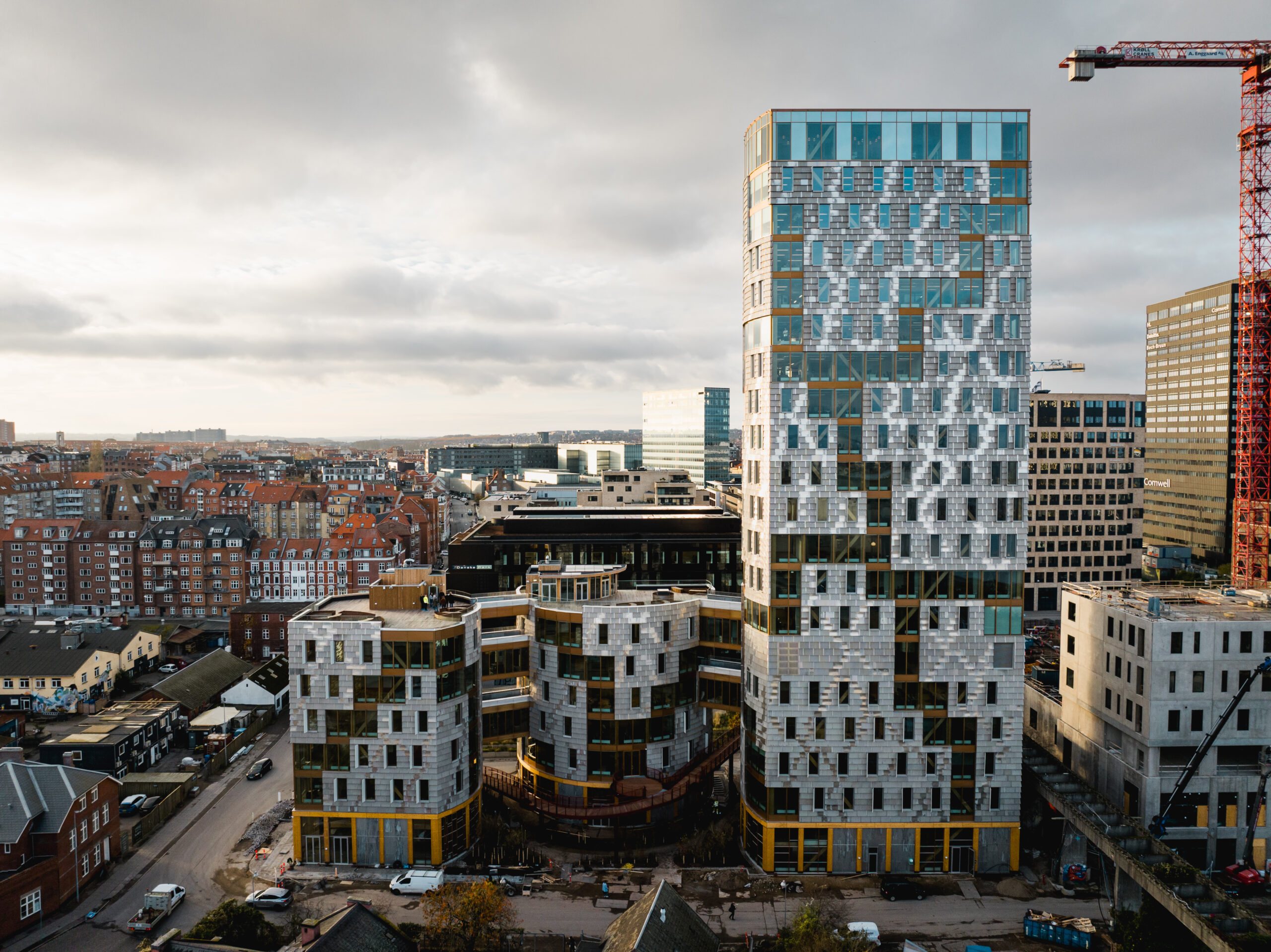
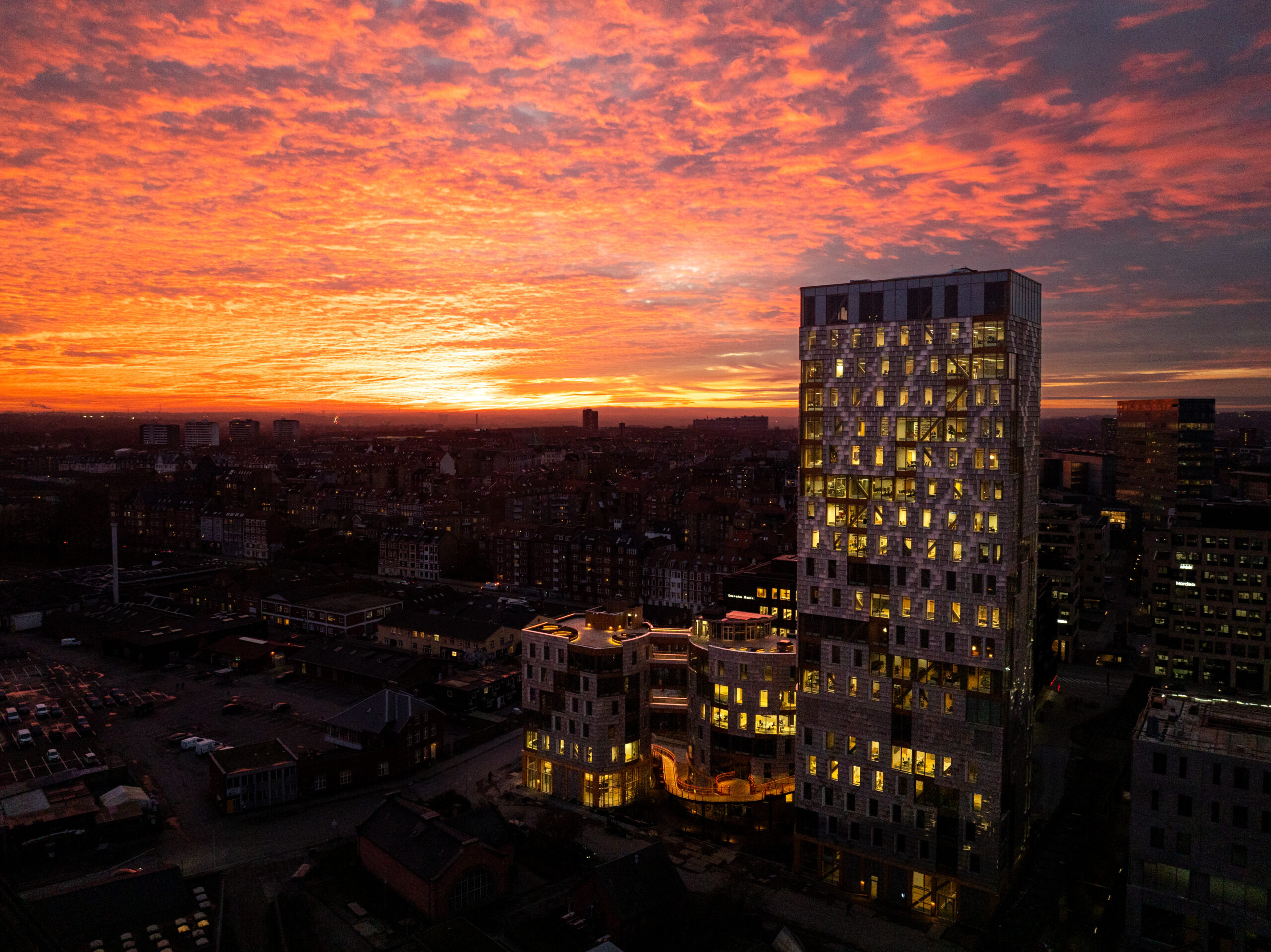
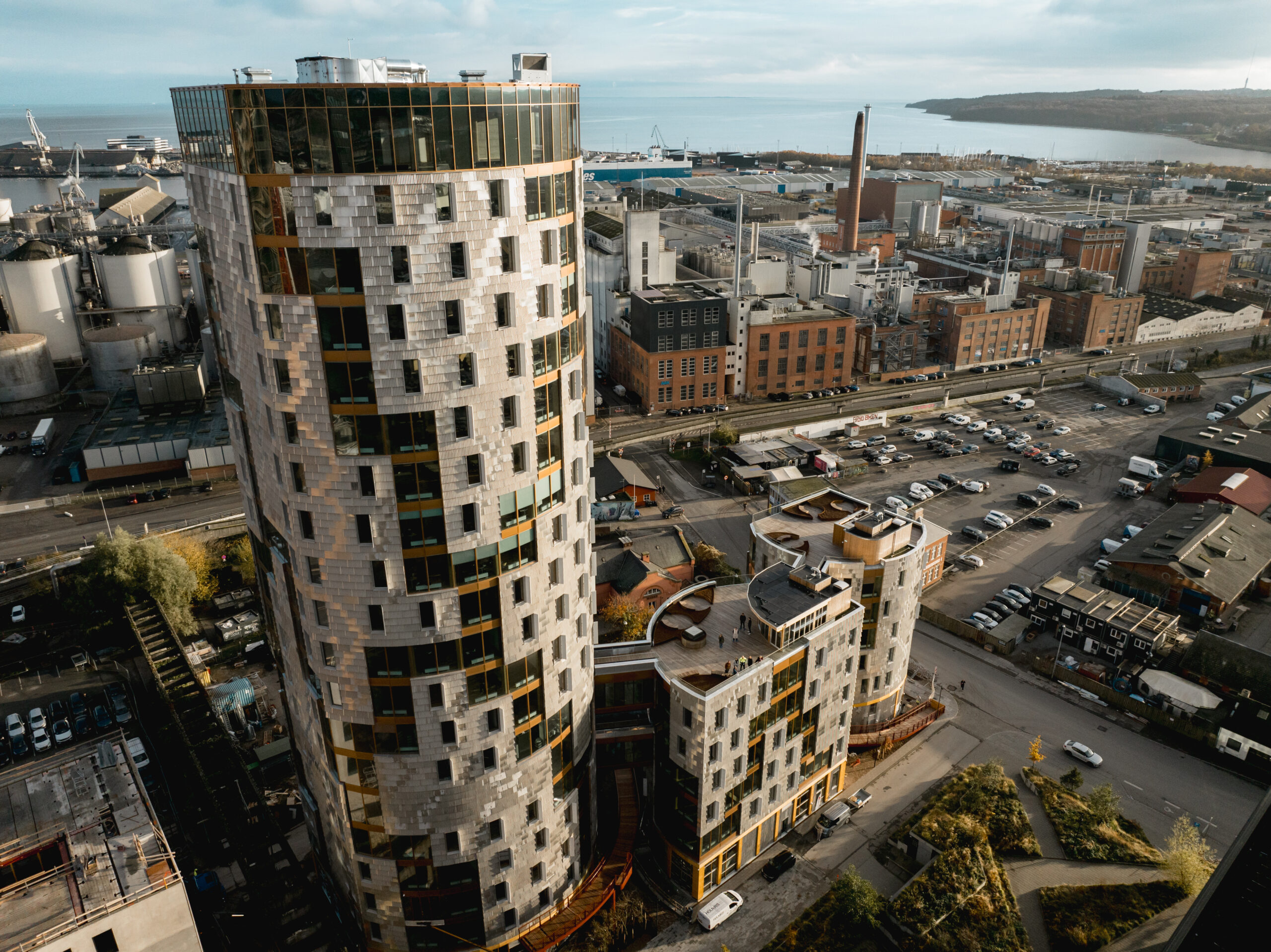
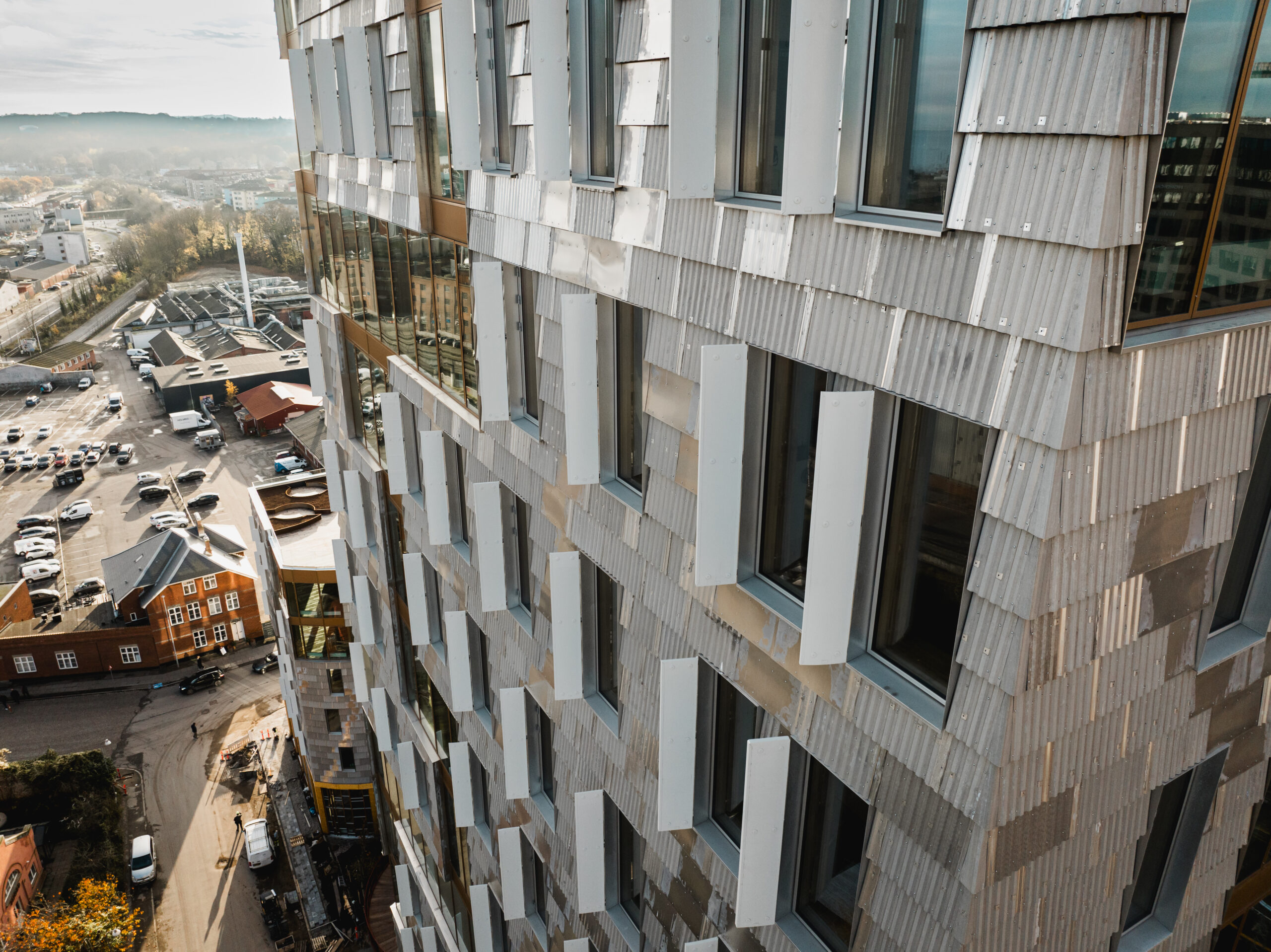
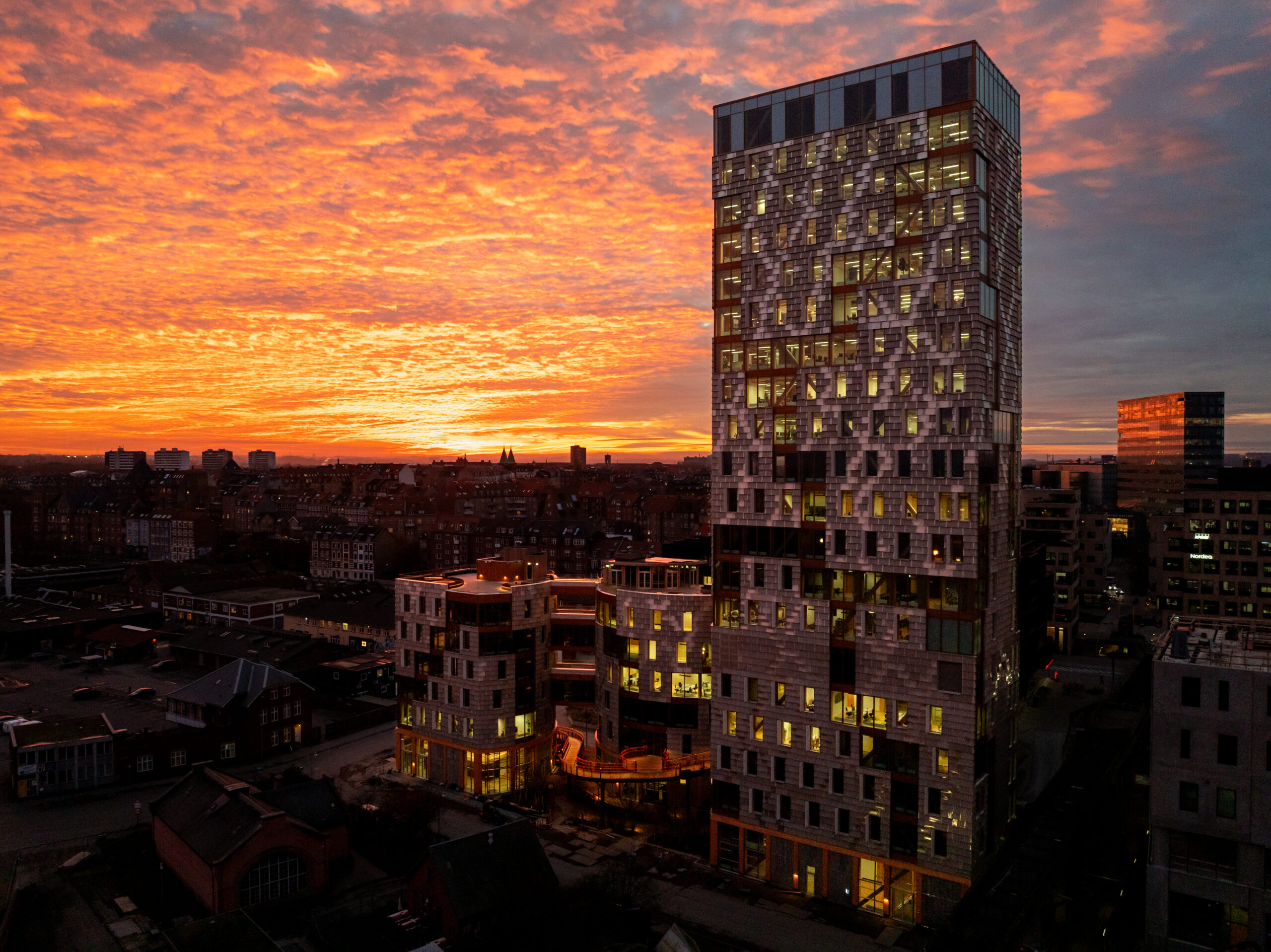
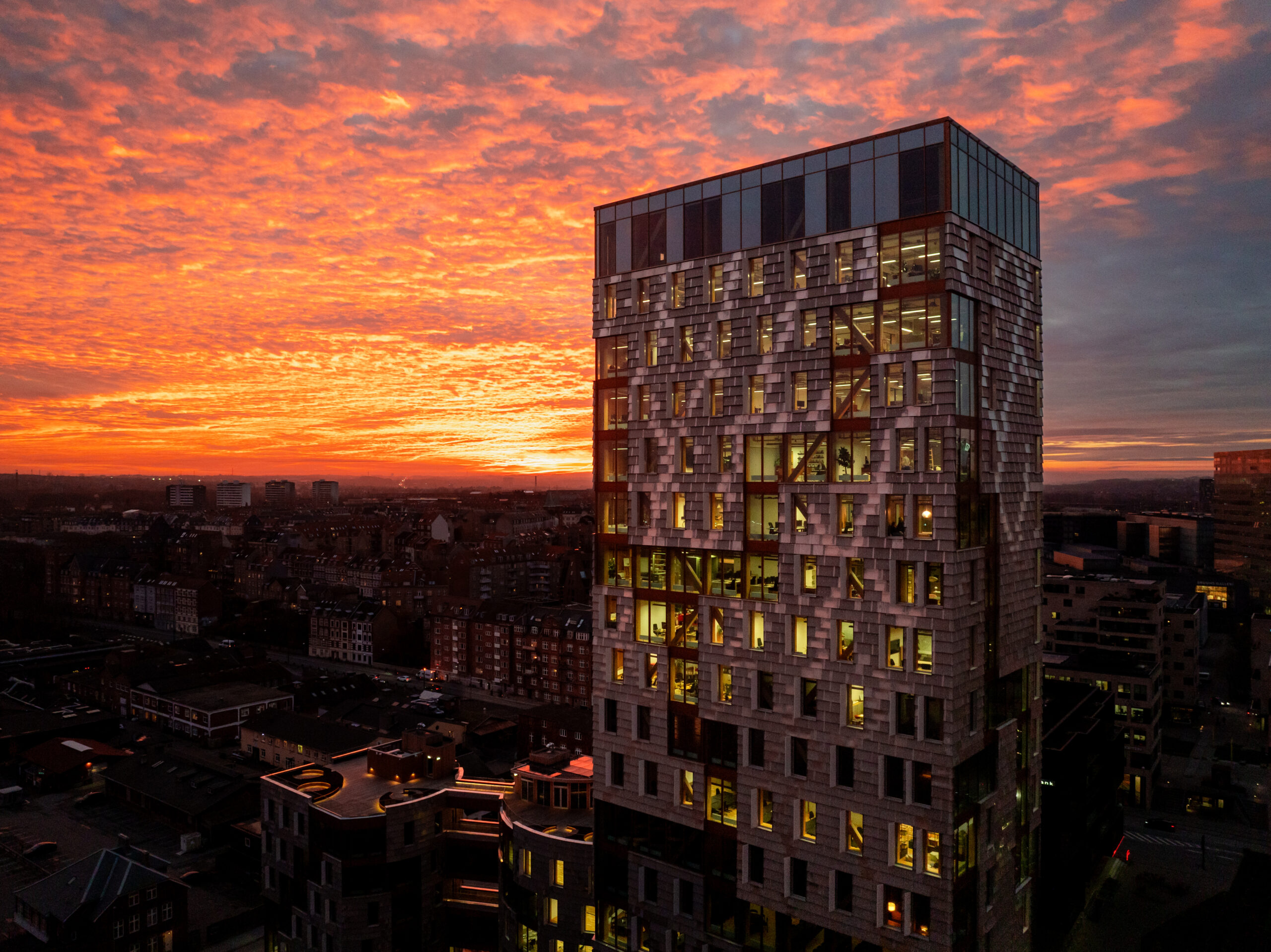
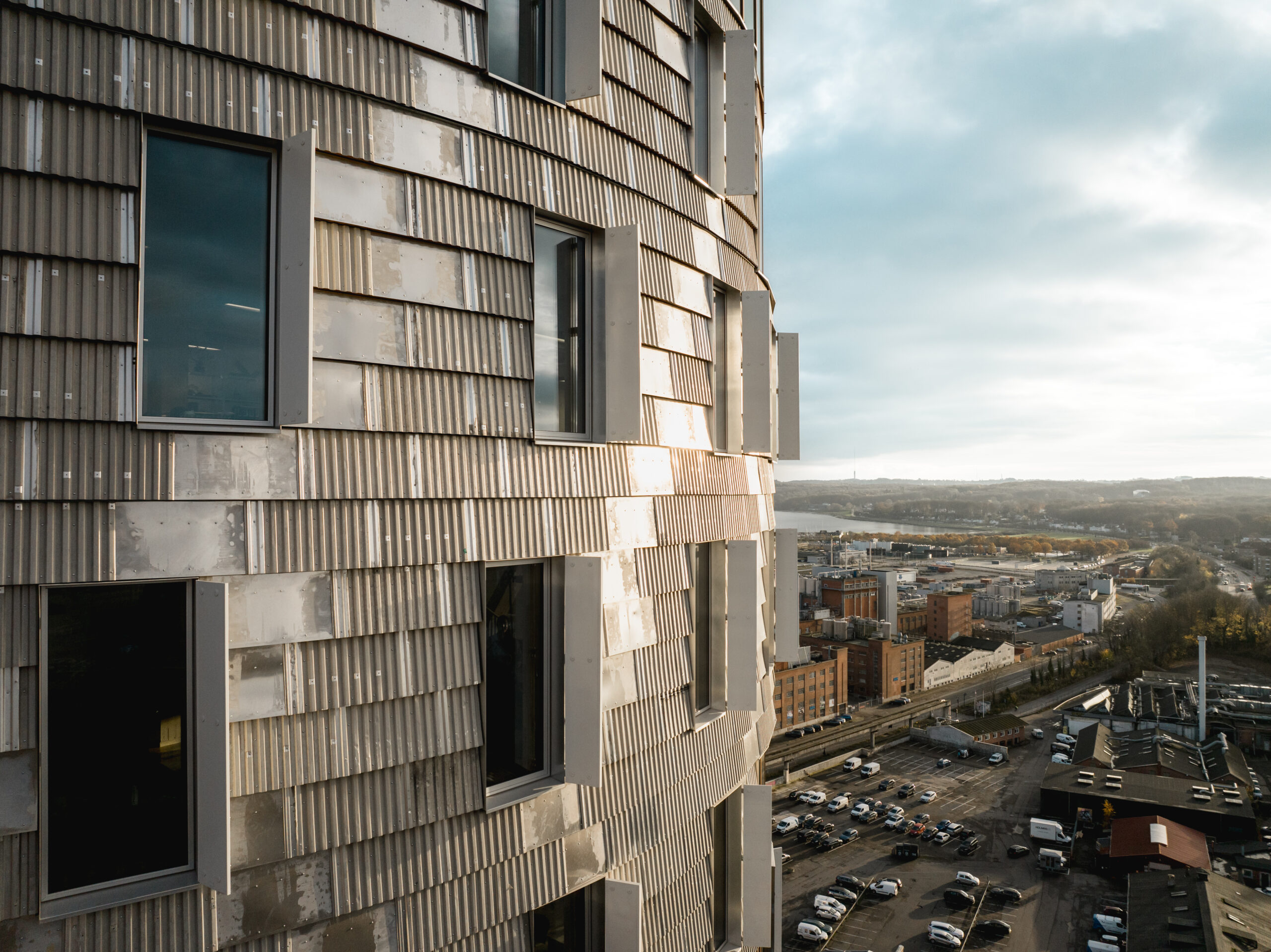
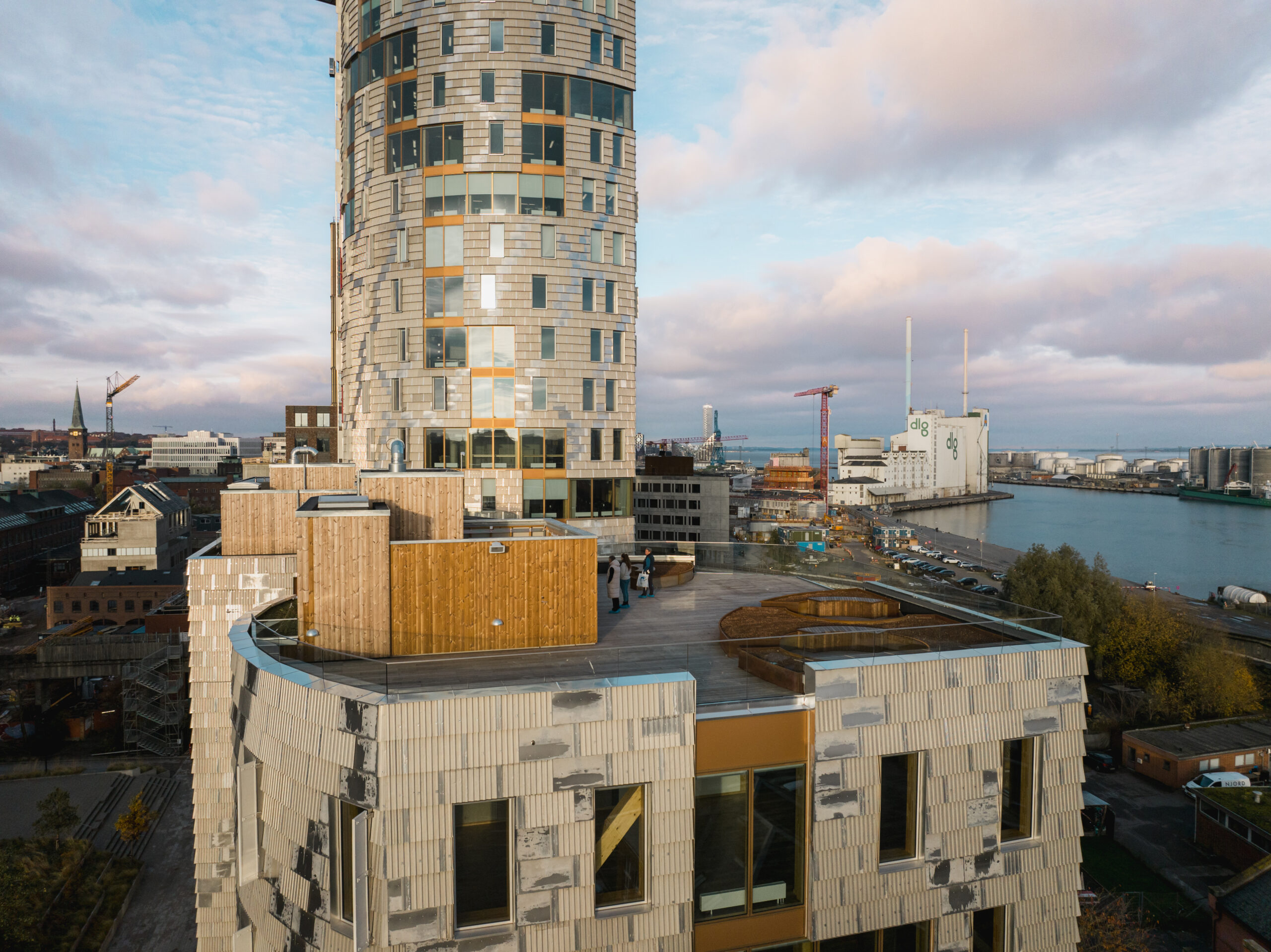
The world’s first upcycled timber high-rise and Denmark’s tallest timber tower, TRÆ, is a 78-meter beacon of circular construction, showing that large-scale architecture can combine reused materials, biogenic resources, refined aesthetics and high performance without compromise. Designed by Lendager and acknowledged as the tallest timber structure in Denmark, the project pushes the boundaries of sustainability for high-rises. Apart from the load bearing timber construction, the building design is based on wide-scale implementation of reused building materials, including upcycled windows, upcycled wood in the fit-out and reused locally sourced façade materials.
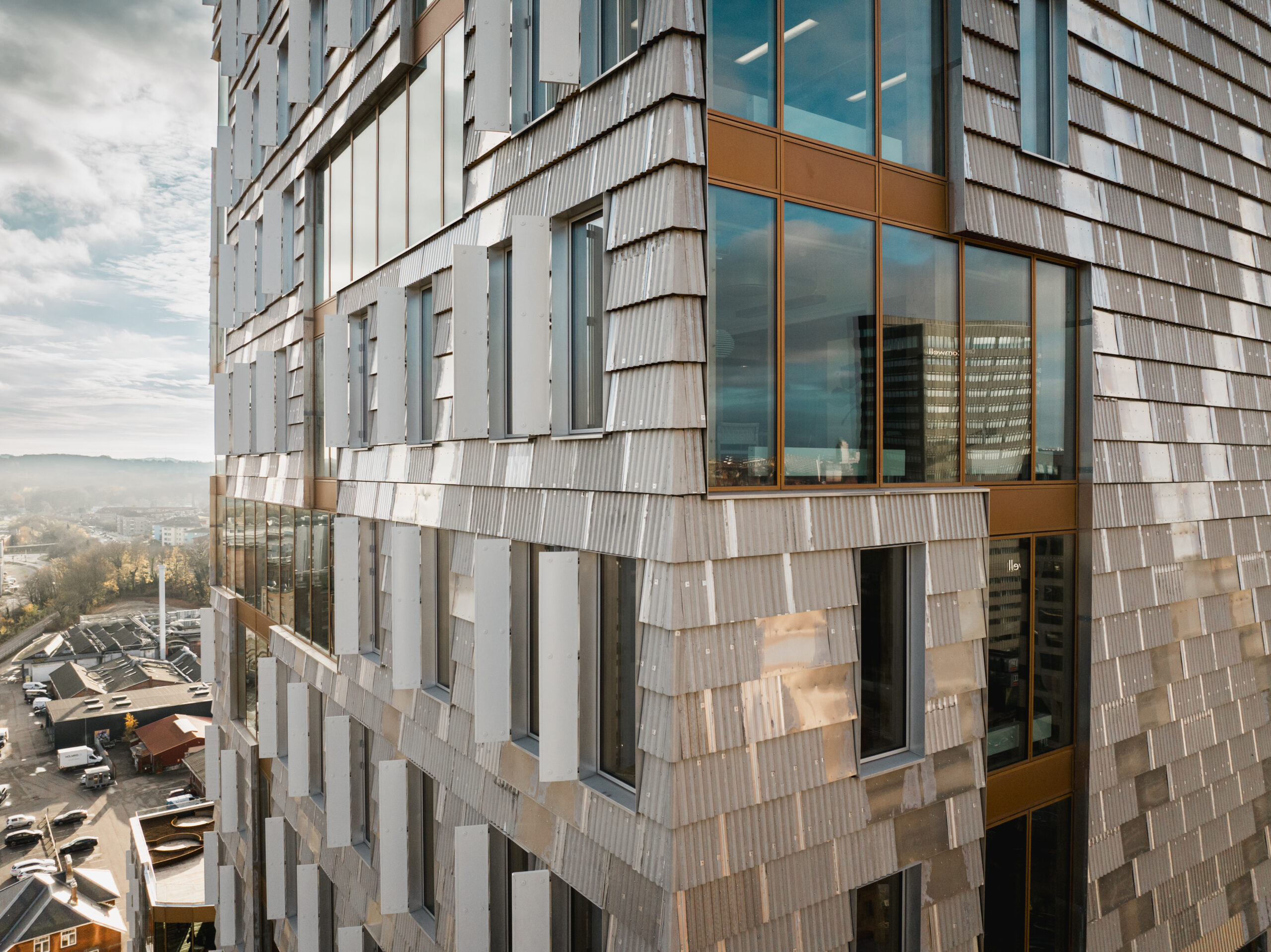
Conceived as a radical experiment, the project set out to prove that a high-rise could be built from timber and waste without compromising safety, performance, or economy. With no local precedents for timber towers, the team faced stringent fire and robustness requirements, saline sea air, explosion safety zones, and air pollution from a nearby power plant. The ambition to integrate as many reused materials as possible added further complexity, demanding new technical standards and regulatory pathways. Intensive collaboration between architects, engineers, contractors, and municipal authorities was essential, alongside iterative innovation processes and full-scale fire tests for unconventional components such as wind turbine blades repurposed as solar shading.
TRÆ is a landmark commercial building that shows how radical approaches to sustainability can be translated into a high-value projects that not only stands as a strong statement, but also integrates generously into the urban fabric. A holistic approach to sustainability including a strong focus on implementation of mental and physical health-oriented design has resulted in a project specific sustainability scheme that goes beyond the scope of usual certification systems. This ties into the clients’ ambition to attract users that want to position themselves in a future-oriented office space that supports their own journey towards greater sustainability.
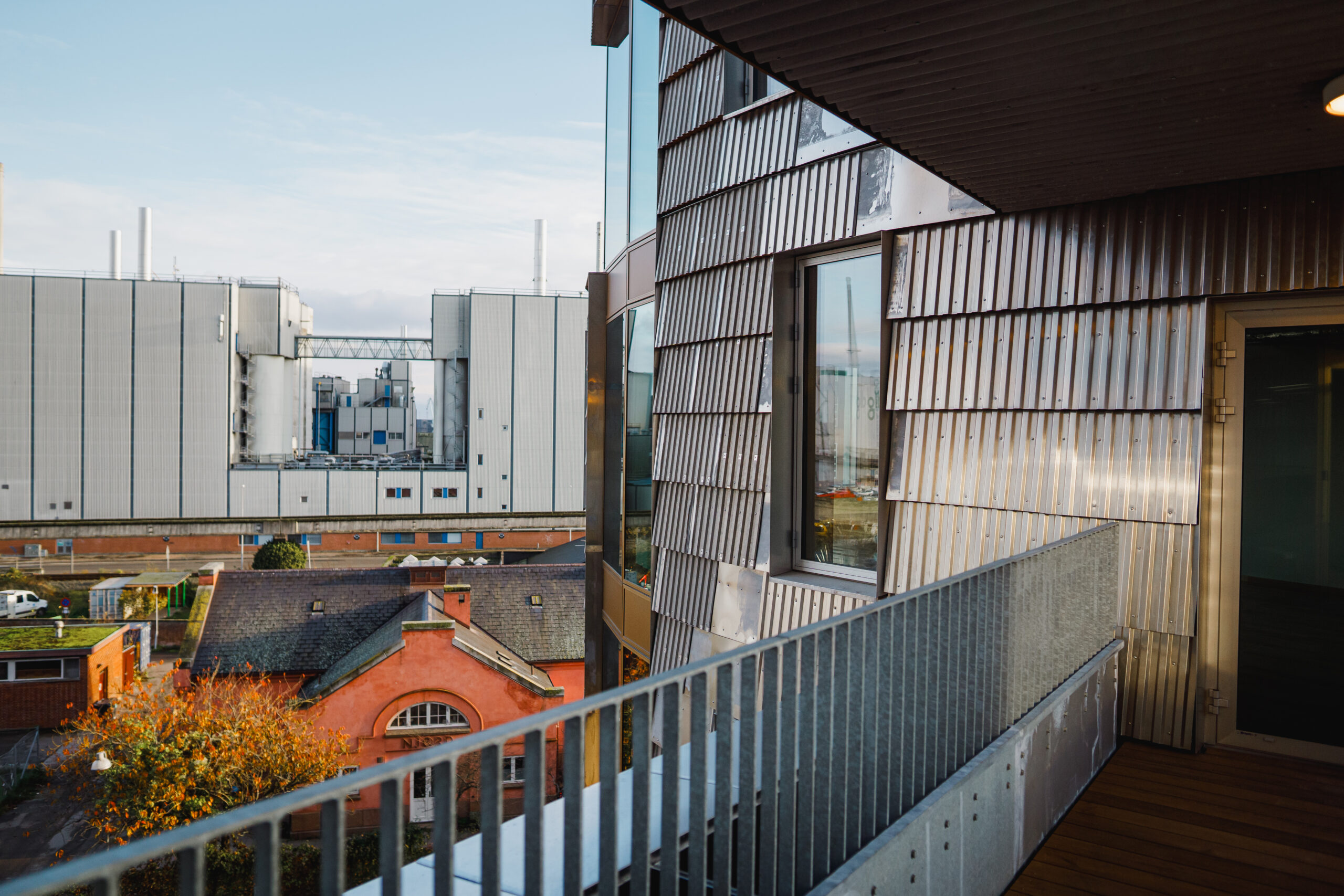
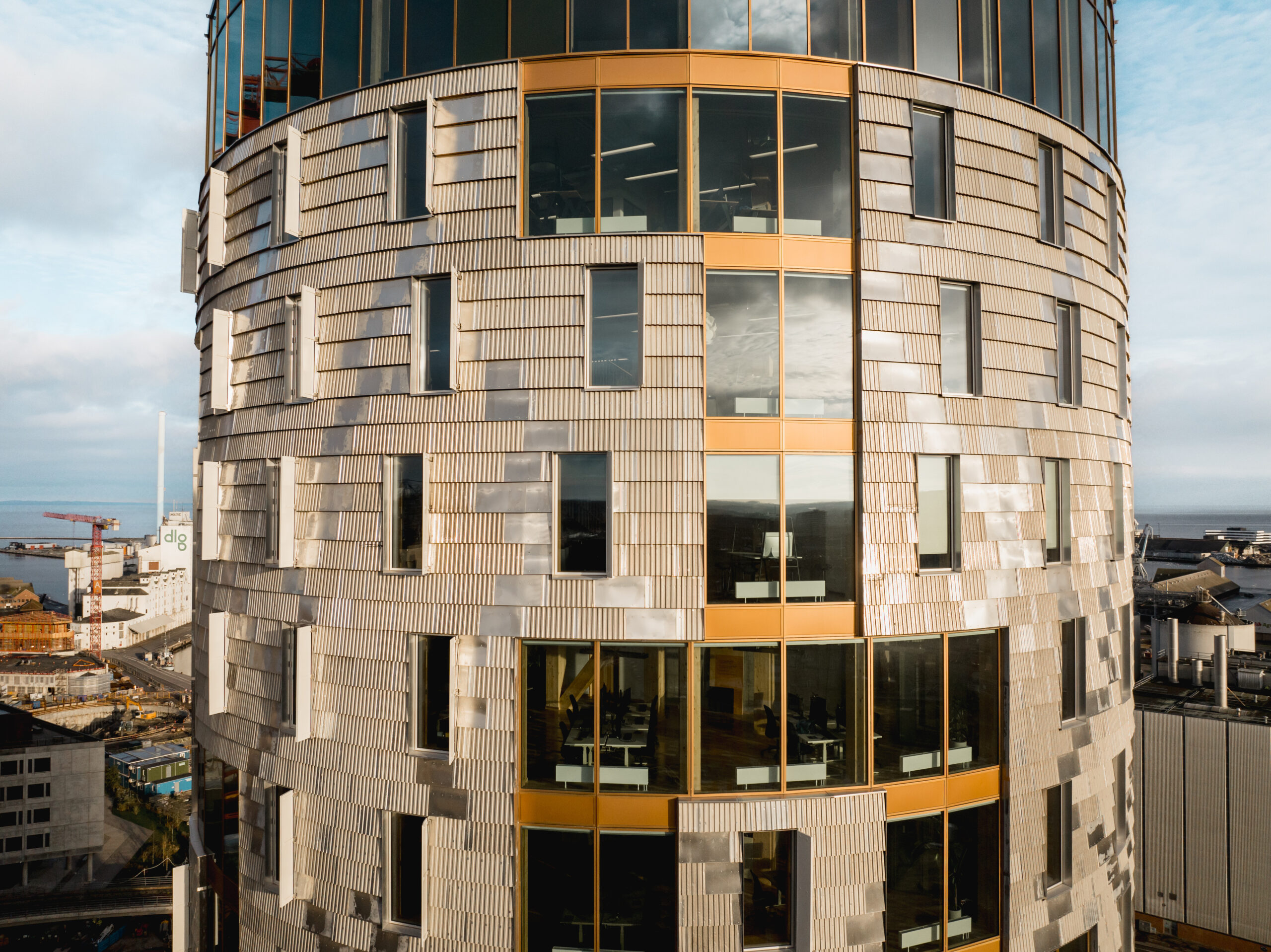
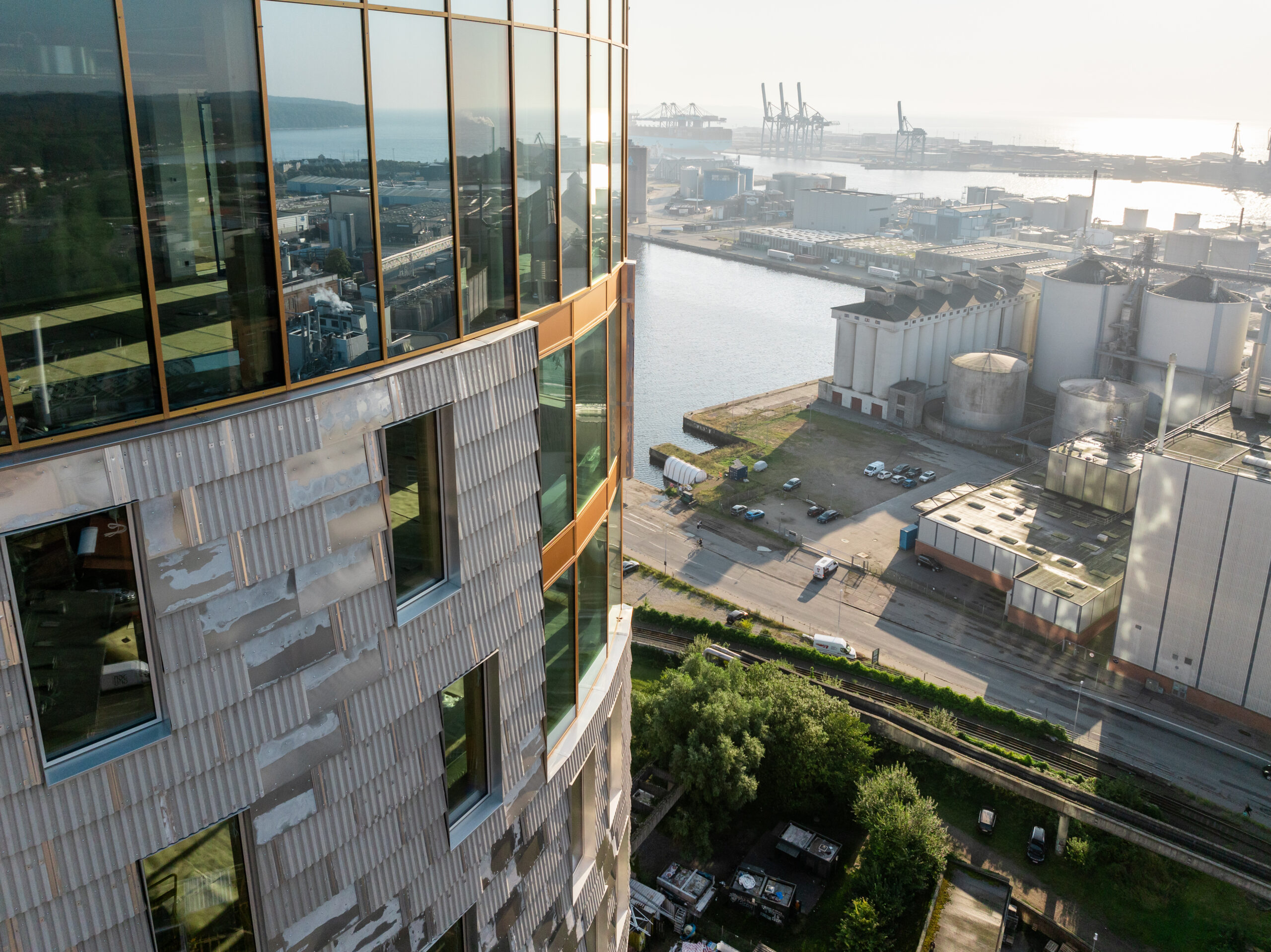
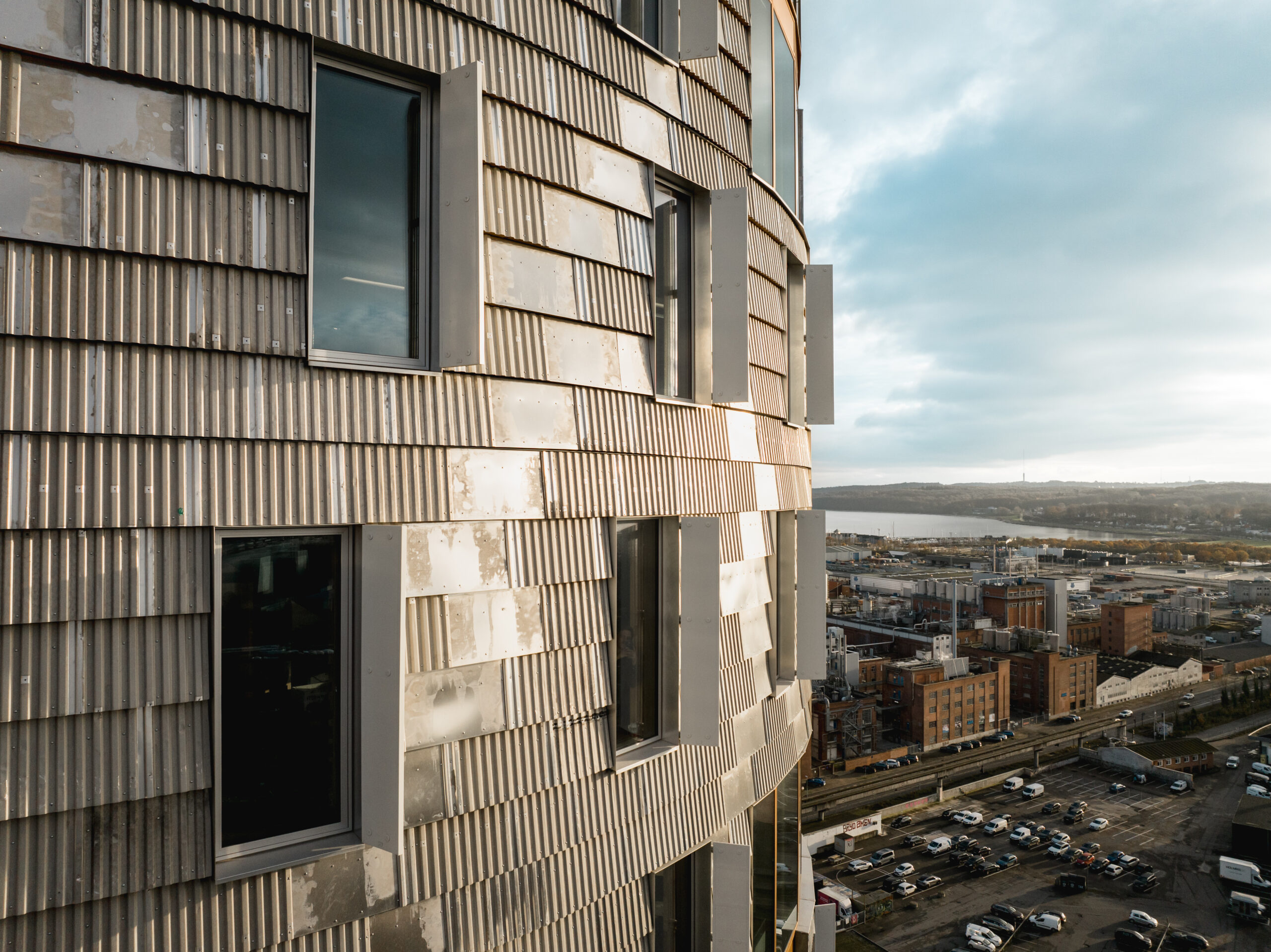
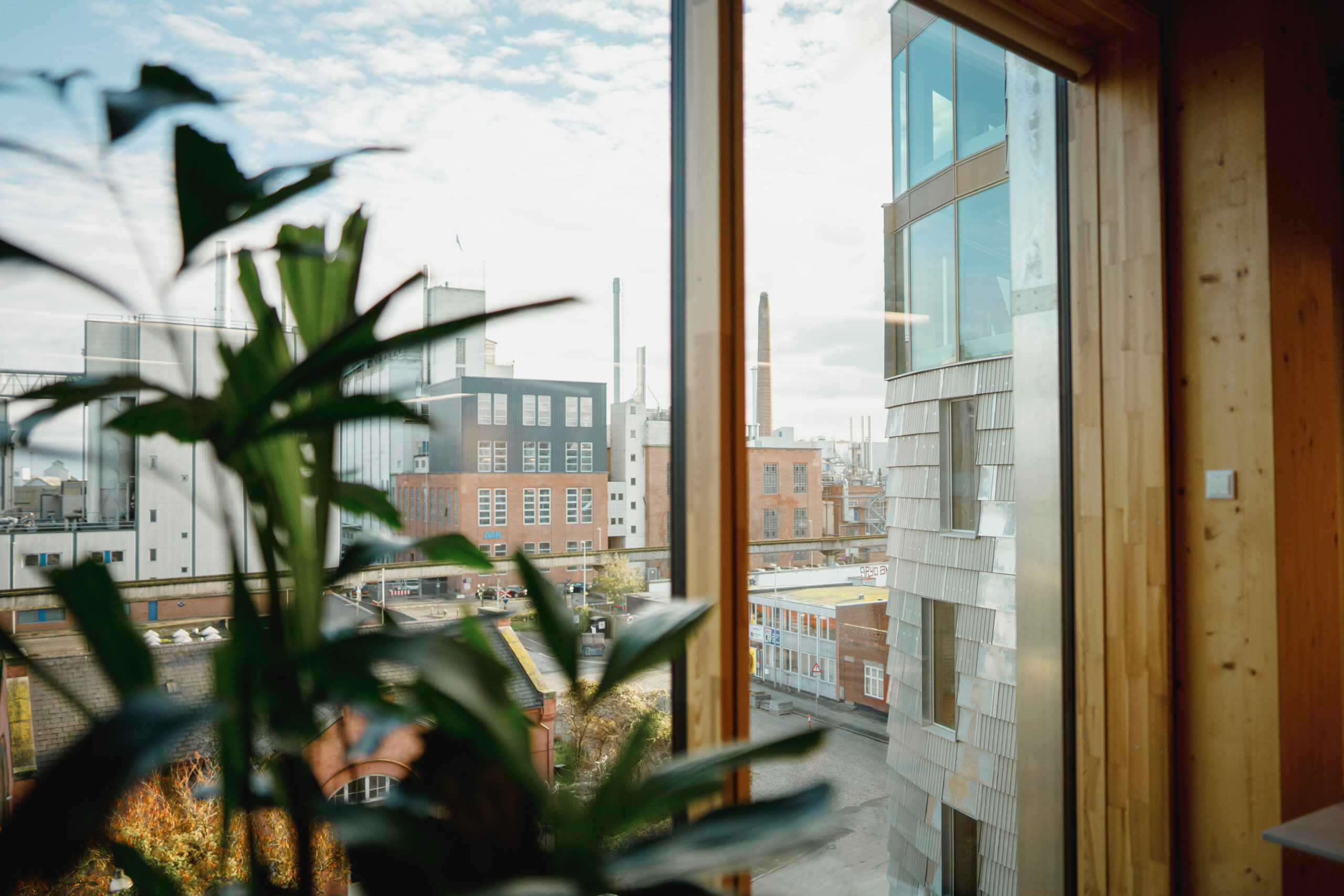
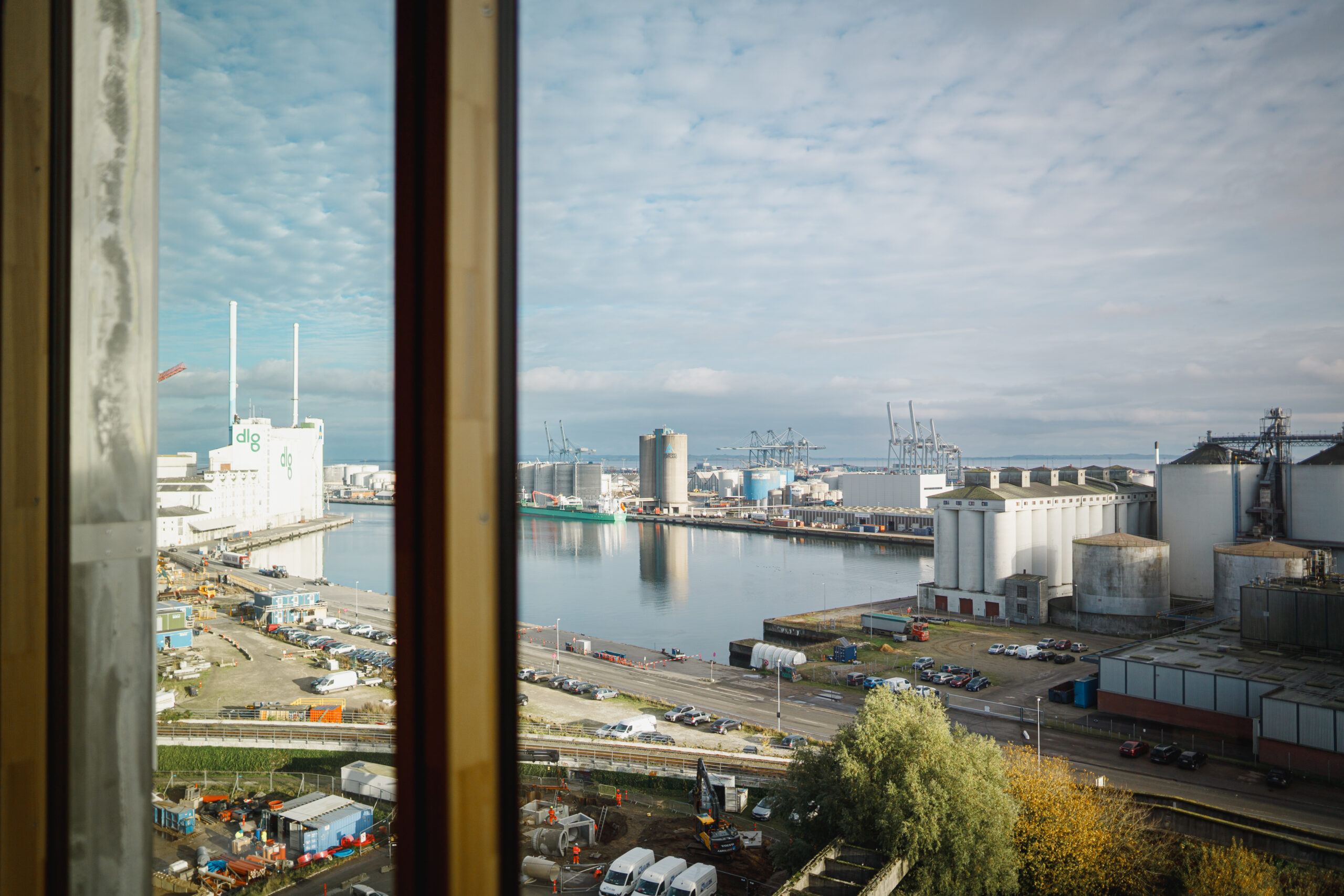
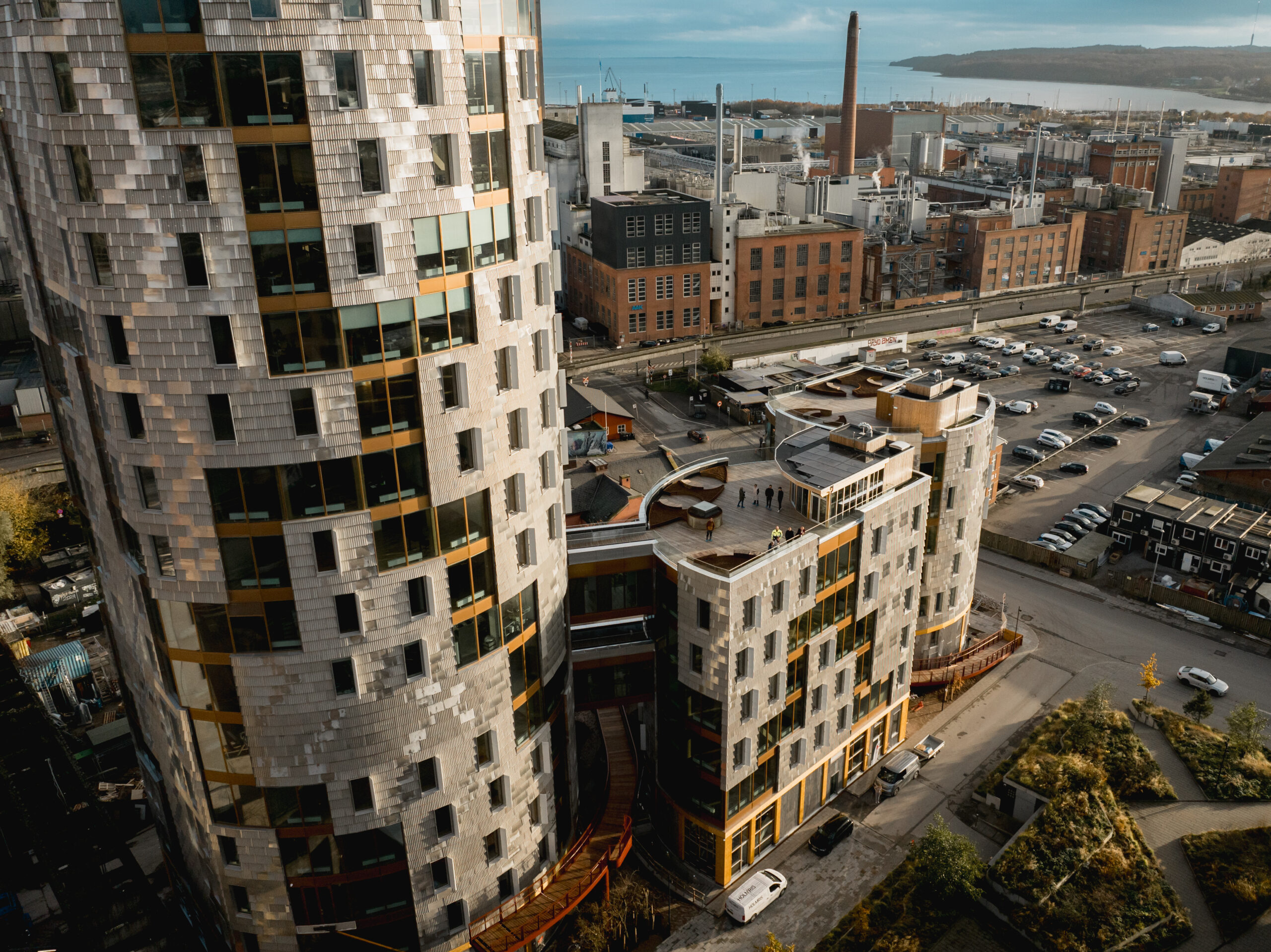
Beyond its environmental performance, TRÆ contributes to the cultural and social fabric of Aarhus. It transforms a former industrial harbor into a vibrant urban setting, offering tactile façades that shimmer with salvaged aluminum and public spaces that invite interaction. The building is more than a workplace; it is a statement of possibility. By turning waste into architectural value and reducing carbon at scale, it signals a new paradigm for architecture worldwide.
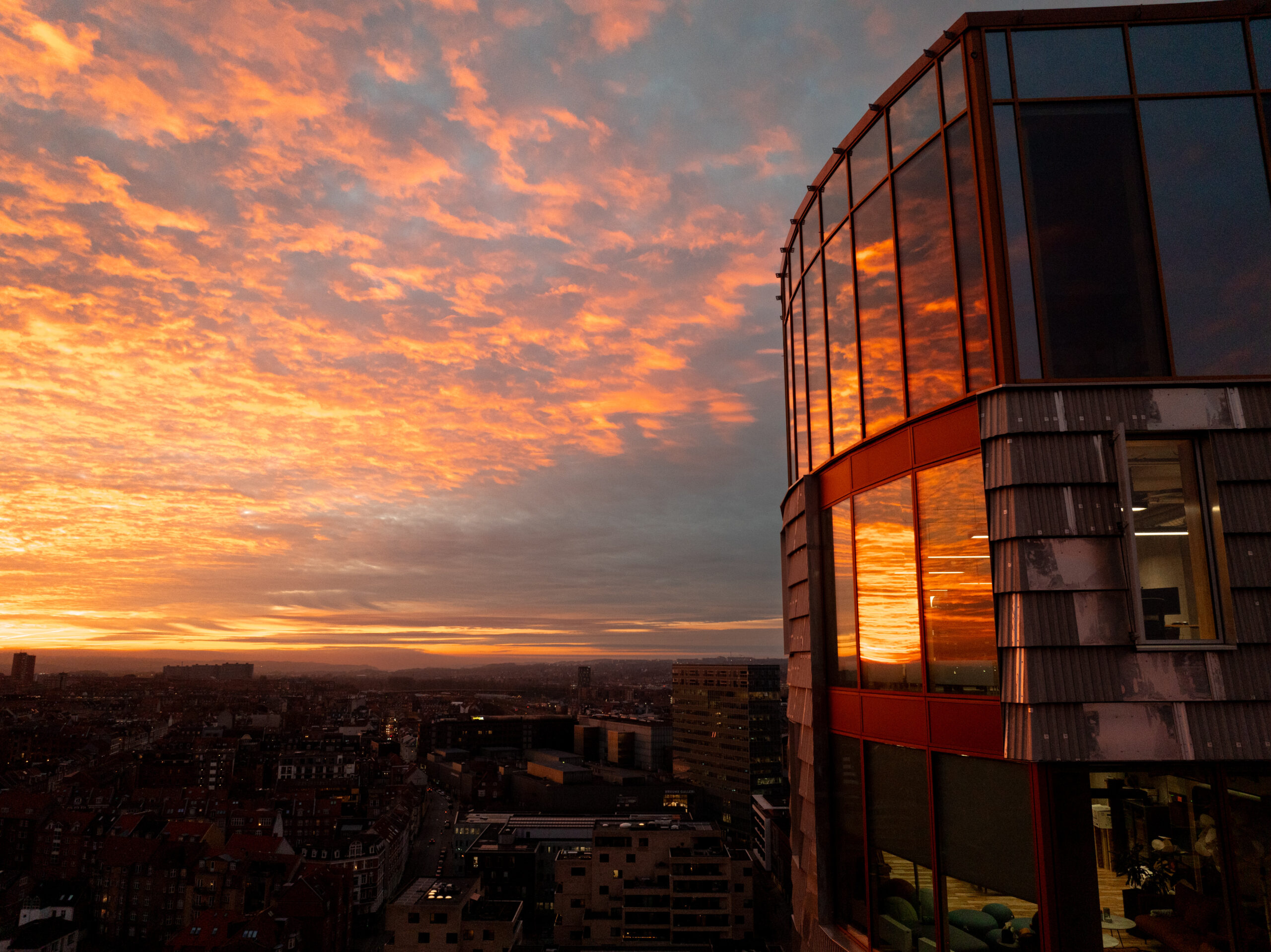
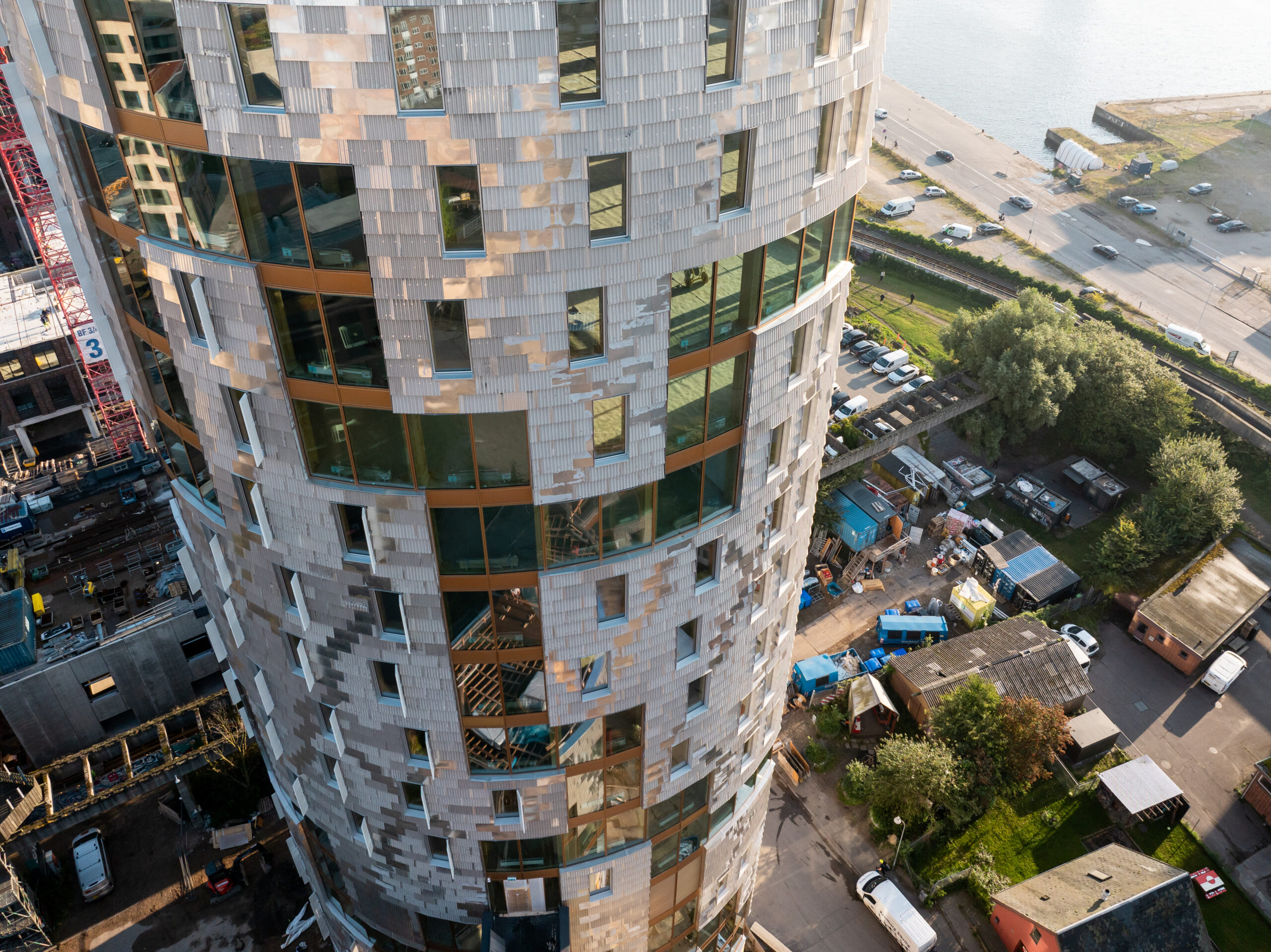
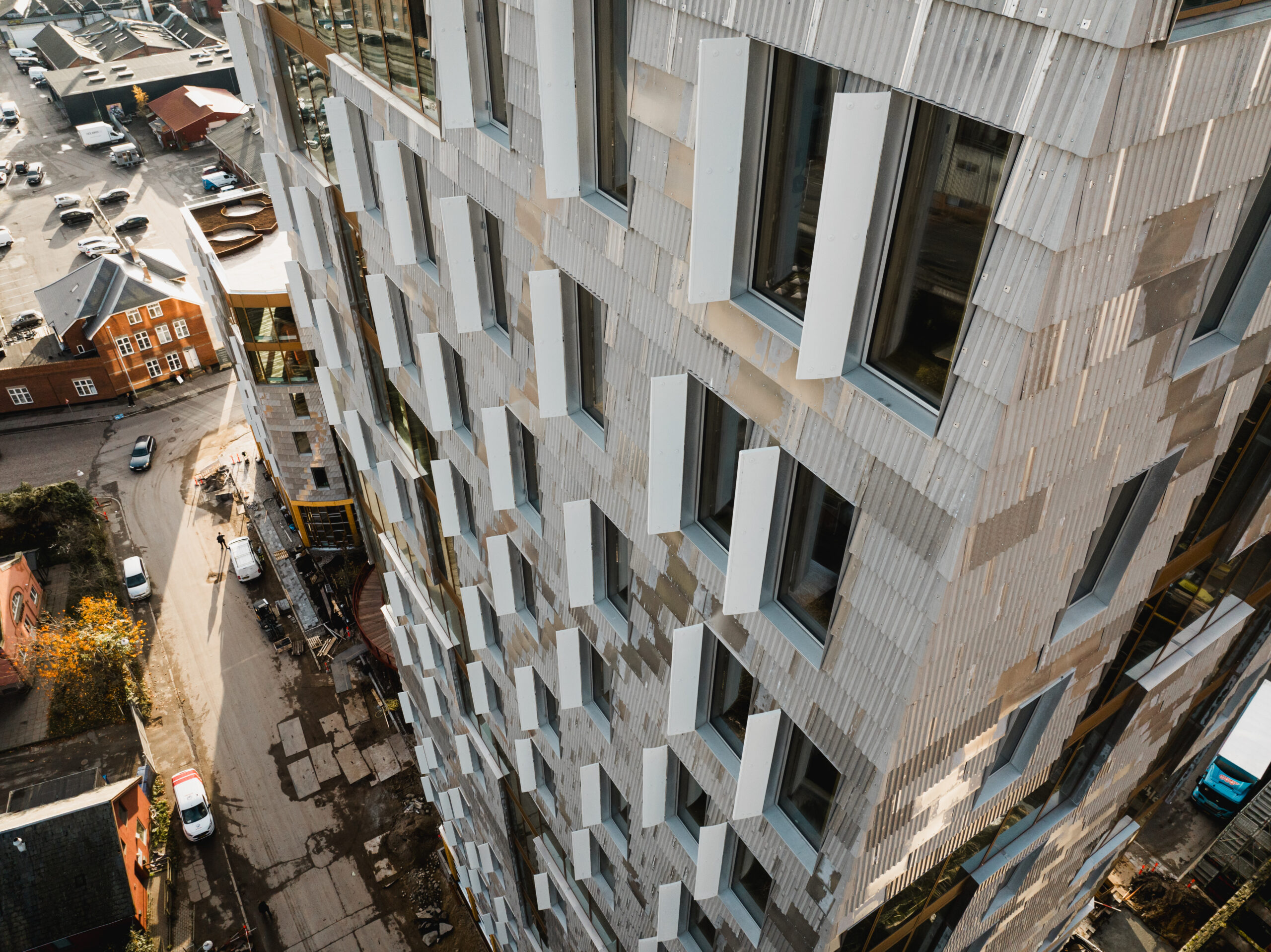
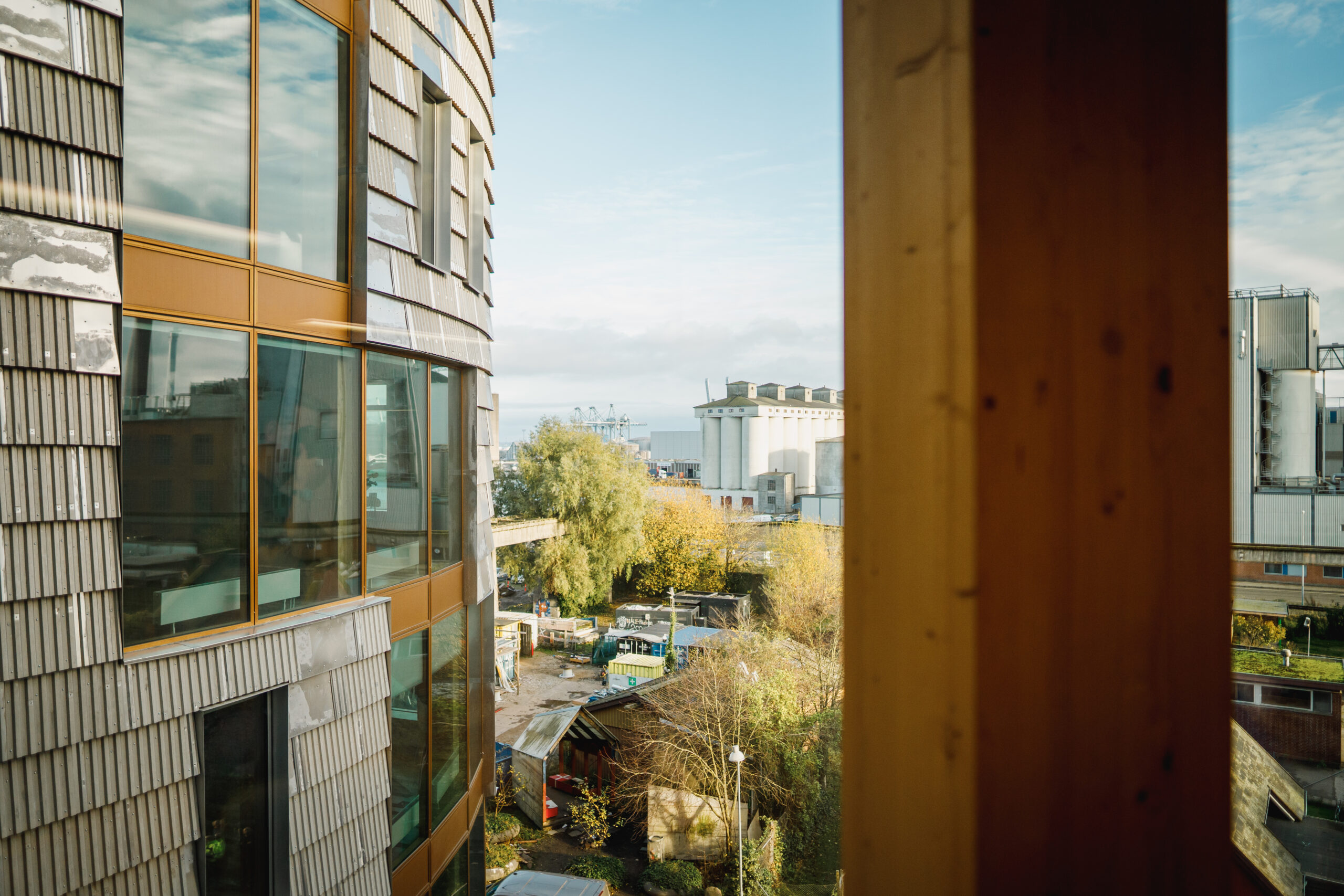
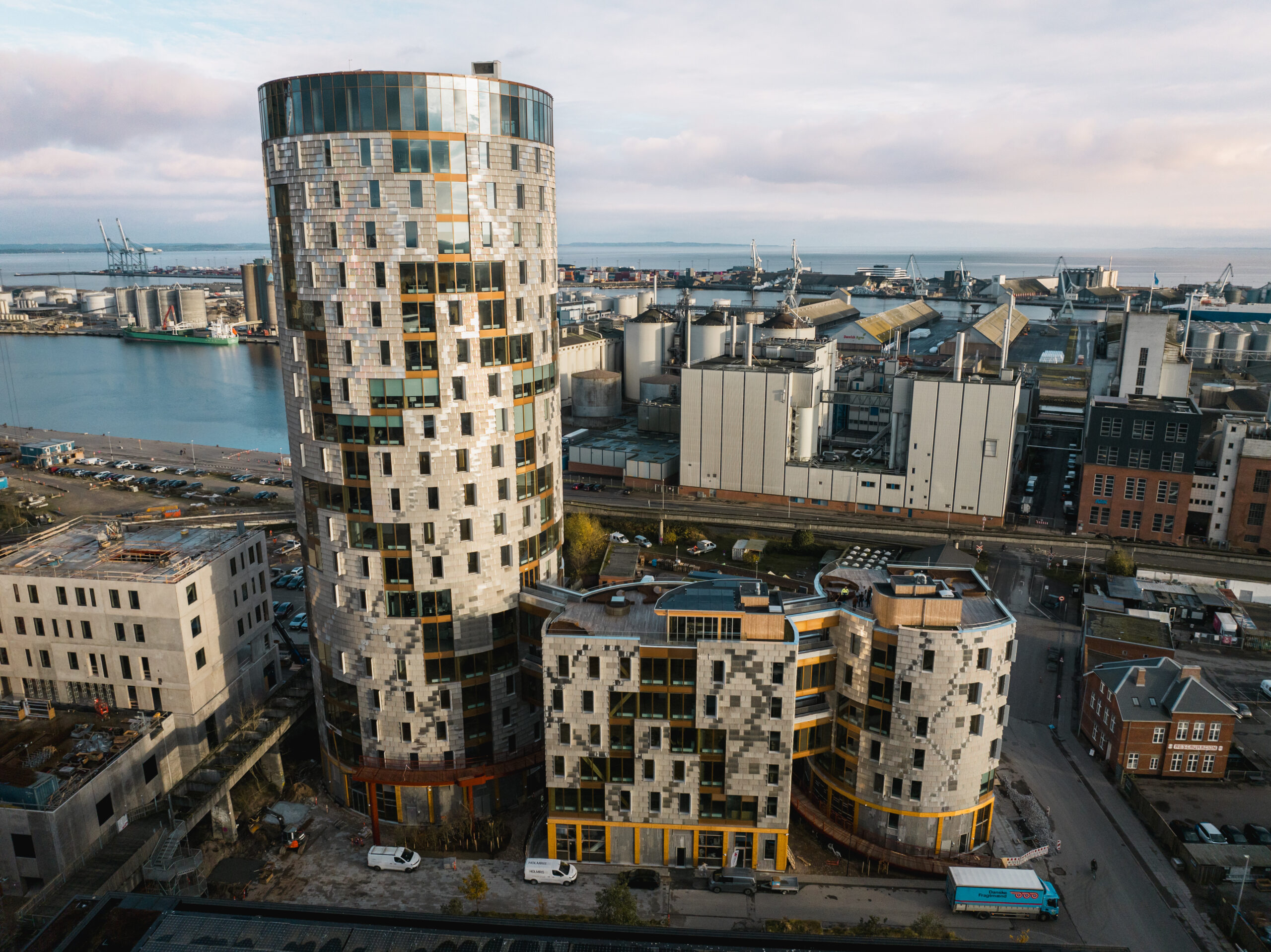
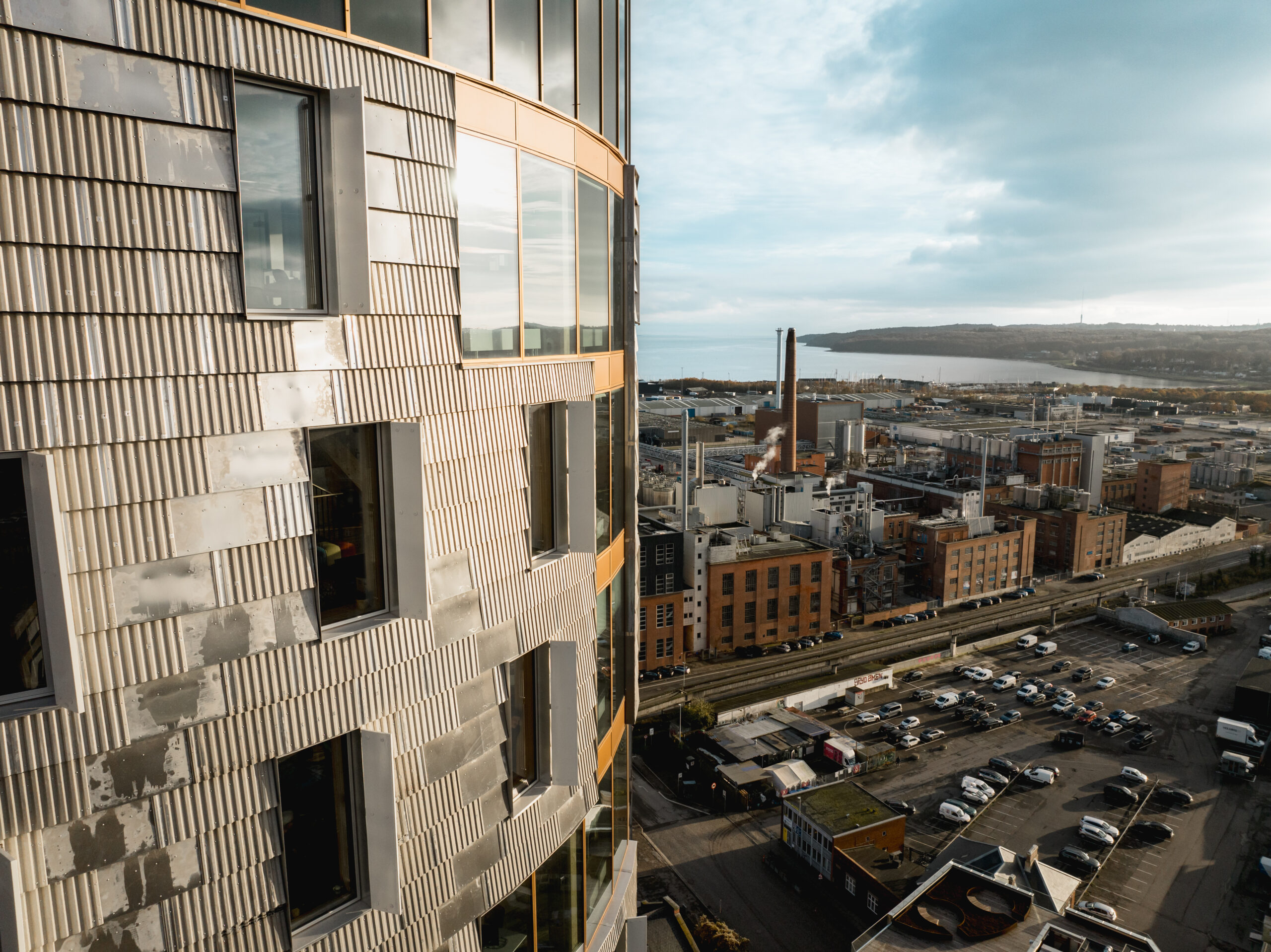
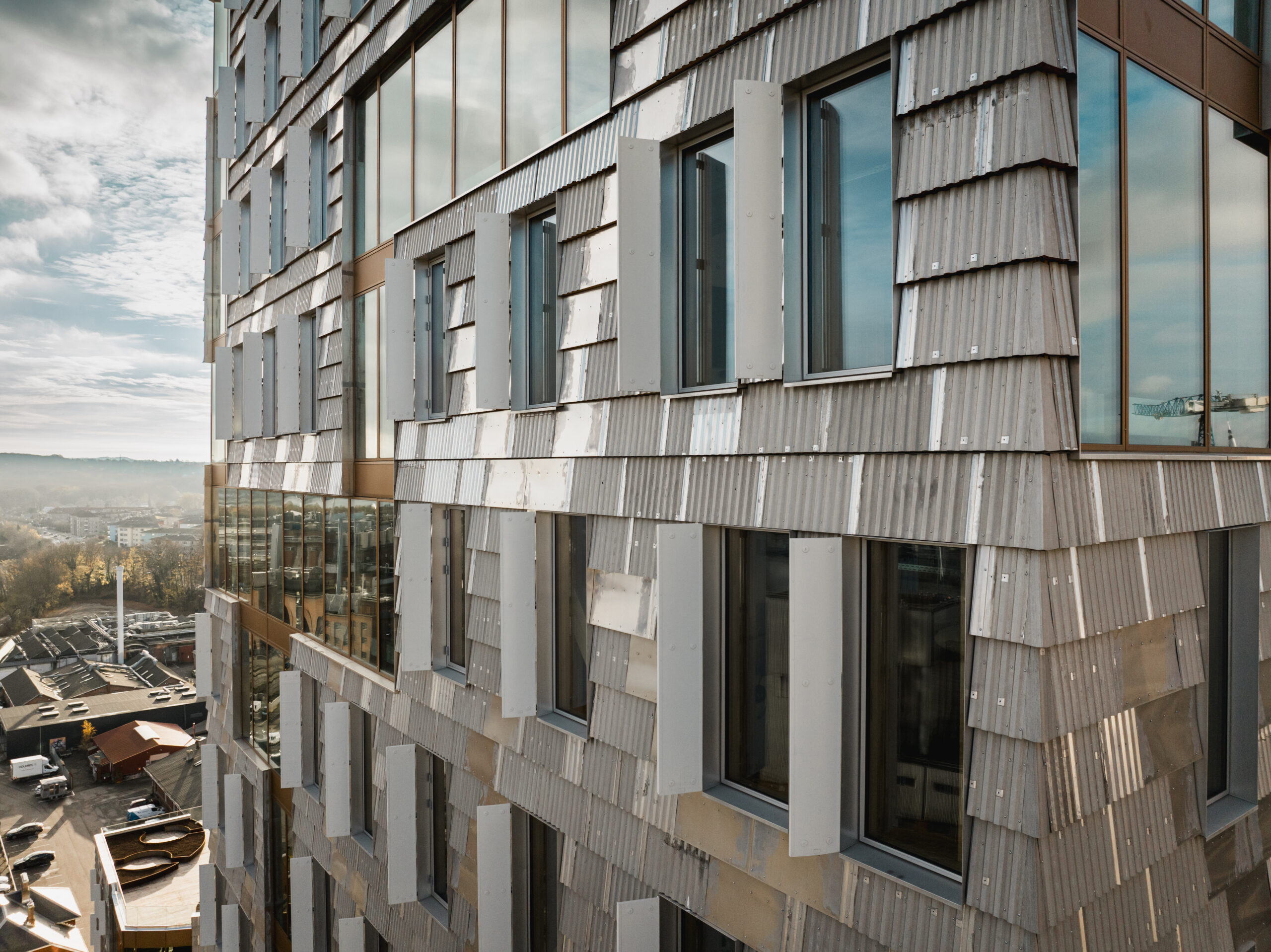
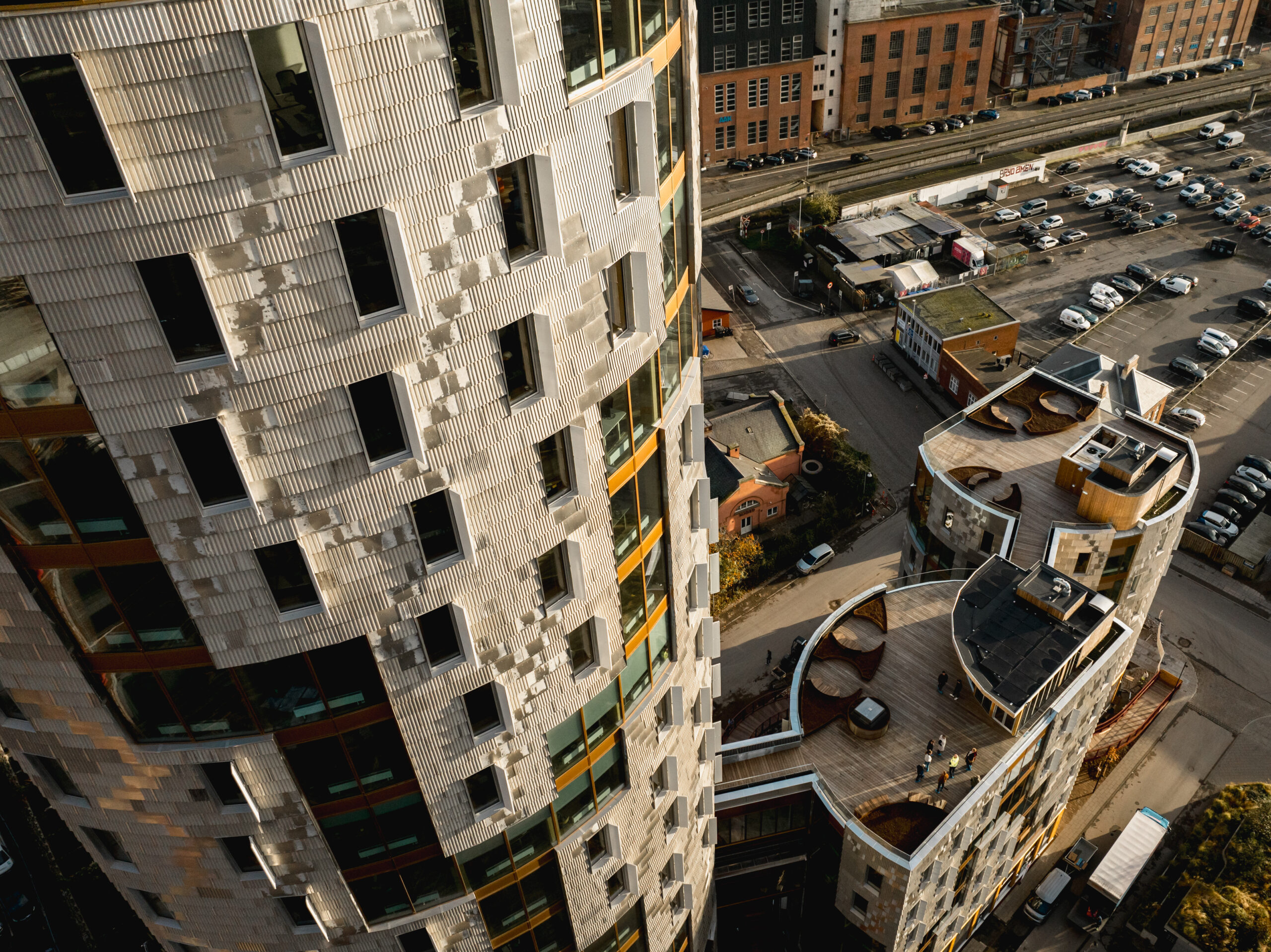
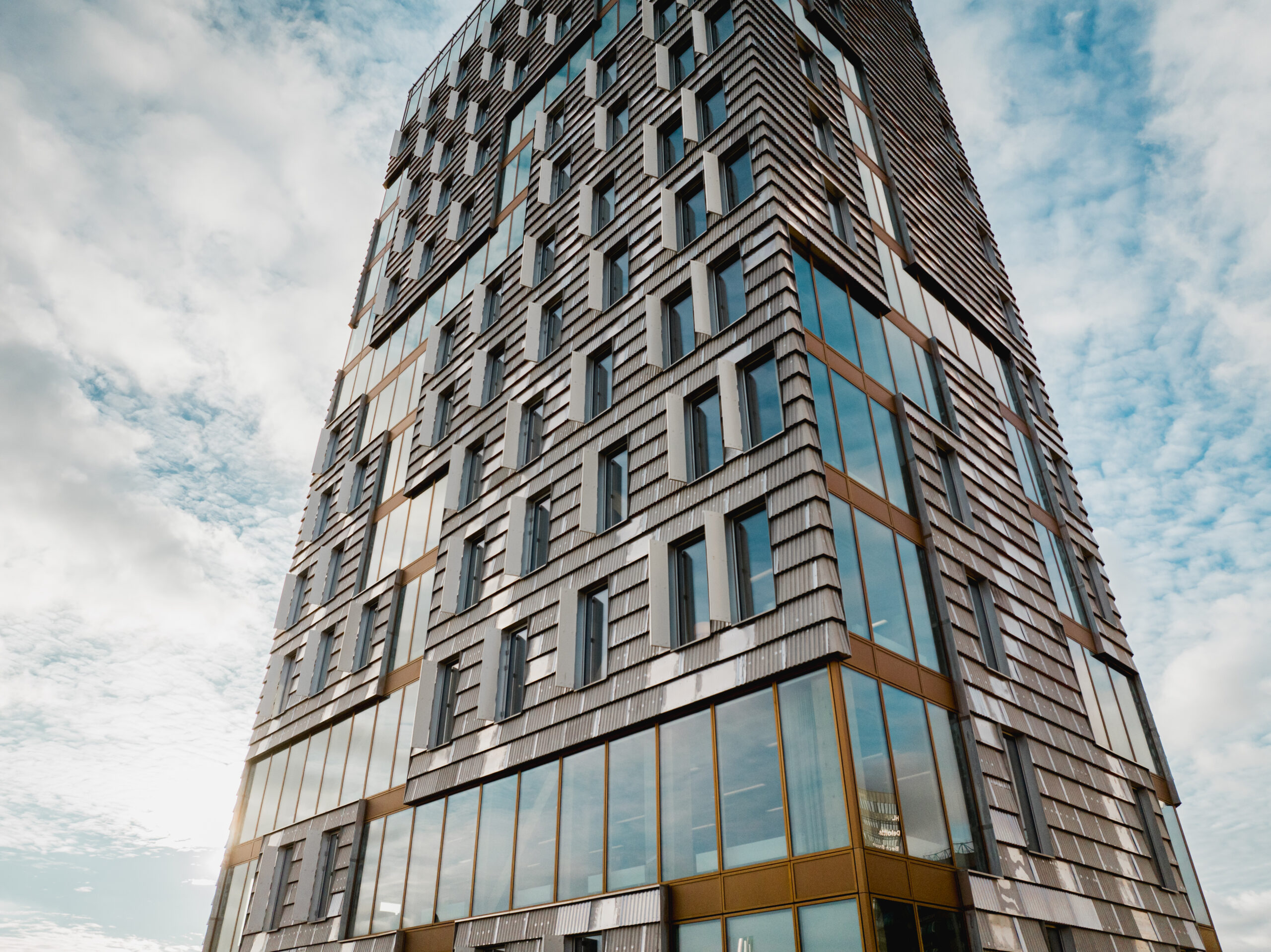
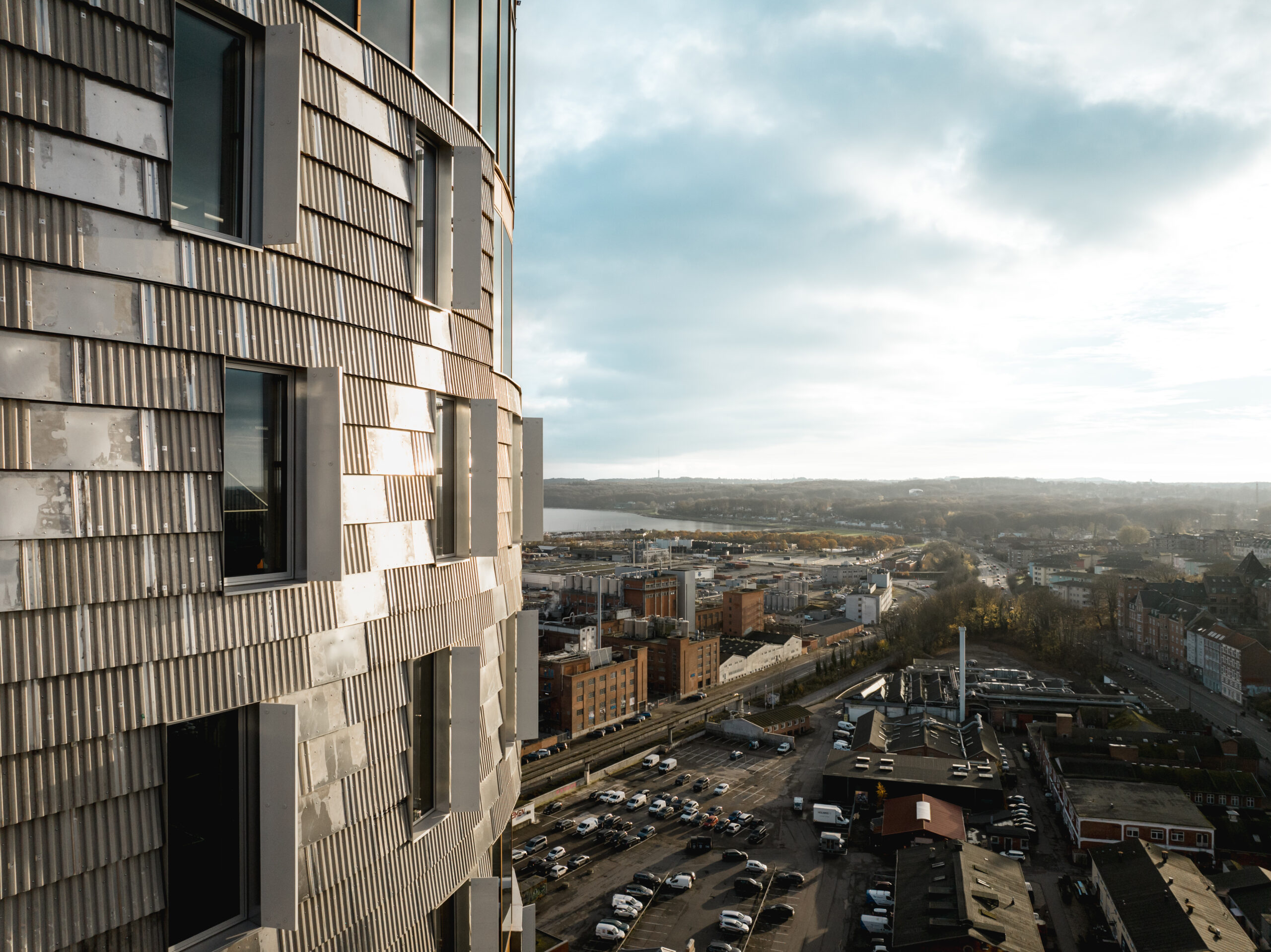
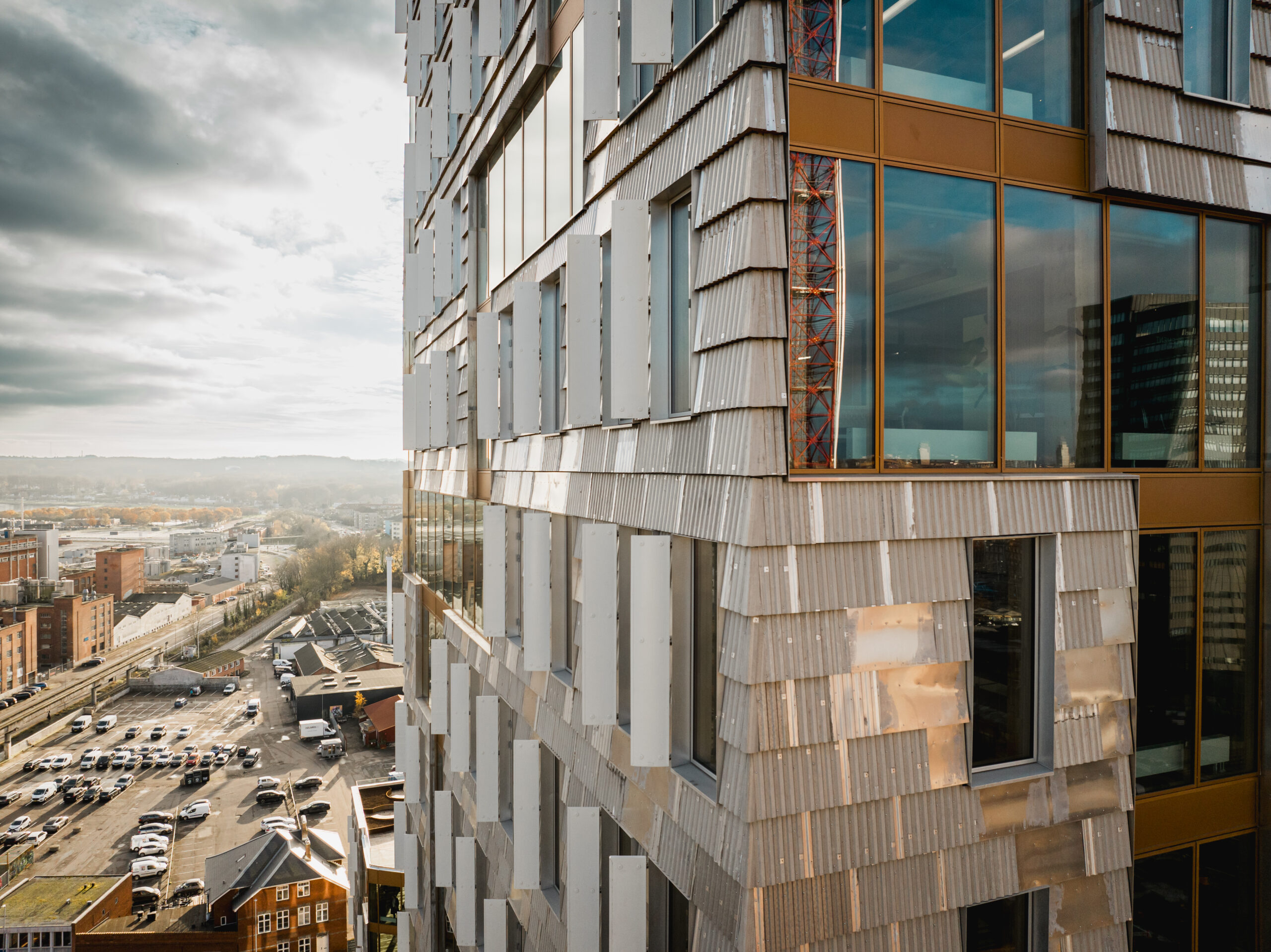
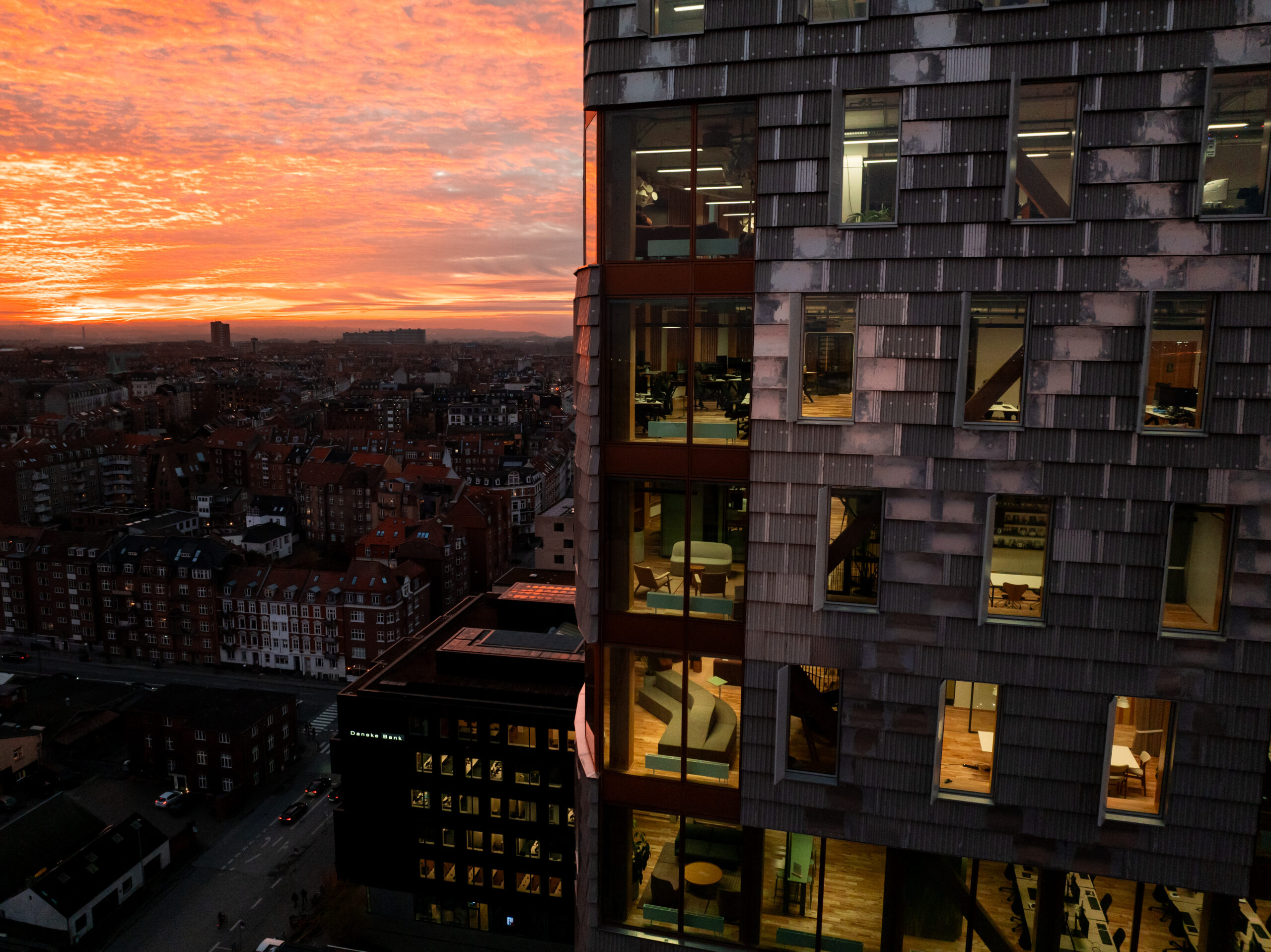
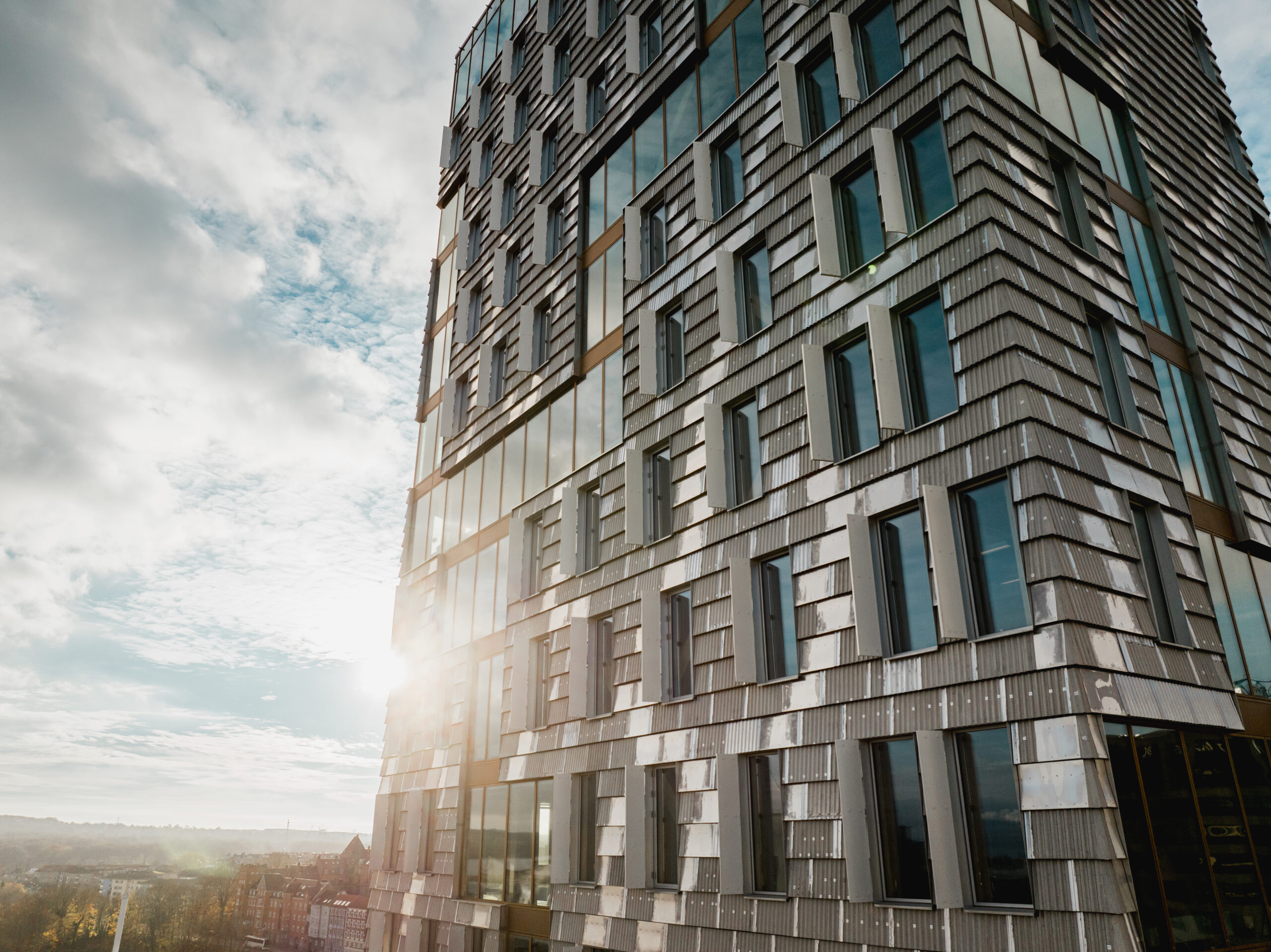
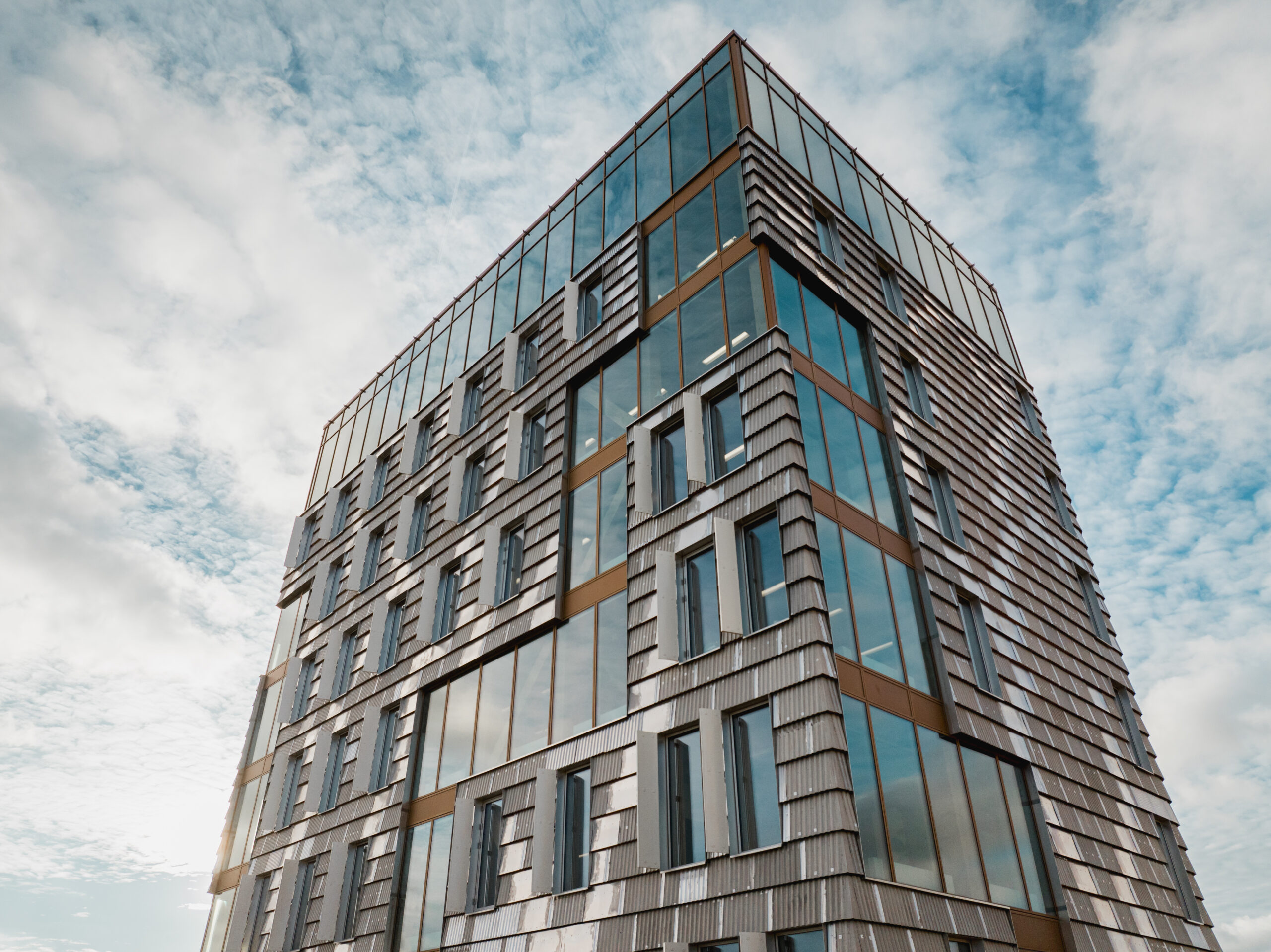
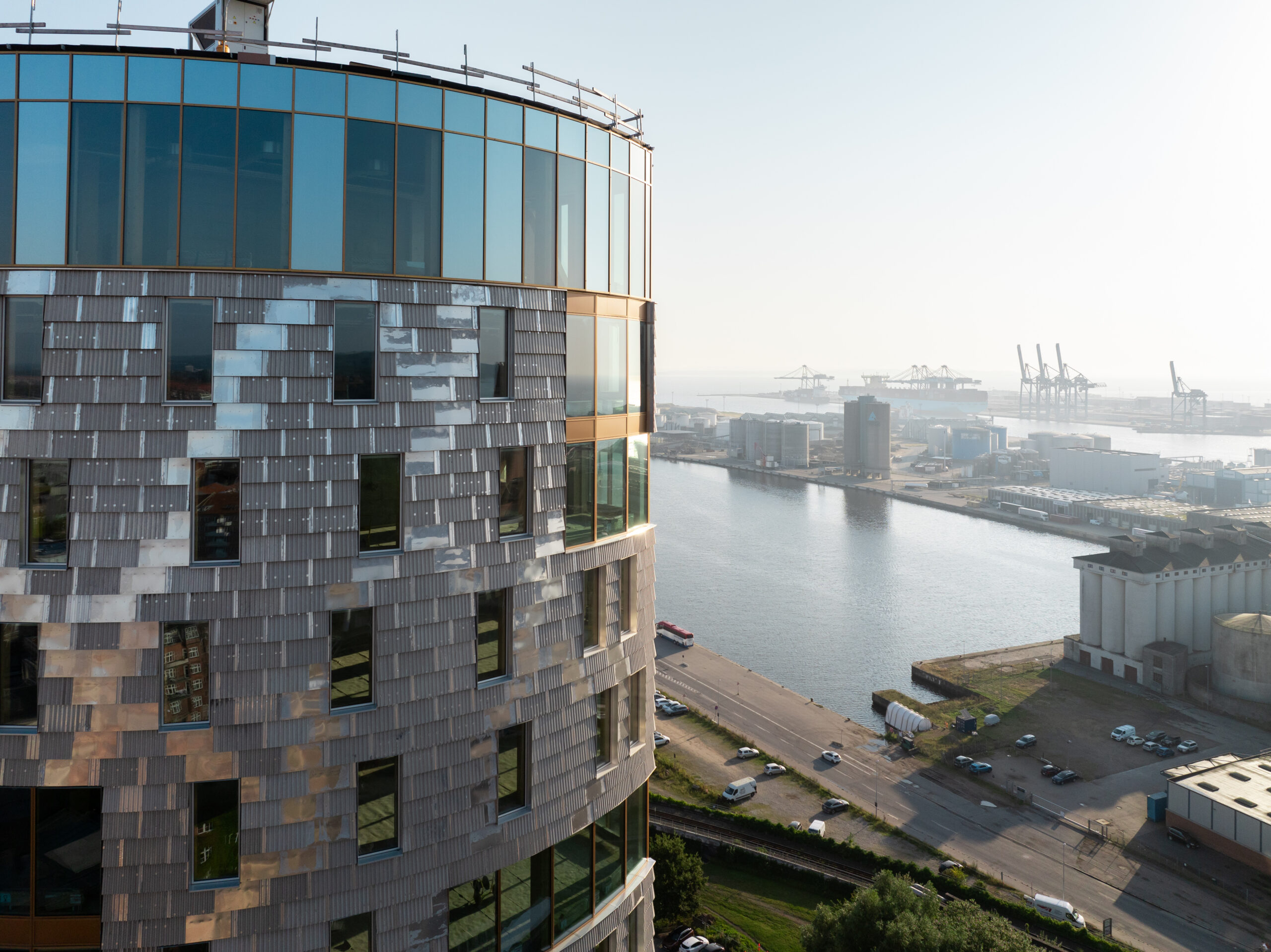
The overall concept aligns with Lendager’s philosophy: form follows availability. This approach celebrates the beauty of waste, transforming discarded resources into architectural value. Located in Aarhus’ former industrial harbor, TRÆ responds to its raw context with facades made from salvaged aluminum sheets arranged to evoke birch bark: mottled, imperfect, and alive. This aesthetic choice turns irregularity into identity, creating a tactile, shimmering surface that changes with light and weather. TRÆ is also a natural carbon bank and given that the primary building material is wood – for every m3 of wood used one ton of CO2 is stored.
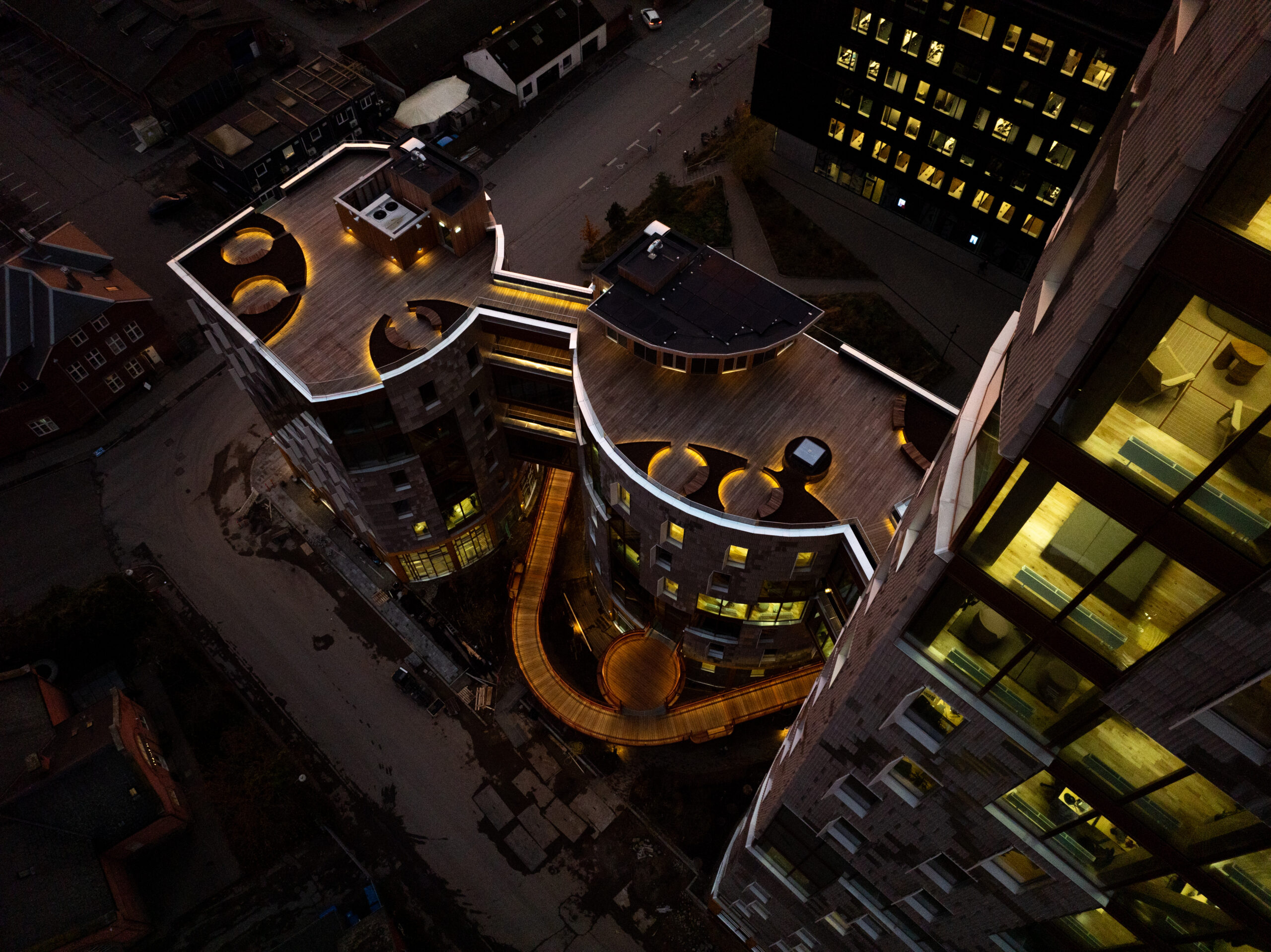
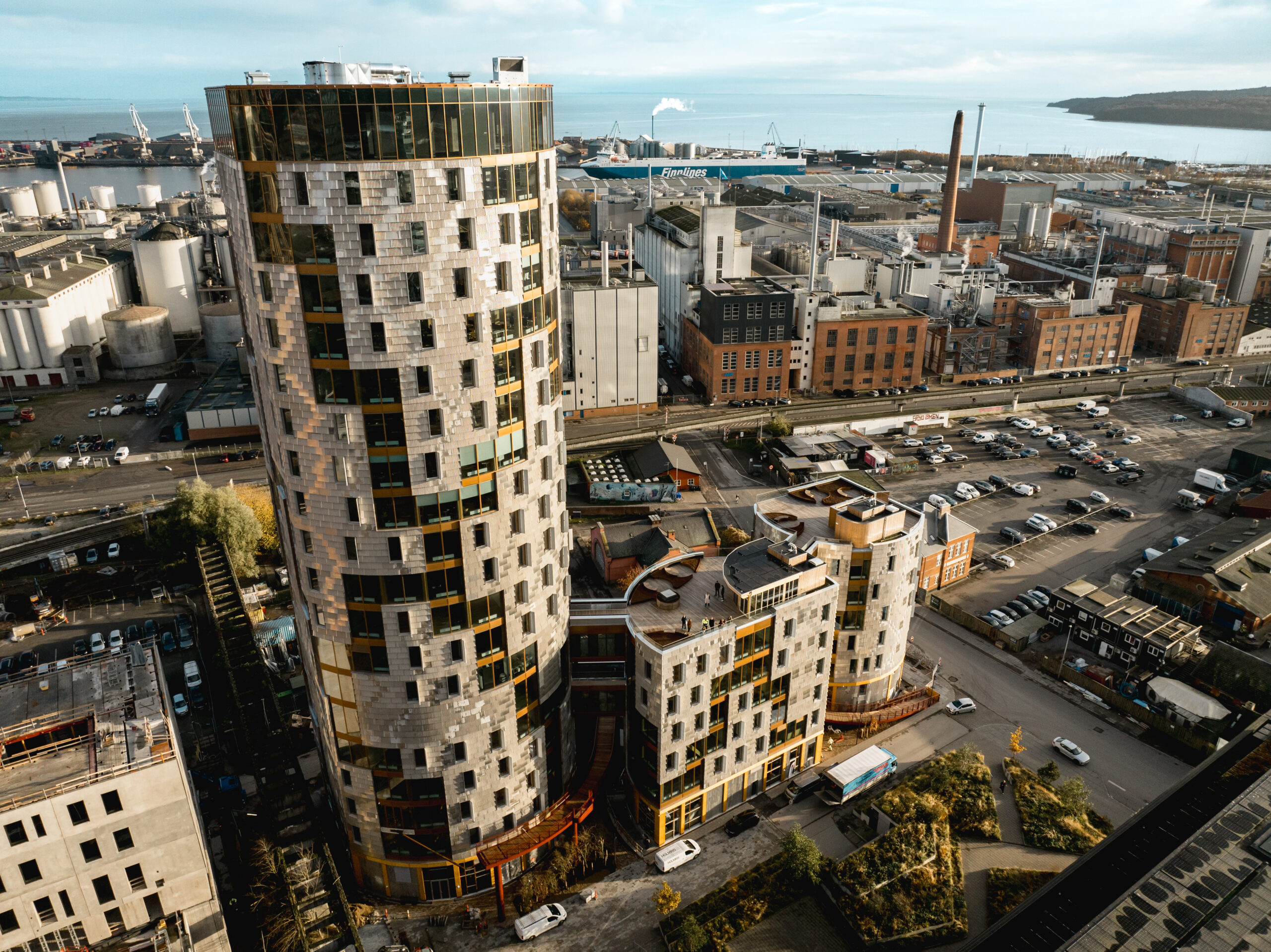
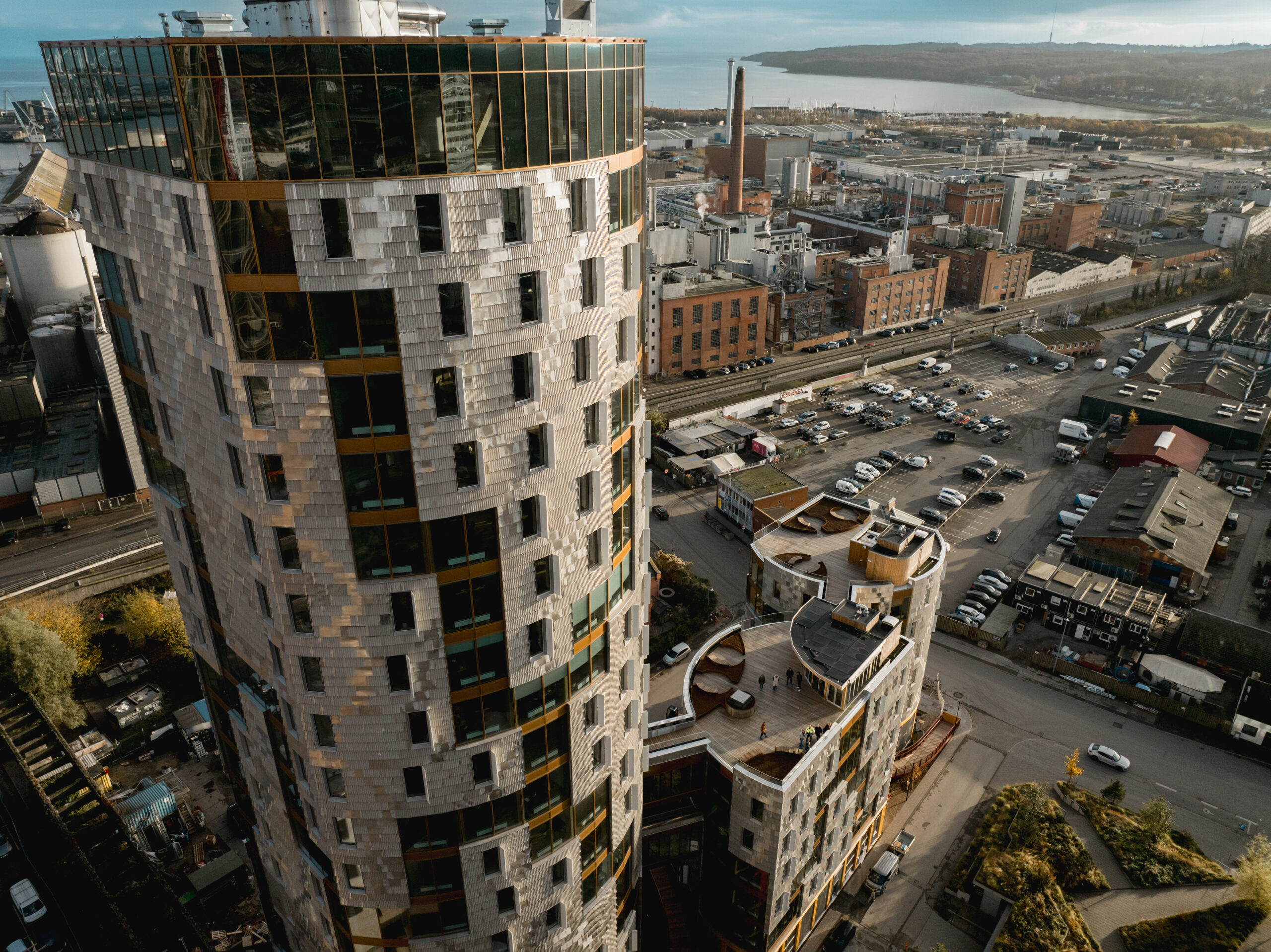
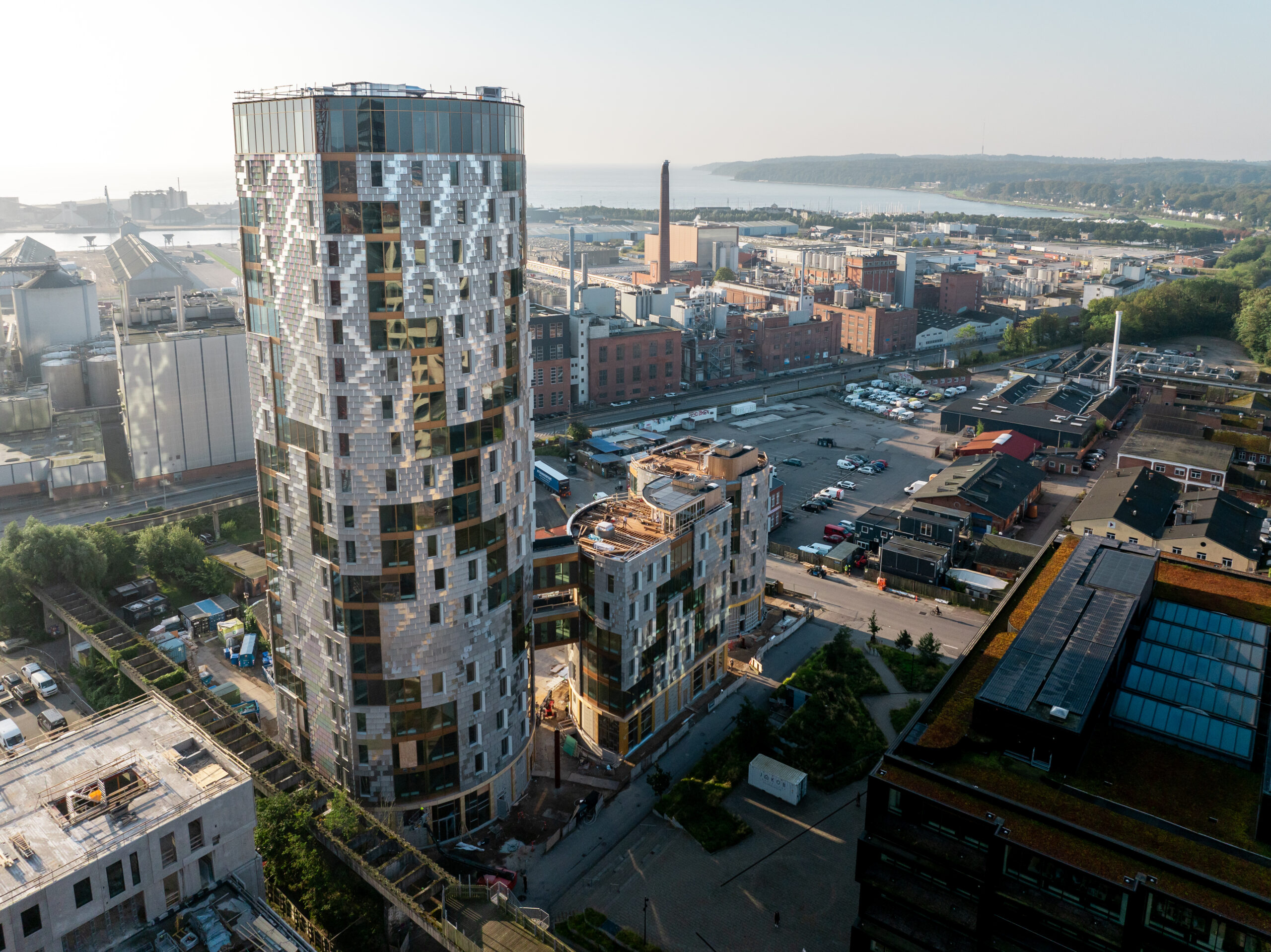
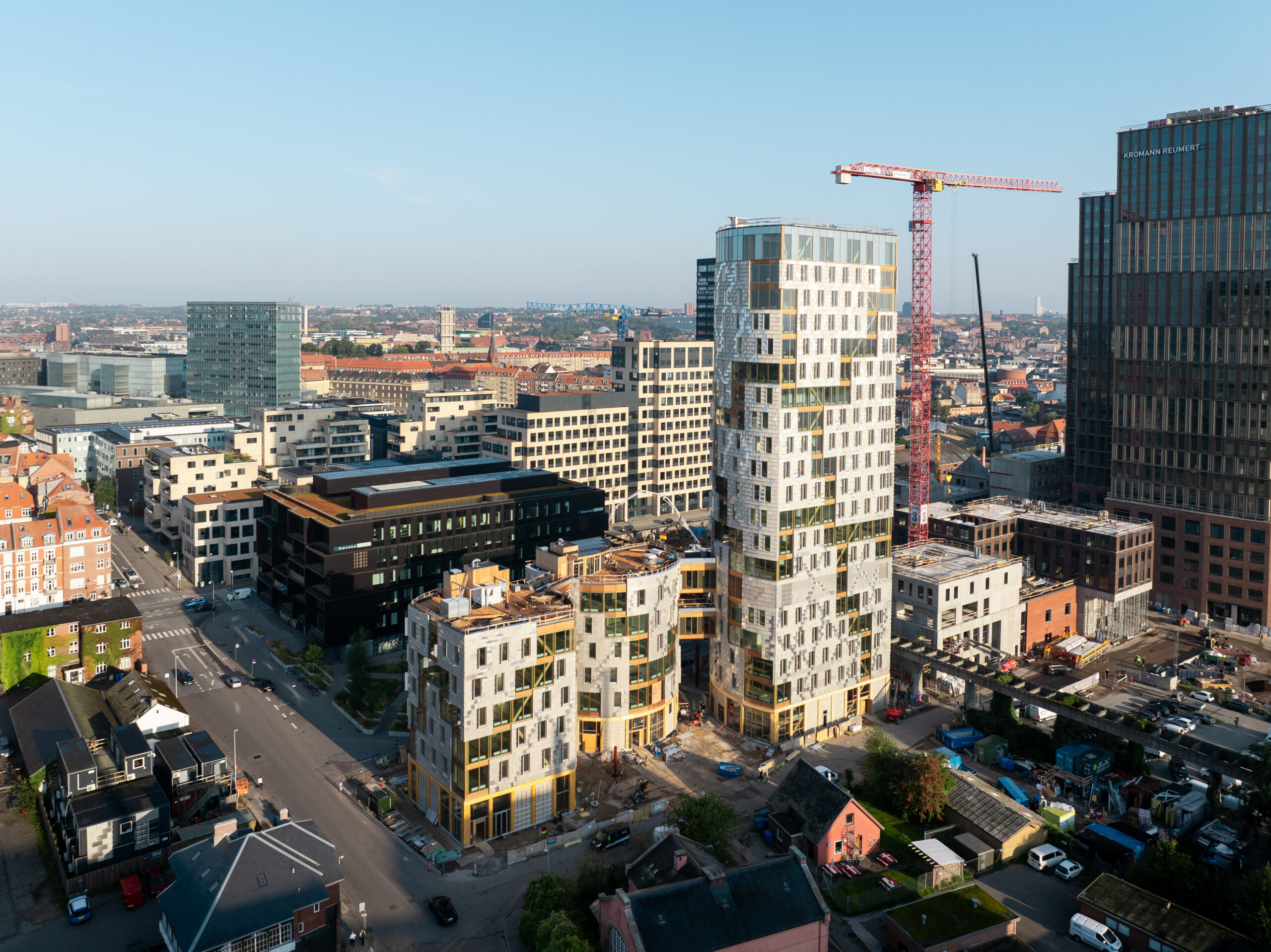
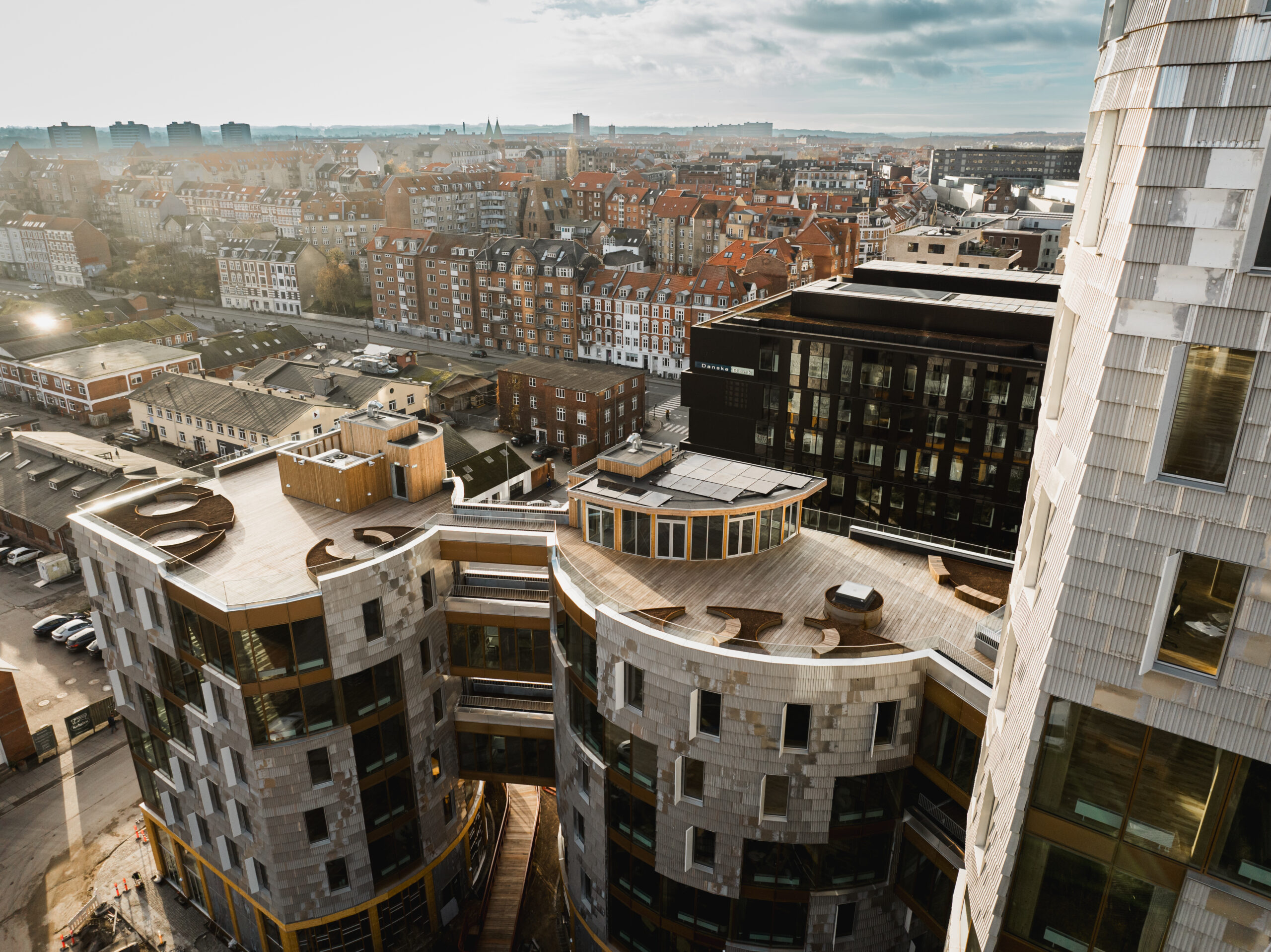
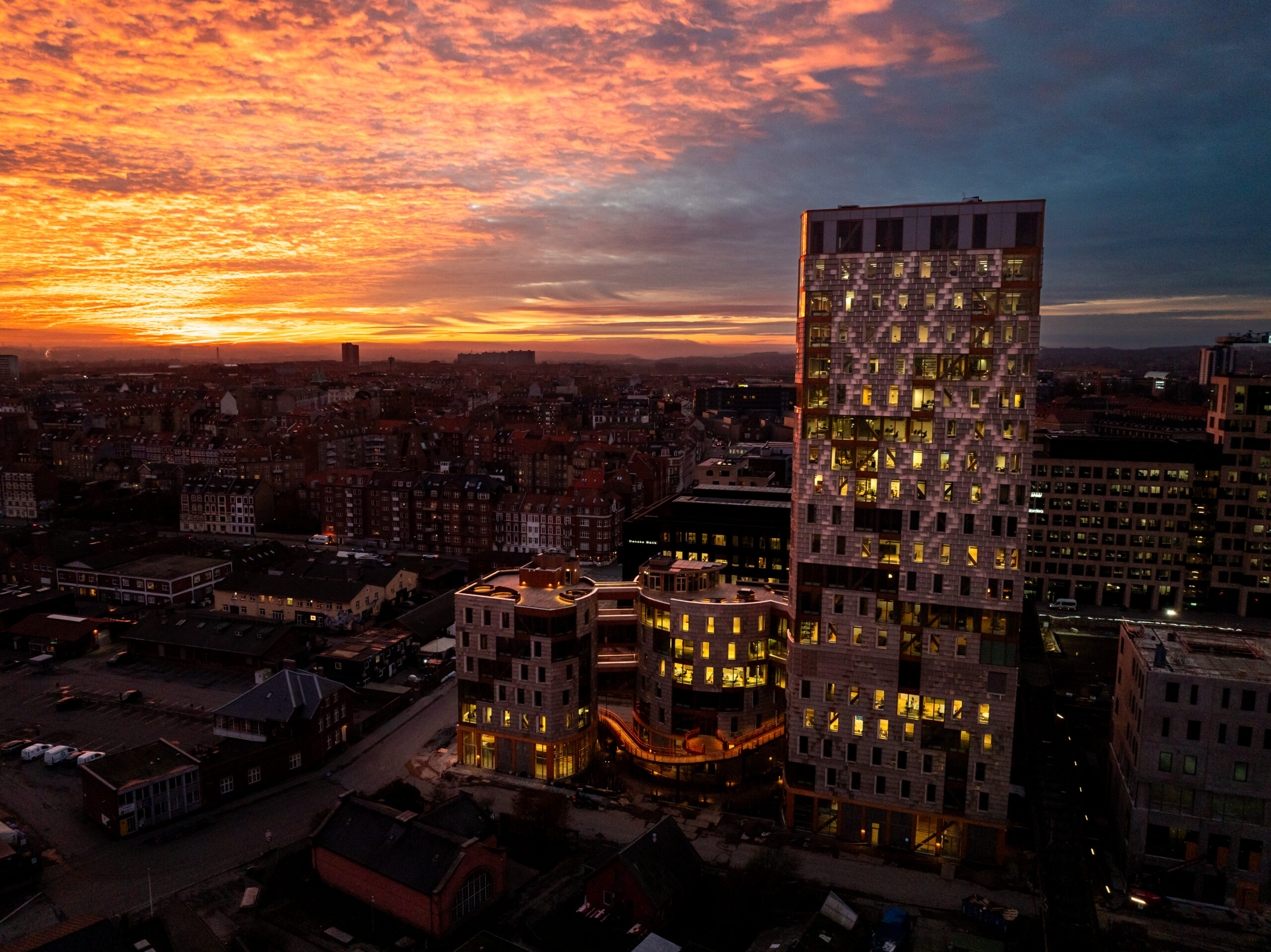
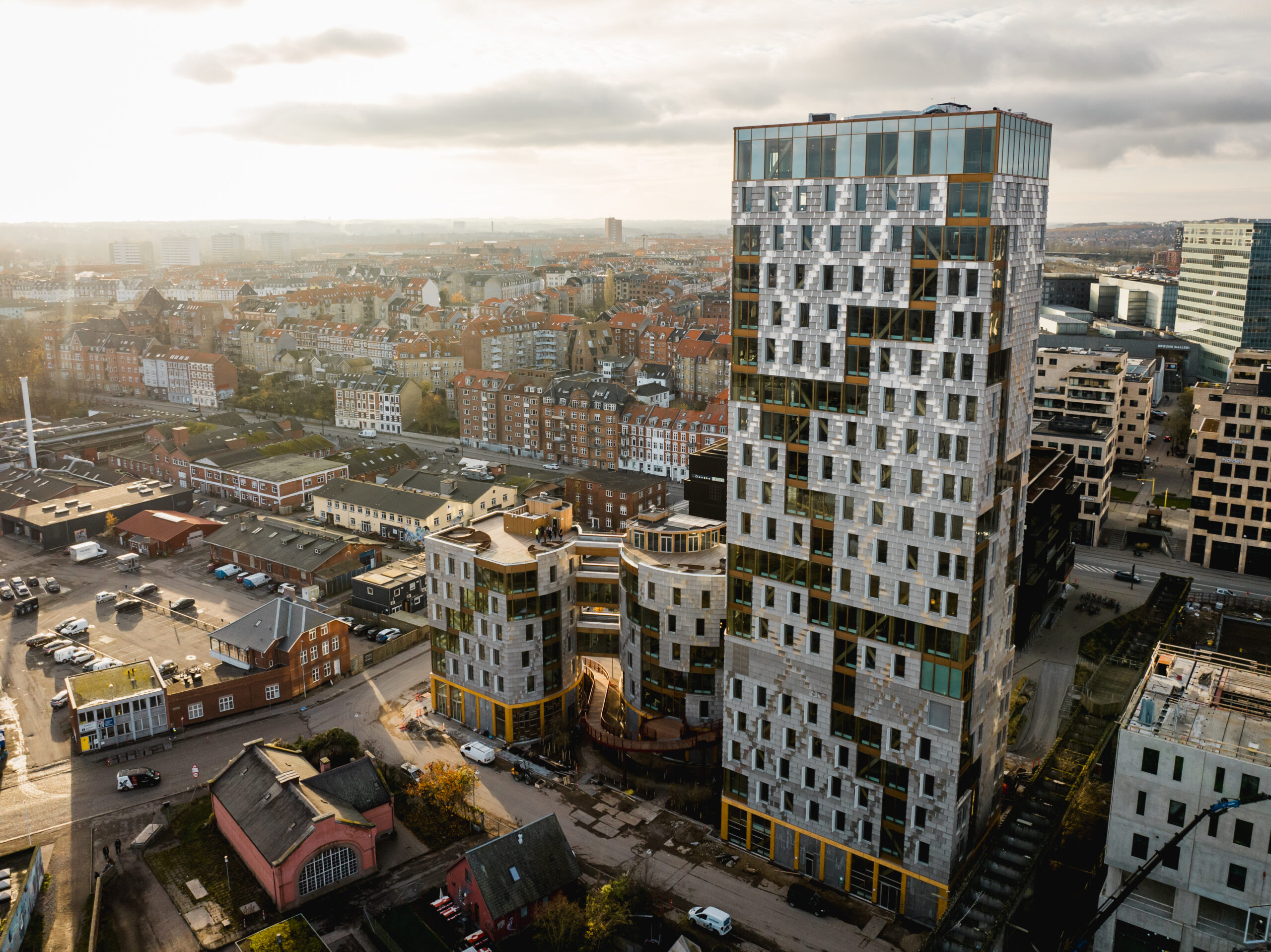
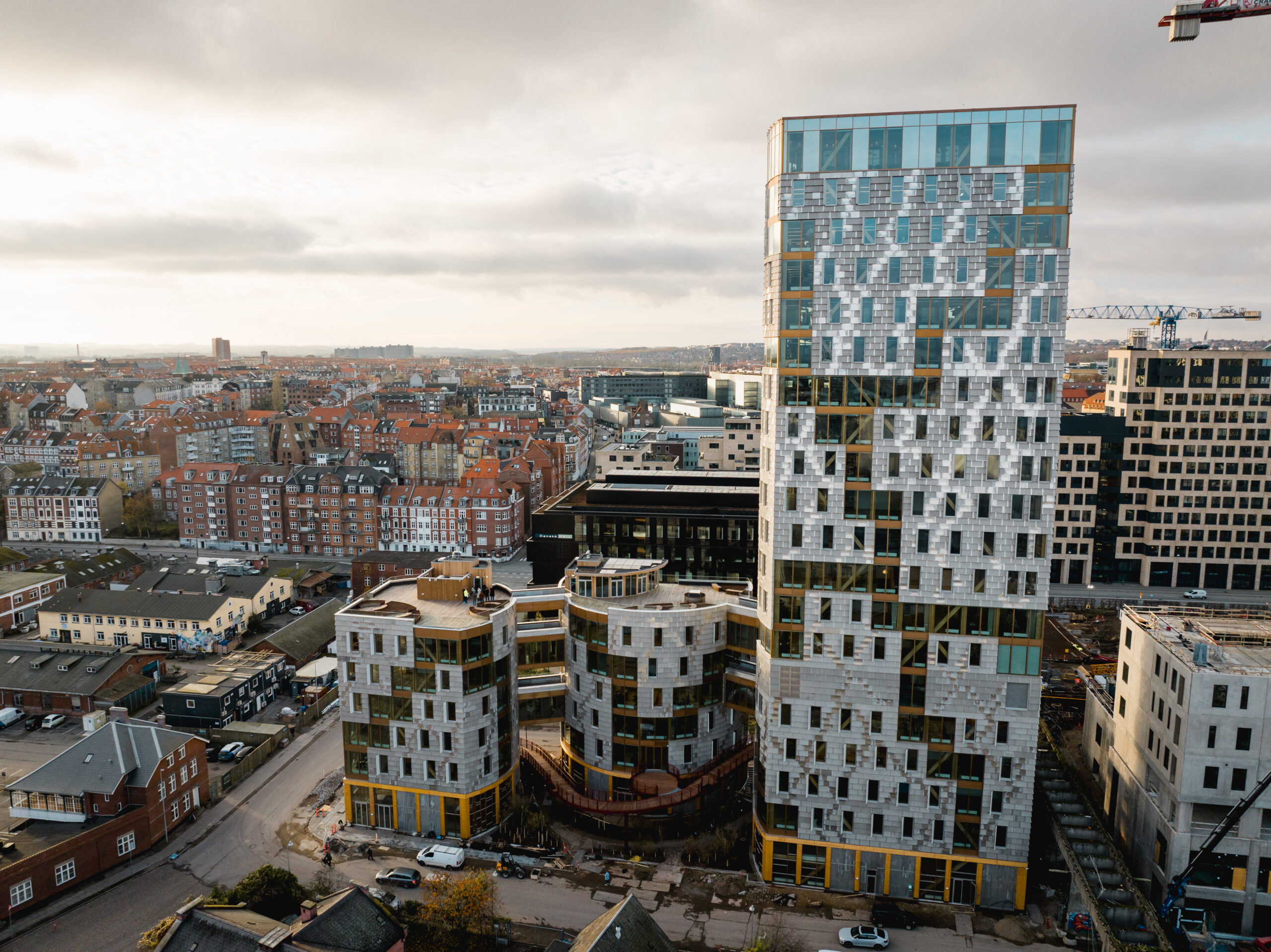
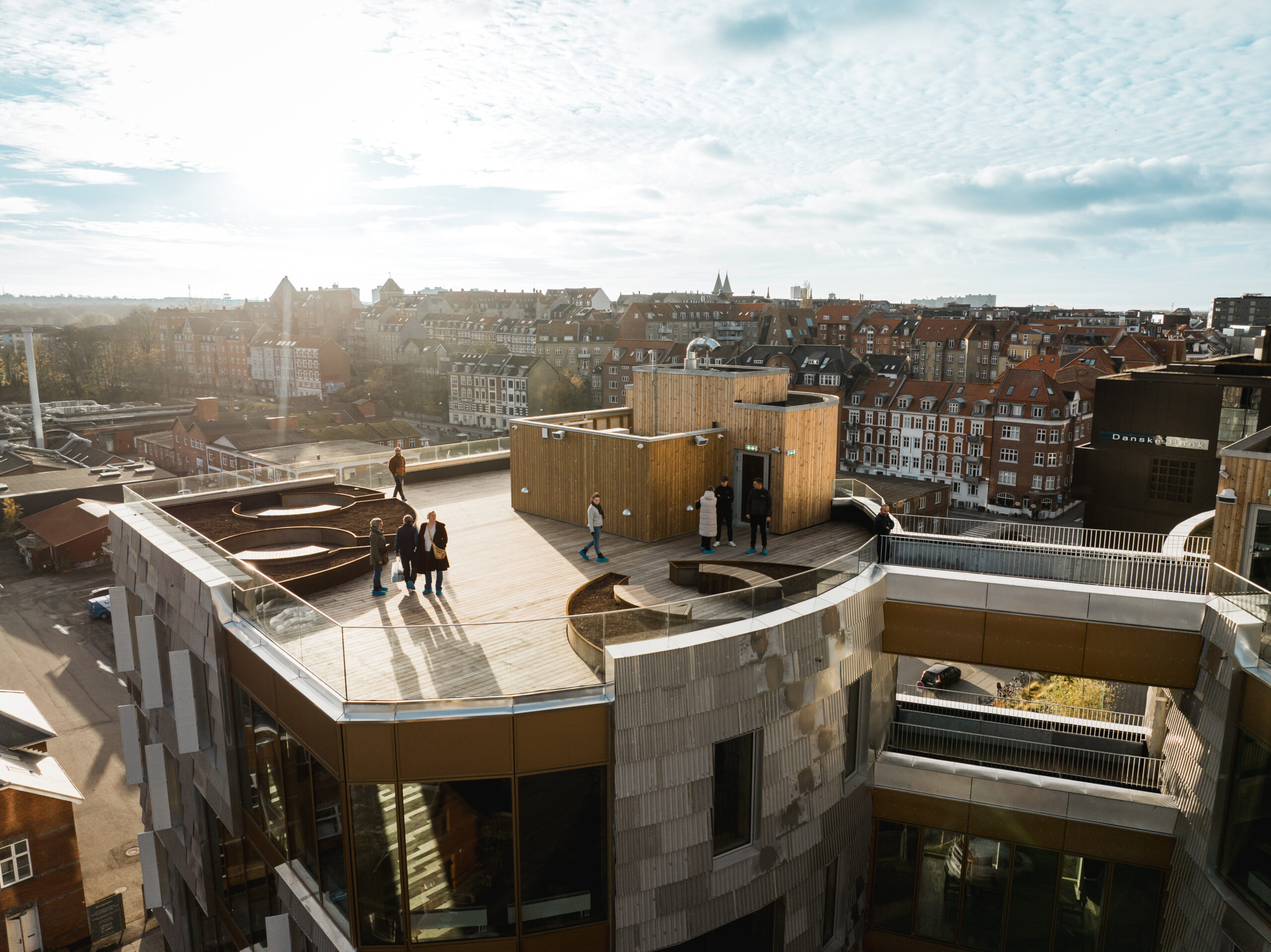
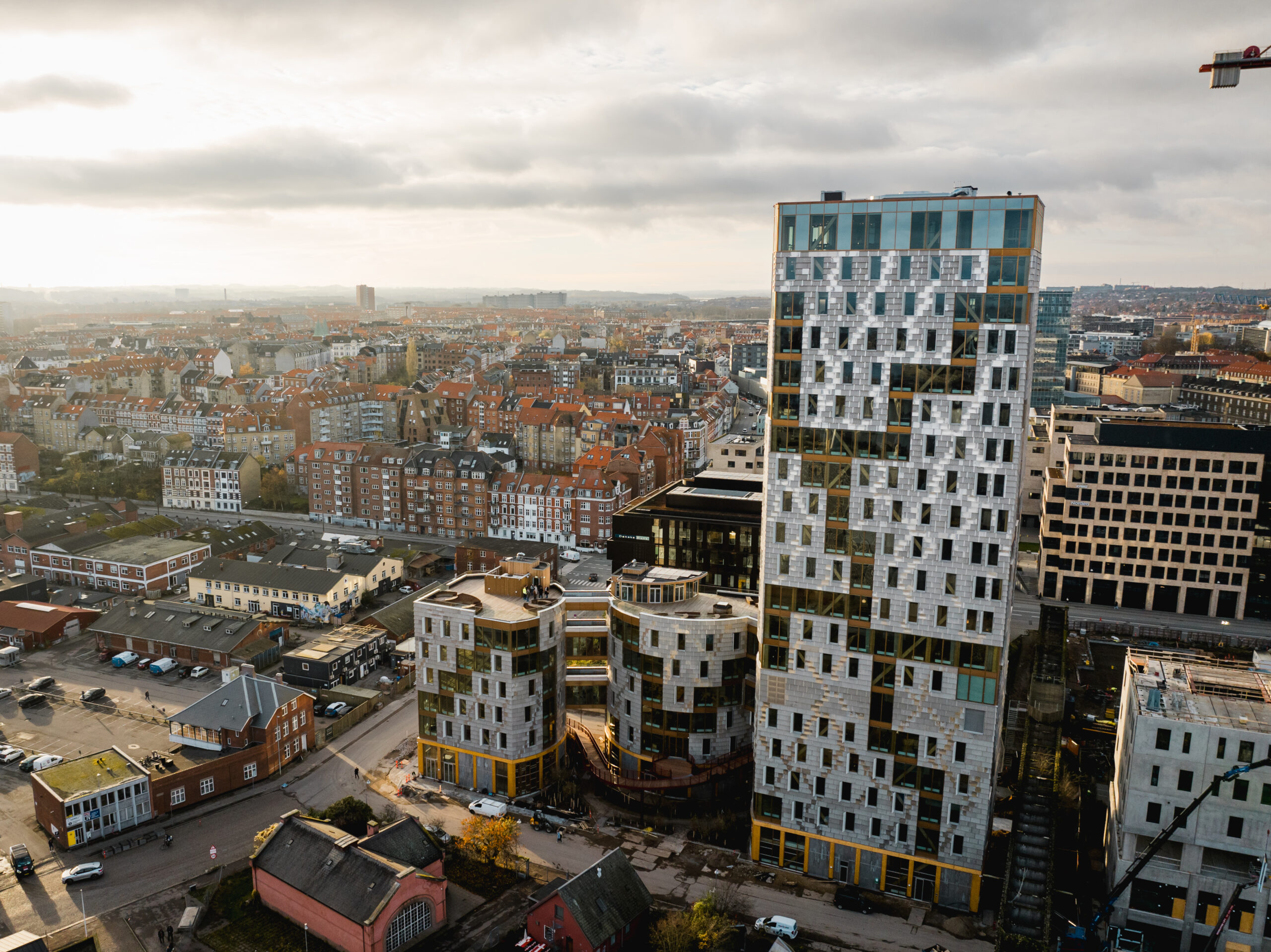
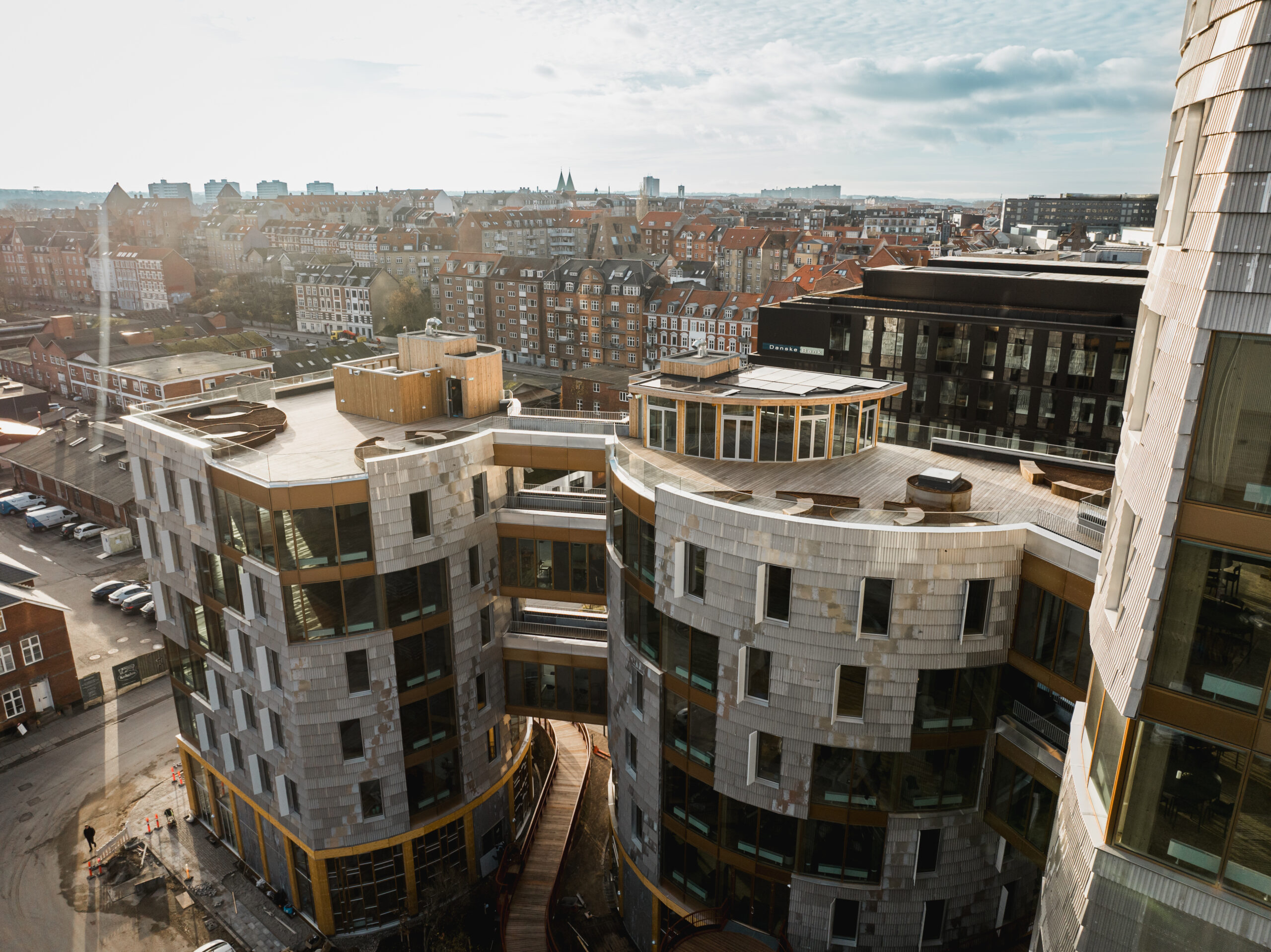
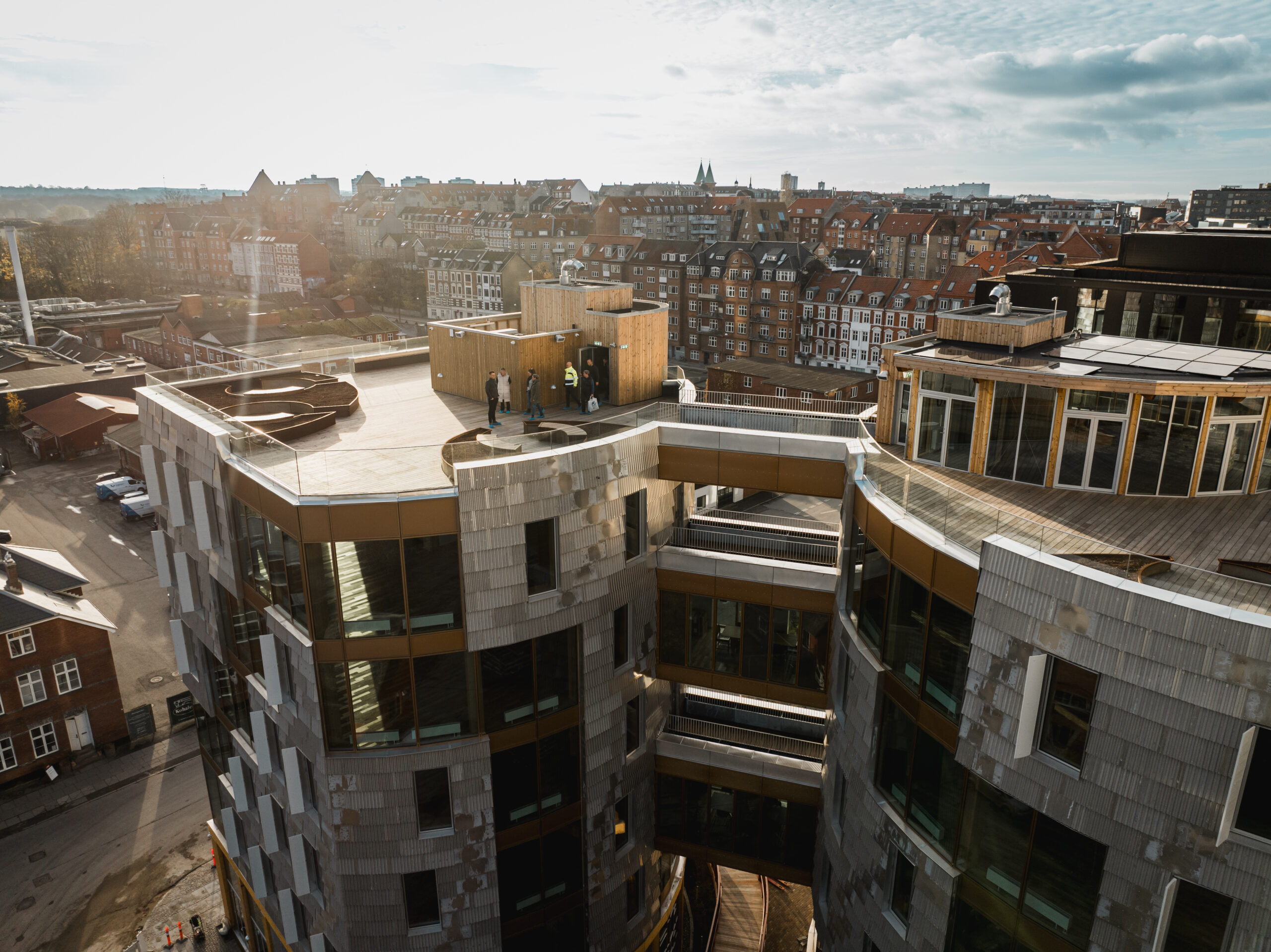
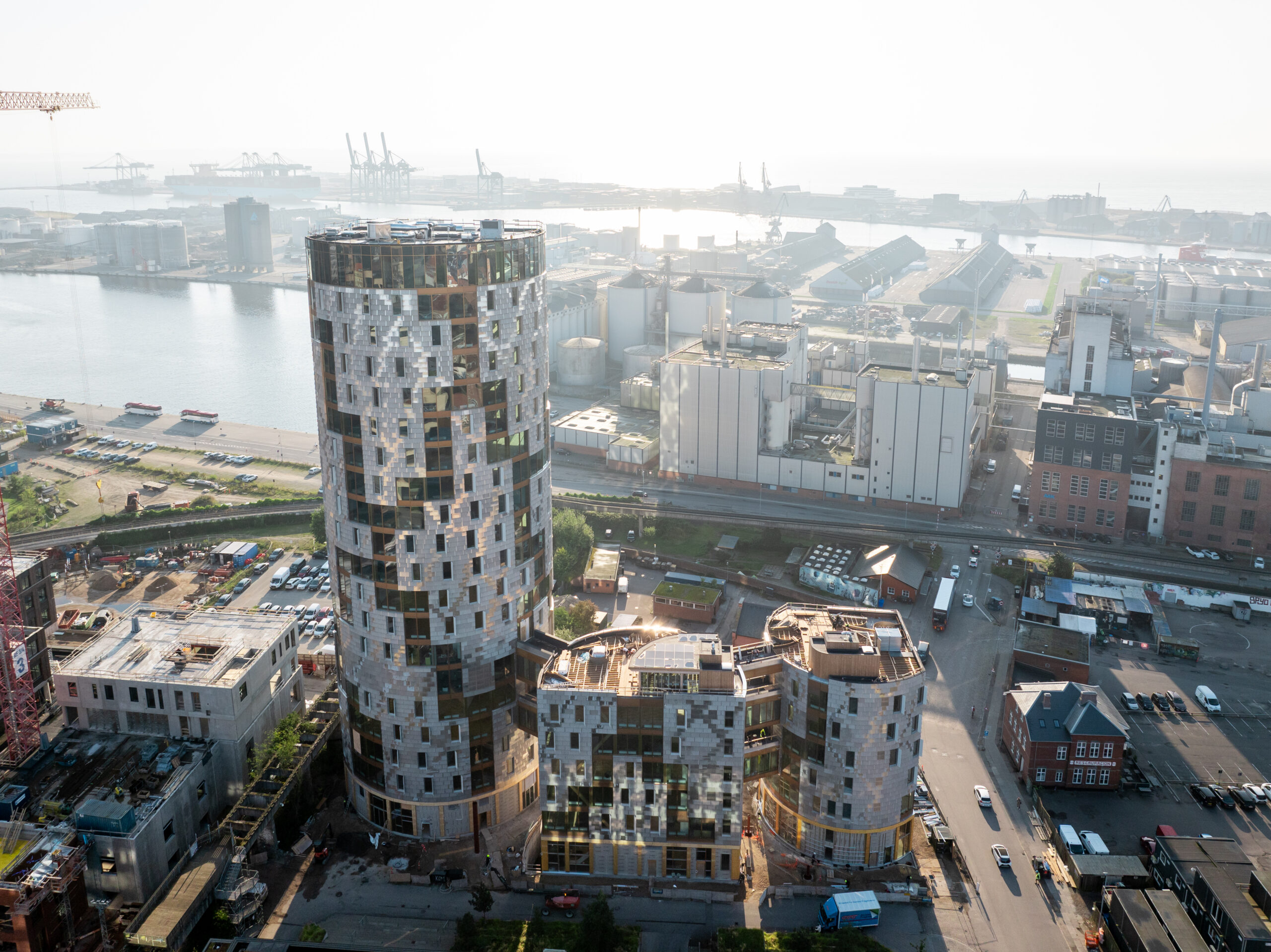
TRÆ consists of three buildings: T1 is a 20 storey tower (78 meters), T2 and T3 are 6 storey buildings. Between and around the buildings a lush and publicly accessible, plateaued green space opens the plot and ground floor spaces towards the surroundings, a gesture further augmented by an undulating pedestrian bridge that rises from ground level and connects to the buildings’ higher levels as well Aarhus’ new industrial high line ‘The Coal Bridge’. The trees on the plot will all be adopted from within the municipality and moved into place to avoid them being cut down, saving the client money, and securing a more mature green structure already from the outset.
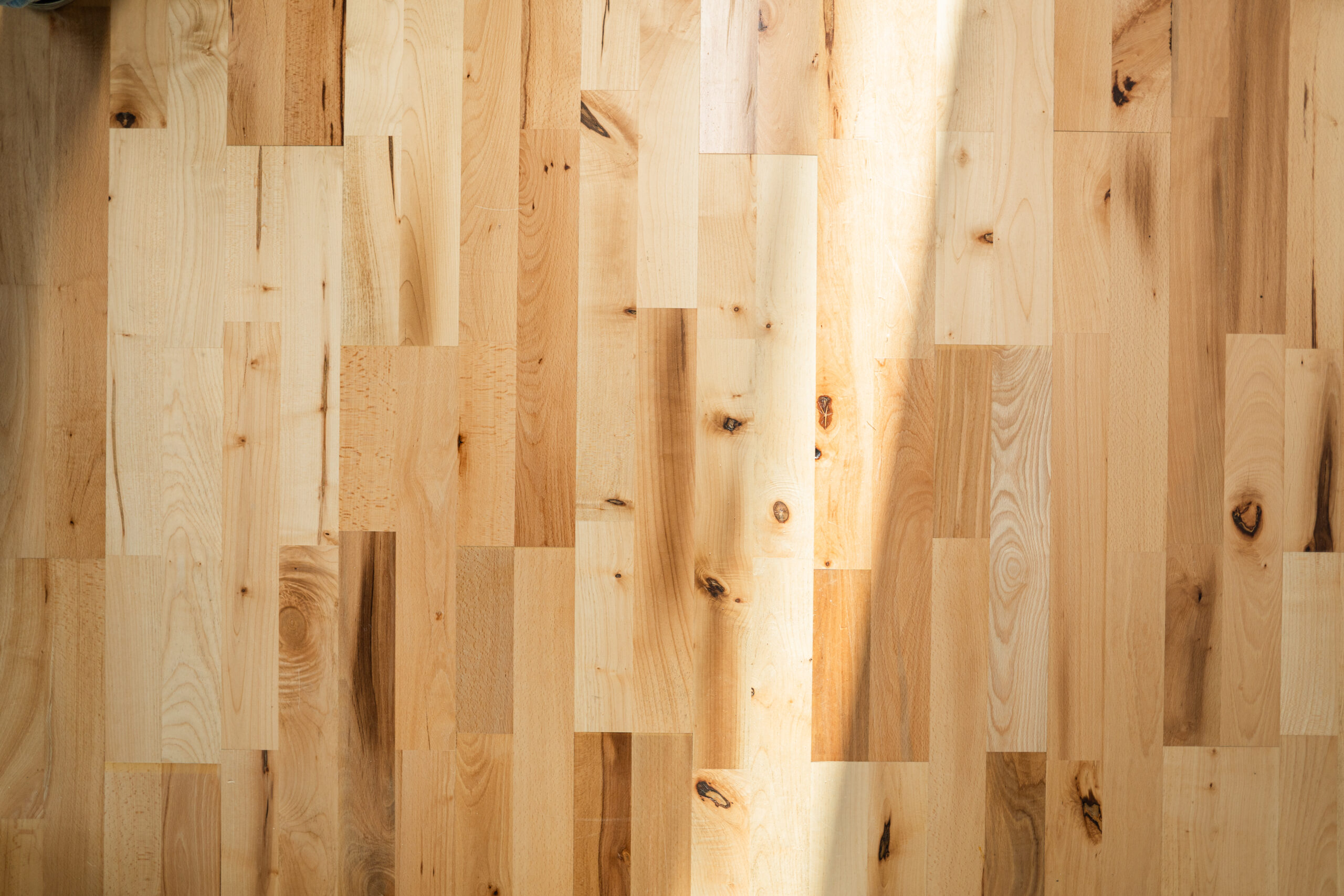
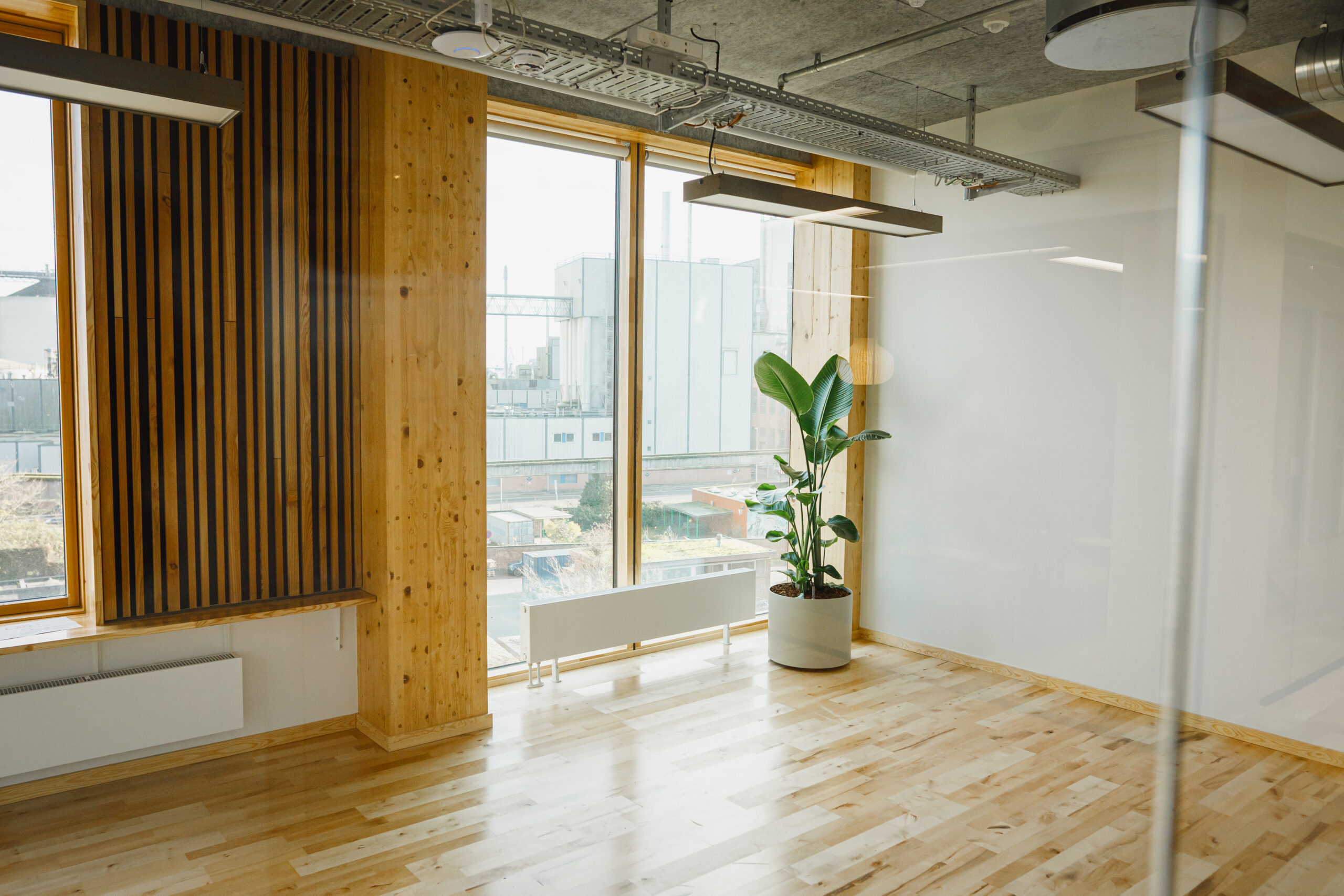
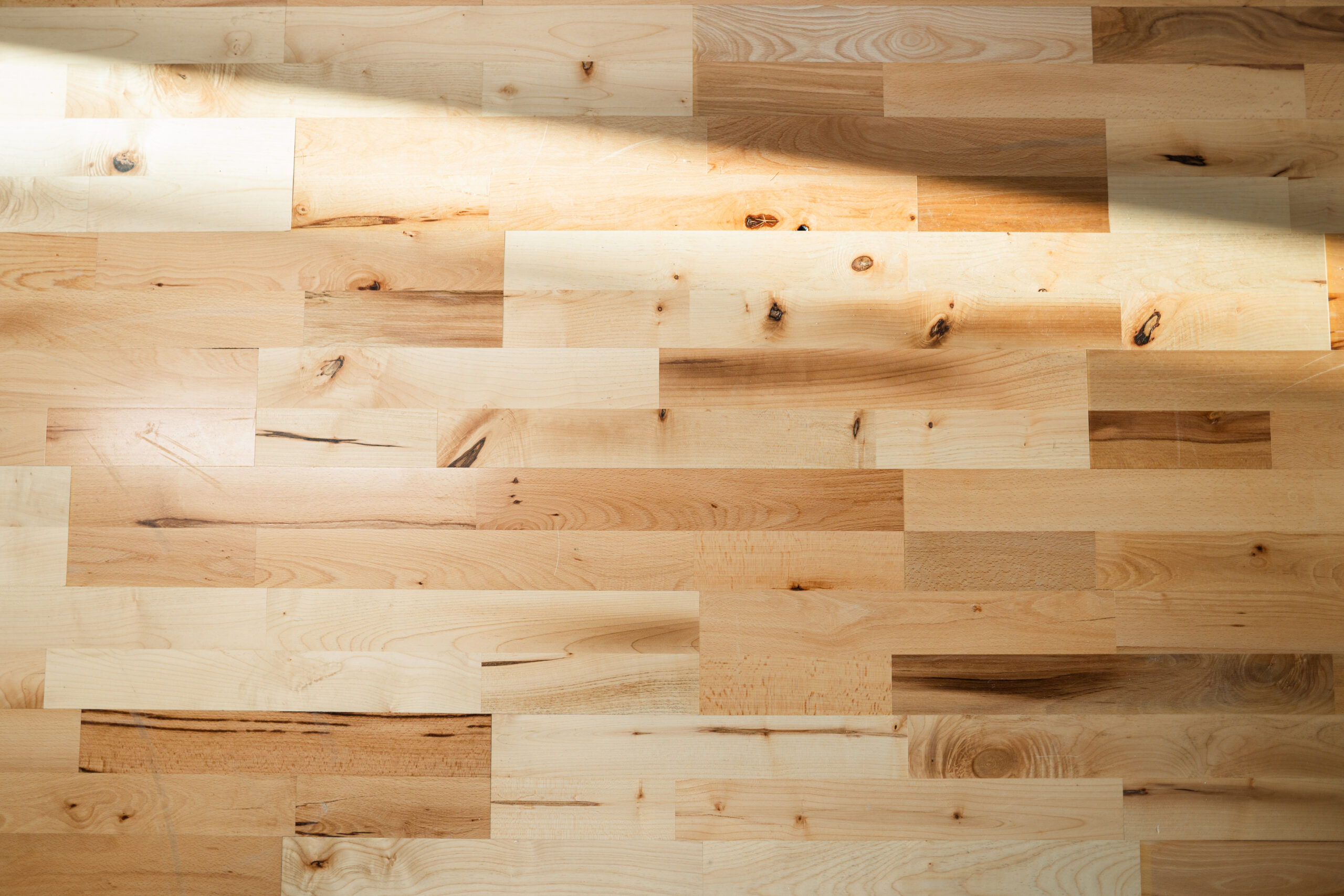
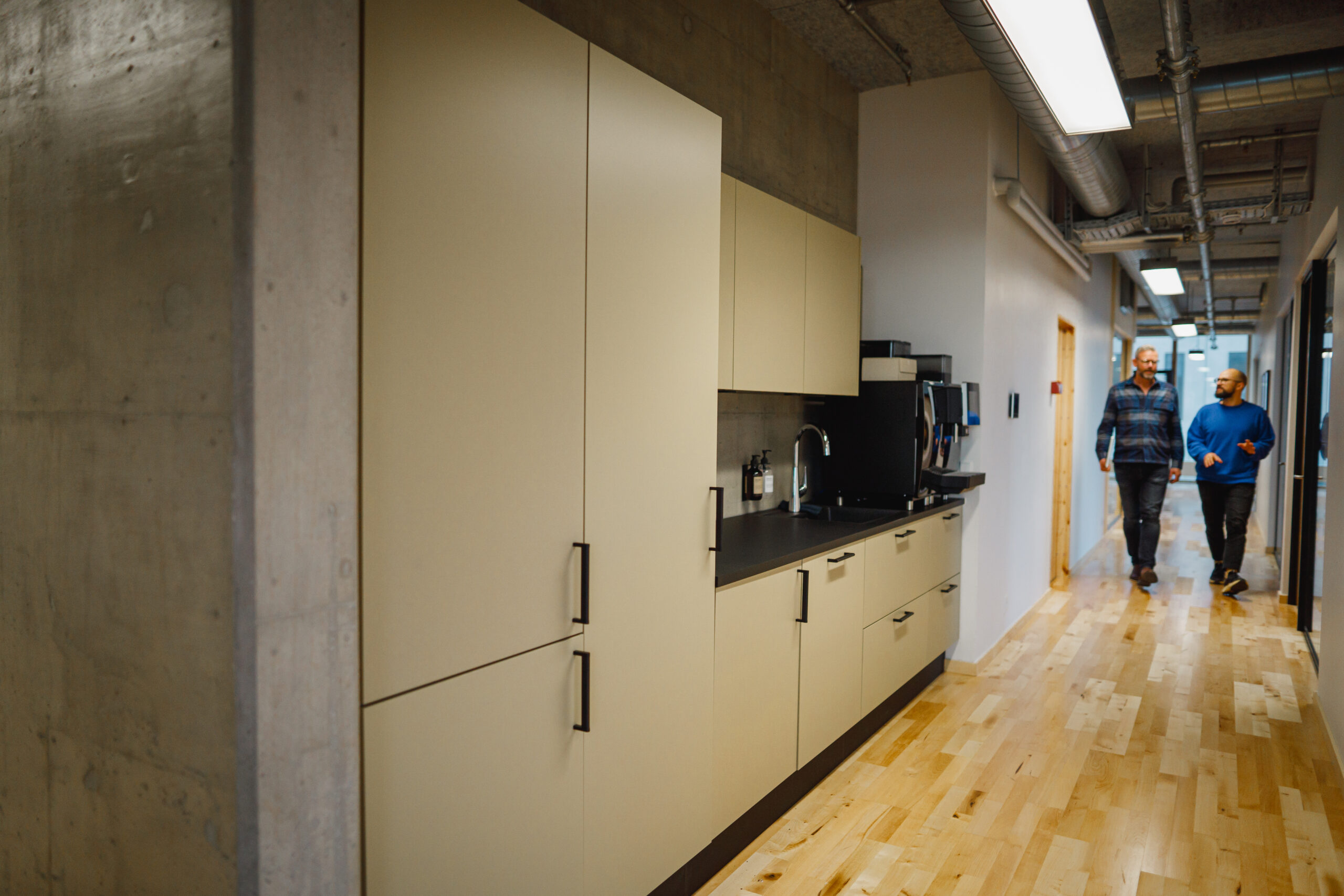
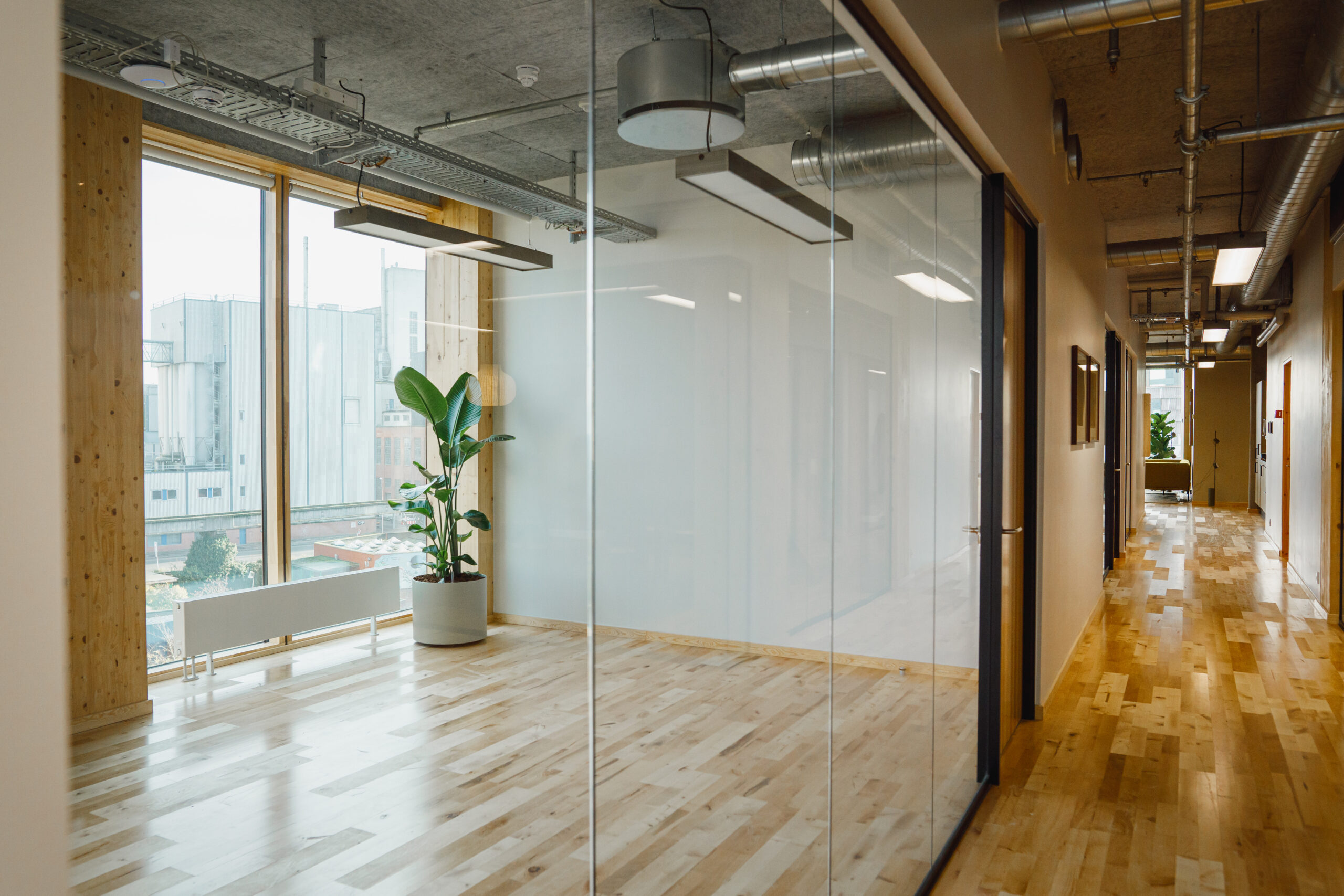
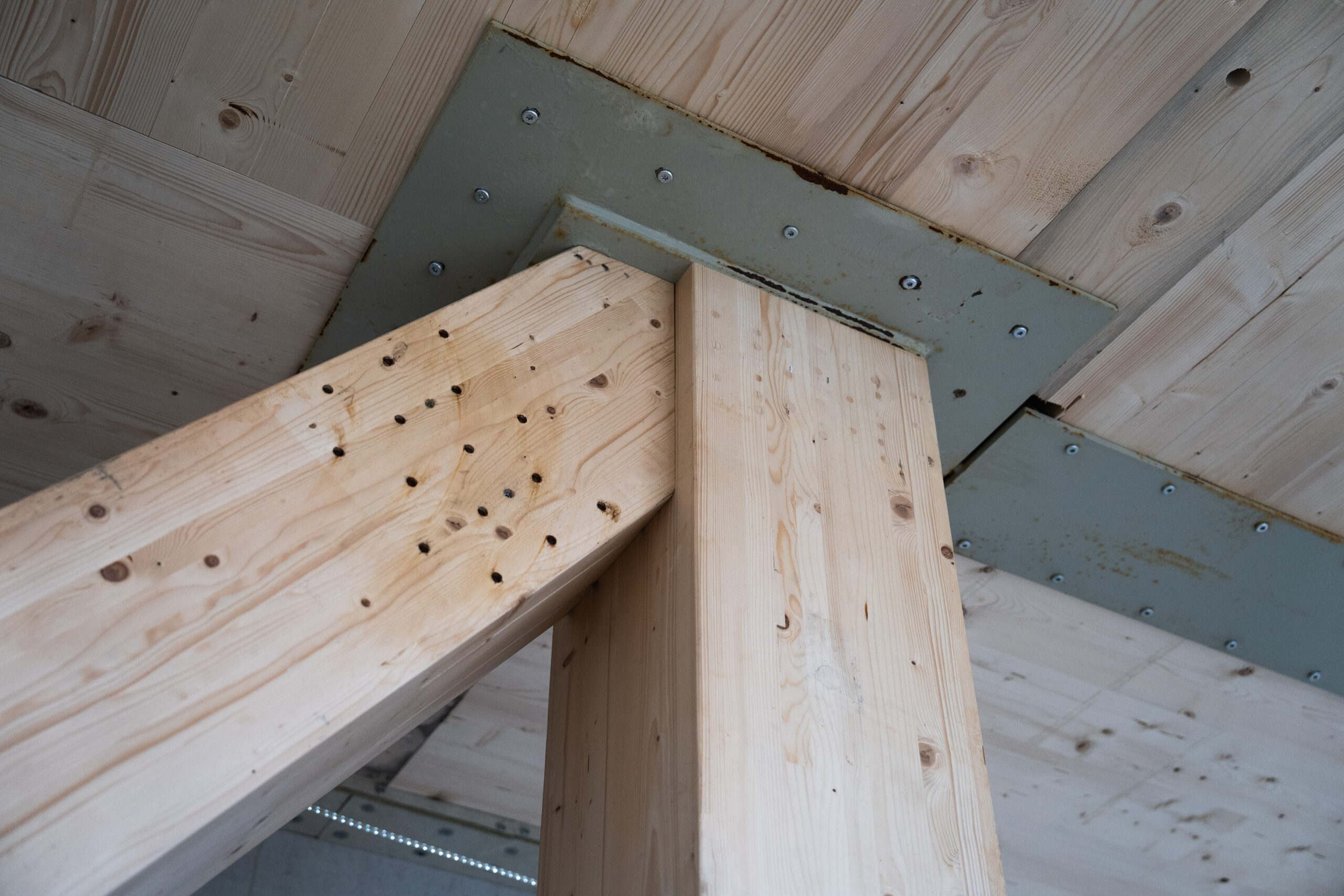
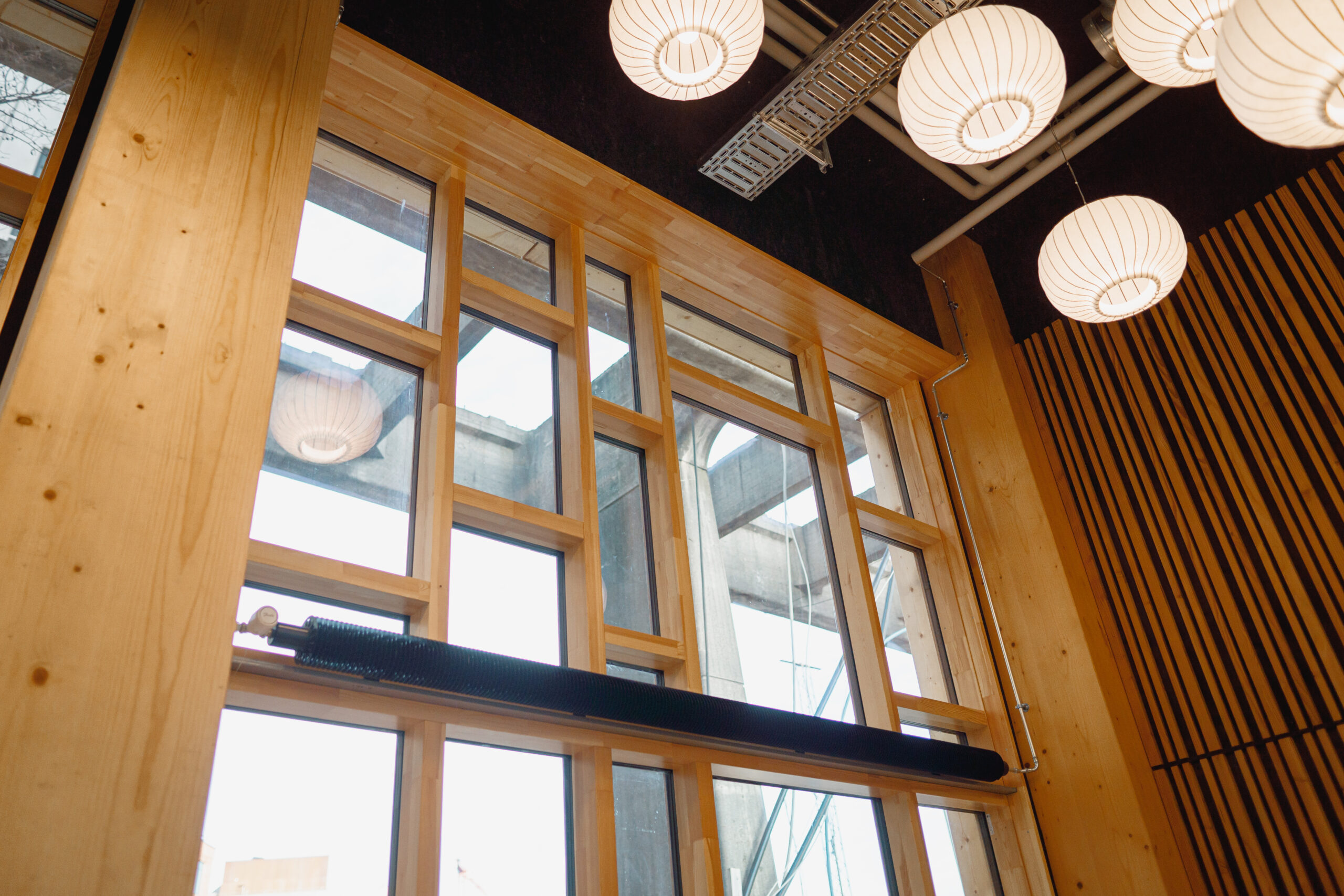
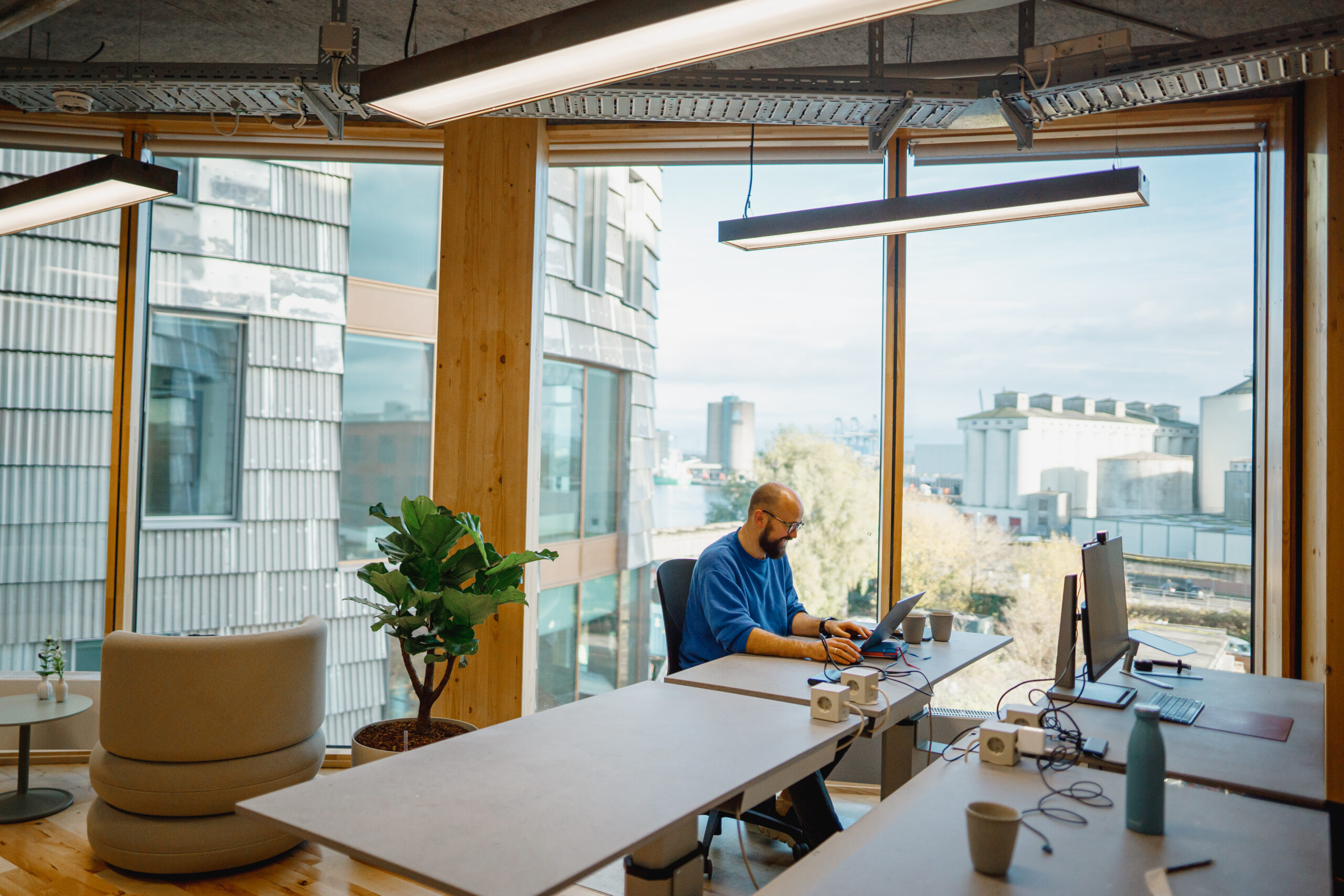
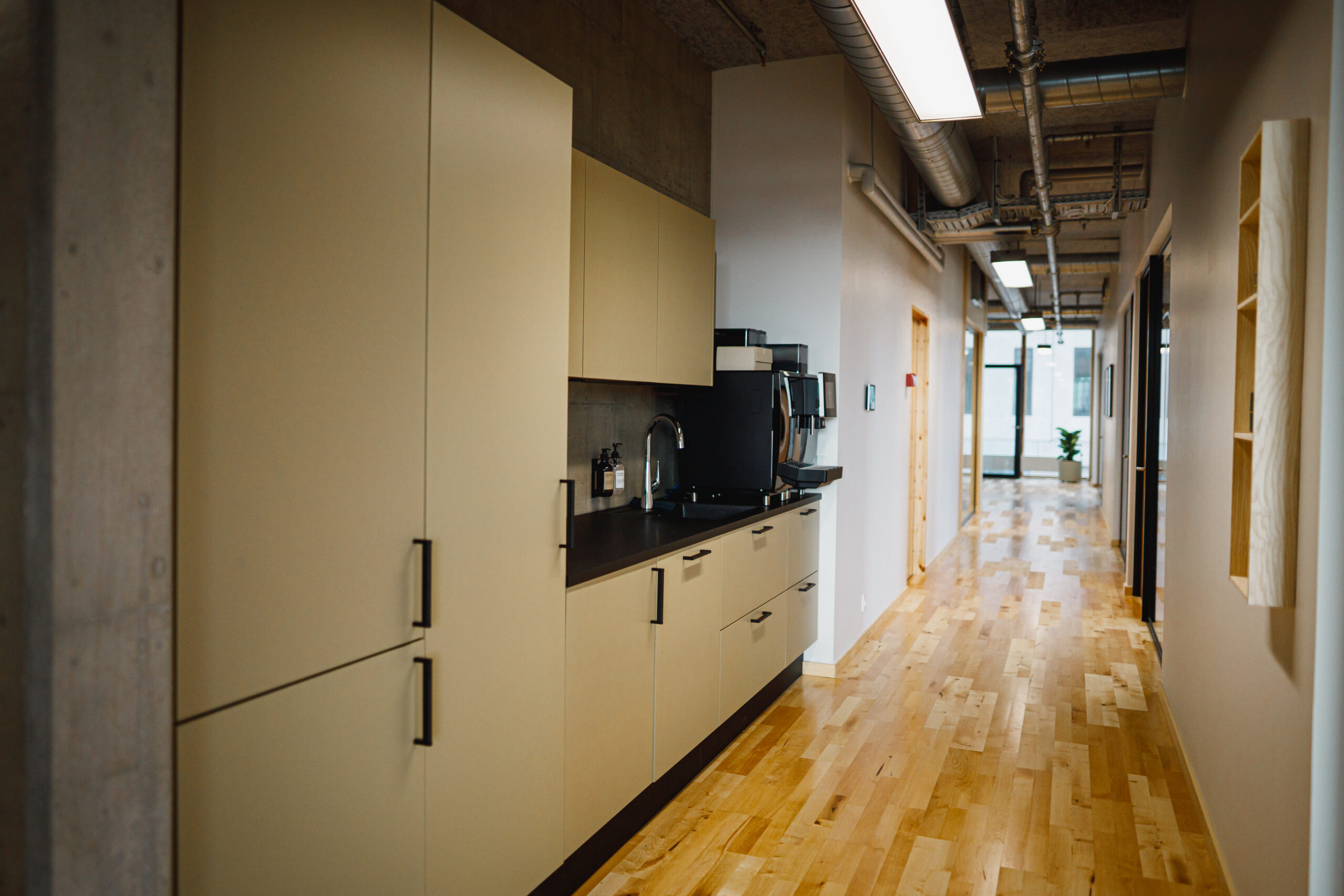
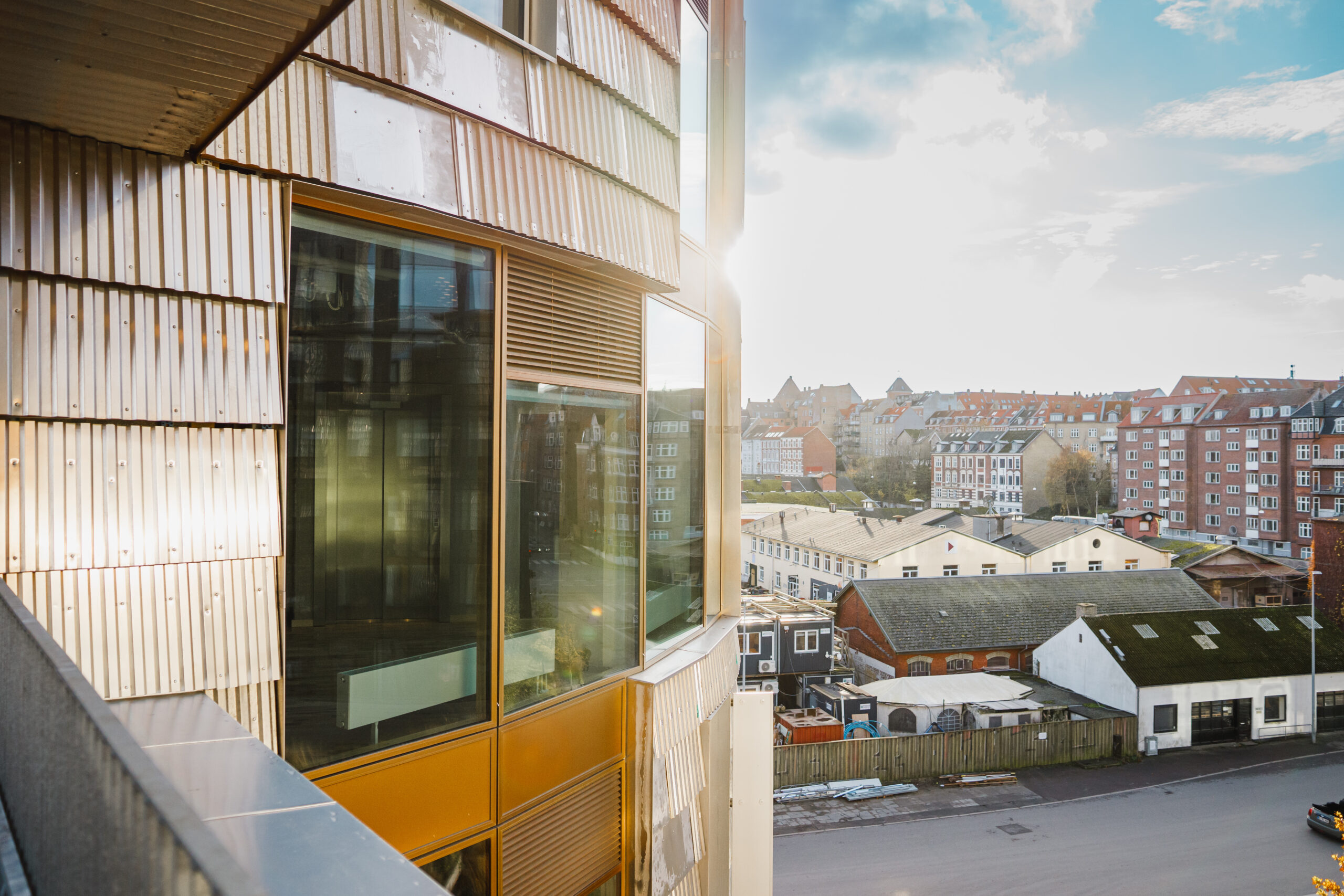
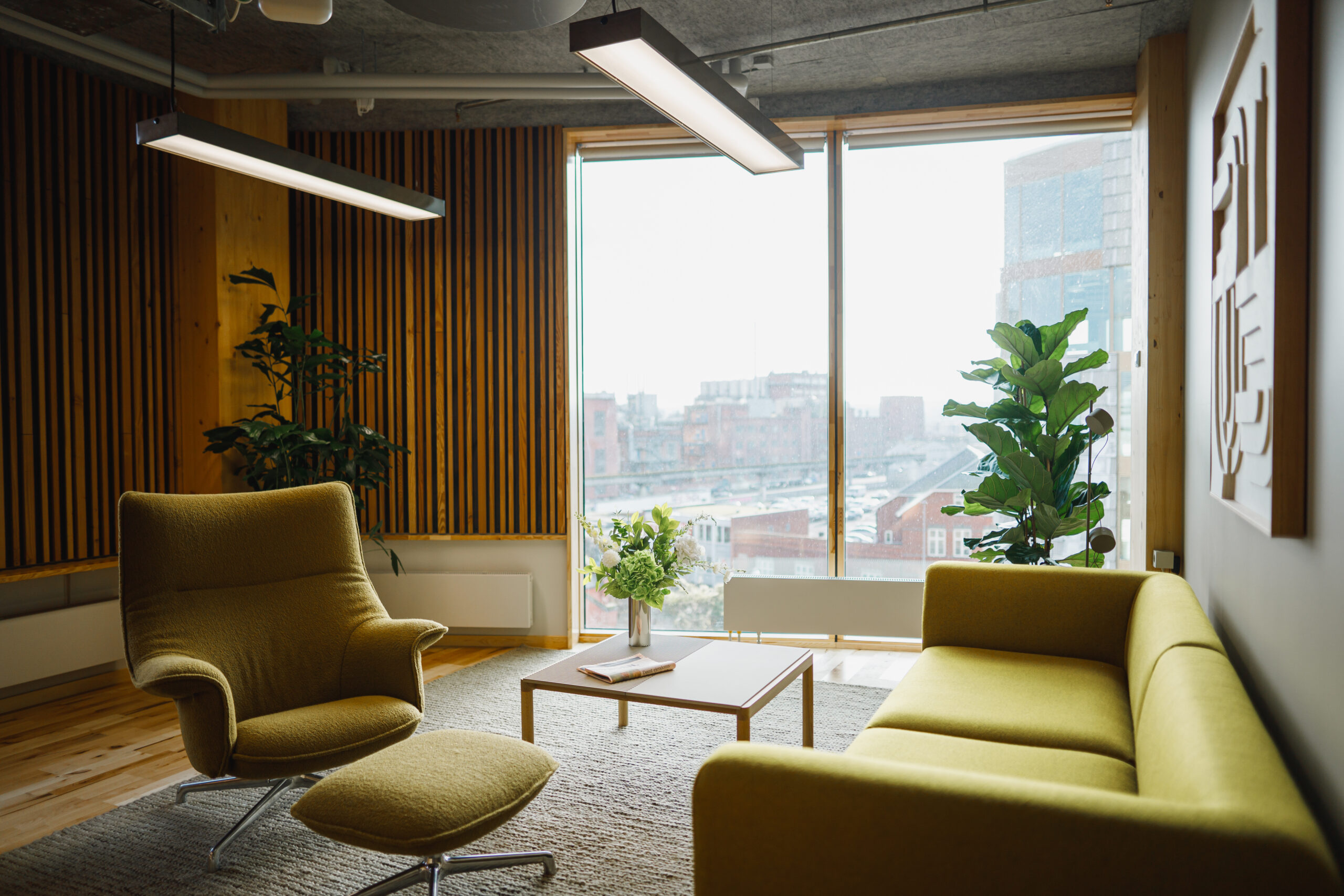
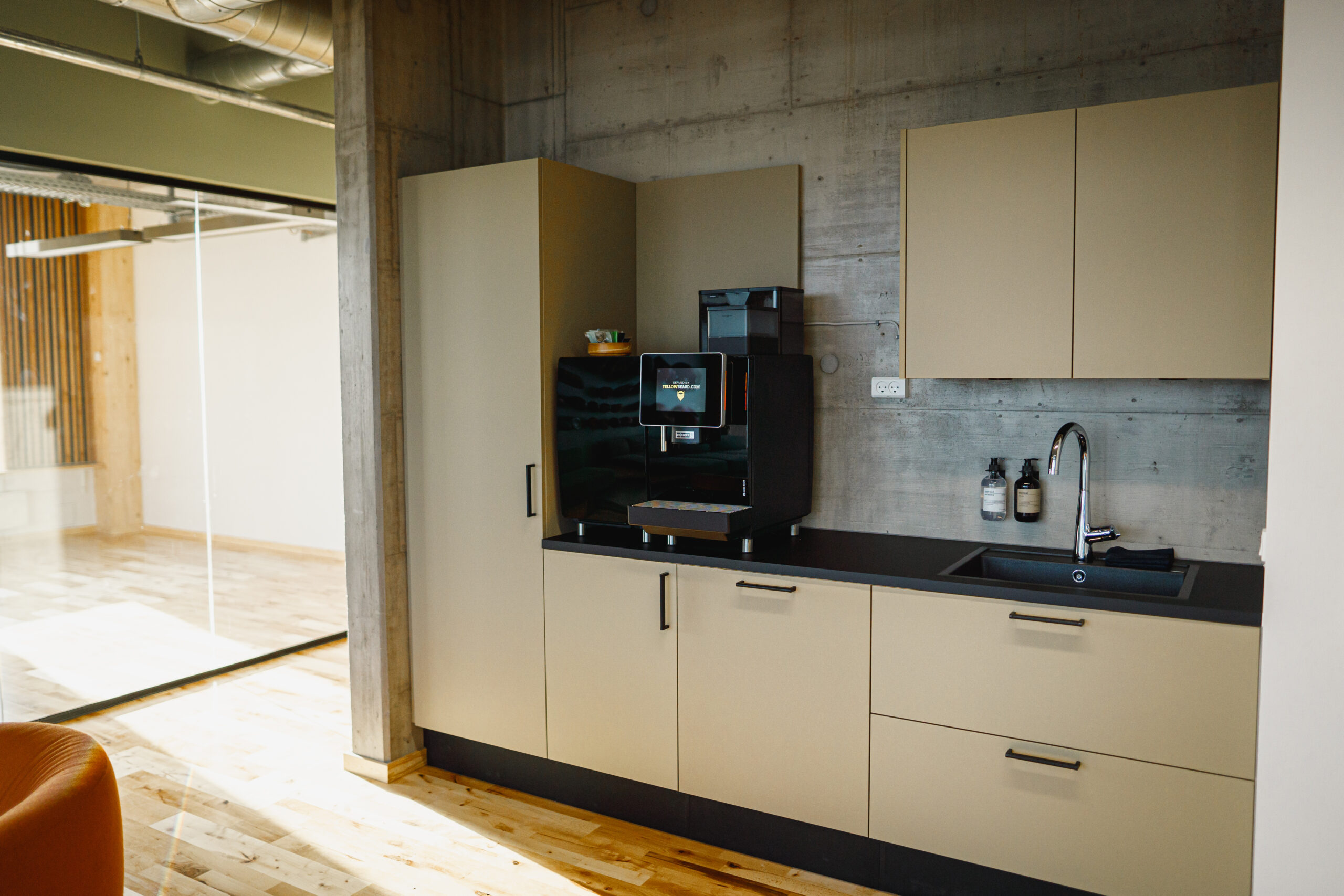
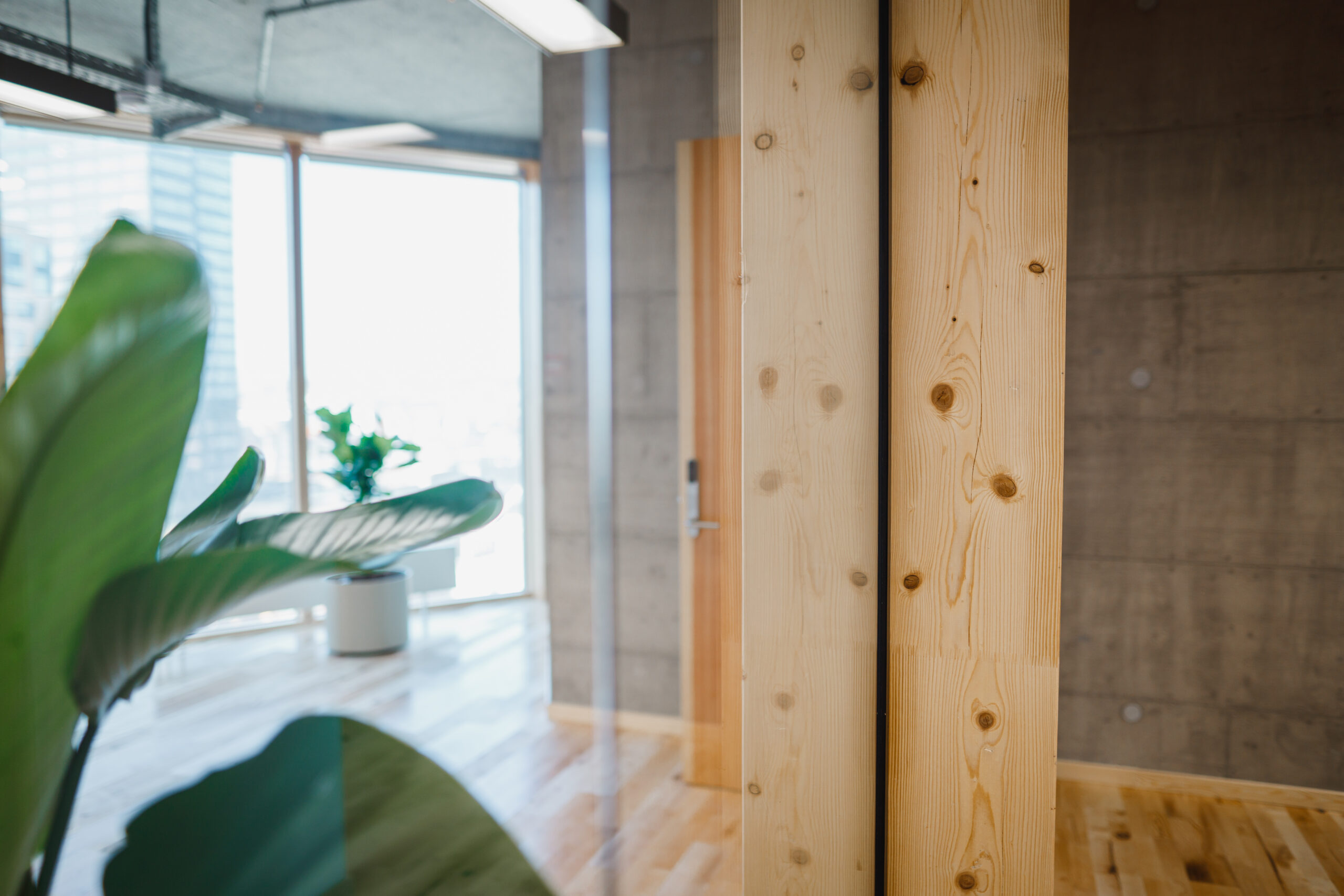
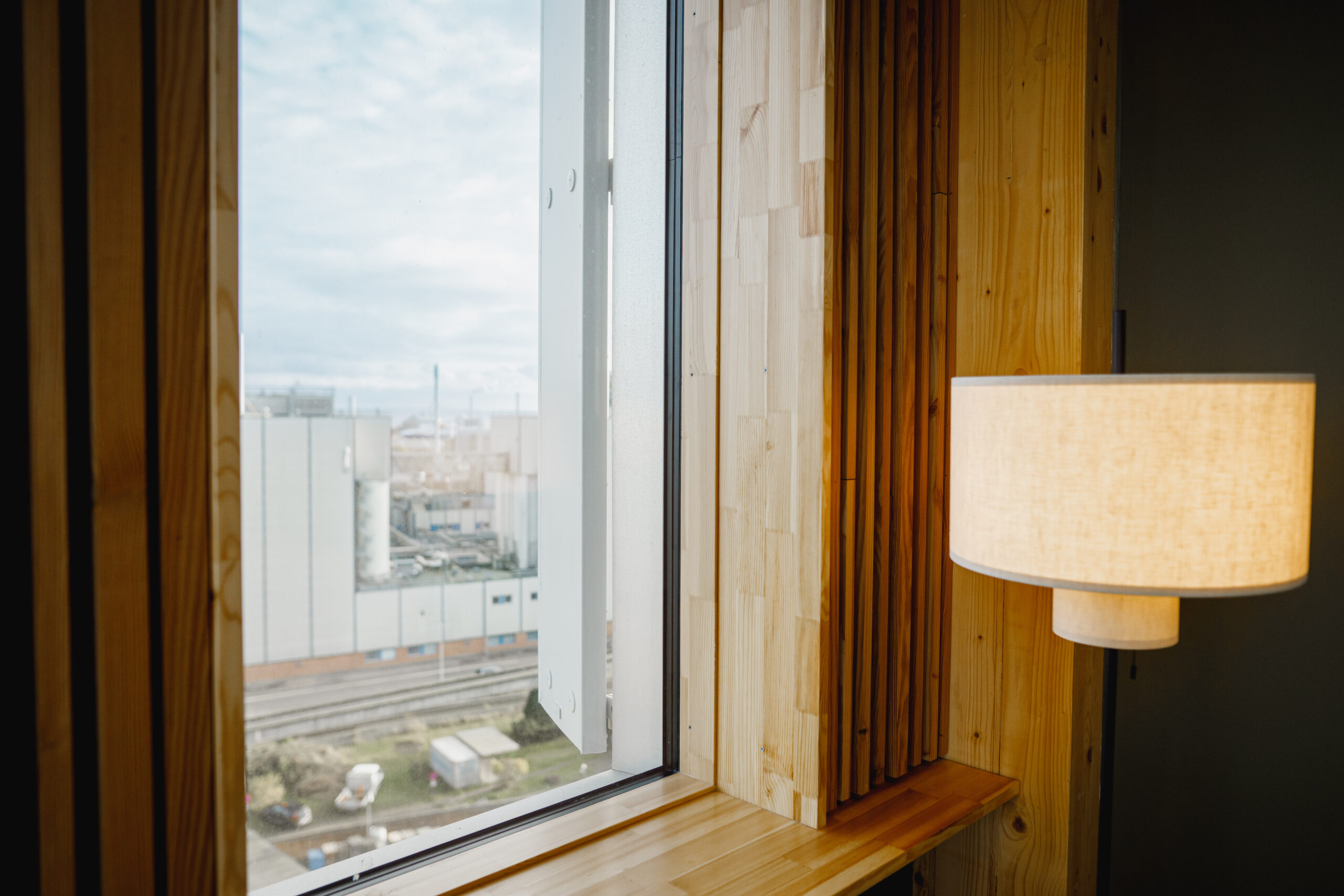
Structurally, TRÆ combines glulam columns and CLT floor slabs, with low-carbon concrete cores ensuring stability and fire safety. Nearly all visible surfaces are reused, upcycled, or biobased. Timber cassettes form the façade, clad with aluminum sheets salvaged from industrial and farm roofs and water-damaged post boxes. Wind turbine blades provide solar shading, while reused windows, waste textiles, and PET felt form acoustic surfaces. Interior finishes include reclaimed timber flooring and panels, while mature trees relocated from municipal sites reinforce the ‘tree’ concept and create an immediate green setting.
The name TRÆ carries three meanings in Danish: tree, timber, and three – reflecting its biogenic materiality, its ecological ethos, and its three interconnected volumes. These three rounded towers rise from a tight site, their soft geometry maximizing daylight and creating a sculptural presence on the waterfront. Ground-floor functions, including a restaurant operated by a social initiative, activate the street, while the ‘snake’ walkway draws people into the site. Beyond architecture, the project embeds social sustainability by involving homeless people in upkeep and hosting a volunteer initiative that provides daily meals for families in need.
According to the architects, TRÆ is an innovation and knowledge generating project that takes today’s biggest challenges and turns them into potentials to accelerate the green transition of the built environment in a pioneering project with minimum CO2 impact and maximum amount of reused materials and innovations. Nearly 80 meters tall, TRÆ is the first wooden building of its’ size in Denmark. Apart from the wooden load bearing constructions, the building design is based on creating a carbon bank combined with reused building materials: windows, upcycled wooden floors, and reused facade materials.
The tower is an innovation flagship that for the first time, showcase how to wide-scale circular economy in large-scale project through implementation of a large number of material innovations and already existing resources including entire façade cladding made of reused metal plates and interiors of PET bottles, waste textile – and wood as well as adopted trees are saved from being cut down and replanted on-site. The aim is to generate knowledge on how to build as sustainably as possible through exploring new processes, methods, and ways of doing while creating high-quality and human-centered architecture.
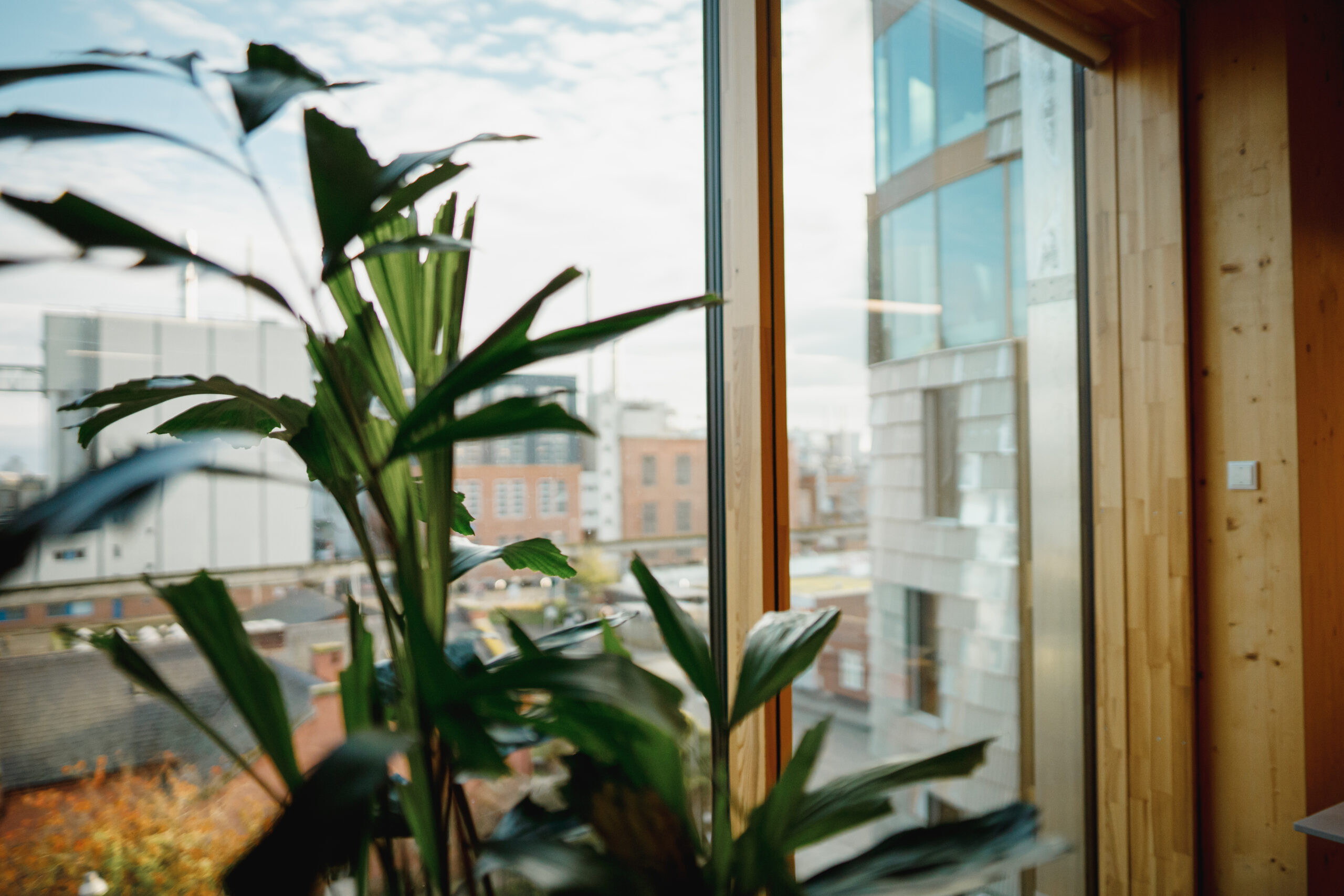
User studies and indoor climate measurements confirm that the spaces feel healthy and inspiring. Employees highlight the tactile quality of reused and biogenic materials as creating a sense of calm and authenticity, while natural textures and daylight contribute to a perception of better air quality. Beyond comfort, the innovative concept itself is seen as motivating and forward-thinking, giving users a sense of pride in working within a building that challenges conventions and demonstrates a new way of building.
Overall, TRÆ demonstrates that circularity can scale. Life Cycle Assessment shows a 30 – 50 percent reduction in embodied carbon compared to a conventional concrete high-rise. By merging technical innovation with social responsibility, TRÆ sets new benchmarks for regulatory compliance and material reuse in high-rise construction. Its three ‘Living Lab’ floors further explore biogenic and upcycled materials, generating insights for future circular design and inviting dialogue between users, designers, and researchers.